


Georgian Bureau Desk Drawers
These georgian bureau desk drawers combine a fall-front writing surface with lower storage, offering timeless utility for the home.
Georgian Bureau Desk Drawers
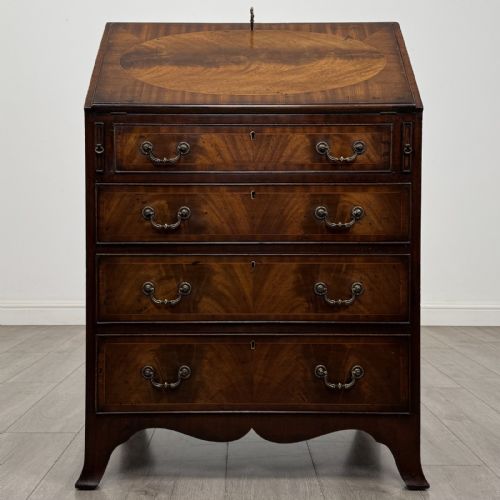
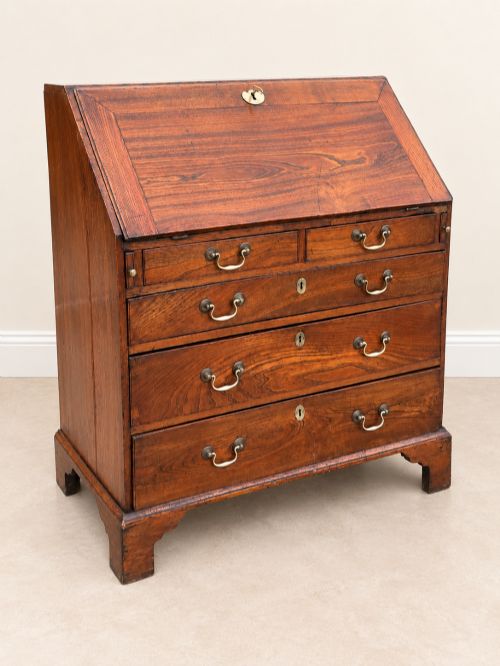
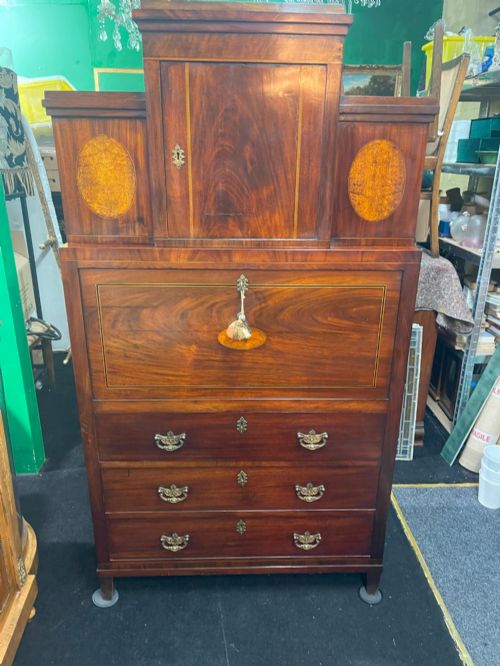
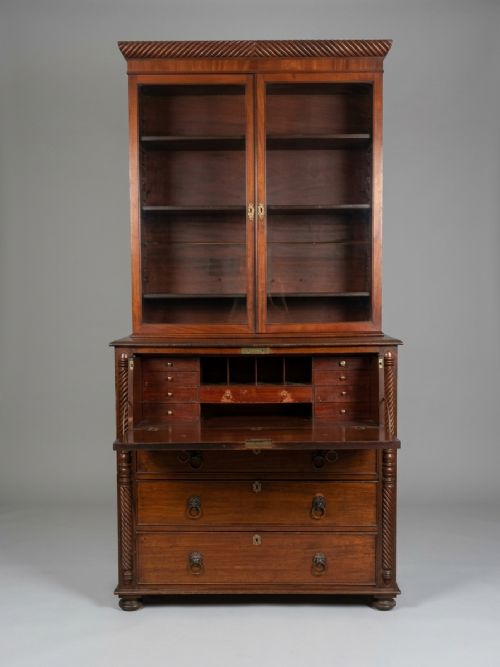
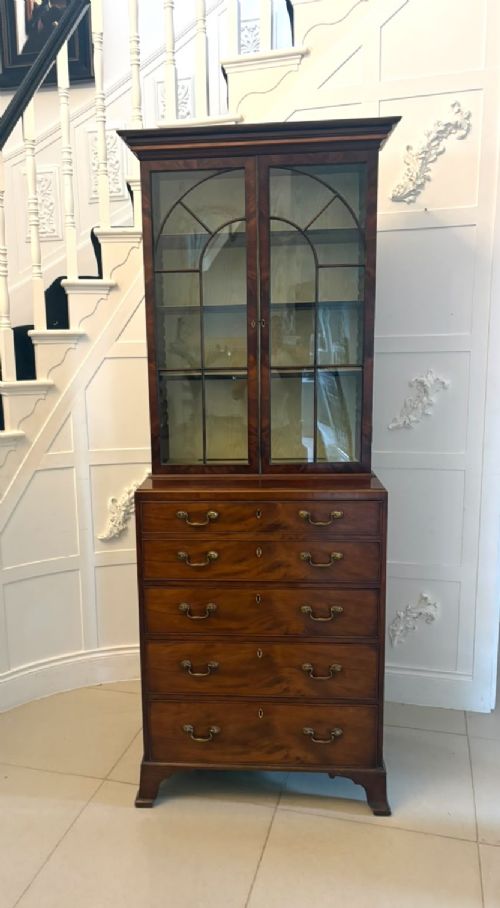
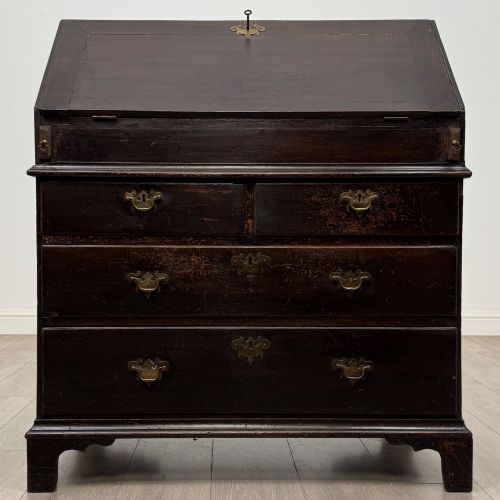
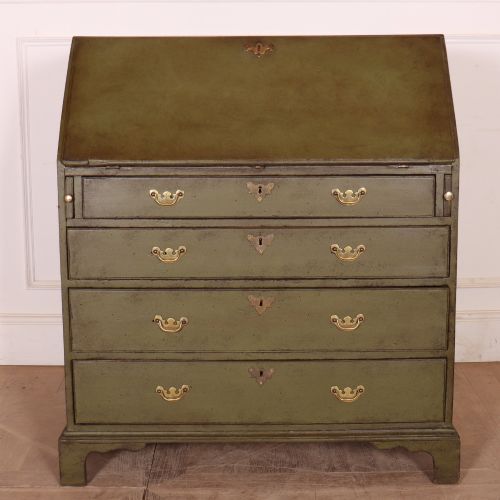
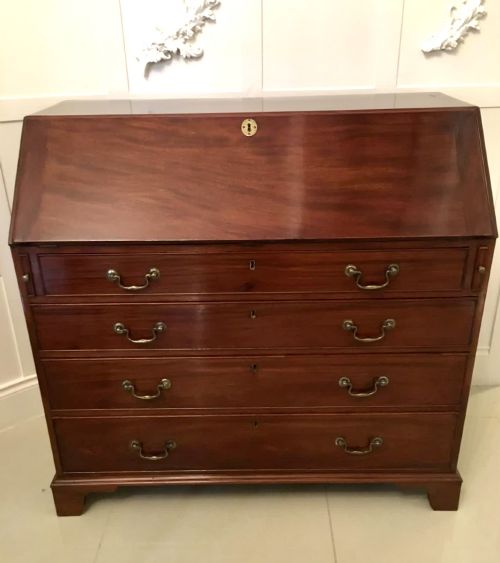
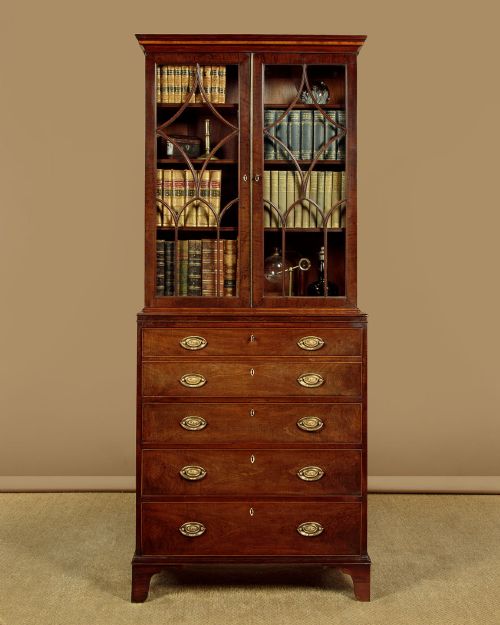
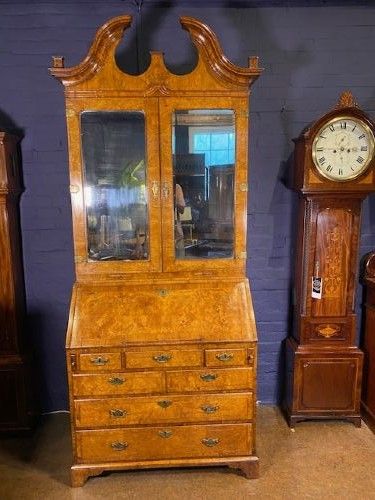
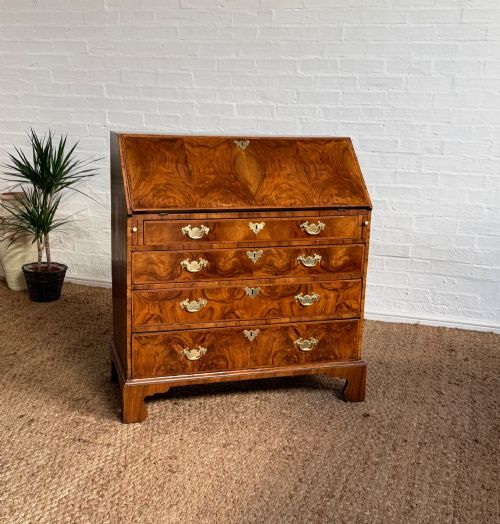
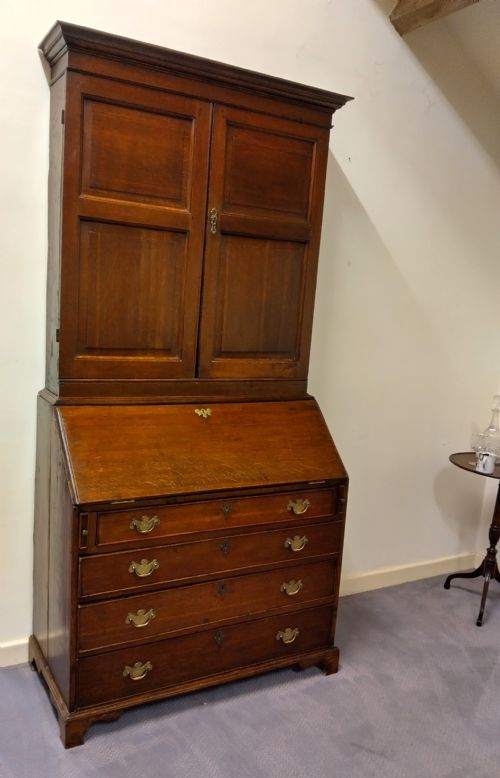
When you search for georgian bureau desk drawers, you encounter timber writing furniture designed with a hinged writing flap that conceals an internal arrangement of small drawers and pigeonholes. These items range from compact oak and mahogany fall-front desks to taller bookcase combinations featuring glazed upper doors.
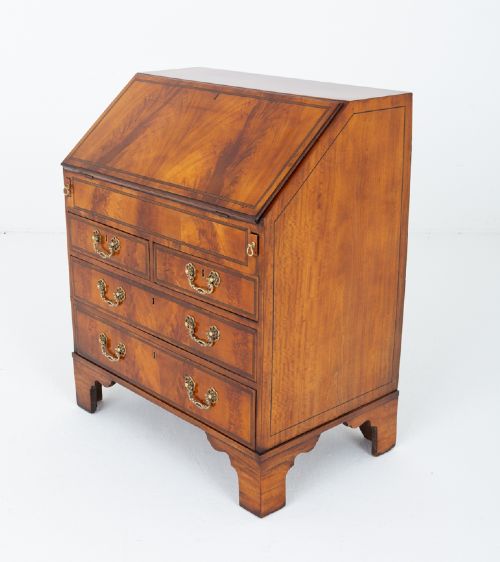
The material palette spans native oak and walnut from the early periods through to figured mahogany and satinwood veneers of the George III and Regency eras. Regional pieces occasionally appear in fruitwood or incorporating marquetry, alongside revival iterations.
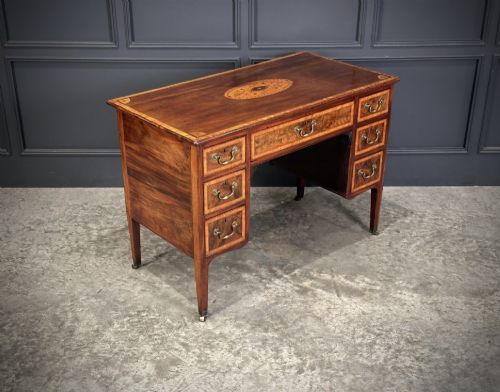
Forms vary from simple provincial oak writing cabinets to sophisticated bureau bookcases and kneehole desks equipped with fitted writing slides or leather writing surfaces.
How they were made
Cabinetmakers constructed these carcases primarily using solid oak, mahogany, or walnut, frequently applying rich veneers of burr walnut or figured mahogany to the principal exterior surfaces. Drawer linings and secondary woods typically consist of oak or pine, joined with hand-cut dovetails.
Hardware such as pierced brass escutcheons and drop handles secured the drawers, while internal fitments utilised fine pigeonhole partitions and concealed compartments operated by secret spring latches.
Early oak examples occasionally turn up adapted to house modern televisions behind their historic fall fronts.
What varies in quality
The grade of timber selection and the precision of the veneer matching dictate the visual hierarchy of these items, with figured grains commanding superior presence. The fineness of the internal drawer construction and the complexity of the pigeonhole arrangement further separate standard provincial workshop pieces from master cabinetwork.
Proportions and the integrity of the original brass furniture and secondary timbers heavily influence the overall coherence of the surviving piece.
Gillows
The Georgian Bureau Desk Drawers Glossary
- Bureau
- A writing cabinet featuring a sloping fall-front flap that opens to reveal a fitted interior above multiple storage drawers. This form evolved significantly through the eighteenth century.
- Fall-front
- The hinged writing flap of a desk or bureau that lowers to provide a horizontal leather or timber writing surface. It locks upright when not in use.
- Secretaire
- A piece of furniture containing a drawer or compartment specially fitted for writing materials, often disguised as a standard chest of drawers.
- Kneehole desk
- A compact desk featuring a central recess for the user's knees, flanked by pedestals of small drawers. They frequently include a shallow frieze drawer above the opening.
- Escutcheon
- A protective brass plate surrounding a keyhole, designed to prevent the surrounding wood from wearing away. Eighteenth-century examples often feature elaborate pierced silhouettes.
Georgian Bureau Desk Drawers: Frequently Asked Questions
What is a bureau bookcase?
A bureau bookcase combines a lower writing bureau with an upper glazed shelving section for books. These dual-purpose items served as both libraries and private writing cabinets in period homes.
They represent some of the most substantial case furniture produced by eighteenth-century cabinetmakers, often featuring architectural cornices and adjustable shelving.
How do fall-front desks work?
The sloping writing flap is hinged along its lower edge and supported by internal wooden bearers or pull-out lopers when lowered. This reveals an architectural interior of small drawers and pigeonholes.
When closed, the flap conceals the entire writing compartment and locks securely against the main carcase with a single key.
How do I distinguish walnut from mahogany?
Walnut displays a rich, warm brown tone with distinct darker grain figure patterns and frequently incorporates intricate burr figuring. It dominated English cabinetmaking during the late seventeenth and early eighteenth centuries.
Mahogany replaced walnut in popularity by the mid-eighteenth century due to its dense, reddish-brown hue and superior tensile strength, which allowed for finer carving.
Where were these desks placed?
These pieces typically resided in private studies, libraries, or withdrawing rooms where correspondence and household accounts were managed. Their locking fall-fronts provided necessary security for private papers.
Today, they function effectively in home offices or living spaces as both practical writing surfaces and display furniture.