





Georgian Bronze Candle Holders
Georgian bronze candle holders are heavy, patinated pieces of period illumination designed to catch the candlelight on a dining table or mantelpiece.
Georgian Bronze Candle Holders
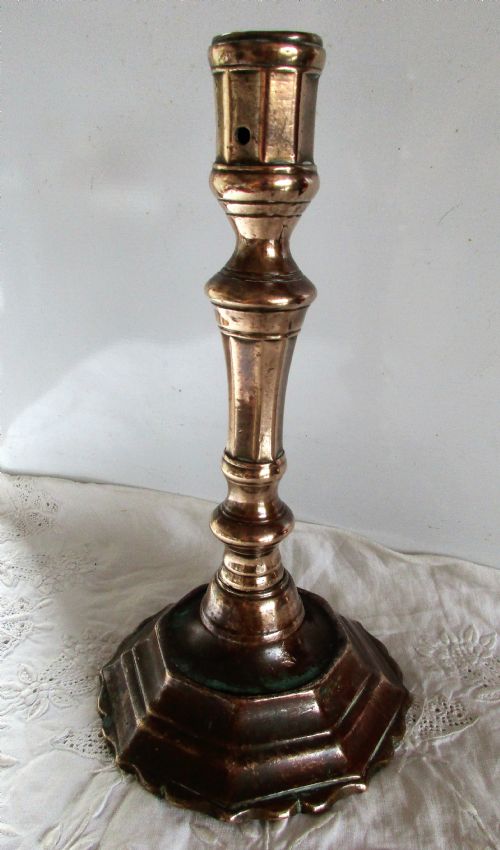
When you search for georgian bronze candle holders, you encounter items ranging from simple 18th century brass and bell metal sticks to elaborate Regency ormolu and marble pairs. The selection includes candlesticks, torcheres, wall sconces, and multi-branched candelabra that span the late 18th and early 19th centuries.
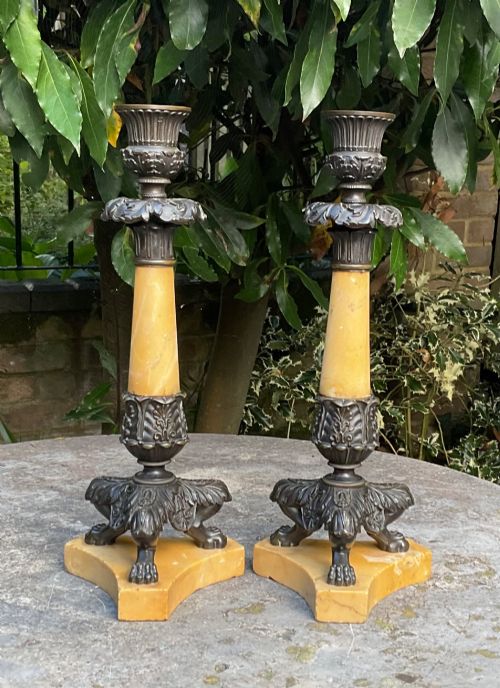
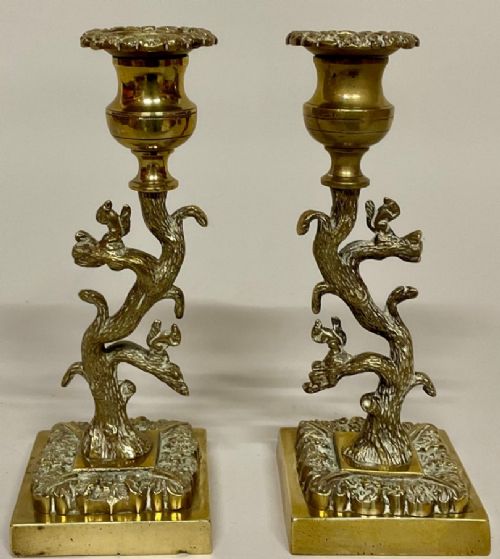
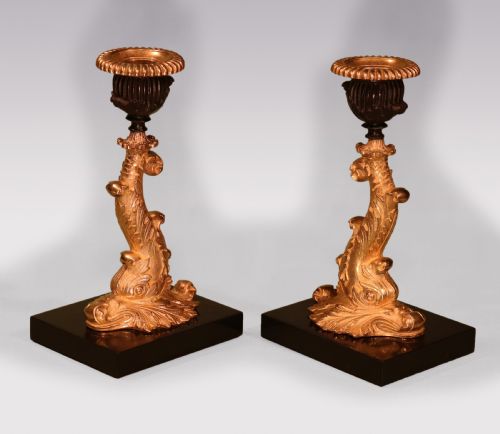
You are most likely to meet pairs of Regency patinated bronze candlesticks enhanced with gilt bronze or ormolu mounts. These often incorporate classical motifs, figural elements like dolphins or squirrels, and sometimes cut glass lustres.
How they were made
The primary construction relies on cast bronze, frequently finished with a dark patination or highlighted with mercury-gilded ormolu. Workshops combined these metal components with contrasting materials such as white marble bases and cut glass drops.
The casting process involved detailed hand-chasing of the metal surfaces after removal from the mould to sharpen the foliage, animal forms, and architectural details before assembly.
Georgian Bronze Candle Holders Retail Price Guide 2026
Typical asking prices for georgian bronze candle holders among the pieces listed under this phrase on Sellingantiques today, from the lower quarter to the upper quarter. They describe what is for sale here now, not the wider market.
Squirrels forage among cast bronze tree branches on one pair of Regency candlesticks, bringing woodland life straight to the dining table.
What varies in quality
The distinction between ordinary and exceptional examples rests in the crispness of the original metal chasing and the richness of the mercury gilding. Superior pieces display finely detailed relief work on the figures and foliage rather than smoothed, soft casting edges.
Integration of secondary materials also dictates the grade of the piece, where well-fitted marbleplinths and intact, original cut glass lustres elevate the overall manufacture beyond standard production.
Humphrey Hopper·Meissen
The Georgian Bronze Candle Holders Glossary
- Ormolu
- Gilt bronze produced by applying a mercury and gold amalgam to a bronze object and heating it to drive off the mercury. This technique creates a durable, golden surface characteristic of fine Regency metalwork.
- Patinated bronze
- Metal that has been treated chemically or allowed to age naturally to produce a dark, protective surface layer. This finish accentuates the sculptural contours of the candlestick.
- Campana
- A vase-shaped candle socket resembling an inverted classical bell. It forms the top section where the candle sits.
- Torchiere
- A tall, freestanding candle stand or torch holder designed to illuminate a corner of a room. These pieces elevate the light source higher than a standard table candlestick.
- Lustre
- A glass pendant or drop hung from a ring around the candle nozzle. These prisms refract the candlelight to increase the sparkle of the fixture.
Georgian Bronze Candle Holders: Frequently Asked Questions
How do I clean bronze candle holders?
Dust the surface gently with a soft, dry brush to prevent the accumulation of dirt in the chased recesses.
Avoid using abrasive metal polishes or harsh chemical cleaners, as these can strip the original historical patina and damage any remaining ormolu gilding.
How do I date a bronze candlestick?
Examine the casting quality, base construction, and stylistic vocabulary to determine the period of manufacture.
Georgian and Regency pieces typically exhibit heavy bronze casting, hand-filed base plates, and neoclassical or Regency design motifs rather than modern machine-tooled joints.
Why are so many offered as pairs?
Lighting in formal rooms during the 18th and 19th centuries was arranged symmetrically on mantelpieces, sideboards, and pier tables.
Surviving pairs remain desirable because they retain their original decorative balance for interior placement.