

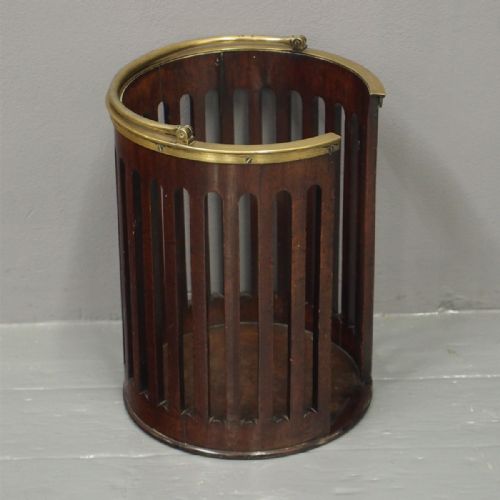


Georgian Brass Pail
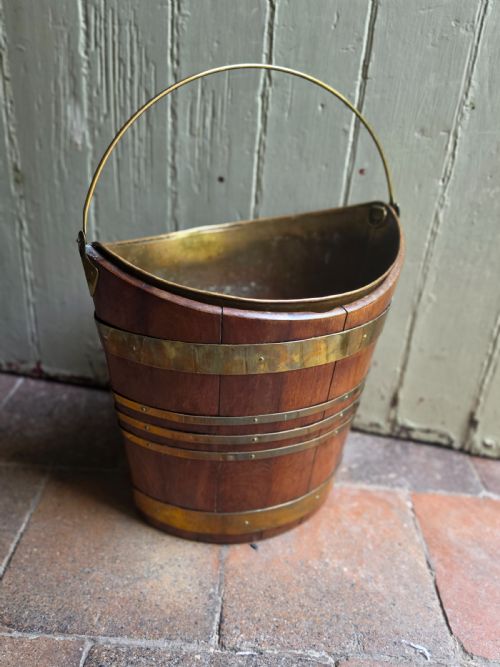
A georgian brass pail is a robust wooden vessel bound in metal, built to handle weighty domestic tasks or chill wine with elegance.
Georgian Brass Pail
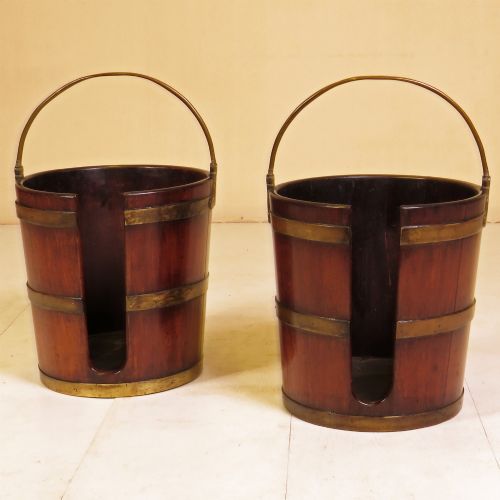
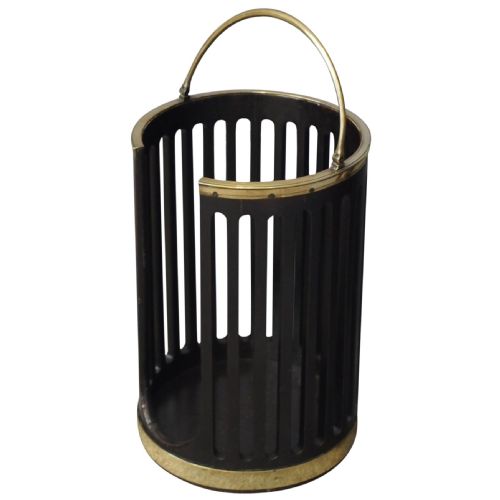
When you search for a georgian brass pail, you encounter sturdy mahogany vessels designed for practical household use or dining service. The selection spans distinct forms including plate buckets, wine coolers, and oyster buckets from the eighteenth and nineteenth centuries.
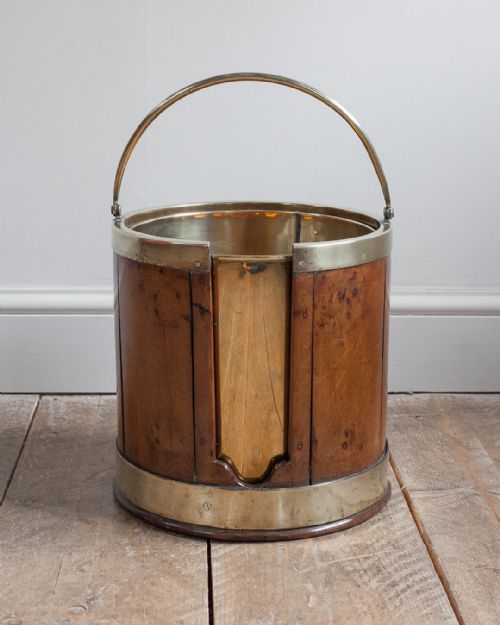
The version you are most likely to meet on this page is the mahogany plate bucket, often bound with bright brass straps and fitted with a sturdy handle. These items bridge the gap between utilitarian kitchenware and refined dining room accessories.
Originating primarily within the Georgian and George III eras, these containers showcase rich dark timber and functional metalwork. Later examples extend into the Victorian period, maintaining traditional forms and robust materials.
How they were made
Craftsmen built these vessels using solid mahogany staves, joined tightly together in the manner of traditional cooperage. The timber is turned or shaped into circular and oval forms, providing a stable body capable of holding heavy items.
Heavy brass bands encircle the wooden bodies, secured firmly with pins or rivets to reinforce the structure against strain. Swing handles forged from iron or brass are attached via sturdy mounts, completing the heavy-duty assembly.
Georgian Brass Pail Retail Price Guide 2026
Typical asking prices for georgian brass pail among the pieces listed under this phrase on Sellingantiques today, from the lower quarter to the upper quarter. They describe what is for sale here now, not the wider market.
The site listings feature mahogany, brass, zinc, and iron across eighteenth and nineteenth-century forms including plate buckets and wine coolers.
What varies in quality
The standard of timber selection defines the upper tier of these vessels, where richly grained mahogany displays deep natural warmth. Lesser examples utilise plain wood with less pronounced figure and simpler finishing.
Detailing in the metalwork separates fine pieces from standard items, particularly the weight and fit of the brass binding. Precision in the cooperage and the survival of original swing handles also elevate the character of the piece.
The Georgian Brass Pail Glossary
- Plate bucket
- A deep cylindrical or oval vessel specifically designed for transporting and storing dining plates safely. These containers often feature internal divisions or reinforced bases.
- Wine cooler
- A large container lined to hold ice and bottles during dining, frequently bound in brass. They reflect the formal entertaining habits of the period.
- Cooperage
- The traditional craft of making staved wooden vessels that are bound with hoops. This technique ensures the container remains tight and structurally sound.
- Brass bound
- A method of reinforcing wooden buckets with metal strips fitted tightly around the exterior. This adds both structural strength and visual contrast.
Georgian Brass Pail: Frequently Asked Questions
What were georgian brass pails used for?
These vessels served practical roles in wealthy households, ranging from carrying dinner plates to chilling wine at the table. Their robust construction allowed servants to move heavy loads of tableware and provisions safely.
Over time, many of these containers transitioned from active service to decorative items placed beside fireplaces or within dining rooms to display their rich mahogany and brass materials.
How do you distinguish georgian from victorian buckets?
Georgian pieces typically exhibit finer timber selection, such as richly figured mahogany, combined with hand-formed brass bindings and traditional cooperage techniques. Their proportions align with eighteenth-century design standards.
Victorian examples often retain similar forms like brass-bound plate buckets, but generally feature later construction traits and alternative secondary woods such as zinc liners.
How do you care for a mahogany and brass pail?
Keep the wood conditioned with appropriate traditional wax to preserve the depth and tone of the mahogany. Avoid placing the vessel in direct sunlight or near extreme heat sources that might dry the timber.
Polish the brass bindings gently with a suitable cloth to maintain their lustre without harming the surrounding wood. Regular dusting prevents grime accumulation on the metal surfaces.
Are these pails watertight?
Most of these vessels were constructed for dry tasks like holding plates or logs, though wine coolers were designed to hold ice and bottles. Over the centuries, timber staves can shrink or shift, affecting their ability to hold liquids reliably.
If you intend to use one for floral arrangements or cooling wine, inspect the interior lining, which may include zinc, to ensure it remains functional.