






18th Century Pail
These 18th century pail examples range from sturdy mahogany plate buckets to delicate silver cream vessels, offering both practical history and refined decorative presence.
18th Century Pail
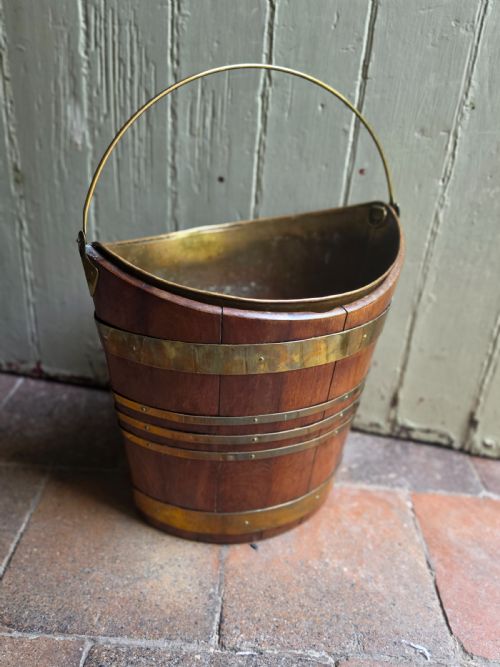
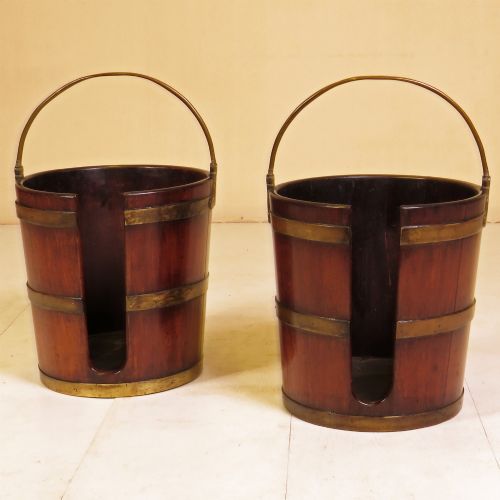
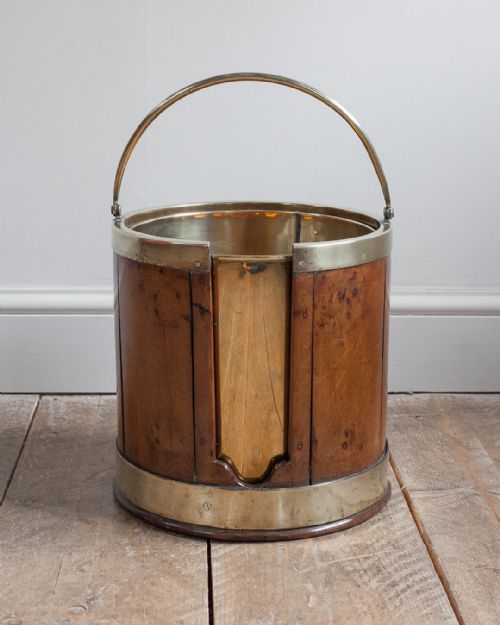
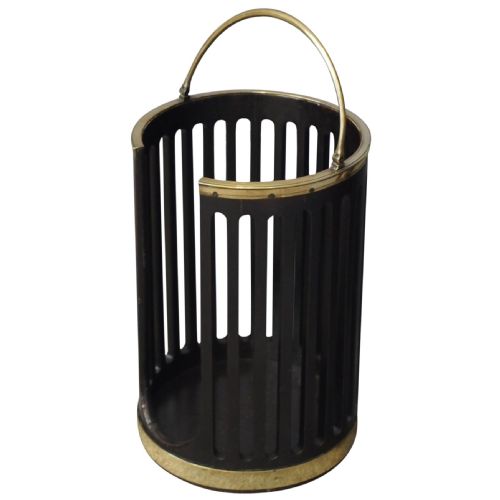
When searching for an 18th century pail, collectors encounter a surprisingly diverse array of domestic objects spanning utilitarian fire carriers to elegant dining table accessories. The examples most frequently met on this page include mahogany plate buckets alongside small silver cream pails and sugar baskets.
These items originate primarily within the 18th Century and Georgian periods, showcasing the craftsmanship of an era that valued both robust service hardware and delicate tableware. Table forms such as ice pails and cream vessels sit alongside larger wooden plate buckets designed for formal dining rooms.
The materials reflect the varied functions of these domestic containers, utilising rich timbers like mahogany alongside precious metals like sterling silver and Old Sheffield Plate. Leather and brass also appear, demonstrating how utility and display intersected in historic British homes.
Materials and construction
Wooden items rely on traditional cooperage techniques, joining solid mahogany staves with secure brass bands to contain heavy dinner plates or ice. Skilled joinery ensures the durability of these large floor-standing vessels through centuries of use.
Silver and plated examples employ piercing, wirework and hand-raising methods to create delicate sugar baskets and cream pails. Makers shape sheet metal with precision, often adding swing handles and fine surface engraving.
Porcelain and leather represent alternative manufacturing traditions seen across the period. Porcelain ice pails utilise high-temperature firing and detailed overglaze decoration by specialised artists, while leather fire buckets demand heavy stitching and waterproofing.
18th Century Pail Retail Price Guide 2026
Typical asking prices for 18th century pail among the pieces listed under this phrase on Sellingantiques today, from the lower quarter to the upper quarter. They describe what is for sale here now, not the wider market.
Some wooden plate buckets spent their careers quietly holding dinner plates before finding new life as log baskets beside modern hearths.
Quality distinctions
The calibre of a wooden pail depends on the figuring of the mahogany timber and the precise fit of its brass binding. Strong, uniform grain and intact original hardware elevate a piece far above a simple utilitarian replacement.
In silver and plated tableware, quality rests on the crispness of pierced decoration and the retention of original structural form. Pierced silver sugar baskets and cream pails show superior craftsmanship when the openwork metal remains sharp and undistorted.
The presence of documented makers or porcelain decorators significantly influences the standing of a piece within its category. Signed or marked silver smiths and named porcelain artists provide tangible evidence of top-tier workshops.
Aldridge & Green·John Mackfarlan·Robert Hennell·George Robertson
The 18th Century Pail Glossary
- Plate bucket
- A deep cylindrical wooden vessel designed for storing and carrying ceramic dinner plates at the dining table. These pieces often feature brass carrying handles and stave construction.
- Cream pail
- A miniature handled vessel used for serving cream at the tea table during the Georgian period. They frequently incorporate pierced silver or delicate wirework designs.
- Sugar basket
- A small tabletop container used to hold sugar lumps or granules, often matching cream pails in silver or Old Sheffield Plate. Pierced decoration is a common feature on these items.
- Old Sheffield Plated
- A composite material made by fusing a thin layer of silver to a thicker copper base. This technique preceded modern electroplating and produced durable tableware.
- Georgian Neoclassical
- A dominant design style of the later 18th century characterised by symmetry, classical motifs and restrained ornamentation. It influences the shape and handle design of many silver pails.
18th Century Pail: Frequently Asked Questions
What were mahogany plate buckets used for?
These large wooden vessels sat beside the dining table to hold and transport dinner plates securely between courses.
Servants used them to clear tables efficiently while protecting fine ceramics from accidental breakage.
How do you distinguish a cream pail from a sugar basket?
Cream pails and sugar baskets share similar pierced silver or wirework designs from the Georgian period.
Size and proportion generally separate the two, with cream pails tending towards smaller dimensions suitable for liquid dairy.
What materials are common in 18th century pails?
Mahogany bound with brass dominates the larger utilitarian vessels intended for floor placement.
Smaller tabletop items utilise sterling silver, Old Sheffield Plate, porcelain, leather and occasionally copper.
How do you date an 18th century pail?
Silver examples often carry hallmarks that reveal the exact year of manufacture and the silversmith's mark.
Wooden pieces require stylistic analysis of the timber, brass fittings and construction methods to estimate the period.