
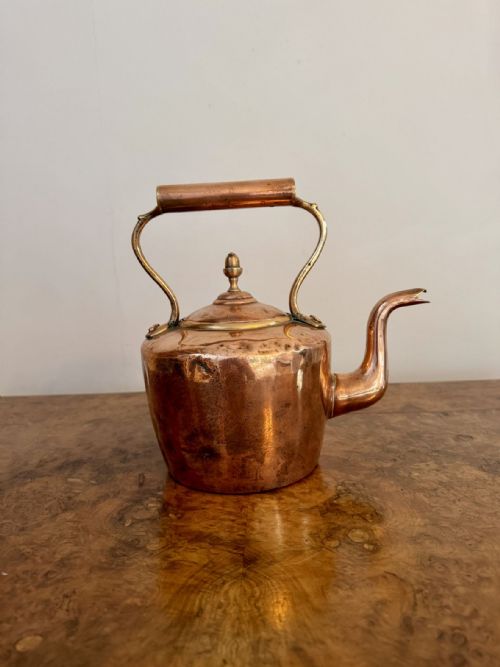
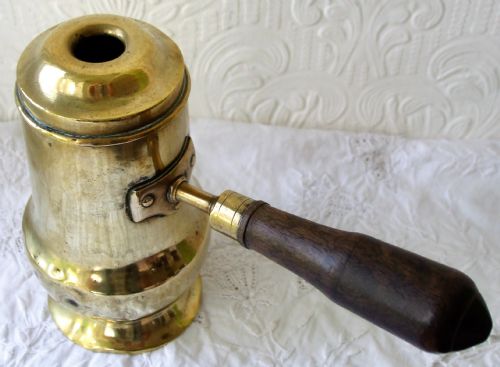
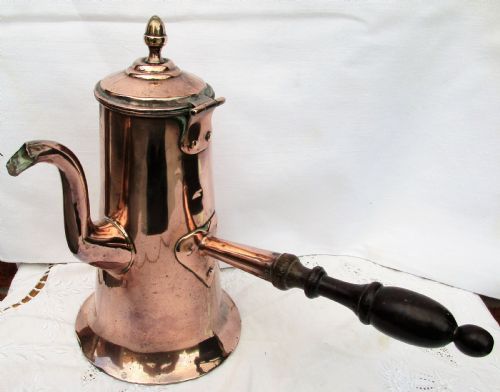
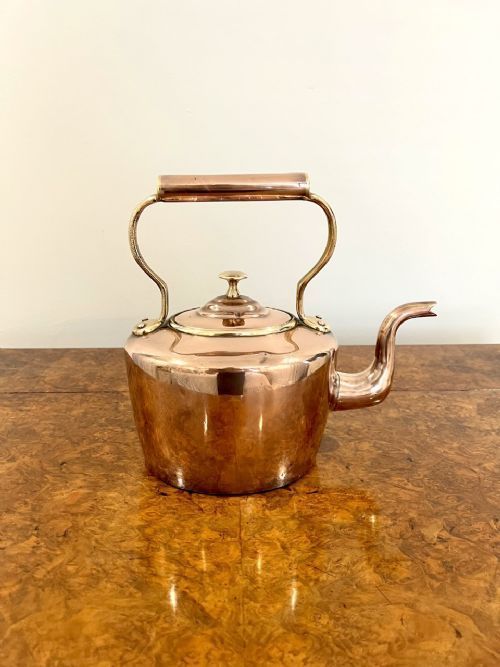


Georgian Brass Kitchenware
Georgian brass kitchenware delivers solid utility and warmth to any interior through sturdy kettles, pans and mortars.
Georgian Brass Kitchenware
When you search for georgian brass kitchenware, you encounter domestic metal items originating chiefly from the eighteenth century and the George III period. These artefacts range from heavy mortars and pestles to spice shakers, skimmers and oval shaped kettles.
The objects most frequently met on this page include copper and brass kettles alongside utilitarian pots and pans. Such pieces reflect the functional demands of historic kitchens before modern metalworking standardised household utensils.
Origins vary between English workshops and continental makers such as Dutch pieces, reflecting trade and domestic use across the period. Their forms remain purposeful, designed for boiling water, grinding spices and preparing food over open hearths.
How they were made
Makers utilised cast bronze, bell metal and brass alongside hammered copper sheets to construct these functional kitchen items. Heavy mortars relied on casting techniques to achieve thick walls capable of withstanding the force of a pestle.
Kettles and pots combined brass and copper components, often incorporating iron handles or wooden insulators to manage heat. Sheet metal was shaped and joined mechanically or through early soldering methods appropriate for daily kitchen tasks.
The selection includes utilitarian forms such as kettles, coffee pots, mortars, pestles, skimmers and spice shakers.
What varies in quality
Wall thickness and weight determine the substance of surviving vessels, with heavier cast mortars and substantial copper pans representing superior utility. Thinner metal surfaces show the wear of heavy scrubbing and centuries of use.
Originality of components, including handles, lids and pestles, separates intact pieces from those with later replacements. The crispness of cast detail on spice shakers and the integrity of joints on kettles further distinguish finer examples.
The Georgian Brass Kitchenware Glossary
- Bell metal
- An alloy of copper and tin traditionally used for heavy kitchen mortars and culinary vessels. It produces a resonant tone when struck and offers high durability.
- Mortar and pestle
- A heavy bowl and club-shaped tool used for crushing and grinding spices or ingredients. These items were essential kitchen hardware in domestic households.
- Dredger
- A small perforated container utilised for sprinkling flour, sugar or spices over food. Shakers of this kind often featured screw-on or push-fit lids.
- Skimmer
- A flat, perforated utensil designed for removing fat or scum from the surface of boiling liquids. Examples appear in brass and other durable metals.
- George III
- The period spanning the reign of King George III from seventeen sixty to eighteen twenty. Pieces from this era often display classic proportions and robust construction.
Georgian Brass Kitchenware: Frequently Asked Questions
How were these metal utensils used?
Historic kitchenware served practical roles in food preparation, from boiling water in kettles to grinding seeds in heavy mortars. Skimmers removed impurities from boiling broths, while dredgers applied seasonings.
Most items were intended for active service near or over open fires. Their robust construction ensured they could withstand intense heat and constant handling.
How do I clean old brass kitchenware?
Gentle washing with warm soapy water removes everyday dust and grime without harming the historic surface. Avoid harsh chemical cleaners that strip away the aged appearance.
Preserving the natural patina is standard practice for antique metalware. Over-polishing can remove signs of age and reduce the character developed over centuries.
Are these kitchen items safe to use?
Most antique metal vessels are best retained for display or decorative collections rather than modern cooking. Historic alloys may contain trace elements that are unsuitable for food preparation today.
Displaying them in a kitchen or dining space highlights their historical form and craftsmanship. They add warmth and texture to traditional and modern interiors alike.
How can I tell George III pieces apart?
George III items typically exhibit restrained proportions and hand-finished details characteristic of late eighteenth and early nineteenth-century production. Shape, weight and construction methods help distinguish them from later Victorian copies.
Examining the joins, metal composition and wear patterns provides further clues to age and origin. Comparing pieces side by side clarifies these subtle period differences.