


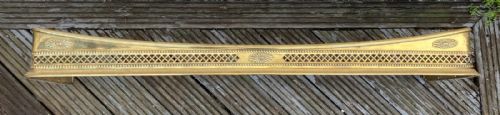


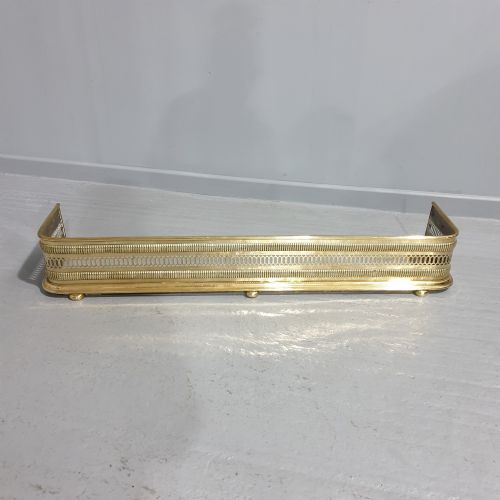
Georgian Brass Fire Guard
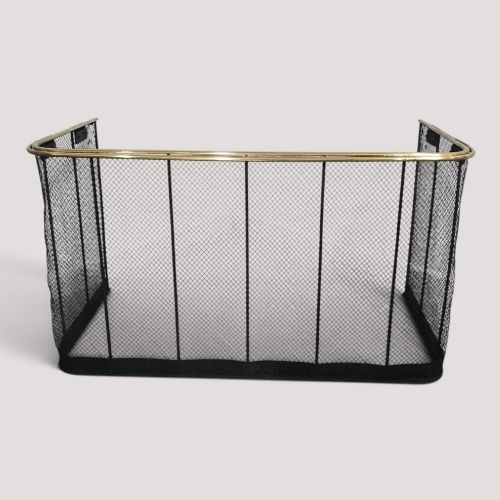
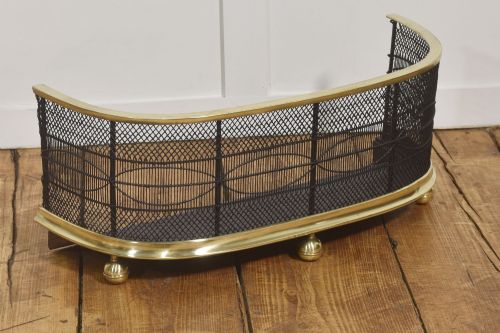
A georgian brass fire guard protects a room from stray embers while bringing refined metalwork to the hearth.
Georgian Brass Fire Guard
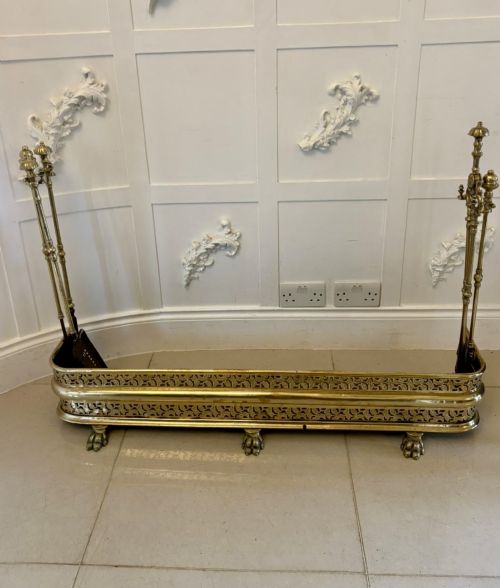
When you search for a georgian brass fire guard, you encounter functional hearth furniture designed to contain sparks and coal debris. The selections span club fenders, nursery guards, pole screens, and kerb fenders originating across the Georgian, Regency, and Victorian eras.
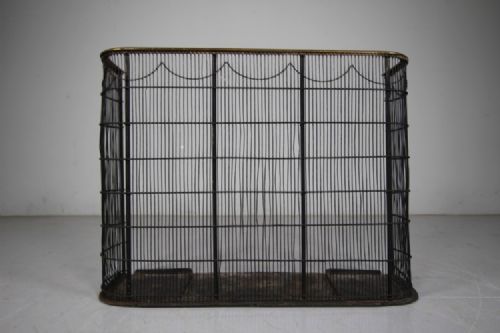
You are most likely to meet sturdy brass frames paired with woven iron wire or mesh panels. Many examples incorporate polished steel, cast brass, or rosewood components to frame the hearth space securely.
The objects range from simple protective barriers with railed designs to ornate fireplace accessories featuring pierced brass work and needlework panels. These pieces served both a practical safety function and a decorative role in period interiors.
How they were made
Makers constructed these hearth furnishings using heavy sheet brass, cast brass, and polished steel frameworks. Woven iron wire and fine wire mesh formed the protective screens that blocked flying sparks from open coal fires.
Structural elements frequently incorporated iron components for added weight and stability around the fireplace. Finer items combined rosewood framing with delicate needlework or poker work panels, held together by traditional joinery and metal fittings.
The listings combine brass, iron, steel, and rosewood across Georgian, Regency, and Victorian periods.
What varies in quality
The standard of a piece depends on the weight and gauge of the brass used in its frame. Thicker cast components and tightly woven wire mesh indicate a higher grade of manufacture than lighter, stamped alternatives.
Design execution distinguishes standard utilitarian guards from finer decorative examples. Subtle details such as pierced brass motifs, well-turned rosewood supports, and harmonious proportions elevate the visual impact of the hearth.
The Georgian Brass Fire Guard Glossary
- Fire guard
- A protective barrier placed in front of an open fireplace to contain sparks and burning embers. These pieces often feature wire mesh or iron wire panels.
- Fender
- A low metal frame placed on the floor around the hearth to keep coals within the fireplace area. They frequently incorporate brass rails and steel bases.
- Pole screen
- A freestanding screen with an adjustable vertical panel mounted on a pole, used to shield the face from radiant fire heat. Panels often display needlework or poker work.
- Club fender
- A low, padded or railed hearth fender that provides extra seating close to the fire. They combine brass structures with iron and upholstery elements.
- Pierced brass
- Metalwork decorated by cutting or punching decorative patterns through the sheet brass. This technique allows heat to pass while maintaining a barrier.
Georgian Brass Fire Guard: Frequently Asked Questions
What is a club fender?
A club fender is a sturdy hearth frame featuring a low barrier, often with padded top rails for seating near the fire. They combine brass and iron construction to create a functional perimeter around the fireplace.
These pieces allowed occupants to sit close to the warmth while keeping sparks safely contained within the hearth area.
How do I clean antique brass?
Antique brass responds best to gentle dusting and occasional cleaning with a soft cloth to preserve its historic surface. Avoid harsh chemical polishes that strip away the aged patina accumulated over decades.
Maintaining the original finish preserves the character and visual depth of the metalwork.
What is a pole screen used for?
A pole screen protected a person's face from the intense glare and heat of an open coal fire. The adjustable panel could be raised or lowered along a vertical wooden pole as needed.
These screens combined practical utility with decorative needlework or wooden panels displayed near the hearth.
Are these guards safe for modern fires?
These historical guards were built for period coal or wood hearths and provide a physical barrier against large embers. Modern safety standards may require careful assessment depending on the type of active fire used.
Many buyers utilise them for decorative presence or alongside electric and gas hearth installations.
How do I date a brass fender?
Dating relies on examining construction methods, metal casting techniques, and stylistic markers such as Regency curves or Georgian pierced patterns. Stamped components and specific wire gauges often point towards later nineteenth-century production.
Comparing the materials, such as the presence of polished steel or rosewood, helps place the item within its correct period.