

Georgian Brass Cellarette
A georgian brass cellarette brings the refined drinking customs of eighteenth-century dining rooms directly into a modern interior.
Georgian Brass Cellarette
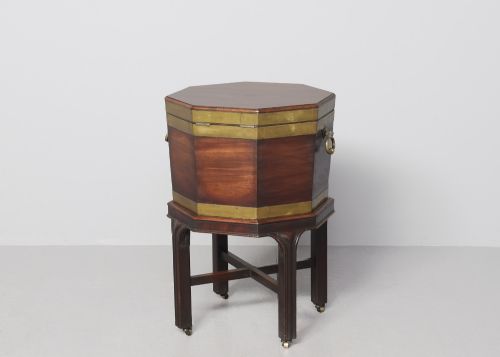
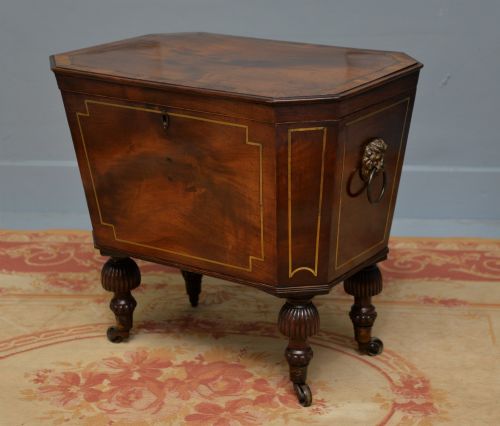
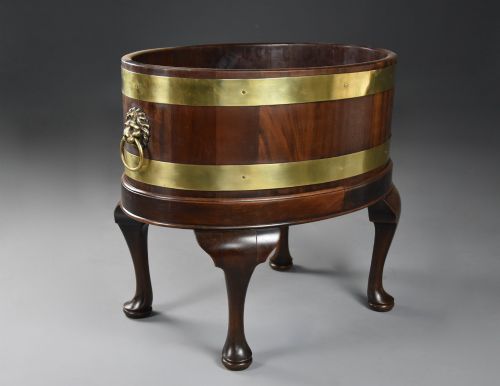
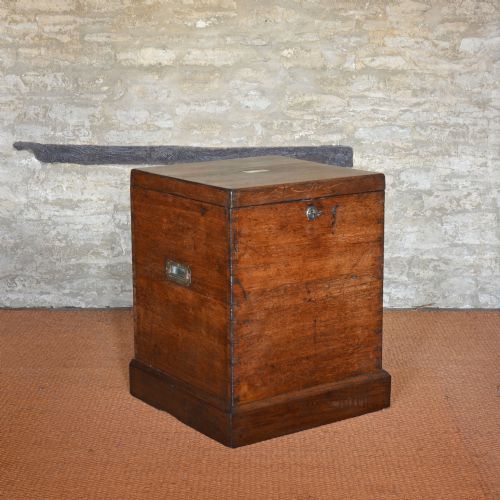
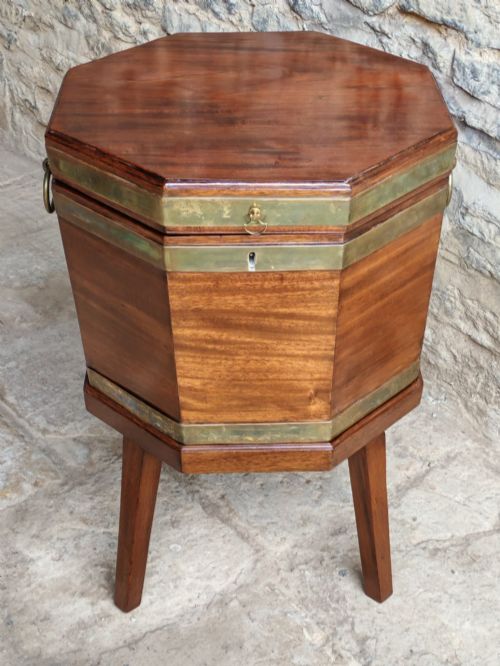
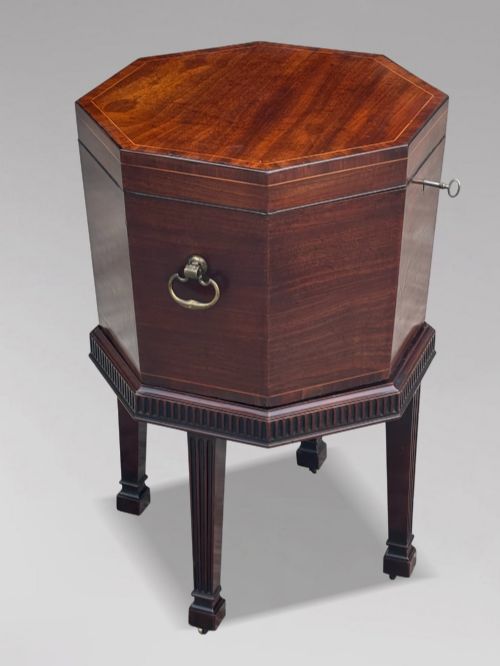
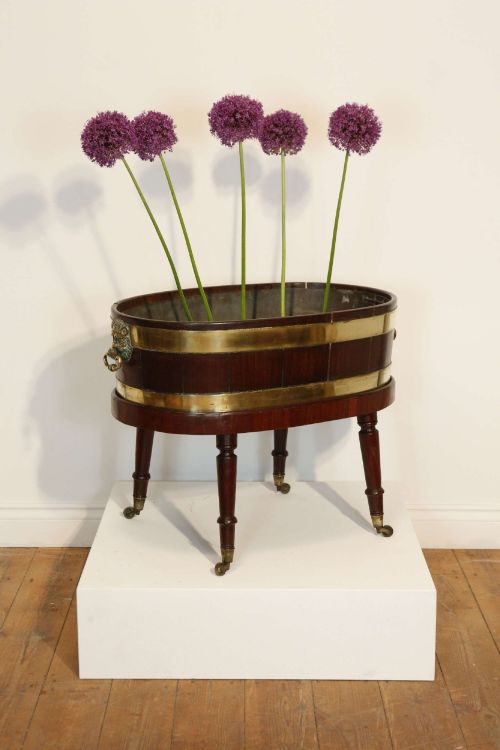
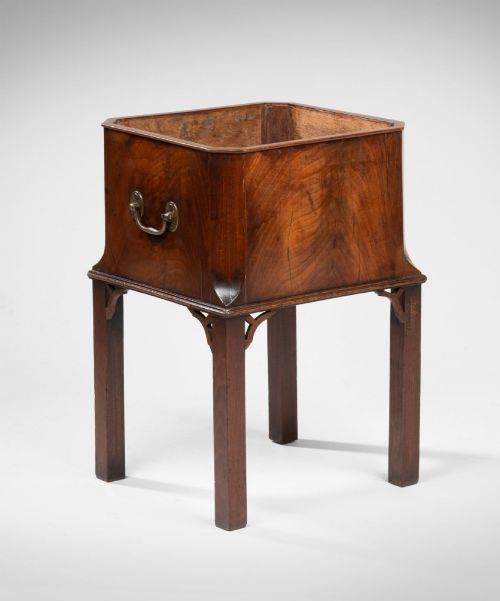
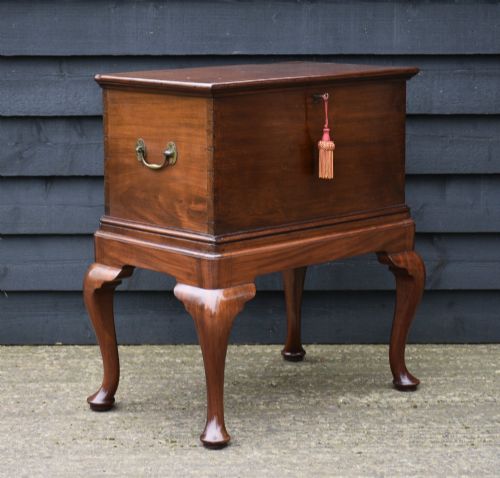
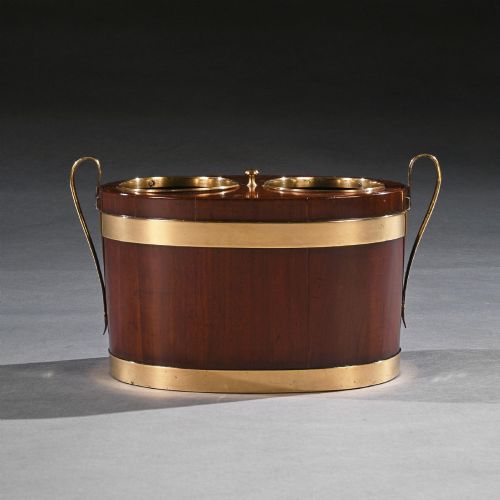
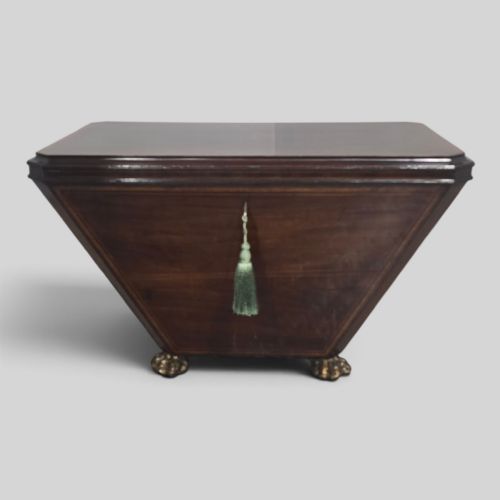
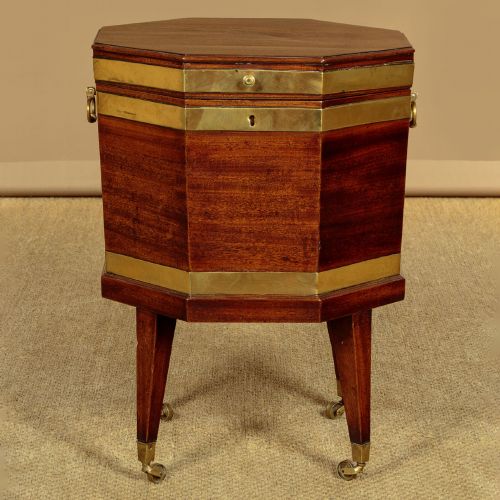
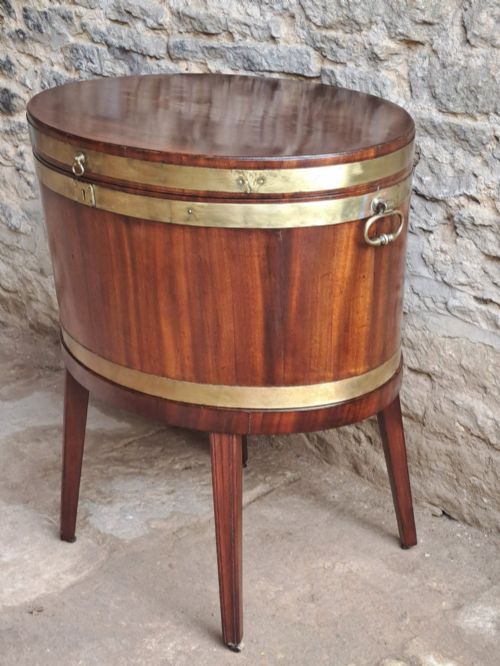
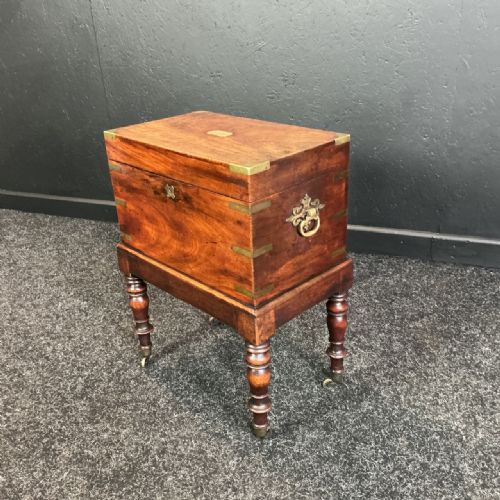
When you search for a georgian brass cellarette, you are looking at substantial timber storage vessels designed to hold bottles and cool wine during formal dining. These pieces stand on original table bases, low stands, or floor legs, functioning variously as octagonal coolers, oval bins, and sarcophagus forms.
The versions you are most likely to meet on this page date predominantly from the eighteenth century and the Regency period, constructed primarily in rich mahogany with characteristic metal banding. Makers also shaped them from walnut, satinwood, and padouk, producing matching containers that double as planters or jardinières.
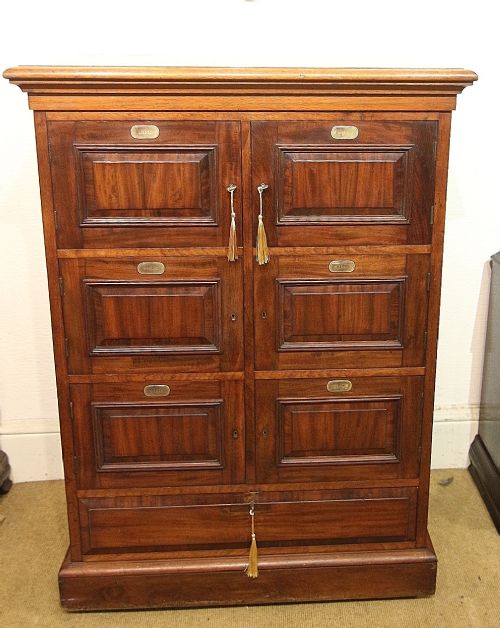
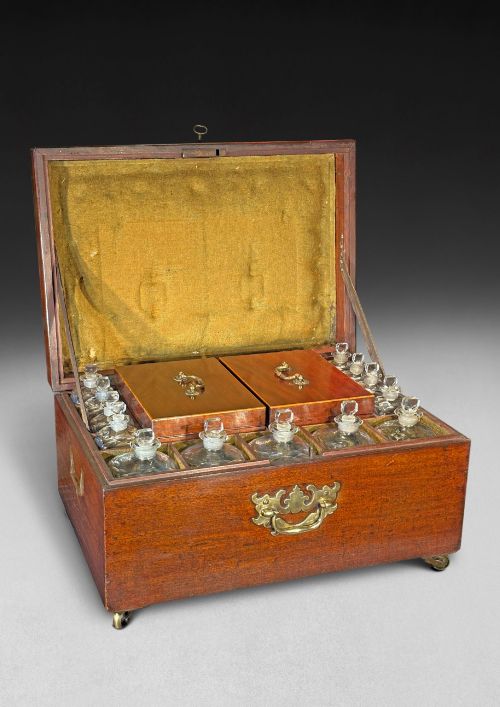
Object types span simple decanter boxes and open wine coolers to elaborate inlaid sideboards and fitted spirit cellarets. Their primary purpose was to keep wine chilled near the dining table using internal metal linings while locking away prized vintages.
How They Were Made
Cabinetmakers constructed these vessels using traditional coopering techniques similar to barrel-making, joining solid vertical staves of mahogany, walnut, or padouk to form sturdy oval or octagonal bodies. This method allowed the timber to expand and contract naturally without splitting under the weight of liquid and ice.
Polished brass bands and straps encircling the timber added both structural reinforcement and sharp visual contrast against the dark wood grains. Craftsmen integrated zinc or metal liners internally to hold water and ice securely, while exterior surfaces often received fine boxwood stringing, kingwood marquetry, or intricate inlay.
Georgian Brass Cellarette Retail Price Guide 2026
Typical asking prices for georgian brass cellarette among the pieces listed under this phrase on Sellingantiques today, from the lower quarter to the upper quarter. They describe what is for sale here now, not the wider market.
Listings feature eighteenth-century and Regency periods, utilising primary materials such as mahogany, brass, zinc, walnut, and satinwood.
What Varies in Quality
Quality rests heavily on the integrity of the timber selection and the precision of the coopering work. Superior examples display tightly figured mahogany grains, crisp brass binding with original fixings, and untouched patination built up over centuries of care.
The presence of matching original stands elevates a piece significantly above loose boxes that have lost their bases. Finer workshops employed delicate stringing, satinwood crossbanding, and sophisticated sarcophagus or oval proportions that separate standard utilitarian storage from high-style dining furniture.
Edwards and Roberts
The Georgian Brass Cellarette Glossary
- Cellarette
- A lockable container used for storing wine bottles near the dining table. They frequently feature internal divisions for individual bottles.
- Coopered
- Built using curved wooden staves joined tightly together by skilled barrel-makers. This technique provides exceptional strength for holding heavy liquid contents.
- Jardiniere
- An ornamental pot or stand designed to hold plants and flowers. Many wine coolers were later adapted for this dual purpose in Victorian interiors.
- Sarcophagus
- A heavy, monumental coffin-like form popular during the Regency period. These vessels usually feature bold carved paw feet and hinged domed lids.
- Stringing
- Fine inlay work consisting of thin strips of contrasting wood fitted into shallow channels. It outlines panels and emphasises the geometric geometry of the piece.
Georgian Brass Cellarette: Frequently Asked Questions
What is a georgian brass cellarette used for?
These vessels originally held wine bottles and ice water beneath the dining table during formal meals. Servants would draw bottles from the lined interior as needed.
Today, collectors repurpose them as statement side tables, fireside storage boxes, or planters for large indoor houseplants.
How do I tell a cellarette from a wine cooler?
The terms overlap frequently in historical records, but traditional cellarettes often included locking mechanisms to secure expensive spirits from household staff. Wine coolers typically remained open-topped or simply lidded for ice immersion.
Both forms share the heavy timber construction and metal banding characteristic of period dining room furniture.
Are original stands important for these pieces?
Original stands dramatically improve the historical integrity and visual balance of the object. Many pieces survived separately from their original matching bases over the centuries.
Finding a vessel resting on its correct period table stand or leg frame is increasingly uncommon.
How should I care for the brass and mahogany?
Maintain the timber surfaces with traditional beeswax rather than modern silicone polishes to preserve the authentic antique patination. Avoid excessive moisture on unlined wood sections.
Clean the brass bands gently without removing the aged metallic character that develops over generations.