

Georgian Brass Bracket
A georgian brass bracket timepiece brings precision movement and architectural presence to a room, driven by brass fittings and rich timber cases.
Georgian Brass Bracket
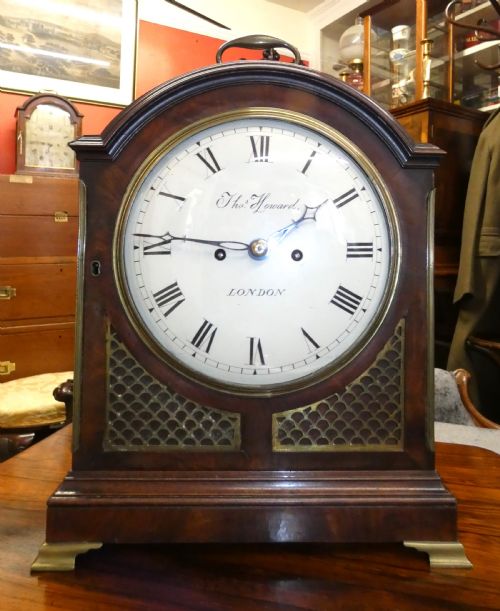
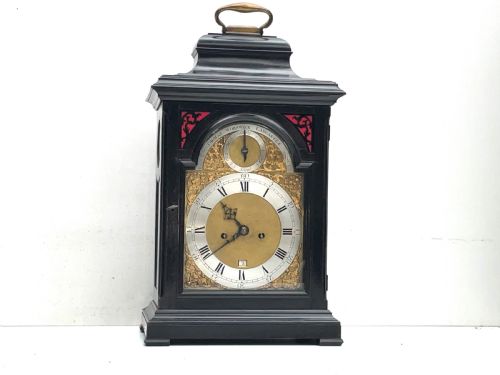
When you search for a georgian brass bracket, you encounter horological pieces and structural mounts from the eighteenth and nineteenth centuries. The selection encompasses bracket clocks housed in mahogany or walnut cases alongside occasional wall sconces and drawer fittings equipped with brass handles and feet.
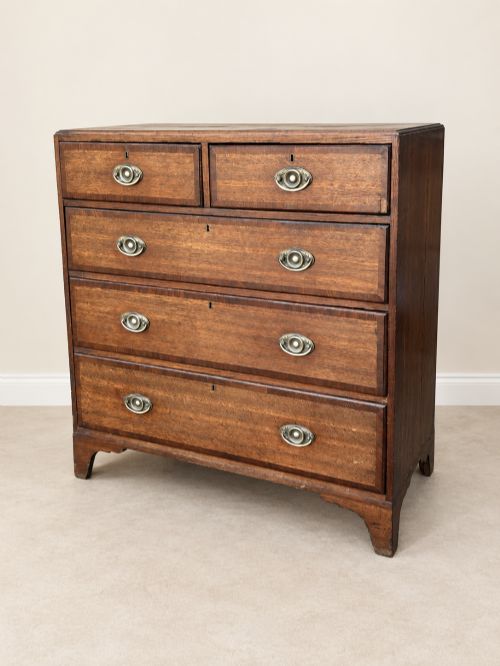
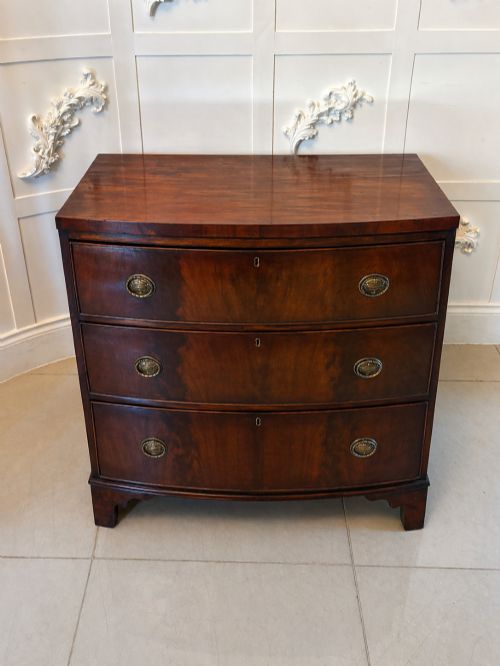
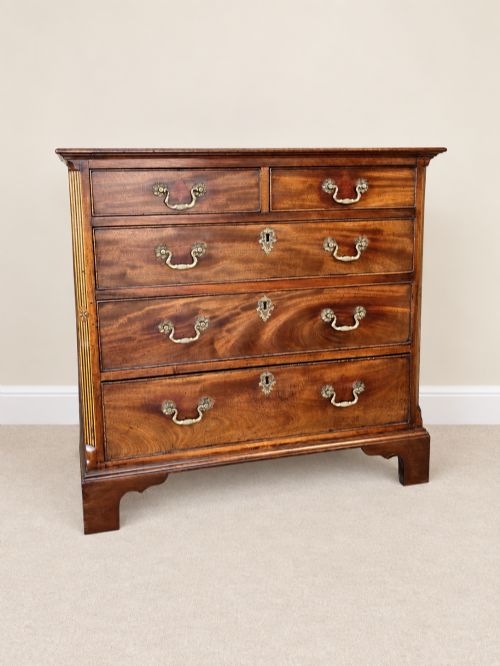
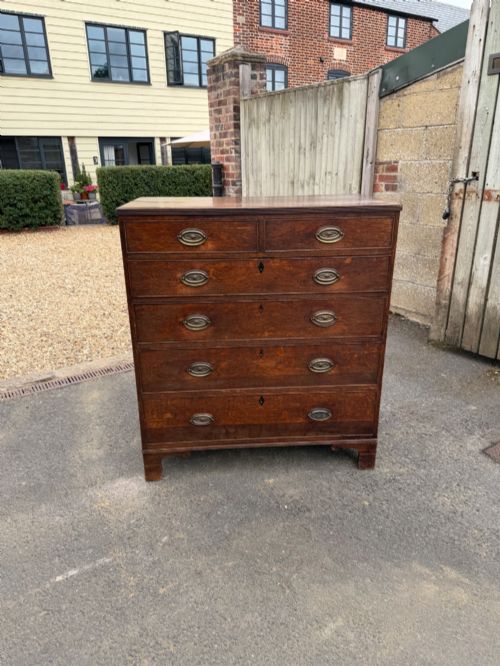
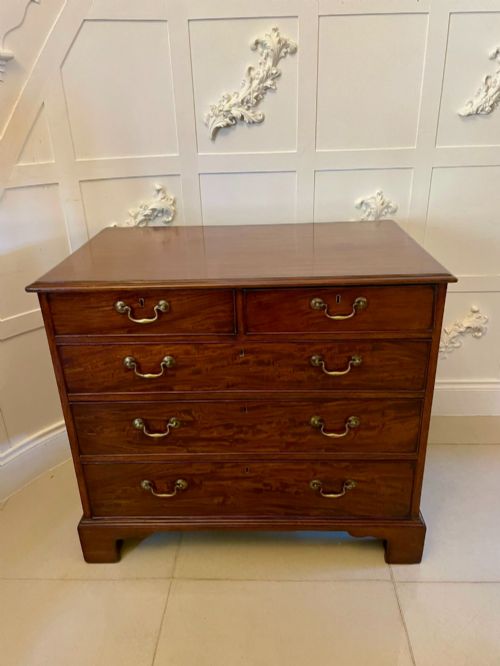
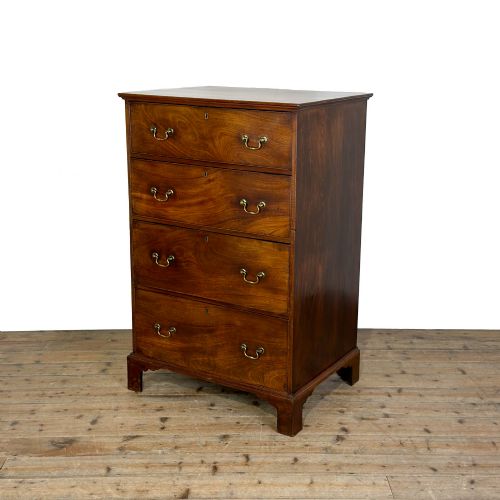
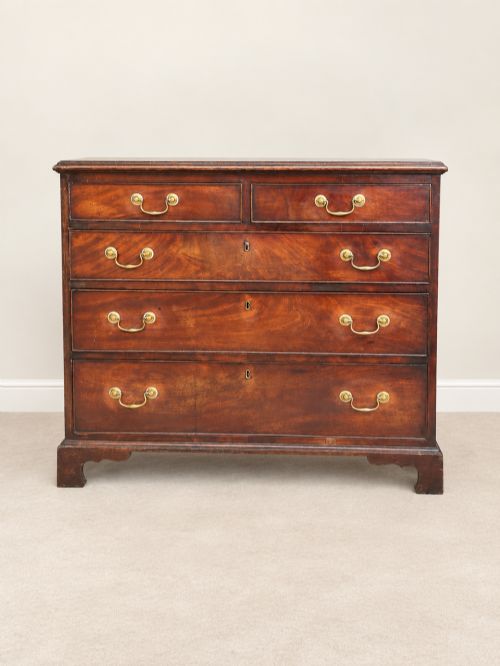
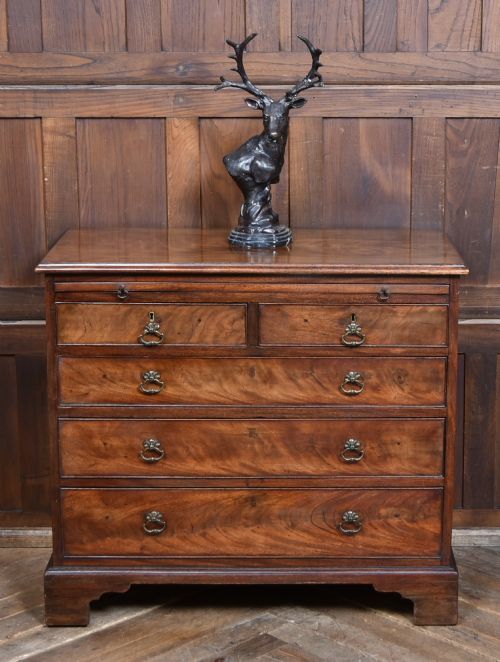
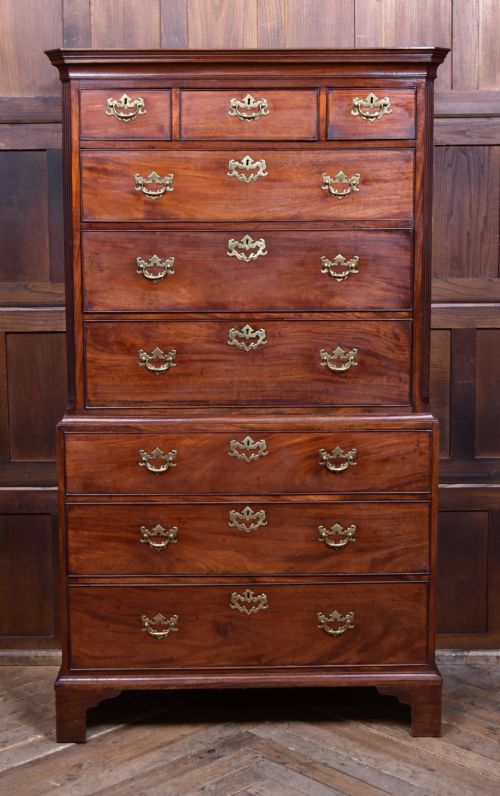
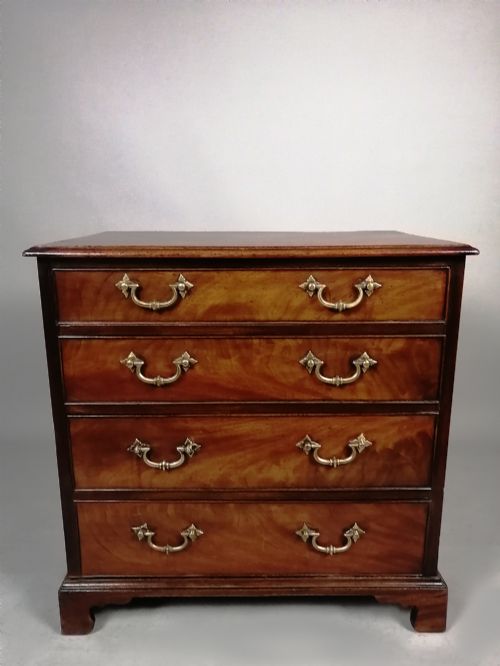
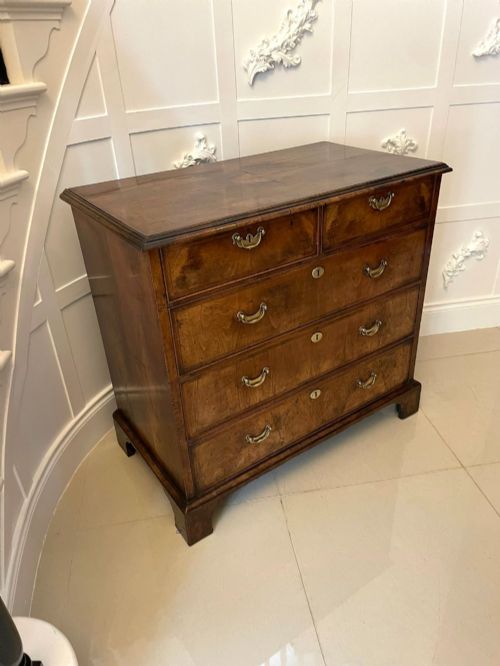
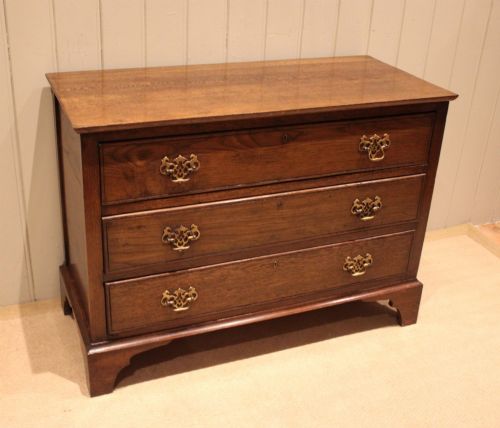
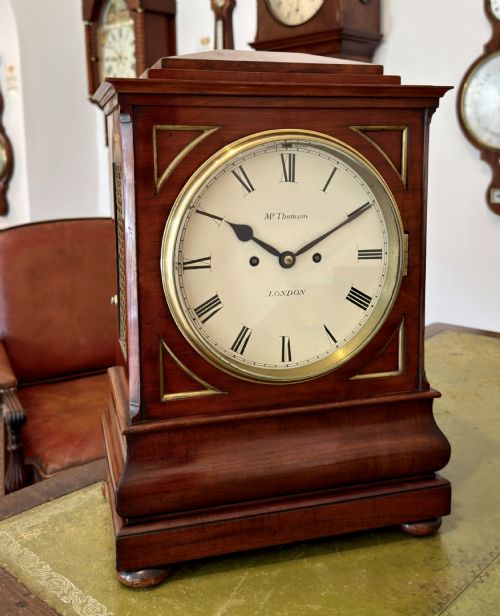
You are most likely to meet striking bracket clocks from the Georgian and Regency periods, often featuring fusee movements and brass dial work. Alongside these timepieces, chest of drawers listings frequently display original brass handles and bracket feet that define the period aesthetic.
The objects span table clocks by notable makers and case furniture incorporating brass escutcheons and carrying handles. These items reflect the domestic utility and decorative arts of traditional English interiors.
Distinctions in quality and execution
Quality rests upon the crispness of brass casting on dial spandrels, handles, and mounts, alongside the fidelity of the timber grain used in the case. Finer pieces demonstrate hand-engraved dial signatures, fire-gilded brass components, and secondary timbers chosen with care.
The integrity of the clock movement and the retention of original brass hardware elevate an example above standard production. Surviving verge or fusee movements operating with original components separate workshop masterpieces from later adaptations.
Listings combine mahogany, walnut, and oak furniture with brass-mounted bracket clocks from Georgian, Regency, and Victorian periods.
Thomson of London·Elliott London·Comitti Of London·J Moorcroft·William Gard·Webster London·Thwaites and Reed
The Georgian Brass Bracket Glossary
- Bracket clock
- A portable spring-driven clock designed to sit on a bracket or table. These timepieces typically feature a carrying handle on top and glazed side panels to display the movement.
- Fusee
- A conical pulley used in clock and watch making to maintain even force on the gear train as the mainspring unwinds. This mechanism ensures consistent timekeeping.
- Spandrel
- The decorative triangular corner ornament found on clock dials surrounding the circular chapter ring. In Georgian pieces, these are often cast in brass.
- Verge movement
- An early type of clock escapement using a vertical rod with pallets that engage with a crown wheel. It governs the speed of the gear train.
- Brushing slide
- A pull-out shelf fitted above the top drawers of a chest, historically used for brushing clothes or as a writing surface.
Georgian Brass Bracket: Frequently Asked Questions
What is a bracket clock?
A bracket clock is a portable timepiece designed during the seventeenth and eighteenth centuries to be placed on a wall bracket or table surface.
They incorporate spring-driven movements rather than falling weights, allowing them to be moved easily between rooms while maintaining accurate time.
How do fusee movements work?
A fusee movement uses a conical pulley connected to the mainspring via a cord or chain to equalize the driving force.
As the spring loses tension, the chain moves to a wider section of the cone, ensuring steady power reaches the escapement.
Where were brass bracket clocks placed?
These clocks sat on dedicated wooden wall brackets or prominent table surfaces in hallways, libraries, and principal reception rooms.
Their striking mechanisms and polished brass details allowed them to serve as both timekeepers and decorative ornaments.
How to identify a Georgian movement?
Georgian clock movements are characterised by hand-cut brass gears, verge or anchor escapements, and engraved backplates signed by the maker.
Dial faces often feature cast brass spandrels and silvered chapter rings rather than printed ceramic numbers.