


Wrought Iron Bracket
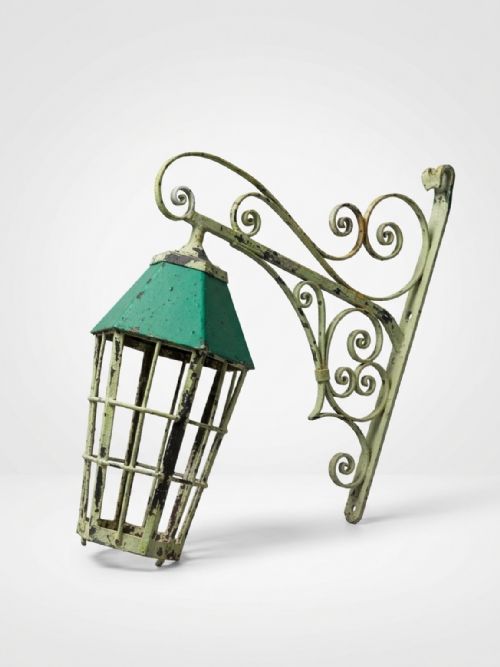
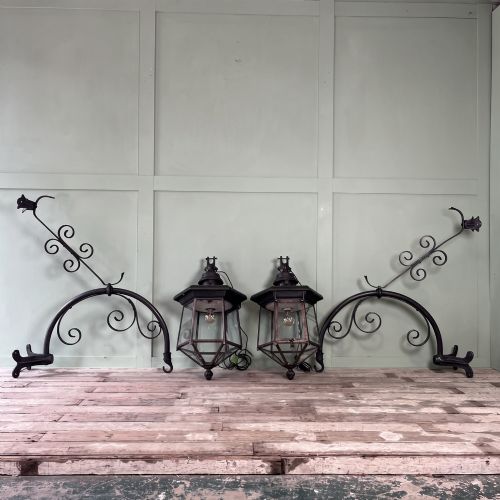
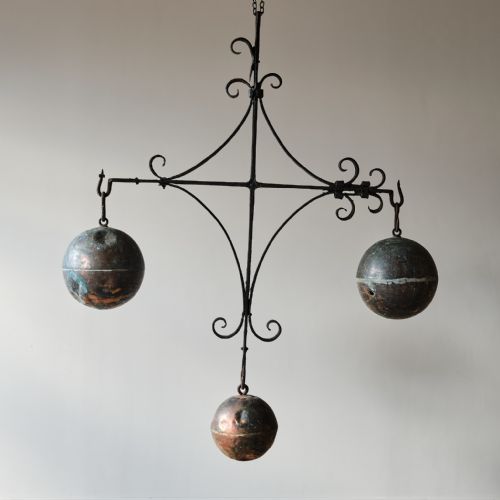
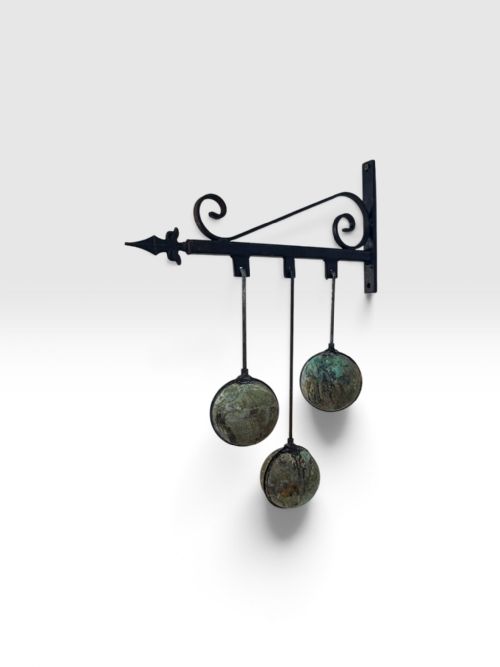
A wrought iron bracket supports heavy trade signs, lanterns and bells with forged strength and clean industrial lines.
Wrought Iron Bracket
A wrought iron bracket is a structural support or hanging arm designed to project from a wall, holding items such as trade signs, wall lanterns and bells. These pieces combine utility with decorative metalwork across various commercial and domestic contexts.
On this page, you will most frequently meet pieces dating from the nineteenth century through the early twentieth century, spanning Victorian, Edwardian and industrial styles. These include architectural salvage and wall sconces alongside dedicated hanging brackets.
The selection ranges from simple functional supports to elaborate Florentine shelves and large commercial sign brackets. Each piece reflects the functional requirements of its original setting, whether a shopfront, school or hallway.
How they were made
Makers shaped wrought iron manually, beating and bending the metal while hot to create sturdy scrolls, arms and mounting plates. This process produced strong, resilient supports capable of bearing heavy loads like copper trade signs and bronze school bells.
Makers often combined wrought iron with other materials such as copper, cast iron, glass, bronze, rope and painted or gilded finishes. Surviving examples sometimes retain their original paint or hand-beaten textures from the forge.
Listings feature wrought iron alongside copper, cast iron, glass, bronze and rope, spanning the nineteenth century through the 1920s.
What varies in quality
Quality in a wrought iron bracket lies in the refinement of the forging, the weight of the metal and the integrity of the design. Heavier, hand-beaten pieces demonstrate superior blacksmithing skill compared to later or simpler commercial forms.
The presence of original associated elements, such as matching copper lanterns, trade signs or bell assemblies, elevates a piece. Evidence of surface treatment, including early paint or gilded metal, also distinguishes finer examples.
The Wrought Iron Bracket Glossary
- Wrought iron
- A tough, malleable form of iron containing slag inclusions, traditionally worked by hand at a forge. It resists fatigue and can be shaped into complex scrolls and brackets.
- Architectural salvage
- Building elements and fixtures rescued from structures slated for demolition or alteration. These items retain historical fabric and original patination.
- Wall sconce
- A light fixture fixed to a wall, often supported by a decorative bracket. Historical examples frequently utilise metal arms to project illumination outward.
- Trade sign
- A visual indicator hung outside a shop or business to advertise services or goods. They often require robust metal brackets for secure suspension.
- Florentine
- A decorative style associated with the art and craftsmanship of Florence. In metalwork, it often denotes ornate scrollwork and classical detailing.
Wrought Iron Bracket: Frequently Asked Questions
How were these brackets originally mounted?
These brackets were securely fixed to exterior masonry or timber shopfronts using heavy bolts or coach screws. The mounting plates typically feature pre-drilled holes designed to bear the cantilevered weight of hanging signs or lanterns.
Inside buildings, smaller brackets were screwed into wall studs or plaster over masonry to support shelves, bells and lighting fixtures.
Can I hang heavy items from them today?
Many of these pieces possess the substantial iron construction required to support considerable weight. However, modern installation depends entirely on securing them into appropriate wall anchors and load-bearing structures.
Assessing the condition of the original mounting plate and metal arm helps determine suitability for supporting contemporary loads.
How do I identify the period of a bracket?
Dating relies on observing construction marks, such as hand-beaten textures versus machine rolling, alongside stylistic indicators like Victorian scrollwork or industrial minimalism. Associated items like trade signs or lanterns often carry period-specific manufacturing traits.
Comparing the assembly methods with dated examples in the archive helps narrow down the era of production.
Are these brackets treated for outdoor use?
Historical brackets often feature protective layers of paint, historical grime or dark oxidation developed over decades of exposure. Some retain remnants of old painted surfaces rather than modern weather-resistant coatings.
Placing iron outdoors today generally requires monitoring for corrosion and applying appropriate conservation treatments where necessary.