
Georgian Bracket Foot
Georgian bracket foot furniture brings enduring cabinet-making craft to storage pieces, offering solid proportions and timeless design.
Georgian Bracket Foot
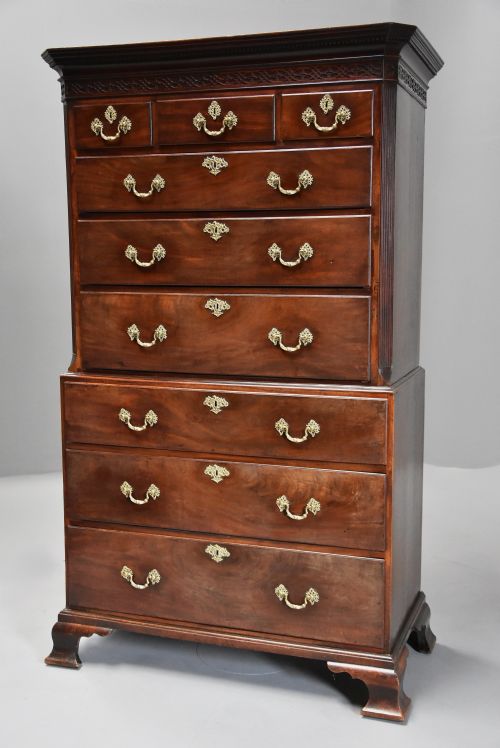
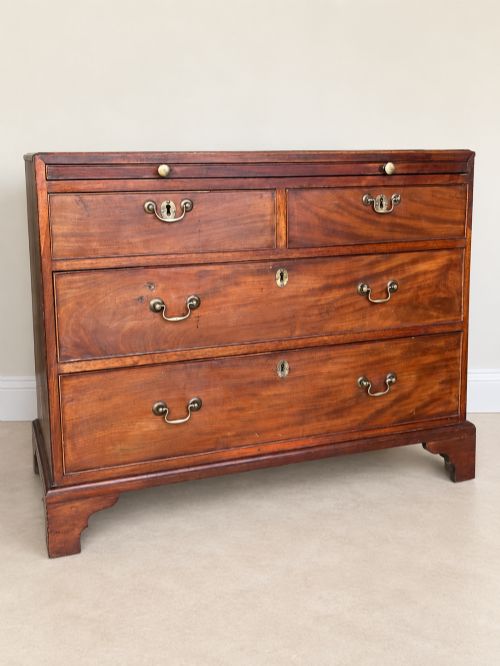
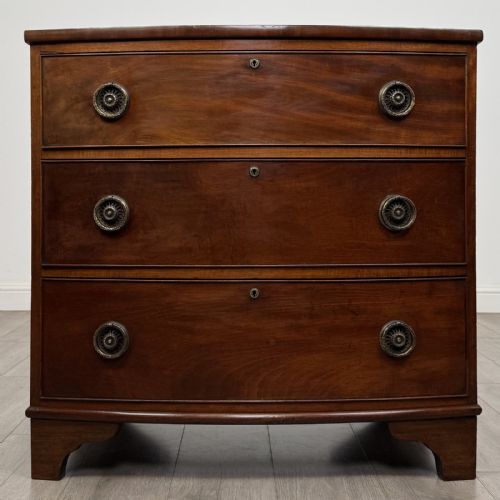
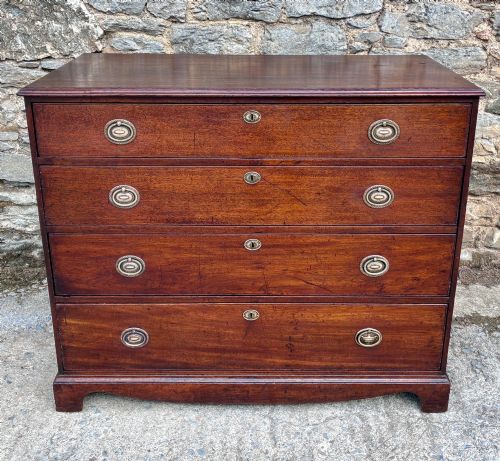
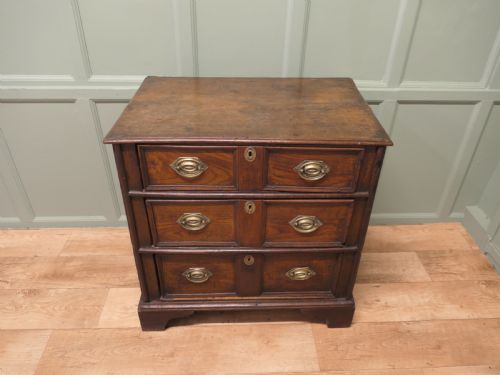
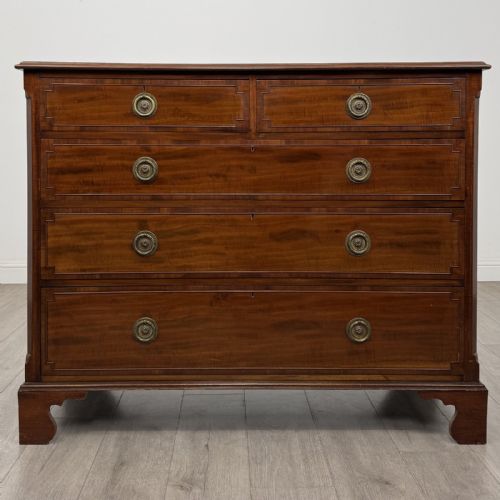
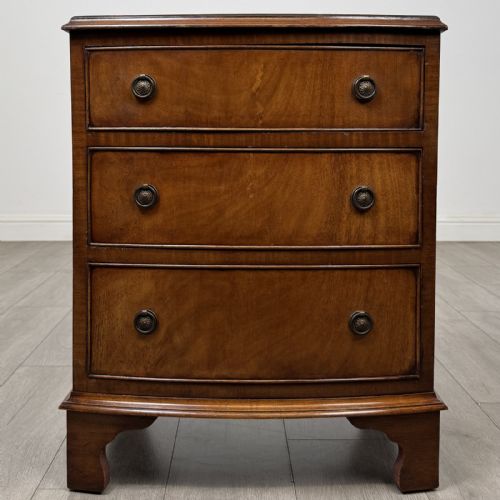
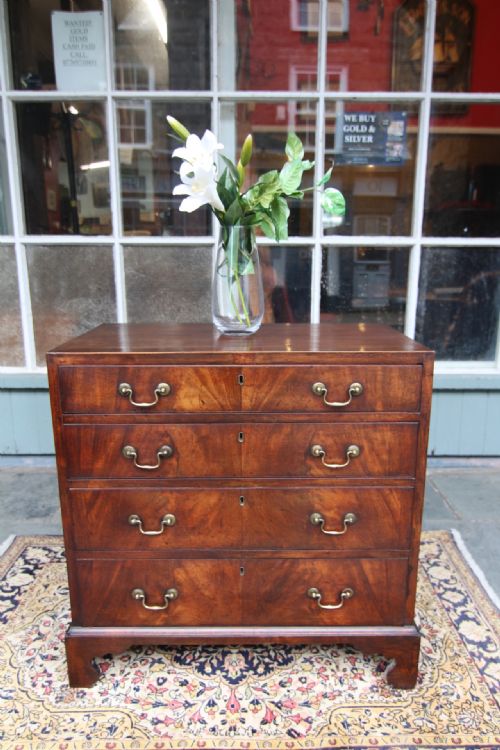
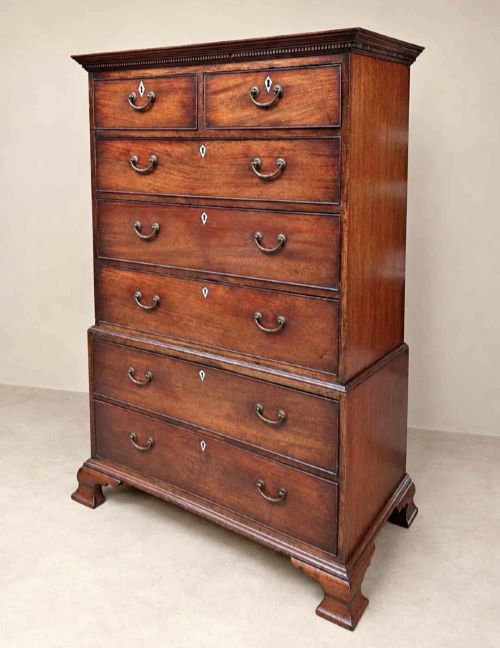
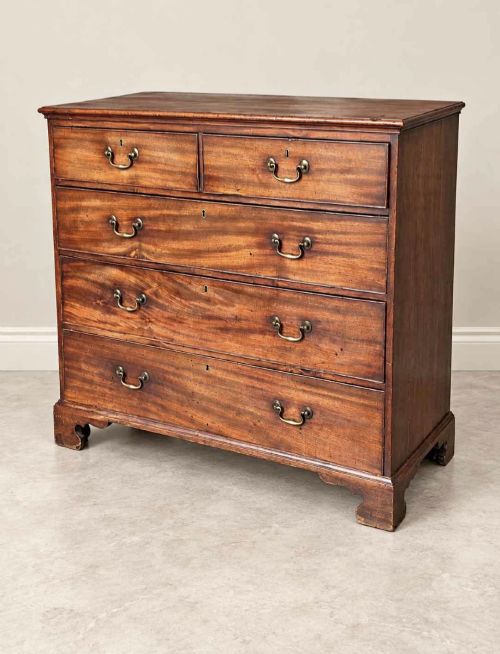
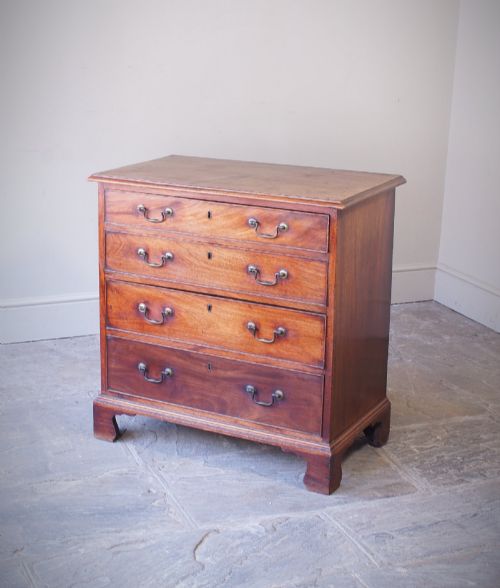
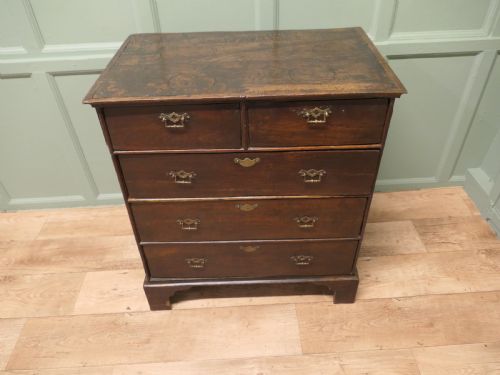
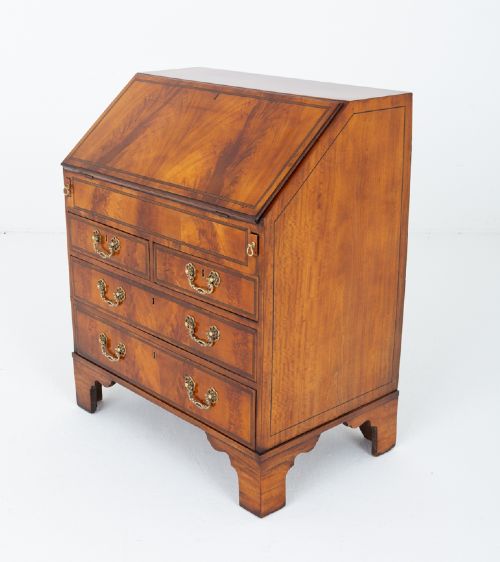
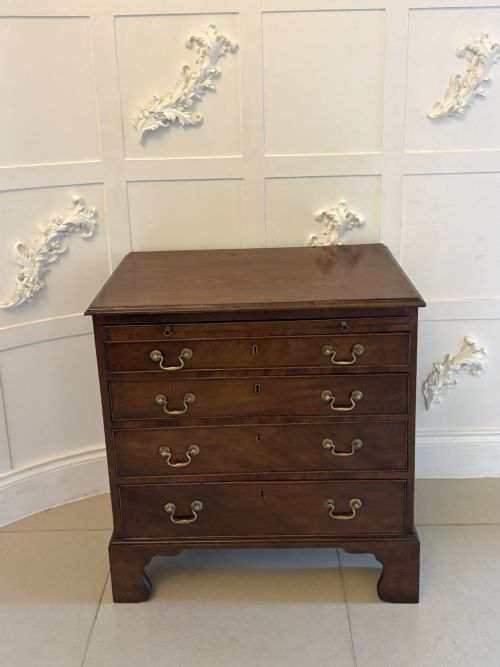
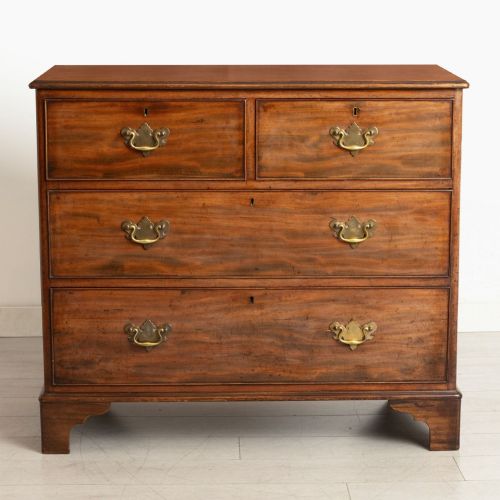
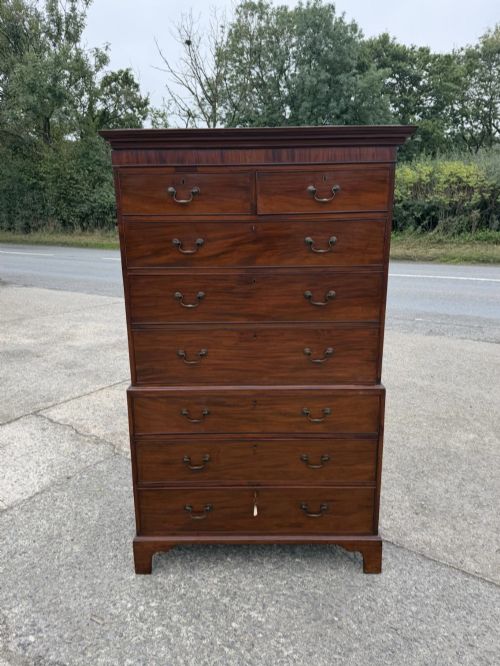
When searching for a georgian bracket foot, you are looking at substantial storage furniture built primarily during the 18th and 19th centuries, alongside later revival pieces. The most common form on this page is the chest of drawers, alongside bureaux, chests on chests, and small desks.
These items emerge from periods spanning George I, George II, George III, and the Regency era, extending through Edwardian and 20th-century revivals. Oak, walnut, and mahogany dominate the offerings, occasionally finished with fruitwood inlay or brass handles.
How they were made
Cabinet-makers constructed these pieces using dense hardwoods like mahogany, oak, and walnut, frequently incorporating burr walnut veneers and pine for internal secondary elements. Surfaces often received crossbanding or fruitwood inlay to accentuate the grain and structural lines.
The characteristic bracket feet support the weight of the case pieces at each corner, joined to the base frame with corner blocks for stability. Brass hardware, including swing handles and escutcheons, completes the functional assembly of drawers and desks.
Listings feature woods including mahogany, oak, walnut, burr walnut, pine, ebonised wood, and fruitwood inlay.
What varies in quality
The grade of timber selected for the primary visible surfaces dictates much of the initial distinction, from plain oak boards to highly figured burr walnut and crossbanded mahogany. Finer examples display meticulous attention to timber matching across drawer fronts and harmonious proportions throughout the carcase.
Construction details such as the integrity of the dovetail joints in the drawers and the retention of original brass handles and bracket feet influence the overall character. Pieces exhibiting unaltered surfaces and period-correct hardware represent the higher tier of surviving examples.
J Moorcroft
The Georgian Bracket Foot Glossary
- Bracket foot
- A corner foot supporting a case piece, shaped like a bracket and mitred at the corner. It provides stable elevation off the floor.
- Chest on chest
- A tall storage unit comprising one chest stacked directly upon a larger base chest. This form maximises vertical storage space.
- Burr walnut
- Timber taken from a walnut tree outgrowth, yielding highly swirled grain patterns. It is sliced into veneers for decorative surfaces.
- Crossbanding
- A narrow strip of veneer applied perpendicularly to the surrounding grain along the edges of drawer fronts. This technique creates a neat border effect.
- Brushing slide
- A pull-out board integrated above the top drawers of a chest or bureau. It served as a surface for brushing clothes or writing.
Georgian Bracket Foot: Frequently Asked Questions
What is a bracket foot?
A bracket foot is a corner support shaped in an L-form that elevates a chest or bureau off the floor. It provides a clean architectural finish to the base of case furniture.
Cabinet-makers shaped these feet by mitring two pieces of timber together at the corner and attaching internal blocks for reinforcement.
How do I date a Georgian chest?
Dating involves examining the timber species, construction methods, and hardware styles. Early pieces often utilise oak or walnut, while mahogany became dominant later in the 18th century.
Drawer construction also offers clues, as hand-cut dovetails and side linings changed in profile and precision over the decades.
Where were these pieces used?
These chests of drawers and bureaux sat primarily in bedrooms, dressing rooms, and studies of Georgian homes. They served to store linens, clothing, and personal documents.
Smaller examples, such as bedside chests and kneehole desks, found placement in narrower rooms and private chambers.
What is a brushing slide?
A brushing slide is a pull-out wooden shelf positioned just beneath the top surface of a chest or bureau. It provided a temporary horizontal platform.
Users pulled out the slide to fold garments or write notes without needing to open the main drawers.