
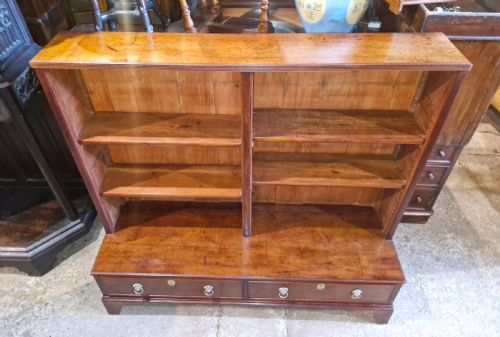
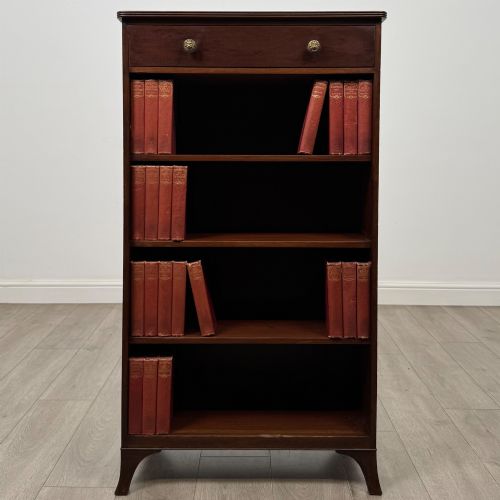
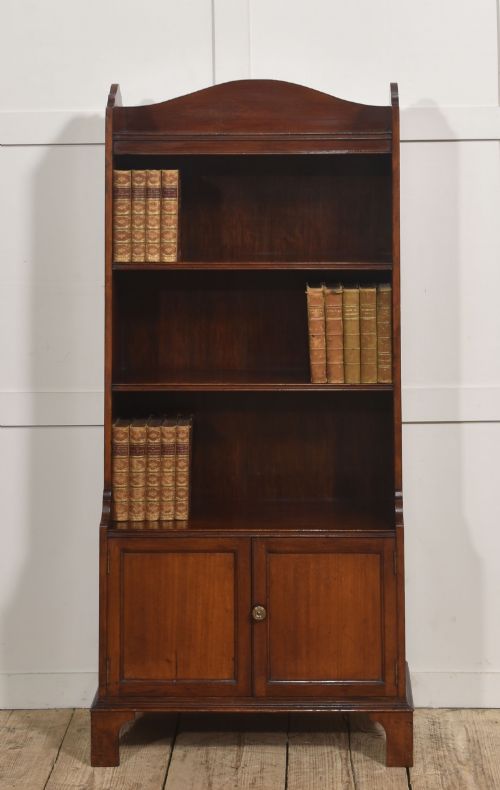
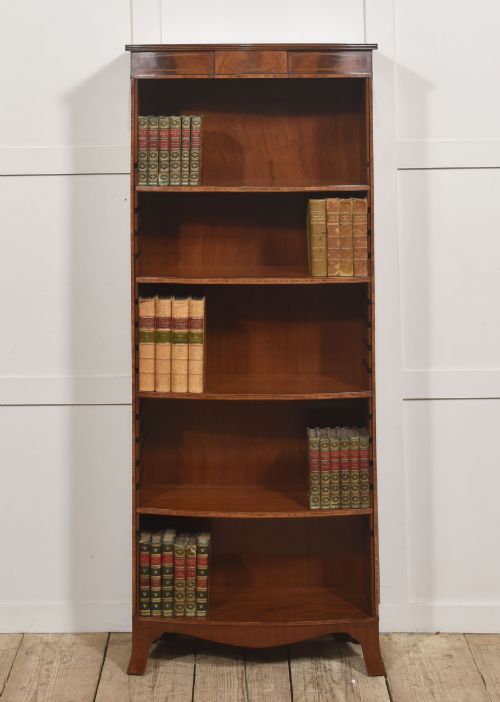
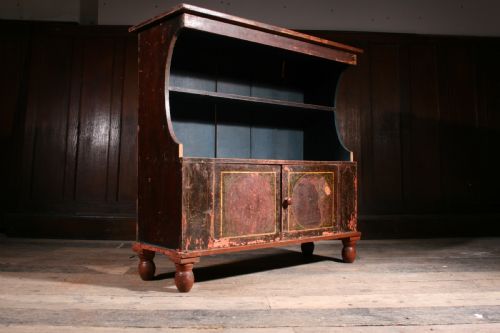


Georgian Bookshelf Cabinet
A georgian bookshelf cabinet combines display and storage, bringing period elegance to a room with practical shelving and enclosed lower cupboards.
Georgian Bookshelf Cabinet
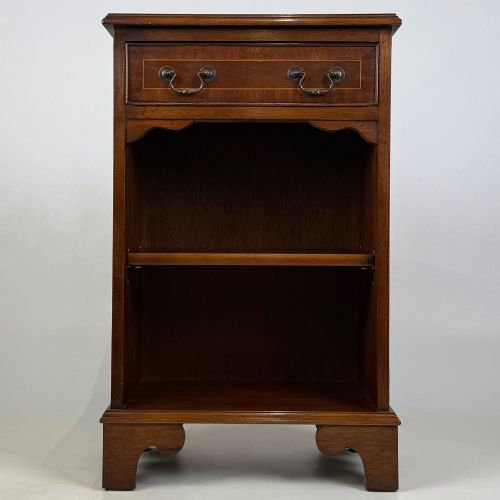
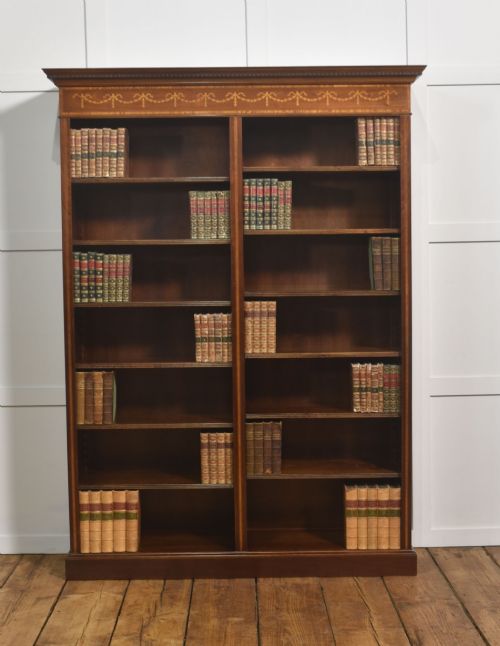
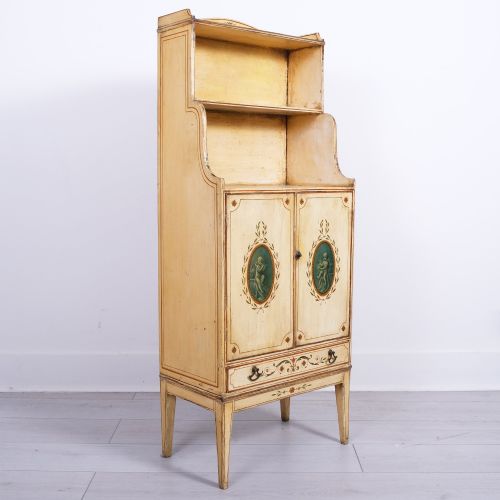
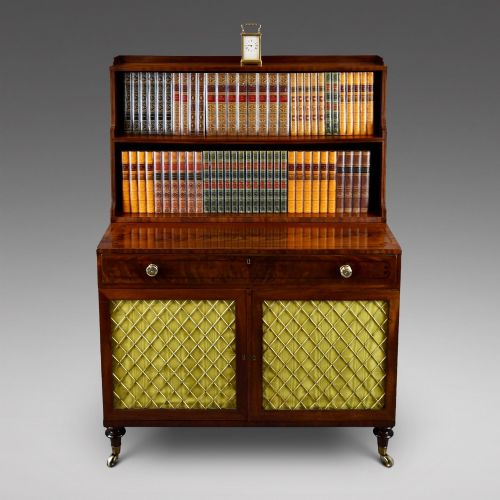
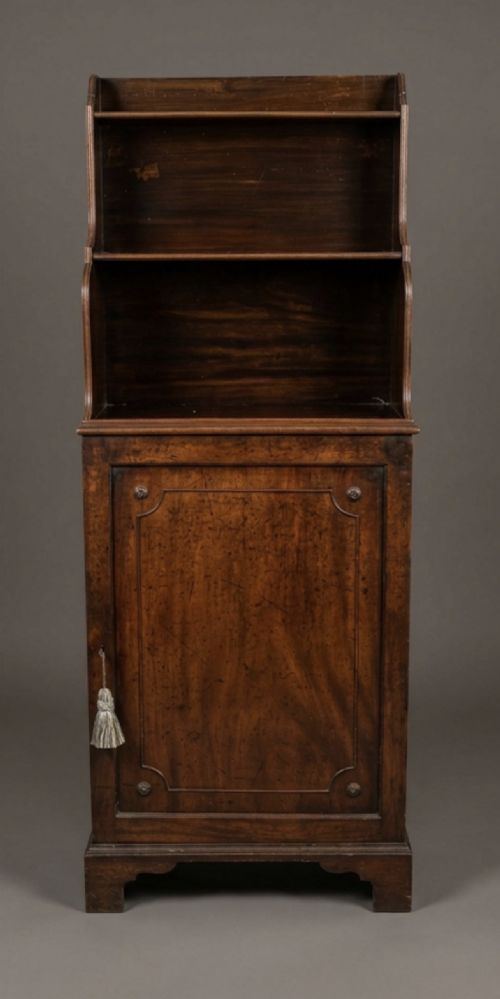
When buyers search for a georgian bookshelf cabinet, they encounter a range of timber furniture designed for housing volumes and displaying decorative objects. The selections span open front designs, waterfall tiers, and configurations featuring lower cupboards.
The pieces appearing on this page stretch from the 18th century through the Regency period and into later Edwardian and 20th century revivals. Mahogany remains the dominant timber, accompanied by rosewood, satinwood, walnut, and painted surfaces.
Construction and materials
Cabinet makers utilised dense hardwoods, predominantly mahogany and flame mahogany, often selecting figured veneers like burr walnut and satinwood for visual depth. Secondary timbers provided internal structure for shelves and drawers.
Surface treatments included original paint finishes, simulated paint effects, and parcel gilt detailing. Inlay work frequently defined friezes and panels on Sheraton revival and Georgian style pieces.
Brass hardware functioned as structural and decorative fittings on doors, drawers, and shelf supports. Marble tops appeared on select cabinetry, while leather lined writing surfaces integrated into drawer pull-outs.
The listings combine 18th century pieces with 19th century Regency examples and 20th century revivals in mahogany, rosewood, and walnut.
Assessing craftsmanship and proportion
The distinction between standard and superior pieces rests on the choice of timber and the precision of veneer matching. Flame mahogany and figured walnut with strong grain patterns elevate a piece above plain variants.
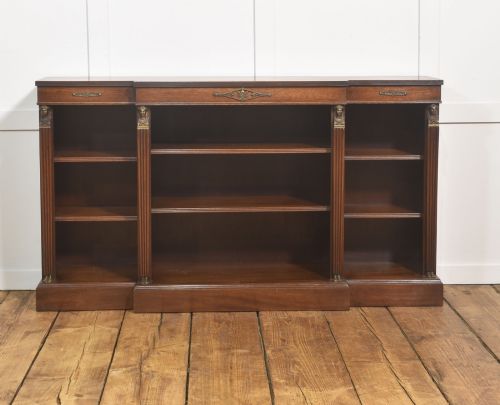
Proportion and scale dictate the visual balance of the cabinet, particularly in breakfront and waterfall configurations. Fine grain inlay and careful timber selection signal workshop capability.
Gillows
The Georgian Bookshelf Cabinet Glossary
- Waterfall bookcase
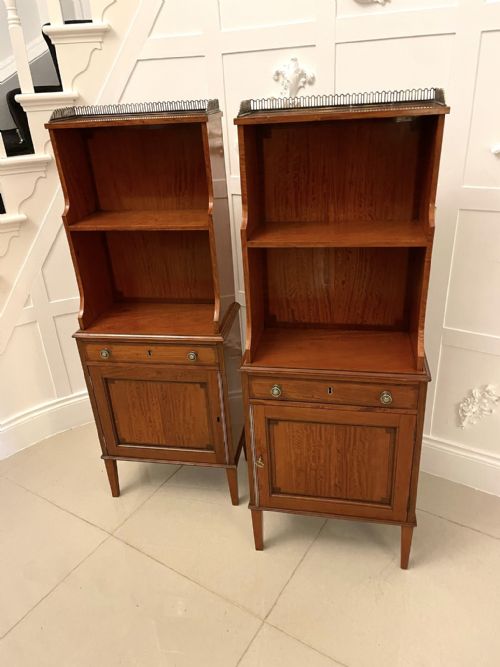
- A tiered shelving unit where each successive shelf steps back from the one below it. These descend in graduated widths towards the top.
- Breakfront
- A piece of furniture where the central section projects forward from the flanking wings. This architectural arrangement creates depth and shadow across the facade.
- Dwarf bookcase
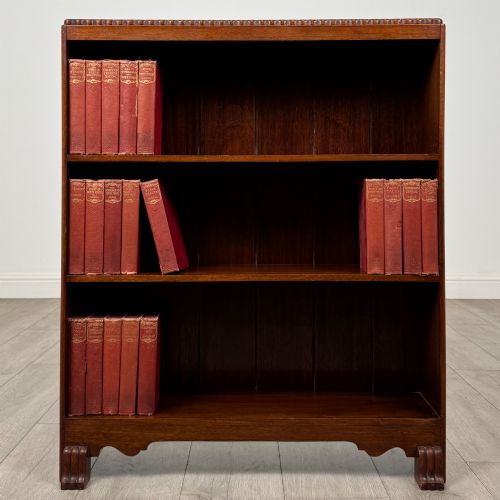
- A low shelving unit designed to sit beneath dado height. These items keep upper wall space clear for art.
- Frieze
- The flat horizontal band situated immediately beneath the cornice or top moulding. Cabinet makers often decorated this area with contrasting wood inlay or painted motifs.
Georgian Bookshelf Cabinet: Frequently Asked Questions
How do I identify a Georgian piece?
Authentic Georgian furniture relies on traditional construction methods, timber ageing, and period joinery techniques. Mahogany and walnut are typical woods from the era.
Revival pieces from the Edwardian era and 20th century often emulate these proportions and styles. Examining the secondary timbers and backboards helps determine the true age.
Where were these cabinets used?
These cabinets served primarily in libraries, studies, and drawing rooms of country houses and town residences. They housed working libraries and displayed valued ornaments.
Lower cupboards provided concealed storage for ledgers and papers. Smaller dwarf versions functioned effectively in reception rooms where full height bookcases proved impractical.
What woods were commonly used?
Mahogany served as the primary structural and visual timber throughout the 18th and 19th centuries. Rosewood, satinwood, and walnut provided rich contrasting grains for decorative finishes.
Selected pieces featured painted surfaces or simulated paint effects. Inlay work incorporated lighter woods to accent friezes and drawer fronts.