

Georgian Blue Transfer Dish
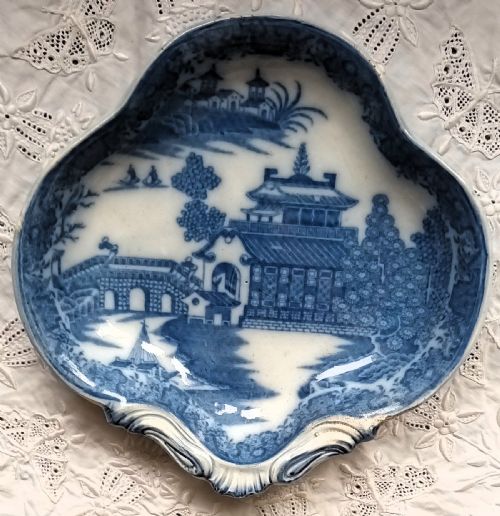
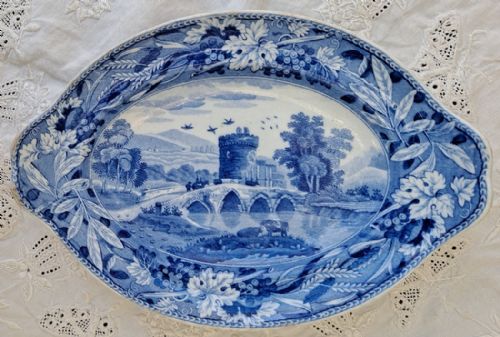
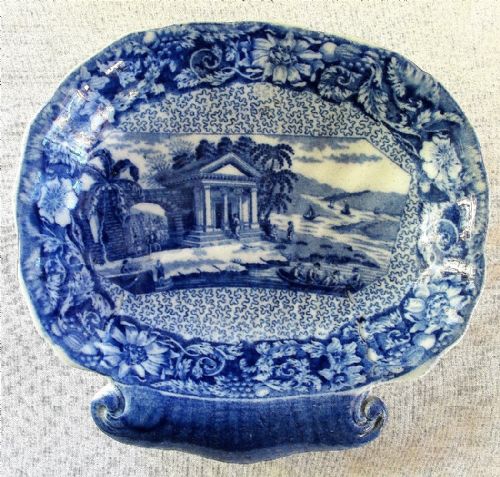
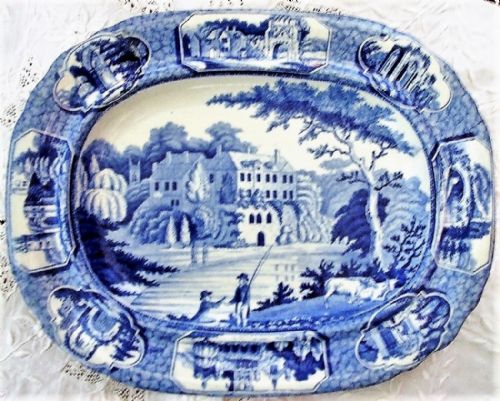
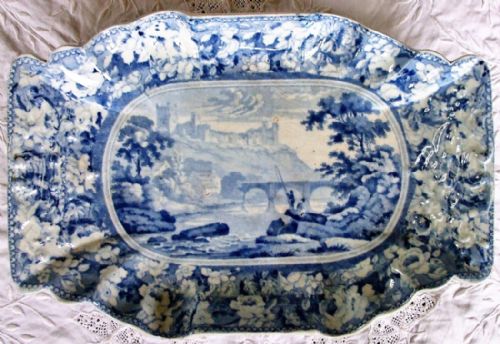
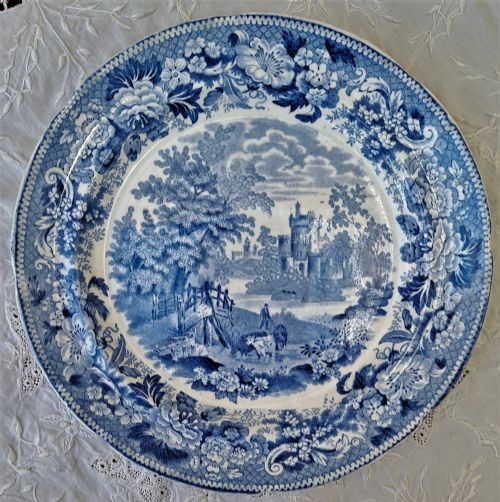
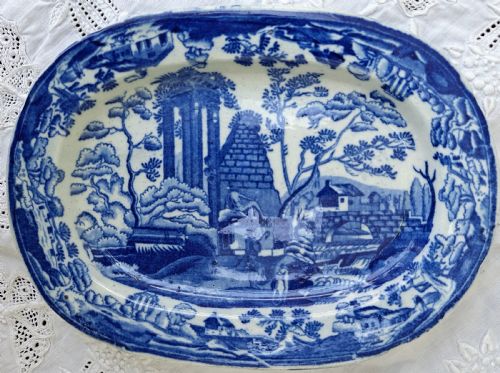
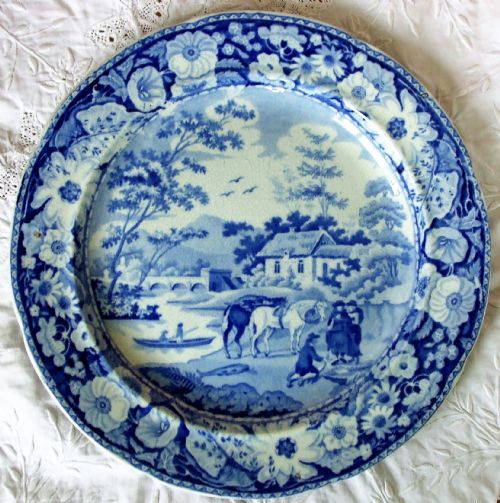
A georgian blue transfer dish brings the depth of cobalt pigment and pictorial landscapes straight to the table.
Georgian Blue Transfer Dish
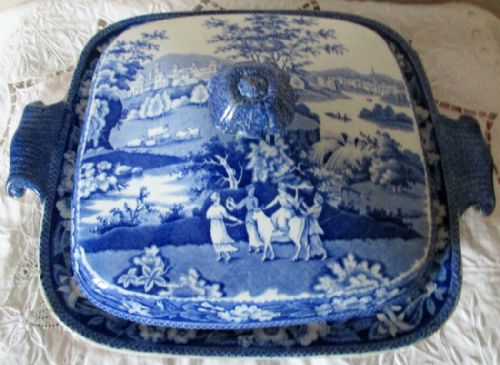
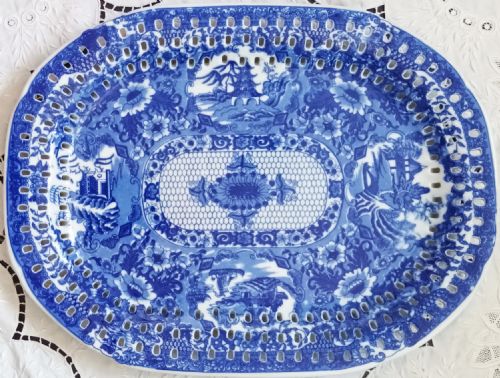
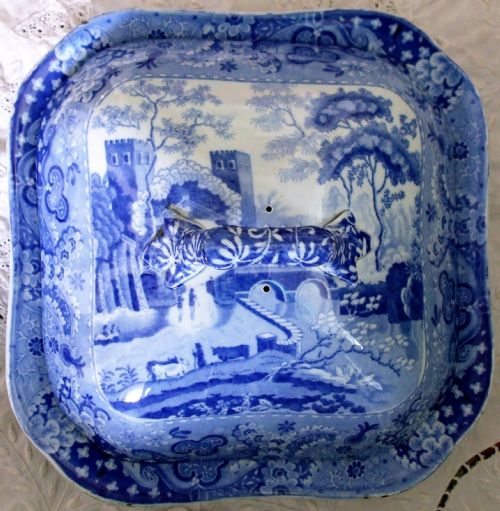
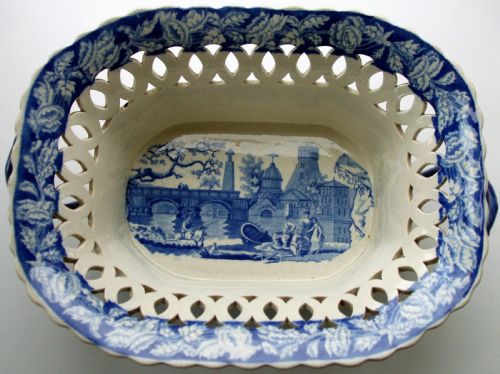
A georgian blue transfer dish encompasses plates, platters, serving dishes, tureens, and butter dishes originating primarily from 18th-century and 19th-century English potteries.
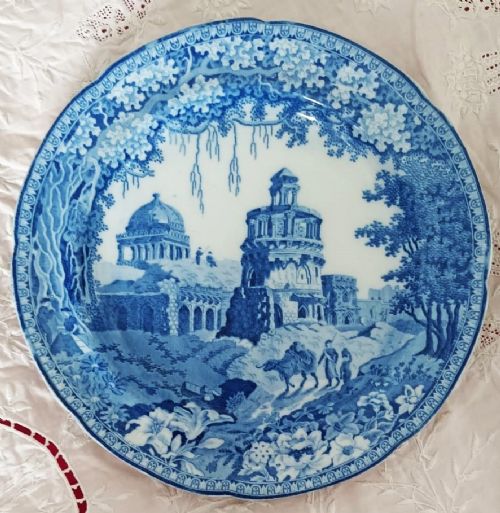
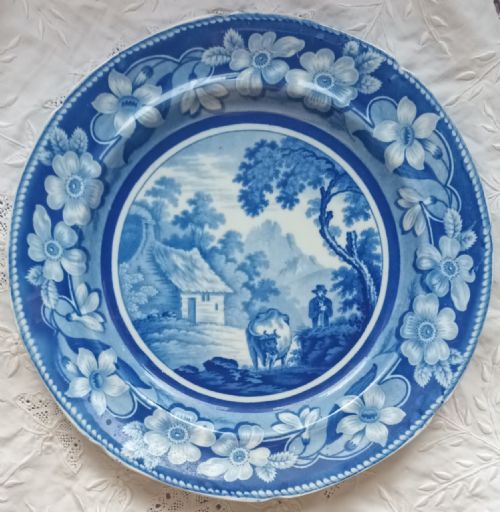
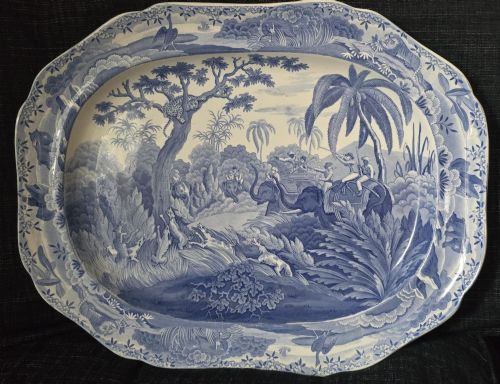
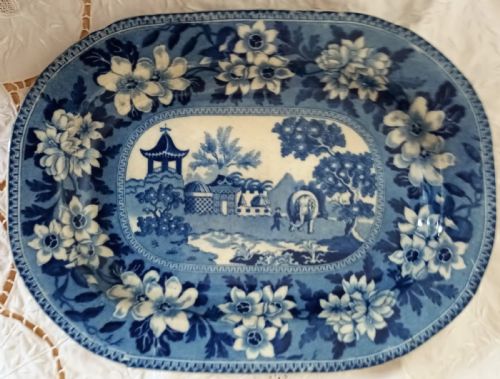
The version most commonly encountered on this page is the earthenware or pearlware platter and plate, decorated with scenic prints depicting architectural ruins, foreign landscapes, or pastoral figures.
These items served functional roles in period dining before evolving into decorative wall pieces and cabinet displays for collectors of early ceramics.
Materials and technique
Potters shaped earthenware, pearlware, and soft-paste porcelain bodies before applying cobalt pigment through an engraved copper plate transfer method.
A clear glaze sealed the design during kiln firing, protecting the blue transfer print while imparting a characteristic glossy sheen across the ceramic surface.
Georgian Blue Transfer Dish Retail Price Guide 2026
Typical asking prices for georgian blue transfer dish among the pieces listed under this phrase on Sellingantiques today, from the lower quarter to the upper quarter. They describe what is for sale here now, not the wider market.
Current listings feature earthenware, pearlware, and soft-paste porcelain across the 18th century, Georgian, and 19th century periods.
Evaluating the pieces
Quality rests upon the clarity of the cobalt transfer print and the crispness of the engraved lines against the white ceramic body.
Potteries achieved superior results when the glaze remained even and free from excessive pooling or blurring around complex pictorial edges.
Spode·Henshall and Co·Mason·Zacharia Boyle·Thomas Lakin·William Adams·John Rogers and Son·J and R Clews·J and R Riley·Stubbs·Pettys and Co Leeds·Brameld and Co
The Georgian Blue Transfer Dish Glossary
- Transferware
- Earthenware or porcelain decorated by pressing a design from an engraved copper plate onto tissue paper, then transferring the ink onto the unglazed or bisque ceramic body before glazing and firing.
- Pearlware
- A refined earthenware developed in the late 18th century featuring a thin glaze with a faint bluish tint that made the underlying ceramic body appear whiter than standard creamware.
- Sauce tureen
- A small covered serving vessel designed for holding gravies or sauces at the dining table, frequently accompanied by a matching undertib or stand.
- Tazza
- An elevated shallow vessel or plate supported by a central foot, utilised for serving fruit or small dishes during Georgian dining.
- Soft-paste porcelain
- A ceramic composition made from white clay mixed with ground glass and other materials, fired at lower temperatures than true hard-paste porcelain.
Georgian Blue Transfer Dish: Frequently Asked Questions
How were these dishes used originally?
These vessels served various dining functions, from presenting meats on large platters to containing sauces, vegetables, and butter at formal meals.
Dinners of the period relied on matched services where multiple dishes displayed unified pictorial themes across the table.
Can I use them for serving food today?
Most buyers choose to display these ceramics as decorative plates or wall platters rather than risking daily wear on antique earthenware.
Gentle hand washing is required if utilised, as modern dishwashers damage historical glazes and transfer prints.
How do I identify the period of a piece?
Dating relies on ceramic body composition, such as pearlware versus later ironstone, alongside printed pattern names and potter marks.
Stylistic cues in the borders and central motifs often narrow production down to specific decades within the Georgian era.
Why is the blue colour different on each dish?
Cobalt pigment reacted variably to different kiln temperatures and glaze mixtures across various Staffordshire and regional potteries.
Some prints emerged in a deep, dark cobalt while others settled into lighter, softer shades of blue.