




Georgian Blue Tableware
Georgian blue tableware brings together vibrant cobalt hues and crisp transfer prints across plates, tureens, and serving dishes from the eighteenth and nineteenth centuries.
Georgian Blue Tableware
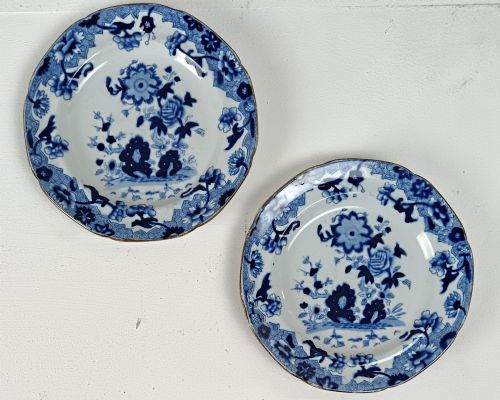
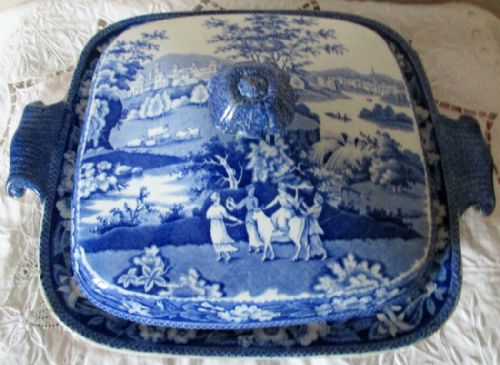
When you search for georgian blue tableware, you encounter a diverse range of items including tureens, plates, sugar basins, and salt cellars spanning the eighteenth and nineteenth centuries.
The selections on this page draw from periods such as the Georgian, Regency, and early Victorian eras, alongside later revivals.
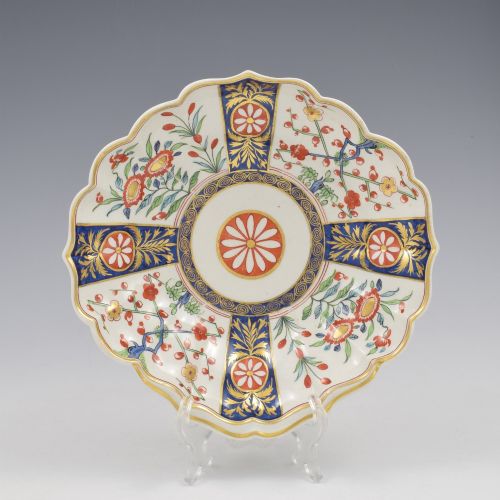
Makers utilised ceramic, earthenware, glass, and sterling silver to shape these dining vessels, incorporating styles from traditional transfer-printed motifs to delicate hand-painted designs.
Materials and Techniques
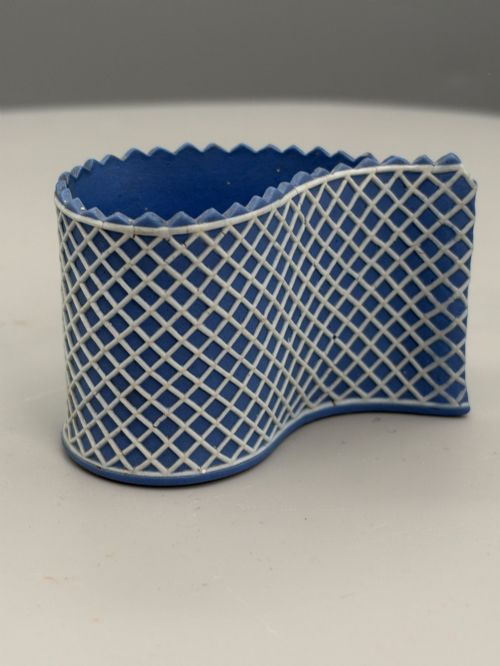
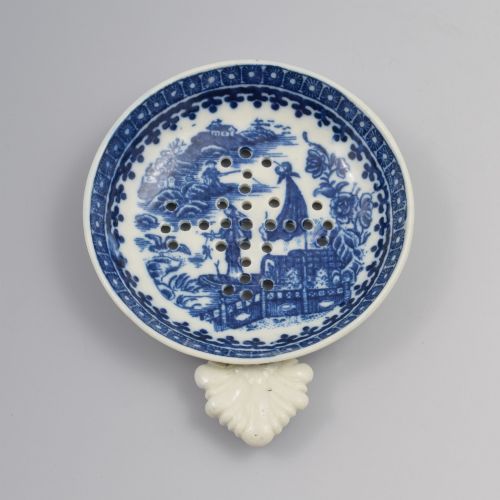
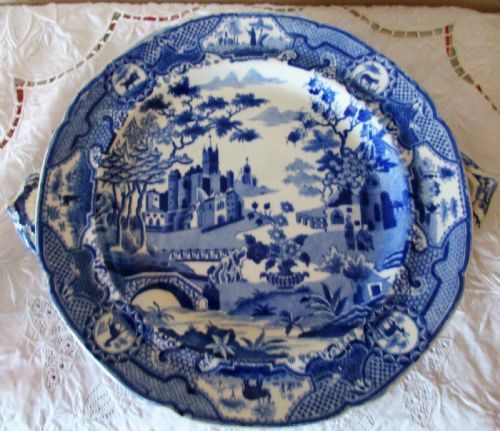
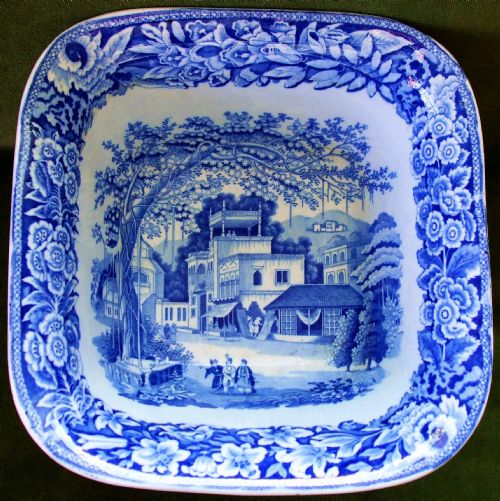
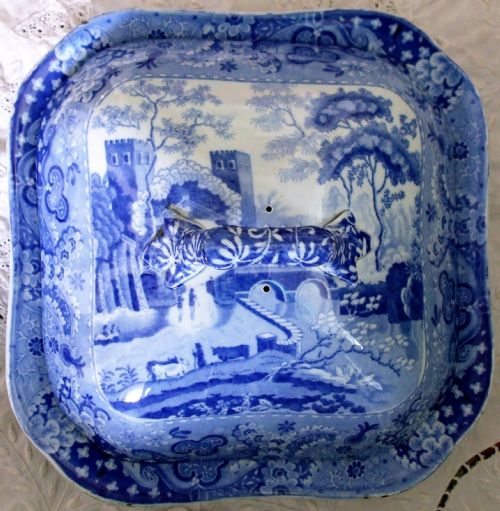
Potters and glassmakers applied cobalt oxides to achieve rich blue tones on earthenware, pearlware, and porcelain, frequently employing transfer-printing techniques to transfer detailed pictorial scenes onto the surface.
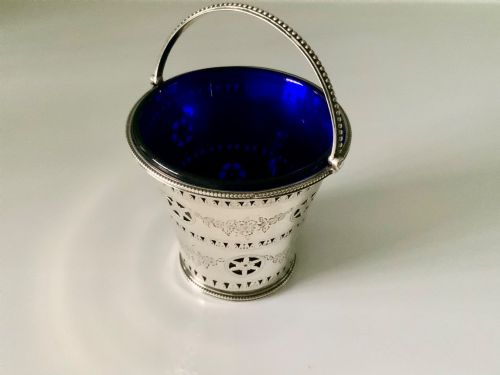
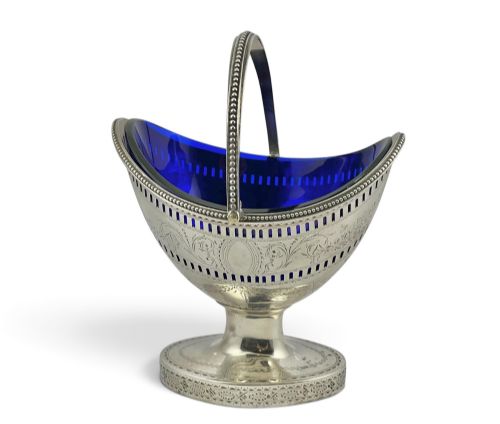
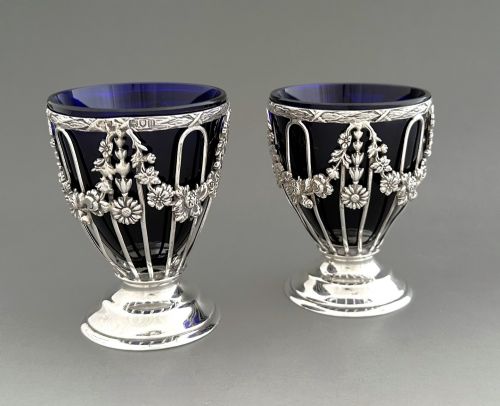
Silversmiths combined sterling silver wirework and cast mounts with cobalt glass liners to produce functional condiment tubs, mustard pots, and sugar basins.
Craftsmen finished ceramic items with clear glazes before firing, while ironstone and new stone bodies provided durable alternatives for heavy-use serving dishes and dinner services.
Georgian Blue Tableware Retail Price Guide 2026
Typical asking prices for georgian blue tableware among the pieces listed under this phrase on Sellingantiques today, from the lower quarter to the upper quarter. They describe what is for sale here now, not the wider market.
Listings feature earthenware, porcelain, and sterling silver across eighteenth and nineteenth century periods.
Evaluating Execution
The clarity and registration of the transfer print dictate visual success, with sharper outlines and deeper cobalt saturation distinguishing superior pieces.
For silver and glass combinations, the weight of the sterling silver frame and the integrity of the blown blue glass liner determine the overall craftsmanship.
The crispness of moulded details on earthenware plates, tureens, and sauceboats reveals the skill applied during the initial shaping and firing stages.
Spode·Wedgwood·Caughley·Royal Worcester·J and R Riley·J and R Clews·William Adams·Grainger and Worcester·Coalport·Mason·Charles Stuart Harris
The Georgian Blue Tableware Glossary
- Transfer print
- A decorative technique where an engraved copper plate transfers a design onto tissue paper, which is then applied to the unglazed ceramic body.
- Pearlware
- A refined earthenware developed in the late eighteenth century featuring a subtle bluish glaze that pooled in recesses to mimic Chinese export porcelain.
- Ironstone
- A heavy, durable ceramic body patented in the nineteenth century to withstand daily dining use while accommodating rich blue patterns.
- Salt cellar
- An open vessel or enclosed pot used to hold table salt, frequently paired with a blue glass liner in silver frames during the Georgian period.
- Wrythen
- A decorative spiral moulding or optic twist pattern blown into glassware, creating diagonal ribs that catch the light.
Georgian Blue Tableware: Frequently Asked Questions
What is georgian blue tableware?
It encompasses dining and serving vessels produced in blue ceramics, glass, or silver during the late eighteenth and early nineteenth centuries.
Pieces range from transfer-printed earthenware plates to porcelain cups and sterling silver salt cellars with cobalt liners.
How were these pieces used?
They served functional roles at the dining table for holding salt, mustard, sauces, condiments, and main courses.
Larger items like tureens and meat dishes presented food during formal meals, while smaller cups and basins handled tea and sugar.
How do I care for antique tableware?
Wash ceramic and glass items gently by hand in warm water using mild soap rather than placing them in modern dishwashers.
Avoid abrasive sponges that can scratch the old glaze or damage delicate transfer-printed surfaces over time.
How can I tell the period?
Examine the base materials, weight of the ceramic body, and the style of the blue transfer-printed scenes.
Markings, paste composition, and hallmarks on silver components help pinpoint whether a piece originates from the Georgian era or a later revival.