



Georgian Blue Plate
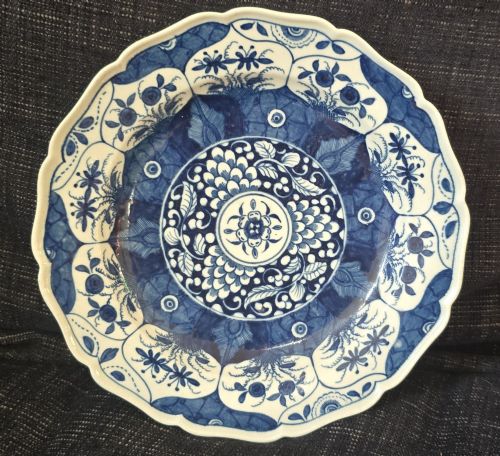
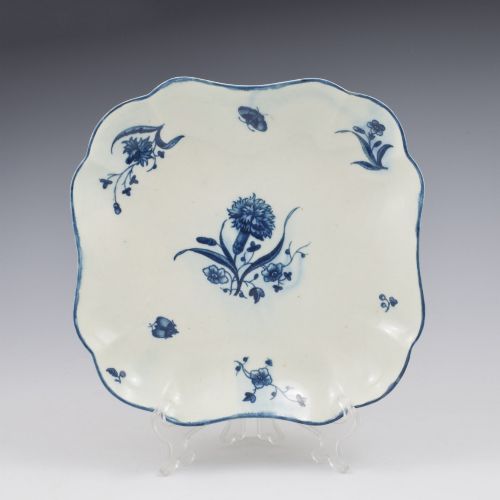
A georgian blue plate brings the depth of cobalt transfer-print and tin glaze to the table, offering a glimpse into eighteenth and nineteenth-century ceramic production.
Georgian Blue Plate
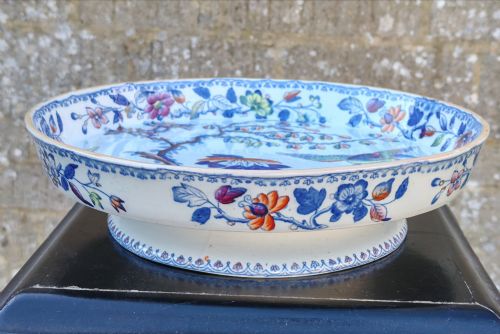
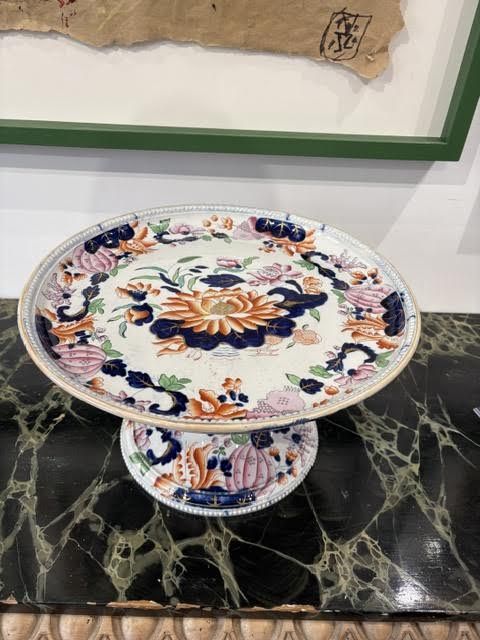
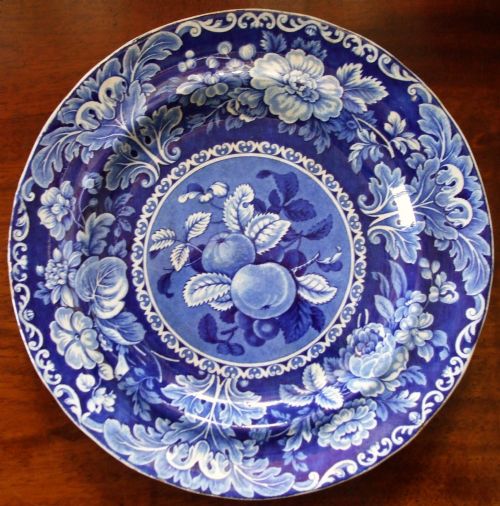
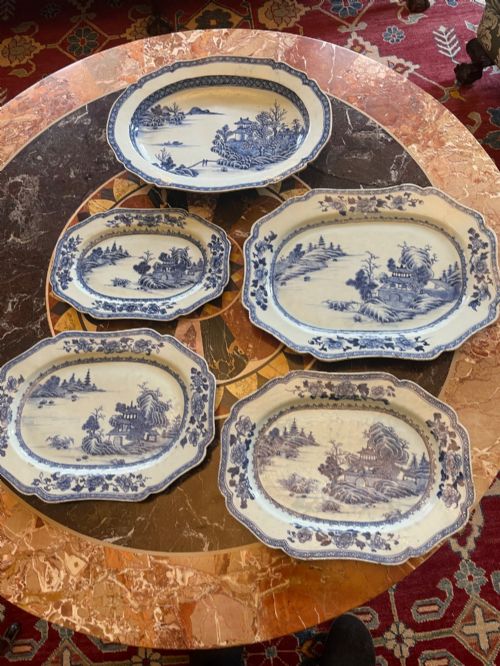
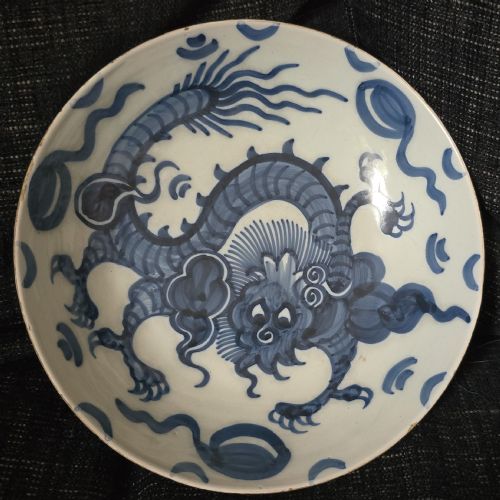
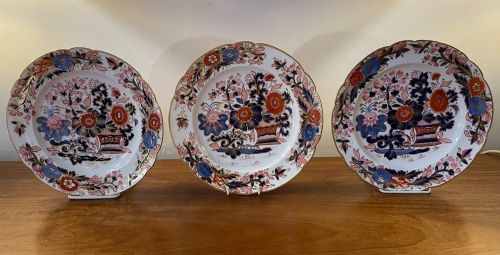
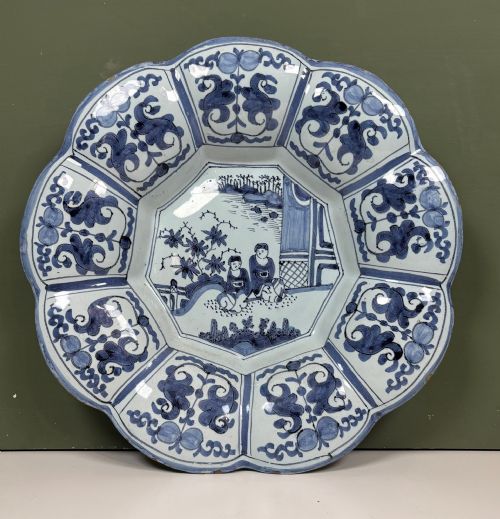
A georgian blue plate encompasses various forms including chargers, meat plates, and serving dishes produced during the eighteenth and nineteenth centuries. These items reflect the domestic dining habits of the period, executed in tin-glazed earthenware and transfer-printed ceramics.
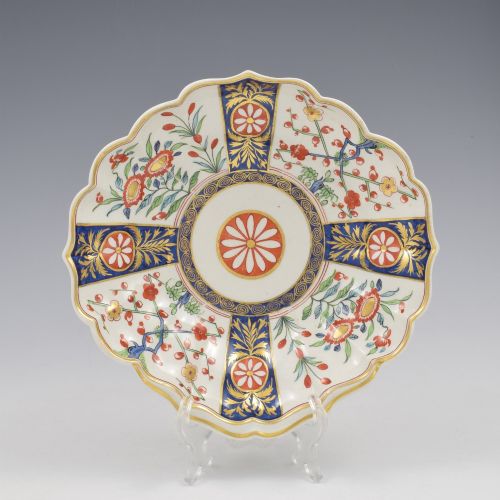
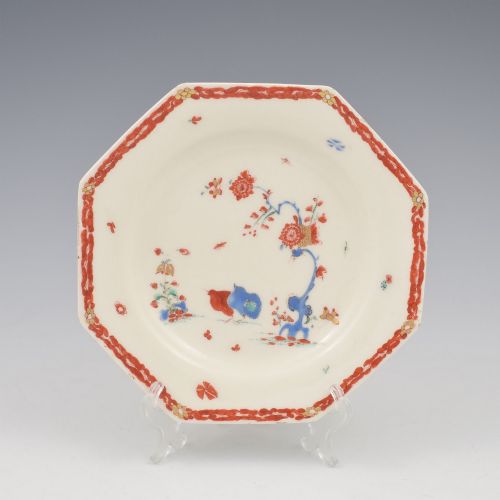
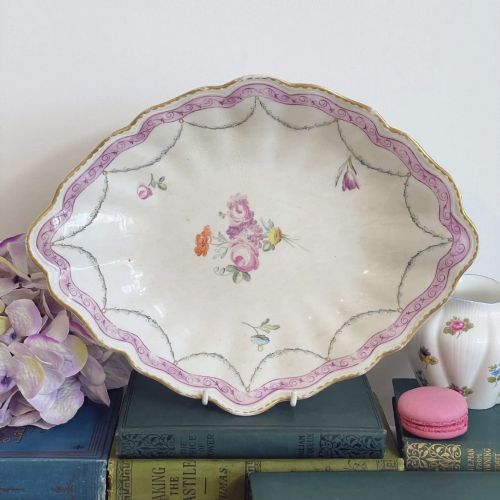
The pieces appearing most frequently originate from Staffordshire potteries and English delftware traditions, spanning styles from Dutch Baroque to Georgian Chinoiserie. They range from simple blue and white patterns to polychrome highlights on earthenware and porcelain.
Makers utilised earthenware, soft-paste porcelain, and ironstone to create everything from tea plates to large chargers designed for display on dressers or service at the table.
Materials and methods of manufacture
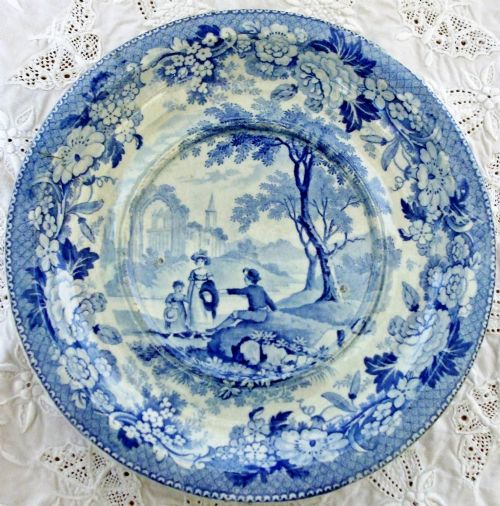
Potters shaped these objects from earthenware, pearlware, and porcelain, applying glazes that often contain tin or lead to achieve a smooth surface. Transfer printing allowed workshops to apply intricate pictorial scenes onto the biscuit body before final firing.
Hand-painted touches occasionally augmented the printed blue designs, particularly in early delftware and porcelain pieces from factories utilising cobalt pigments under the glaze.
Georgian Blue Plate Retail Price Guide 2026
Typical asking prices for georgian blue plate among the pieces listed under this phrase on Sellingantiques today, from the lower quarter to the upper quarter. They describe what is for sale here now, not the wider market.
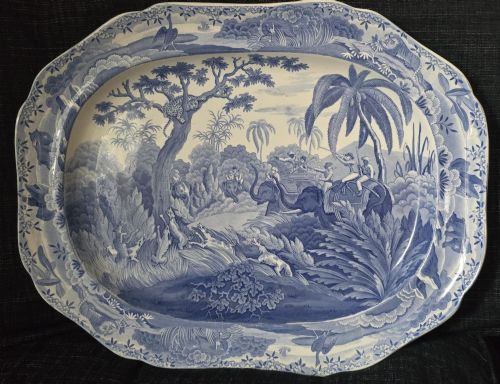
Plates record unexpected subjects from sporting leopard hunts to bears meeting their end alongside traditional botanical sprigs.
Distinctions in craftsmanship
The clarity of the cobalt transfer print and the uniformity of the glaze determine the visual success of a piece, with finer examples showing sharp detail without blurring. The delicacy of the ceramic body, whether thin porcelain or heavier ironstone, also marks the distinction between everyday utility and display pieces.
Skill in hand-painting and the complexity of the narrative or floral pattern separate standard regional production from the output of established works.
Spode·H and R Daniel Shrewsbury·Derby·Bow Porcelain·Davenport·Hicks and Meigh·John Rogers and Son·Minton·John Davenport of Longport·Stubbs·New Hall Porcelain·Chamberlain's Worcester·Coalport
The Georgian Blue Plate Glossary
- Tin-glazed earthenware
- Pottery covered with a glaze made opaque by the addition of tin oxide, serving as a white ground for painted decoration.
- Transfer printing
- A method of applying a design to pottery by engraving a copper plate, pulling the image on paper, and transferring it to the ceramic surface.
- Charger
- A large ornamental or serving plate, typically measuring over twelve inches in diameter, meant for display on a dresser or centre of a table.
- Pearlware
- A refined earthenware developed in the late eighteenth century featuring a subtle bluish glaze that pooled in recesses to mimic Chinese export porcelain.
- Ironstone
- A heavy, durable type of ceramic patented in the nineteenth century, designed to resist chipping while mimicking porcelain.
Georgian Blue Plate: Frequently Asked Questions
How do I clean a georgian blue plate?
These antique ceramics require gentle hand washing in lukewarm water using mild soap to protect the historic glaze and any delicate transfer printing.
Avoid soaking them for long periods or placing them in modern dishwashing machines, as thermal shock and harsh detergents can damage the surface.
Can I use these plates for dining?
While structurally sound, many of these pieces carry historic glaze crazing and wear from age that make them better suited for display rather than daily service.
Using them occasionally for dry foods is acceptable, but modern utensils can scratch the soft eighteenth and nineteenth-century glazes.
Where were these plates made?
Production centred primarily around English manufacturing hubs such as Staffordshire, Worcester, and various West Country potteries during the Georgian and Regency eras.
Factories utilised local clays and imported cobalt to produce wares for both domestic dining and decorative display.