


Georgian Blue Painted Table
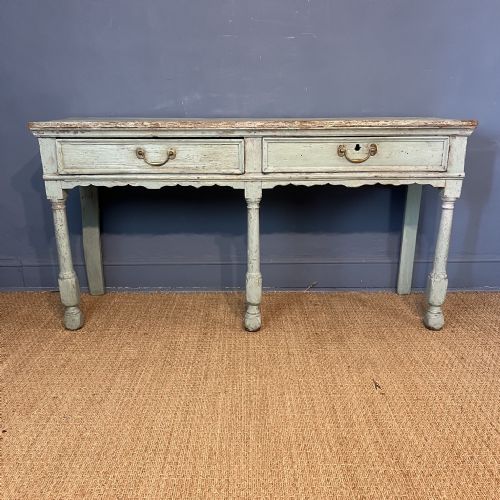
A georgian blue painted table brings painted wood, pine, and timber together in forms ranging from lamp tables to side tables.
Georgian Blue Painted Table
When you search for a georgian blue painted table, you encounter pieces spanning the 18th century, 19th century, Regency, and Georgian periods. These items include side tables, lamp tables, and console tables rooted in English Country and Georgian Country styles.
The most common formats on this page are compact lamp tables and side tables finished in painted wood or pine. They reflect the domestic utility of earlier centuries through straightforward construction and functional surfaces.
Makers and designers from the period influenced these forms, as seen in pieces following specific cabinetmaking traditions. The selection emphasises regional English furniture with historic painted finishes rather than formal polished mahogany.
Materials and construction methods
Makers utilised pine, timber, and solid wood as the primary structural materials for these tables. Surfaces received multiple coats of paint, sometimes incorporating gold leaf accents or decorative motifs depending on the specific country house or provincial workshop.
Joinery techniques relied on traditional hand tools, pegging, and dovetailing appropriate to the 18th and 19th centuries. The application of paint served both to protect softer woods like pine and to provide a decorative colour scheme for domestic interiors.
Makers applied heavy coats of paint not just for beauty, but to hide mismatched pine boards scavenged from local timber yards.
Evaluating quality and craftsmanship
Quality in a georgian blue painted table rests upon the integrity of the timber frame and the history of the surface finish. Earlier examples from the 18th century often display superior joinery and more substantial timber thickness compared to later interpretations.
The character of the paint layer significantly influences desirability. Surviving historic paint layers that show natural wear and patina command greater appreciation than later repainting, preserving the authentic visual texture of the period.
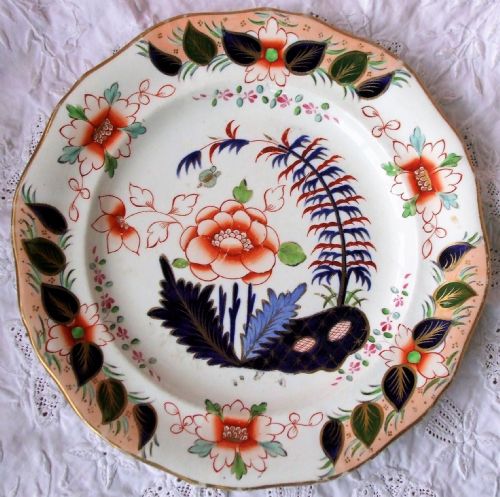
John Davenport of Longport·Ridgway
The Georgian Blue Painted Table Glossary
- Demi-lune
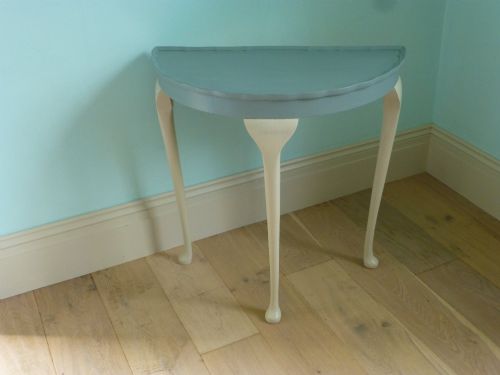
- A half-moon shape characteristic of console and card tables designed to sit flush against a wall. This format became popular during the Georgian and Regency periods.
- Dresser base
- A low, heavy-topped sideboard or serving table featuring drawers and sometimes a lower potboard shelf. These pieces originate from English country houses and farmhouses.
- Lamp table
- A small occasional table designed specifically to hold a lighting fixture or decorative object. They frequently appear with single drawers or tray tops.
- Side table
- A functional surface built to stand against a wall in a hallway, parlour, or dining room. They often feature simple leg structures and timber frames.
- Pine
- A softwood commonly utilised in British country furniture for its accessibility and workability. It served as the primary substrate for painted decoration.
Georgian Blue Painted Table: Frequently Asked Questions
What is a georgian blue painted table?
A georgian blue painted table is a historic item of furniture, typically constructed from pine or timber, featuring a historic painted finish. These pieces date across the 18th and 19th centuries.
They serve practical roles in modern interiors as lamp tables, side tables, or small console tables, bringing historic character and colour to a room.
How were these tables used originally?
In historic homes, small painted tables functioned as versatile surfaces in parlours, bedrooms, and hallways. They held lighting, books, or serving items.
Their domestic utility meant they were moved from room to room as household needs shifted over the decades.
How do I date a painted table?
Dating relies on examining the timber construction, joinery methods, and the structure of the frame. 18th-century pieces often show hand-cut joints and heavier timber.
Secondary indicators include the composition of the paint layers and the specific style of the legs, whether turned, tapered, or spider-leg.
Can I use an antique table daily?
These tables are robust enough for everyday domestic use when treated with reasonable care. Solid pine and timber frames withstand normal placement of lamps and decorative objects.
Avoiding excessive moisture and direct heat protects the historic painted surfaces and maintains the structural integrity of the wood.