

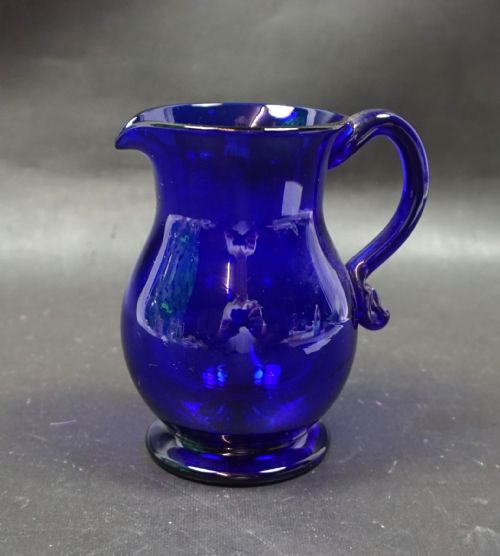


Georgian Blue Glassware
Georgian blue glassware brings rich cobalt and turquoise tones to the table, offering tactile weight and deep colour that collectors prize for display.
Georgian Blue Glassware
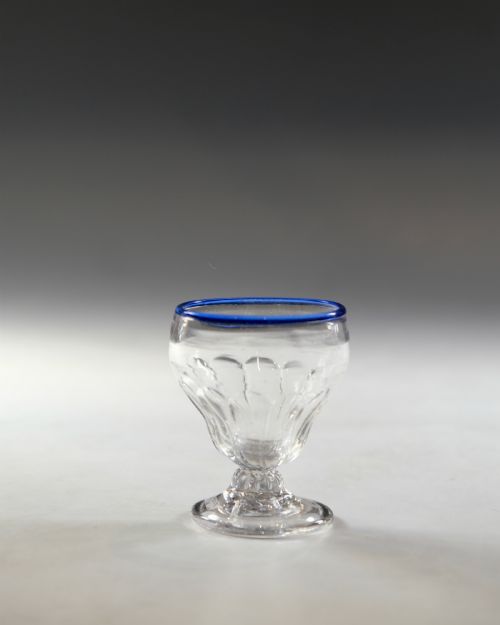
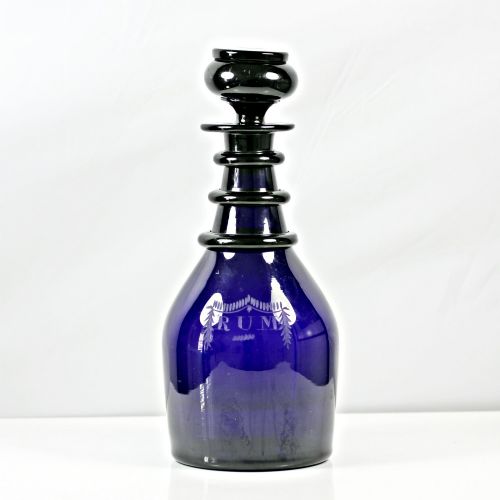
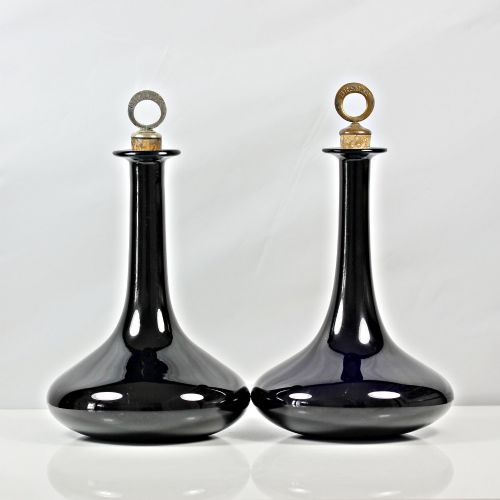
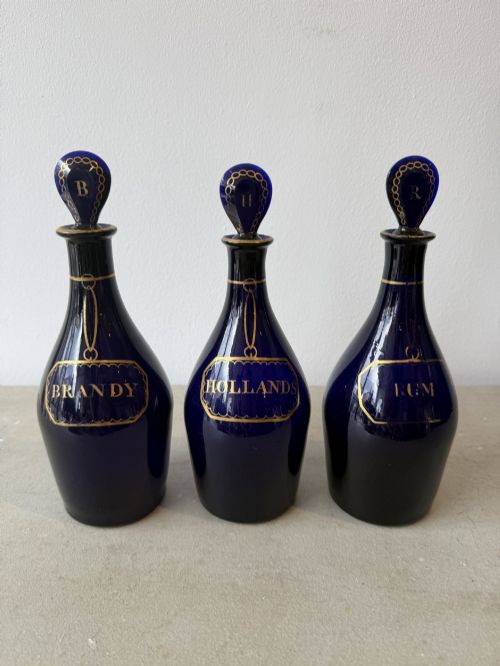
Georgian blue glassware encompasses deep cobalt, turquoise and peacock shades across functional vessels and tableware. These pieces range from decorative bonnet glasses and egg cups to serving bottles, rum decanters and wine glasses.
Buyers meet decanters and wine glasses most frequently on this page, often showing the distinctive Bristol blue hue. The selection spans the eighteenth century into the nineteenth century, covering Georgian, Regency, William IV and early Victorian periods.
Forms include cream jugs, sugar bowls and mell decanters, sometimes decorated with gold leaf or hand-painted details. Many items originate from English workshops, reflecting the glassmaking techniques of the era.
How they were made
Artisans shaped these objects using lead glass and blown glass techniques, creating heavy, lustrous vessels. Cobalt and other metallic oxides produced the intense blue colour throughout the metal.
Makers utilised blowing irons and moulds to form items like wrythened egg cups and three ring decanters. Surface details frequently included hand-painted motifs and applied gold leaf accents.
Georgian Blue Glassware Retail Price Guide 2026
Typical asking prices for georgian blue glassware among the pieces listed under this phrase on Sellingantiques today, from the lower quarter to the upper quarter. They describe what is for sale here now, not the wider market.
The inventory includes functional tableware such as egg cups, cream jugs, sugar bowls and serving bottles alongside drinking vessels.
What varies in quality
The depth and consistency of the blue colour set fine examples apart from ordinary production. Rich cobalt and vibrant peacock shades demonstrate superior raw materials and precise furnace control.
Hand-painted decoration and gilding show varying degrees of finesse and preservation. Crisp optical moulding, such as wrythen twists, distinguishes the most accomplished pieces from simpler tableware.
The Georgian Blue Glassware Glossary
- Bristol blue
- A deep cobalt glass traditionally associated with the West Country city of Bristol. It gained fame for richness of colour and suitability for decanters.
- Bonnet glass
- A small glass vessel with a flared rim, used historically for serving sweetmeats or custards. They often sit on a small foot or stem.
- Mell decanter
- A mallet-shaped bottle designed to hold spirits securely. The wide base prevented tipping on shipboard or dining tables.
- Wrythen
- A decorative spiral pattern moulded into the body of glassware. This technique creates a twisting optical effect as the light catches the surface.
- Decanter
- A stoppered glass vessel used for decanting and serving wine or spirits. Georgian versions frequently feature three rings on the neck for a secure grip.
Georgian Blue Glassware: Frequently Asked Questions
What is Bristol blue glass?
Bristol blue glass is a deep cobalt-coloured material historically produced in English glasshouses. It became particularly popular for serving bottles, decanters and tableware during the Georgian period.
The intense blue shade came from adding cobalt oxide to the molten lead glass batch. This resulted in a striking appearance that contrasted sharply with clear table glass.
How were Georgian decanters used?
Georgian decanters held wine, rum and other spirits for serving at the dining table. Their heavy bases and secure stoppers kept contents fresh and prevented spills.
Servants filled them from larger storage casks before bringing them to guests. The distinctive rings on the neck helped diners maintain a grip when pouring.
How do I date Georgian blue glass?
Dating relies on stylistic clues, pontil marks and manufacturing traits such as lead content and colour depth. Eighteenth-century pieces often display simpler, hand-blown characteristics.
Nineteenth-century examples, including Regency and William IV pieces, may show more refined moulding or specific forms like three-ring rum decanters. Comparing object types helps narrow the decade of production.
How should I display blue glassware?
Displaying blue glassware near natural light allows the deep cobalt and turquoise tones to glow. Placing pieces on glass shelves or near windows enhances the colour intensity.
Keep them away from direct, harsh sunlight to protect any delicate gold leaf or hand-painted details. Grouping decanters and wine glasses together creates a strong visual focus.