




Cobalt Blue Milk Pitcher
A cobalt blue milk pitcher brings brilliant colour to the table, and these pieces span glass, earthenware and porcelain from the eighteenth and nineteenth centuries.
Cobalt Blue Milk Pitcher
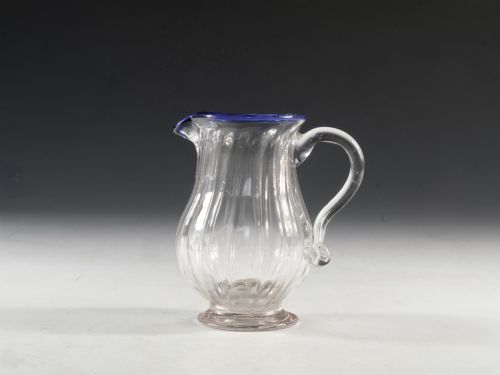
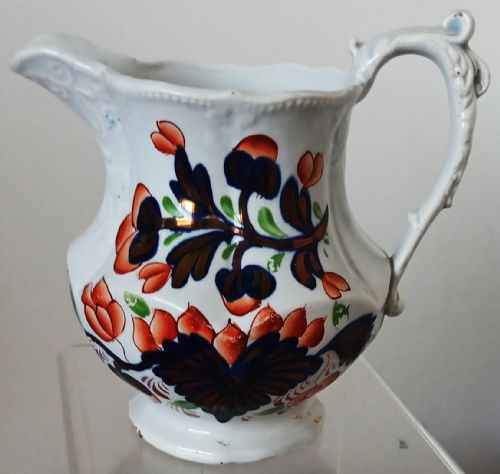
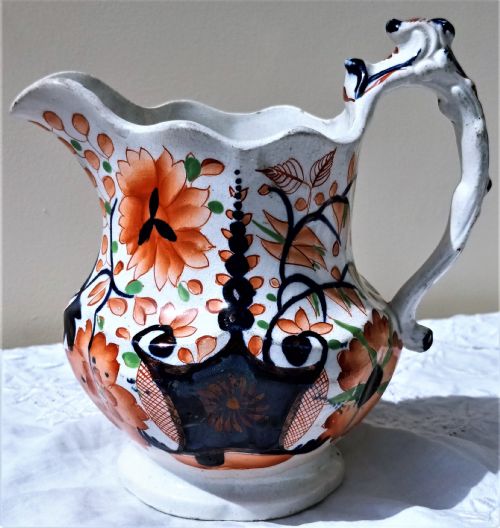
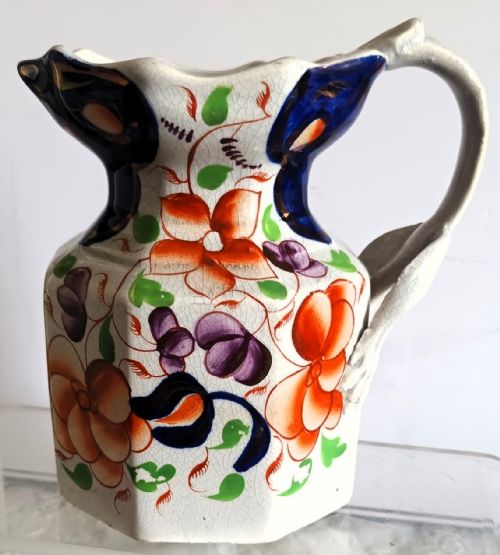
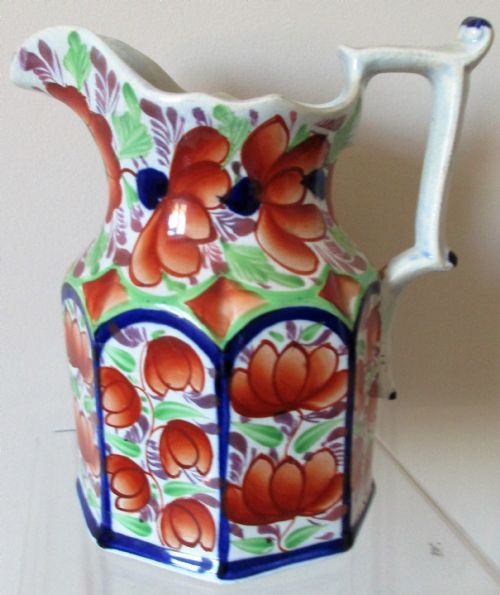
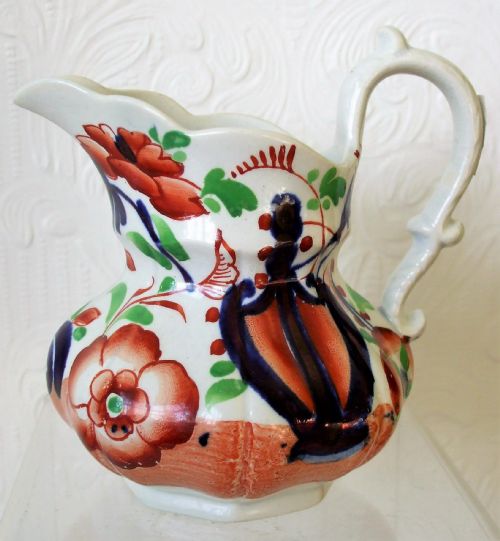
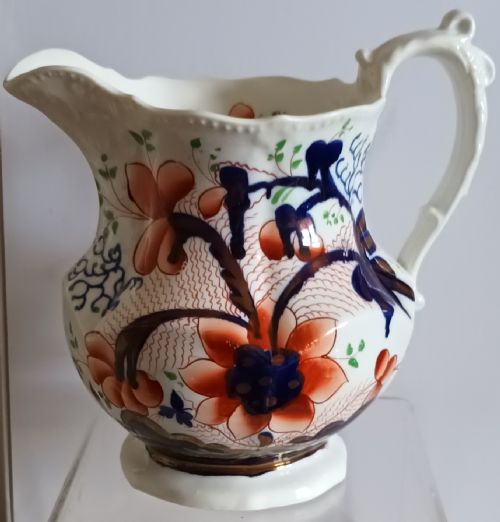
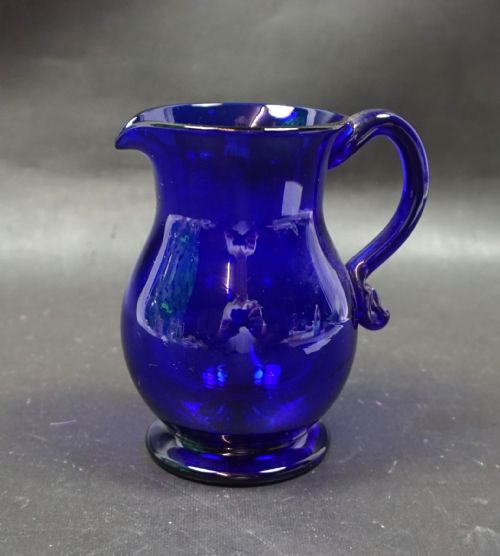
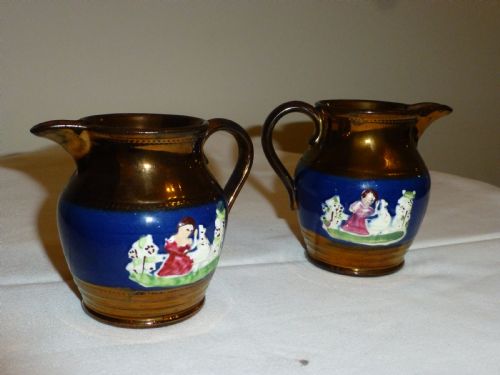
A cobalt blue milk pitcher is typically encountered as a nineteenth century pottery jug or an eighteenth century glass cream jug. The selection on this page centres heavily on Victorian Gaudy Welsh earthenware alongside Georgian glass and porcelain examples.
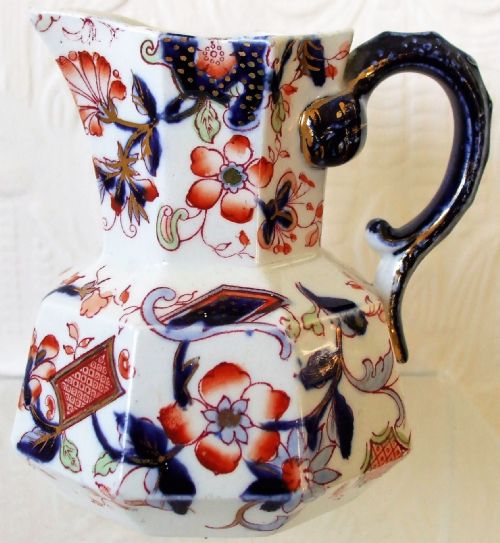
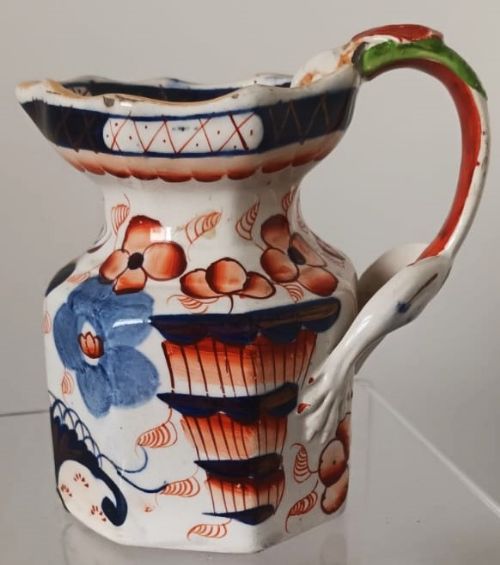
Makers such as Keeling and Co. and Mason produced distinctive forms including the Hydra jug, while regional potteries in places like Fenton turned out named patterns such as Pagoda, Gwent and Grape.
The objects range from small cream jugs intended for tea service to larger pouch jugs, reflecting the varied domestic uses of milk pitchers across the Georgian and Victorian periods.
Materials and manufacture
Pottery jugs combine earthenware bodies with ceramic glazes and hand-painted enamel decoration, often enriched with copper lustre accents. Glass cream jugs rely on lead glass formulations to achieve deep colour tones.
Moulded ceramic bodies, such as the classic Hydra shape with its distinct serpent handle, require precise kiln firing to set the vibrant enamel patterns firmly beneath or upon the glaze.
Hydra jugs feature serpent handles originally inspired by ancient Greek monsters.
Assessing quality
Quality rests in the crispness of the enamel painting and the depth of the glaze, particularly where copper lustre details catch the light. Well-defined mouldings on forms like the Hydra jug demonstrate superior craftsmanship.
The clarity of the lead glass and the stability of the applied handle distinguish finer eighteenth century cream jugs from simpler utilitarian counterparts.
Keeling and Co.·Mason
The Cobalt Blue Milk Pitcher Glossary
- Gaudy Welsh
- A distinctive style of nineteenth century pottery featuring bright enamel colours and copper lustre highlights. It was largely produced for the Welsh market and everyday domestic use.
- Hydra jug
- A classic ceramic shape characterised by a flared rim, moulded body and a handle formed as a serpent. This classical revival form dates back to antiquity but remained popular in the nineteenth century.
- Lead glass
- Glass containing lead oxide, which increases weight, brilliance and clarity. It is typical of finer tablewares from the Georgian era.
- Copper lustre
- A metallic pottery glaze containing copper that produces a coppery, reflective sheen. It is frequently found alongside painted enamels on nineteenth century earthenware.
- Cream jug
- A small vessel designed for serving milk or cream with tea. These pieces are often smaller than general pitchers and jugs.
Cobalt Blue Milk Pitcher: Frequently Asked Questions
What is a cobalt blue milk pitcher used for?
These vessels were originally made to serve milk or cream at the table during tea or breakfast services. Today, collectors often use smaller examples to hold small flower arrangements or display them on shelves.
The deep blue colour makes them visually striking whether they sit empty on a dresser or serve a practical function during dining.
How do I date an antique milk pitcher?
Dating relies on identifying the material, style and manufacturing technique. Georgian glass cream jugs often exhibit pontil marks and heavier lead content, while Victorian earthenware pieces frequently carry named patterns like those found in Gaudy Welsh ceramics.
Examining the base and the type of glaze provides further clues to whether a piece originates from the eighteenth or nineteenth century.
What is Gaudy Welsh pottery?
Gaudy Welsh is a nineteenth century ceramic style known for its vibrant cobalt blue, red, green and pink enamel decorations paired with copper lustre. It was widely exported to Wales for domestic household use.
Named patterns such as Pagoda, Gwent and Grape give collectors specific markers to identify individual pieces.
How should I clean my antique pitcher?
Antique ceramics and glass require gentle hand washing in lukewarm water with mild soap. Avoid soaking pieces with copper lustre or enamel decoration for extended periods, as harsh detergents can damage the surface.
Dry them immediately with a soft cloth to protect the glaze and prevent water spotting.