
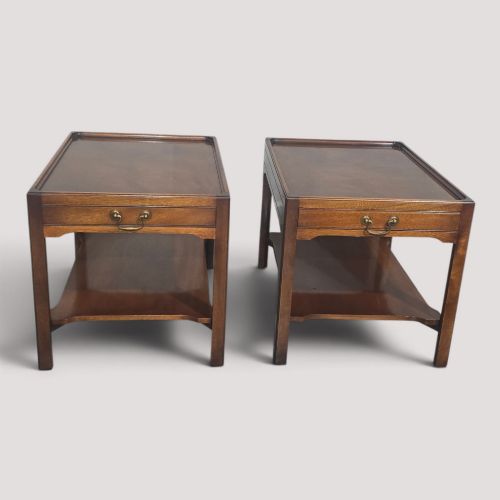
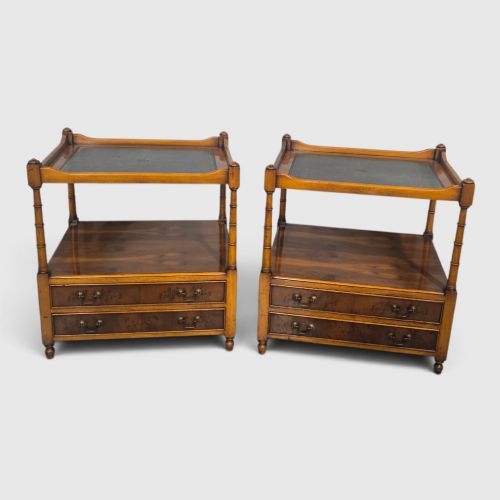

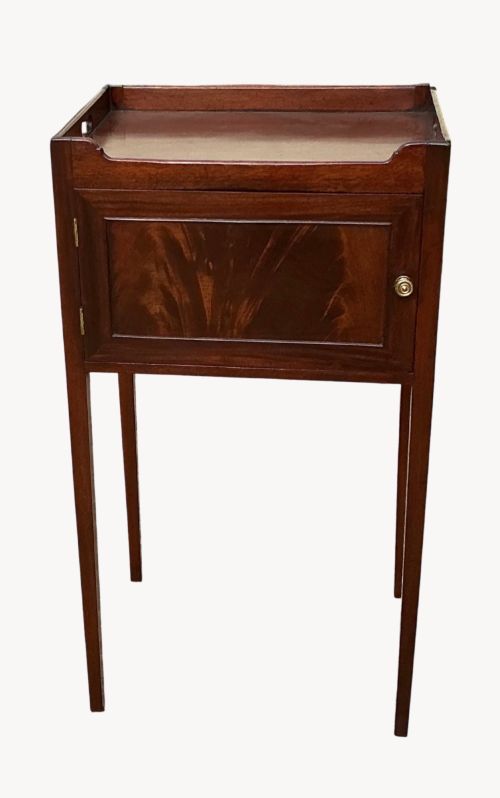
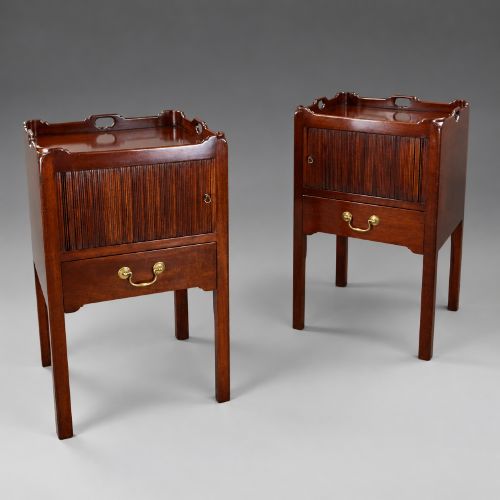
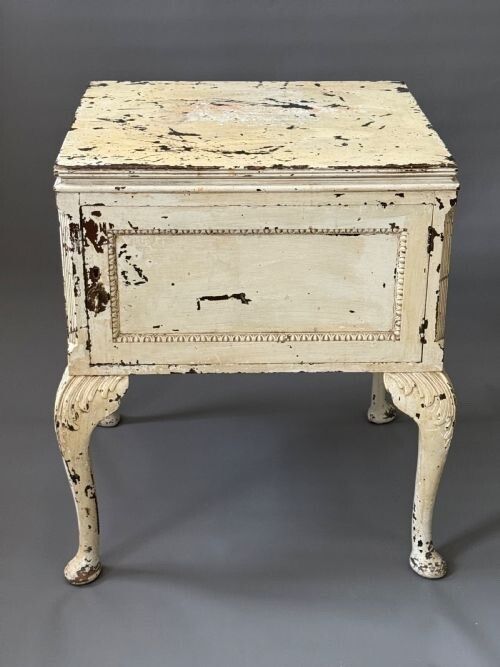
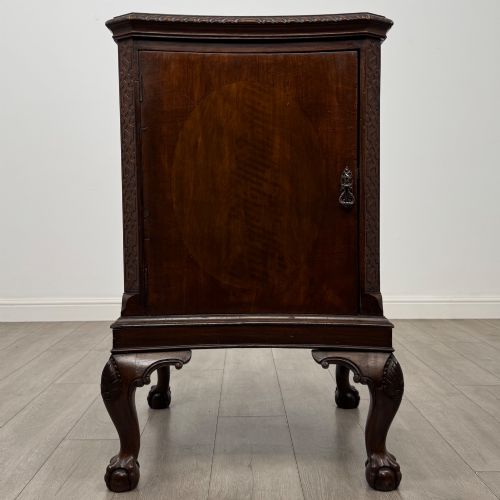
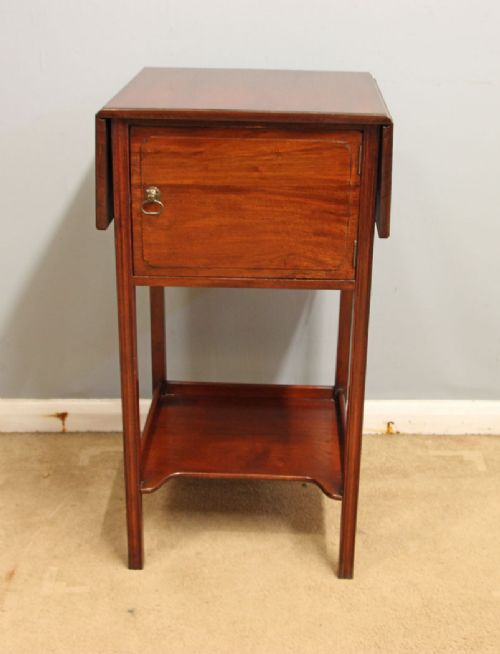
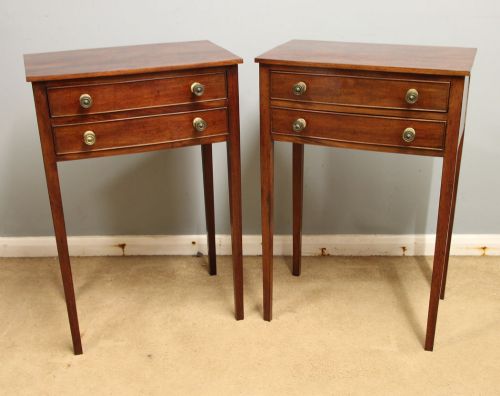
Georgian Bedside Nightstand
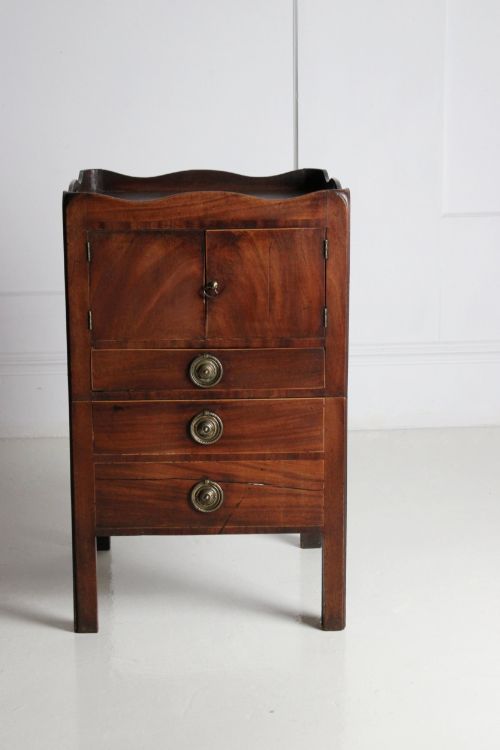
A georgian bedside nightstand is a sturdy timber cabinet built to hold a chamber pot or candle by the bed.
Georgian Bedside Nightstand
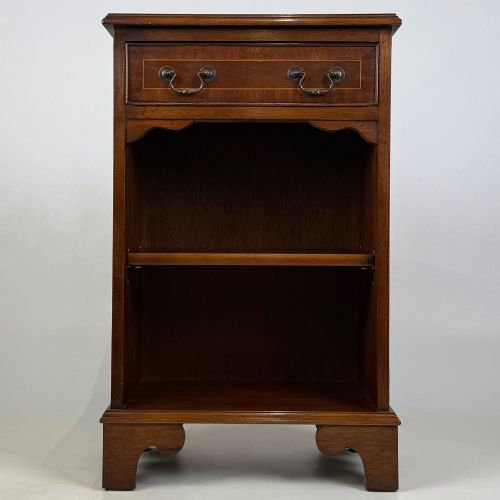
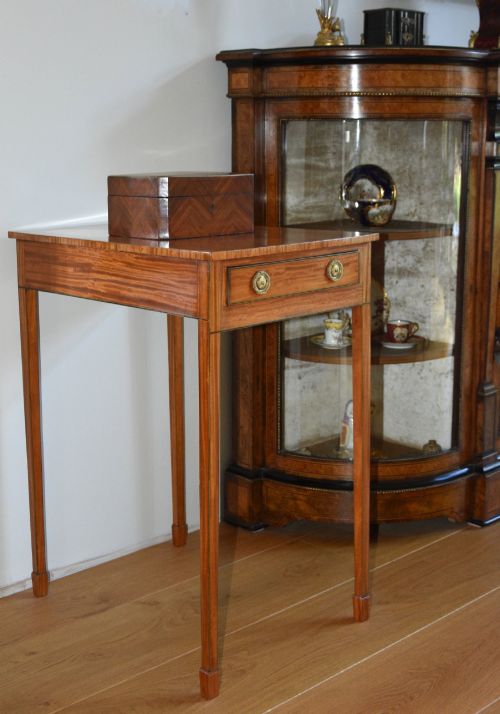
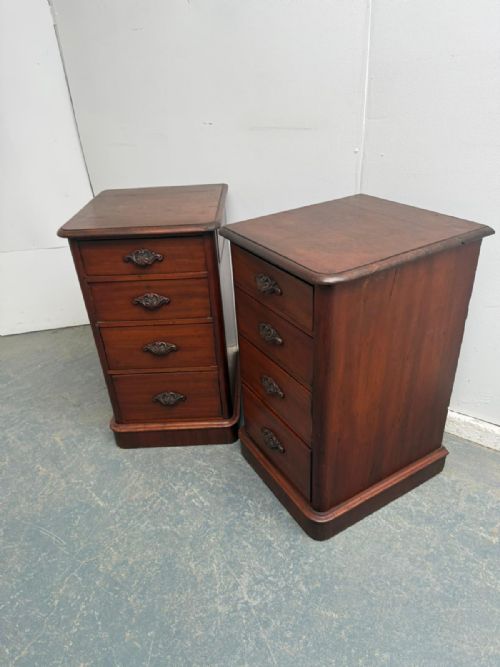
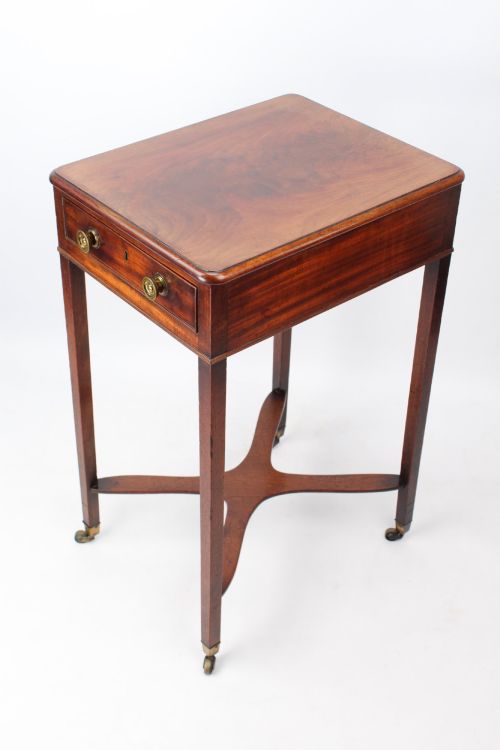
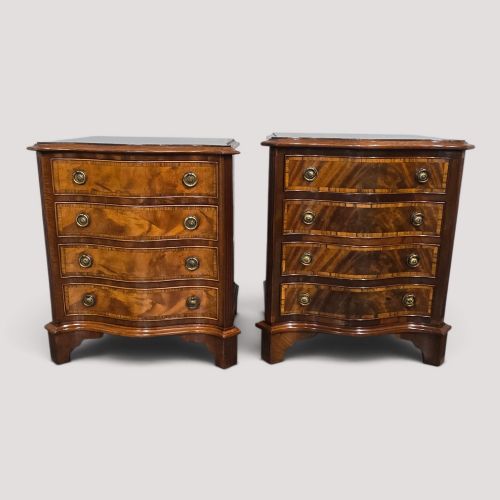
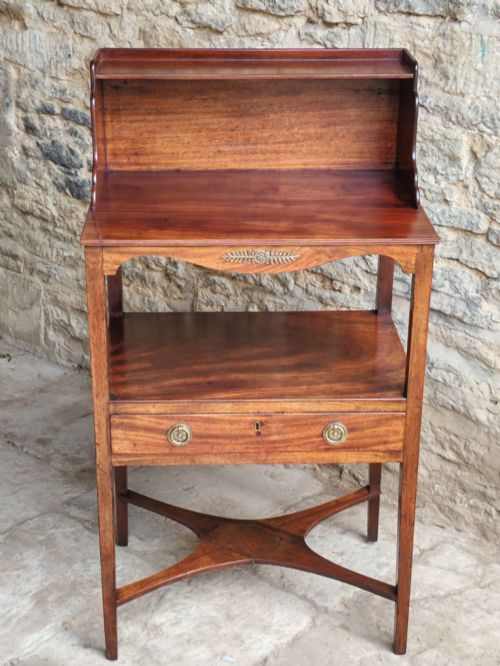
A georgian bedside nightstand serves as a compact storage piece designed for the bedroom, frequently taking the form of a cupboard or small chest. Buyers hunting for a georgian bedside nightstand will find pieces that range from straightforward enclosed cabinets to compact drawer chests and tray top tables.
The selection includes authentic pieces from the eighteenth and nineteenth centuries alongside later revival works from the Edwardian era and the nineteen-twenties and nineteen-thirties. Mahogany forms the backbone of these offerings, accompanied by walnut, satinwood, oak, and yew.
How they were made
Cabinet makers built these pieces using solid hardwoods like mahogany and oak, often applying figured veneers such as burr walnut and satinwood to drawer fronts and top surfaces. Brass hardware appears on handles, hinges, and carrying brackets.
Joinery techniques included dovetailed drawers and panelled cupboard doors designed to withstand daily bedroom use. Surface finishes relied on traditional wax polish to bring out the natural grain and colour of the timber.
Several eighteenth-century bedside chests disguise themselves as polite furniture while secretly moonlighting as close stools for midnight emergencies.
What varies in quality
Timber selection dictates the initial tier of quality, separating plain boards from richly figured mahogany and burr walnut veneers. The crispness of carved details, such as bracket feet or blind fretwork, shows the hand of a more capable workshop.
Original brass fittings and intact interior compartments, including tray tops and enclosed pot cupboards, elevate a piece above altered or heavily restored examples. Construction integrity in the drawer sides and backboards indicates whether a piece received proper attention during its manufacture.
The Georgian Bedside Nightstand Glossary
- Nightstand
- A small bedside table or cabinet built to hold items needed during the night. It usually includes a cupboard door or drawers.
- Pot cupboard
- An enclosed bedside cabinet originally designed to contain a chamber pot. These often feature a panelled door and a raised gallery top.
- Tray top
- A tabletop finished with a raised moulded edge or pierced carrying handles to stop items from rolling off. This feature is common on eighteenth-century bedside tables.
- Close stool
- A piece of furniture disguised as a small chest or cabinet that enclosed a commode seat. Eighteenth-century examples often resemble standard bedside chests.
- Serpentine
- A gently curved front edge shaped in a convex-concave-convex wave. This decorative line appears on finer chests of drawers and lamp tables.
Georgian Bedside Nightstand: Frequently Asked Questions
What is a georgian bedside nightstand used for?
These cabinets provide convenient surface space and enclosed storage beside a bed. They hold lamps, books, and small personal items within easy reach.
Historically, many designs housed chamber pots or washing basins behind closed doors. Today, they serve a similar functional purpose in modern bedrooms as bedside tables.
How do I spot a reproduction piece?
Examine the secondary woods inside the drawers and along the backboards for age-appropriate tool marks and timber shrinkage. Eighteenth-century pieces use hand-cut dovetails and older construction methods.
Revival pieces from the early twentieth century often display machine-cut elements or uniform modern timber lacking the patina of older wood. Check the hardware fixings to see if screws and hinges match the claimed period.
What is the difference between a nightstand and a pot cupboard?
A nightstand is a general term for any small table or chest kept next to a bed. It may have open shelves, a drawer, or a flat top.
A pot cupboard specifically refers to a cabinet with a door designed to conceal a chamber pot. Many period pieces combine both functions by adding a drawer above the main cupboard.
How do I care for antique mahogany furniture?
Keep wooden furniture away from direct heat sources and strong sunlight to prevent the timber and veneer from splitting. Dust the surface regularly with a soft, dry cloth.
Apply a quality beeswax polish occasionally to nourish the wood and maintain its finish. Avoid using modern silicone sprays or household cleaners that can damage the antique polish.