
Georgian Bedroom Storage Drawers
Georgian bedroom storage drawers are robust wooden chests designed for domestic storage, offering timeless utility and classic proportions.
Georgian Bedroom Storage Drawers
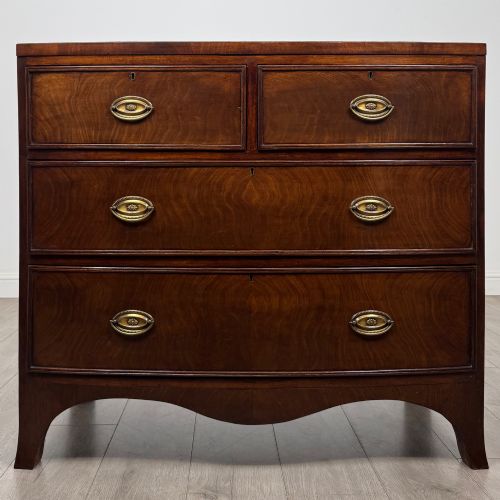
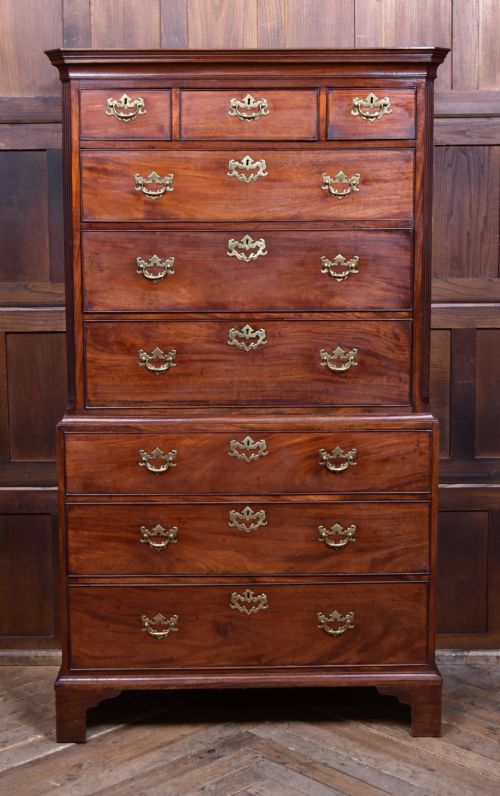
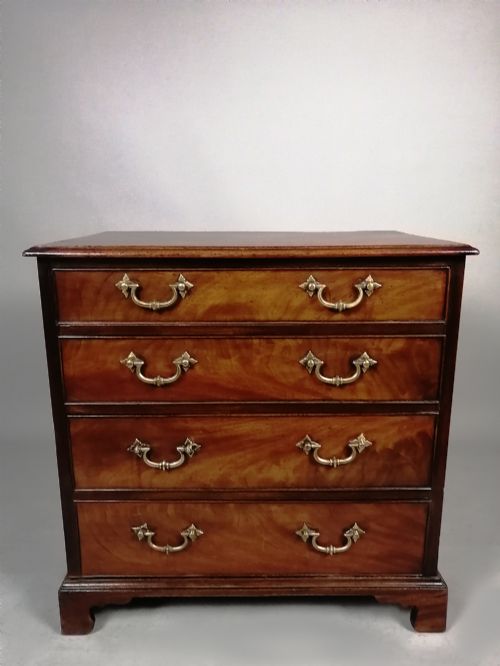
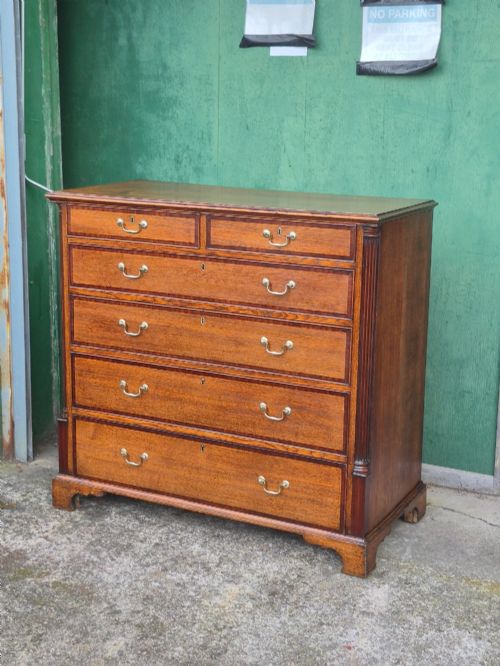
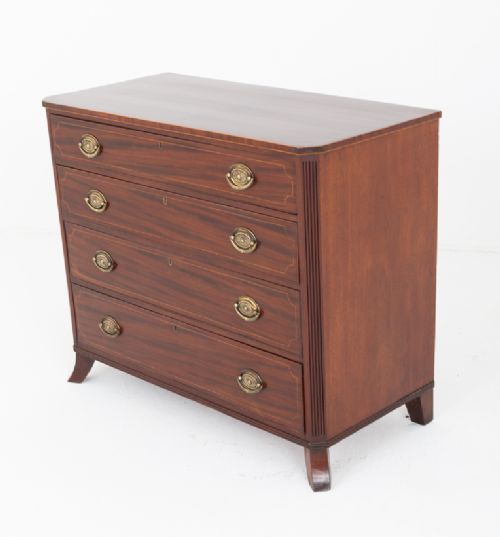
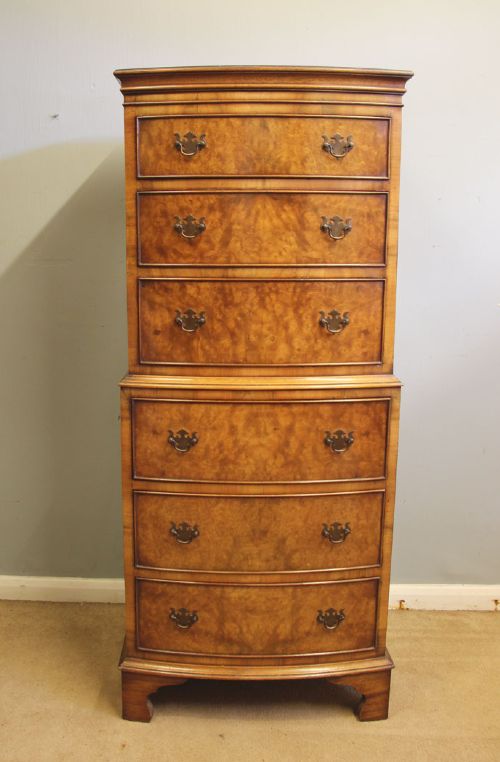
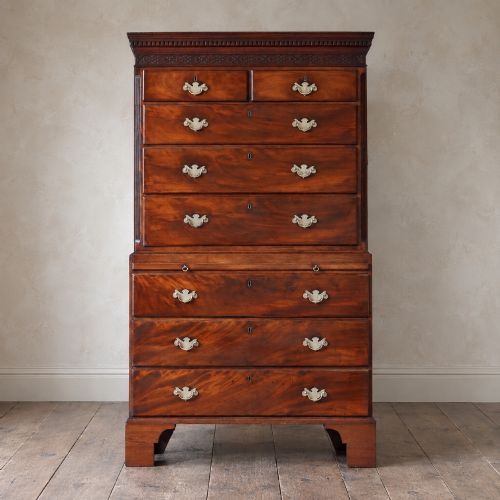
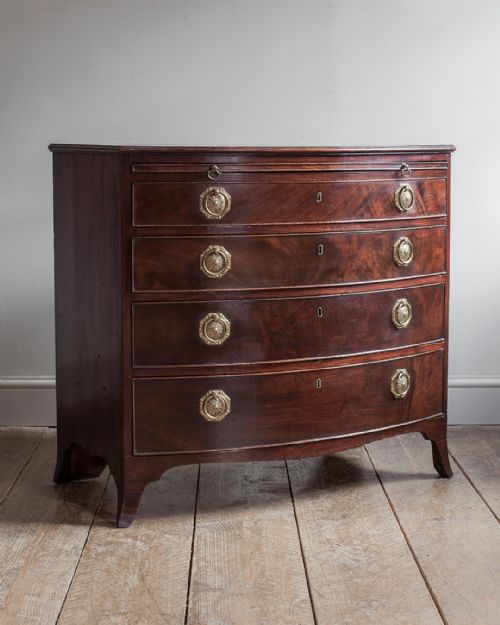
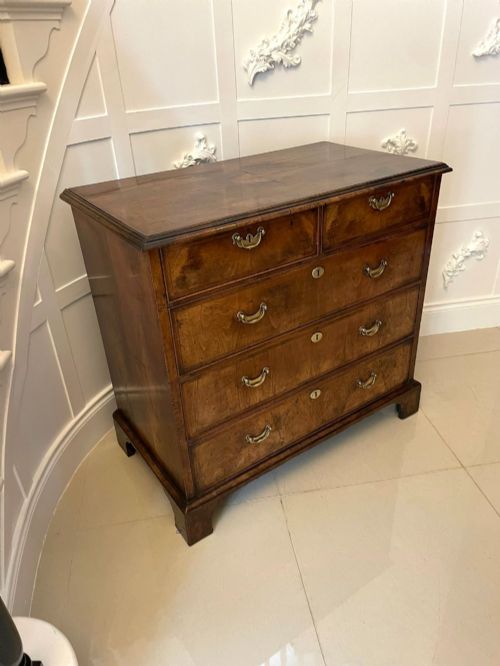
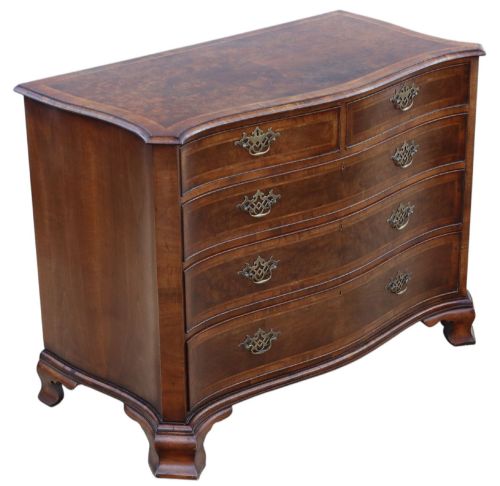
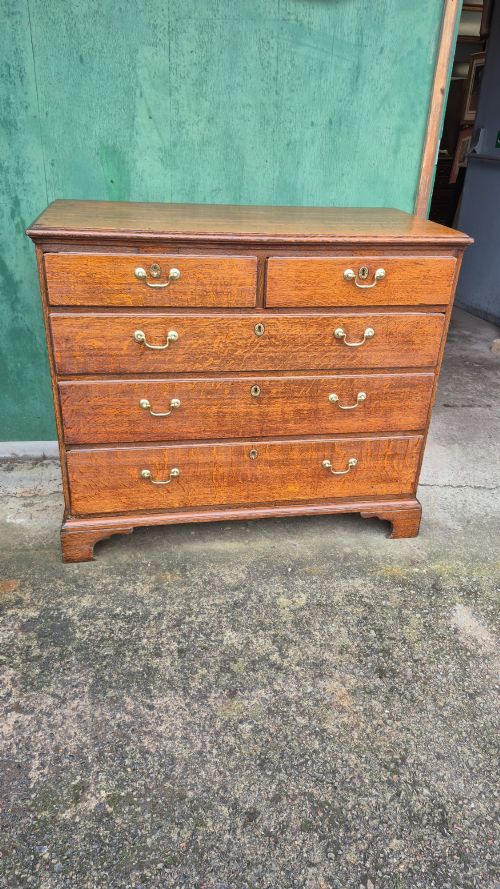
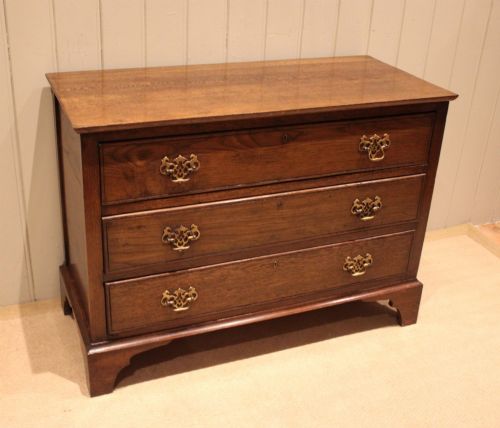
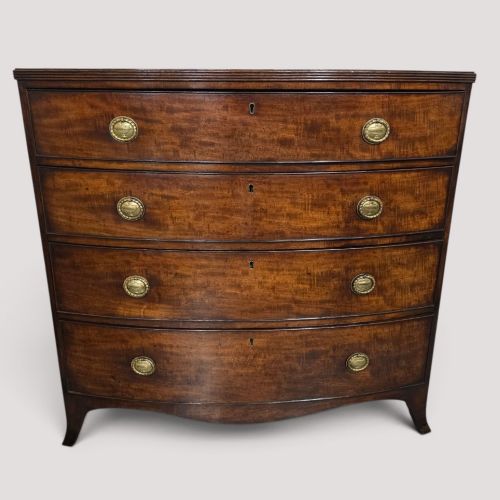
Georgian bedroom storage drawers encompass a variety of case furniture designed for domestic storage, predominantly appearing as chests of drawers, bow front chests, chests on chests, and dressing chests. You are most likely to meet mahogany and oak examples originating from the eighteenth and nineteenth centuries, alongside later revivals.
The forms range from compact low chests to tall, narrow configurations and grand serpentine commodes. These pieces serve as functional bedroom storage, featuring multiple drawer heights arranged to hold clothing and personal items.
How they were made
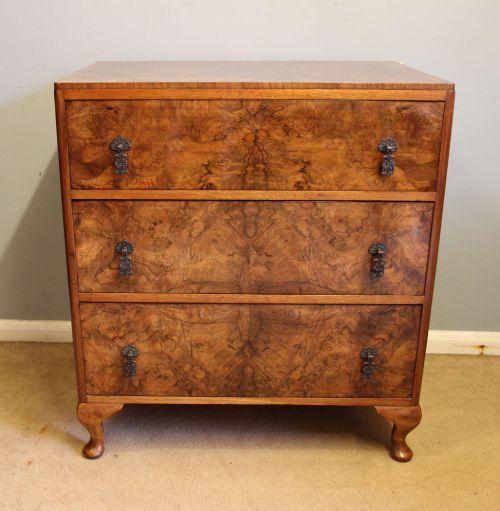
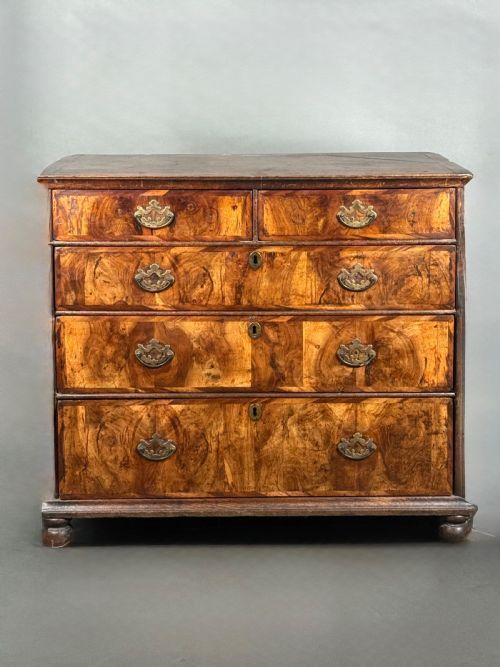
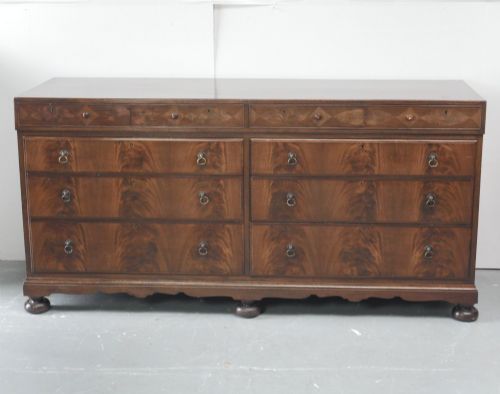
Cabinetmakers utilised solid timbers and decorative veneers such as mahogany, oak, walnut, flame mahogany, and burr walnut, often highlighting grain patterns with satinwood banding and crossbanding. Construction relied on traditional joinery methods suited to heavy daily use.
Metal hardware, specifically brass handles and escutcheons, complemented the timber surfaces. Surfaces were finished to emphasise the natural figure of the wood, particularly on figured walnut and flame mahogany panels.
Some nineteenth-century drawers still retain faint traces of old herbal sachets tucked deep down behind the bottom boards.
What varies in quality
The distinction between tiers of quality rests on the selection of timber veneers, such as finely matched burr walnut or flame mahogany, and the precision of crossbanding and inlay work. Superior examples demonstrate careful grain alignment across the drawer fronts and cabinet sides.
Whytock & Reid·J Moorcroft
The Georgian Bedroom Storage Drawers Glossary
- Bow front
- A cabinet front that curves outward in a convex shape, frequently seen on Regency and Georgian chests. This shape softens the profile of the case furniture.
- Chest on chest
- A tall storage unit formed by stacking one chest of drawers directly on top of another, often called a tallboy. This design maximises vertical storage capacity.
- Brushing slide
- A pull-out shelf integrated into the upper section of a chest, historically used for folding garments or grooming. It slides flush into the cabinet frame when not in use.
- Crossbanding
- A border technique where thin strips of veneer are laid perpendicular to the grain of the main surface. This frames the drawer fronts with a contrasting border.
- Serpentine
- A shaped front featuring a concave centre flanked by convex outer curves. This flowing contour requires advanced woodworking skill.
Georgian Bedroom Storage Drawers: Frequently Asked Questions
What is a brushing slide used for?
A brushing slide provides a convenient pull-out shelf surface just below the top surface of the chest. Historically, people utilised this shelf for folding clothes or as a writing ledge.
Today, it maintains its practical function while adding a layer of architectural detail to the upper drawers.
What woods were used in these drawers?
Cabinetmakers primarily constructed these storage pieces using native and imported hardwoods like mahogany, oak, and walnut. They often applied decorative veneers such as flame mahogany or burr walnut to the primary surfaces.
Satinwood and brass frequently appeared as contrasting inlay and hardware elements.
Where were these chests placed originally?
These chests served as primary bedroom storage furniture for holding garments, linens, and personal accessories. Their varied heights and configurations allowed them to fit into different rooms around the house.
Over time, their practical utility made them adaptable to hallways and living spaces as well as bedrooms.
What distinguishes a chest on chest?
A chest on chest consists of two separate drawer sections stacked vertically, providing significantly greater storage capacity than a standard single chest. The upper section usually contains smaller drawers than the lower base.
This proportion creates a tall, commanding presence in a room.