

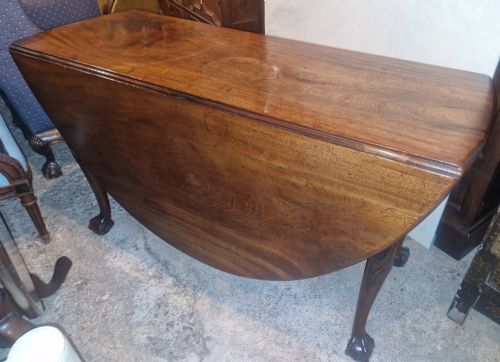
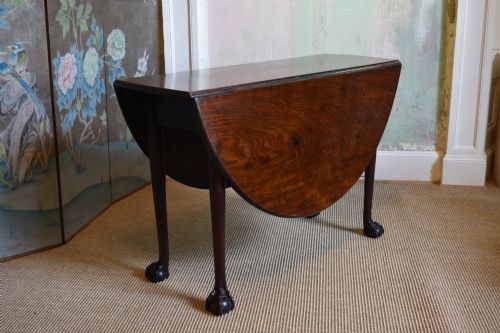
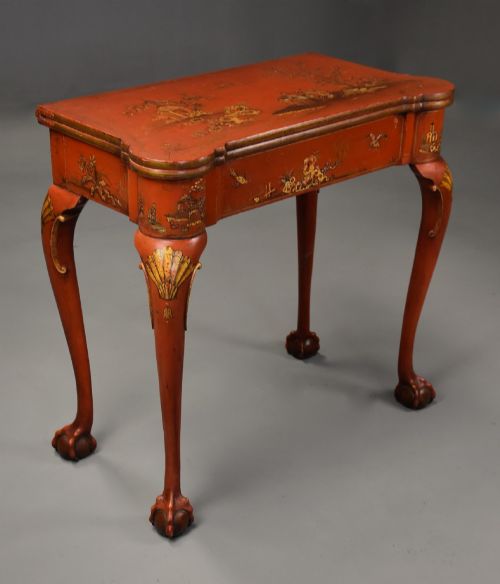
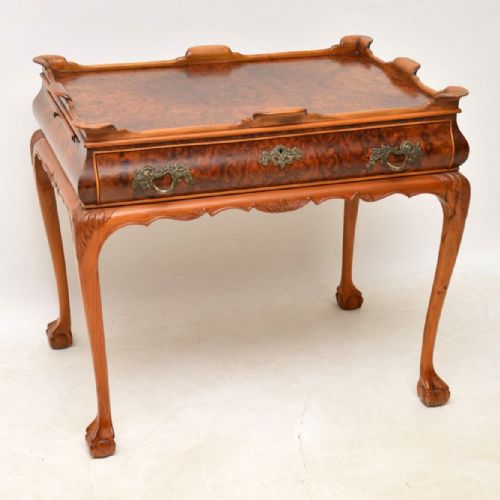
Georgian Ball Claw Table
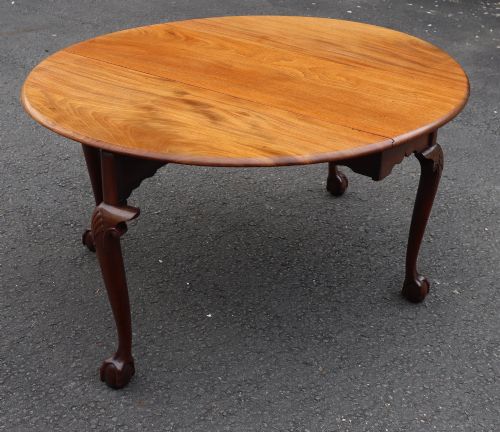
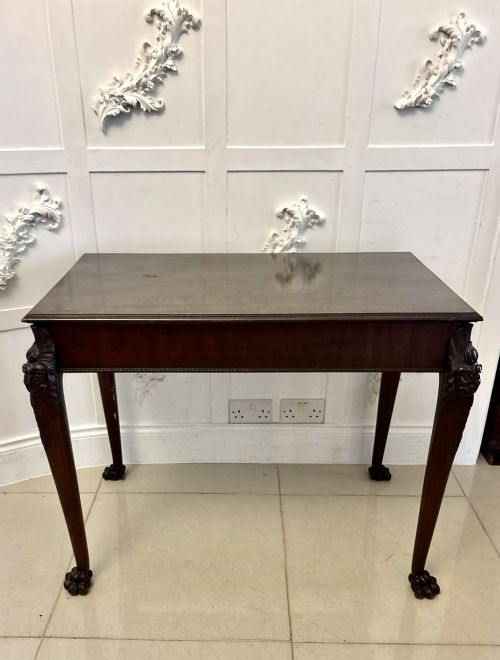
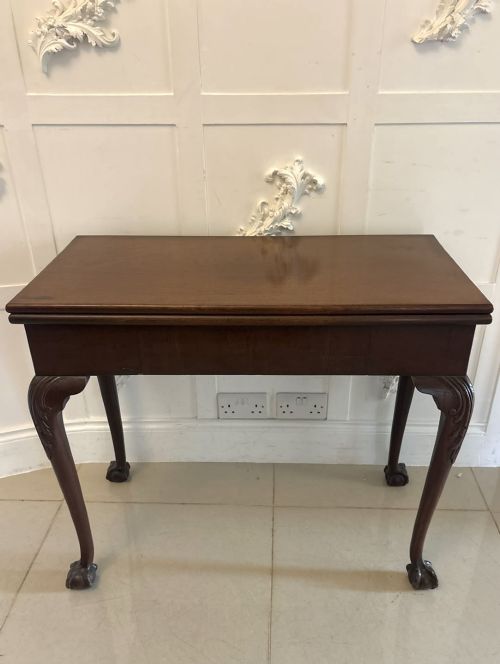
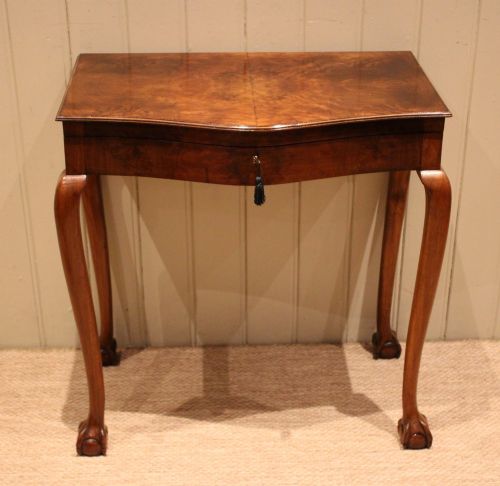
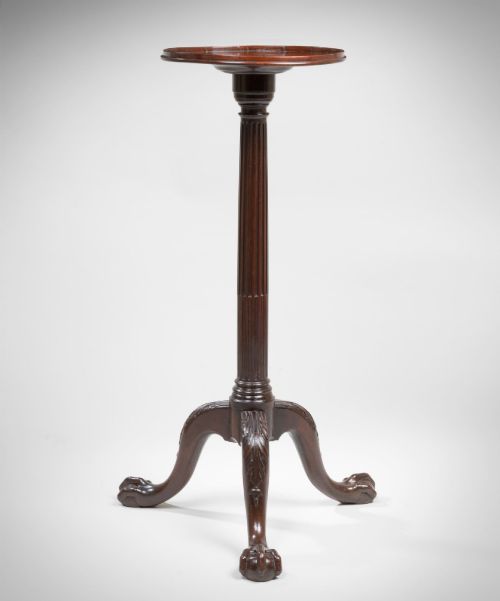
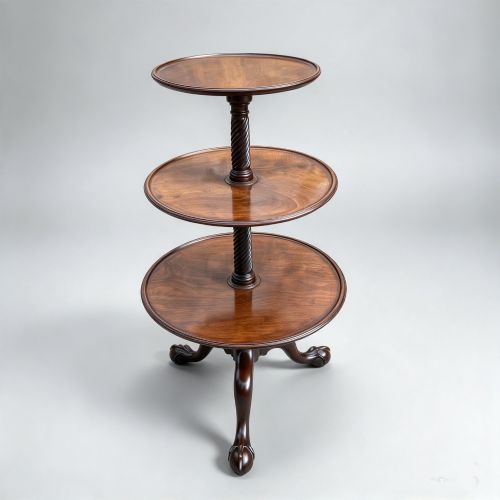
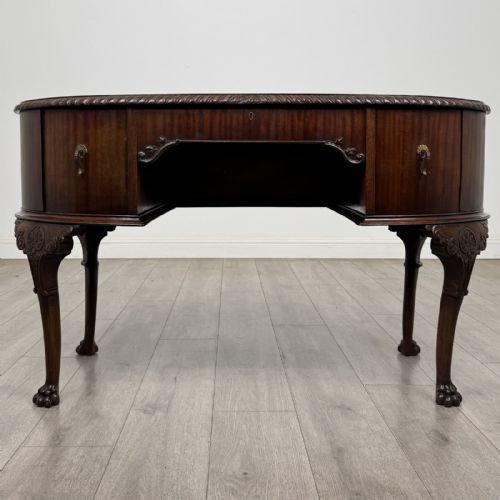
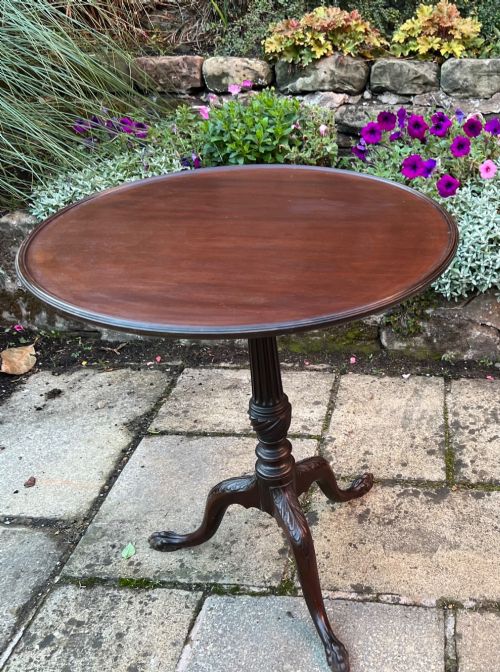
A georgian ball claw table anchors a room with sculptural cabriole legs ending in powerful grip feet.
Georgian Ball Claw Table
A georgian ball claw table brings together domestic utility and distinctive animalistic foot carving, spanning periods from the eighteenth century into later revival eras. Buyers seek these forms for their robust proportions and rich timber surfaces, which range from simple drop leaf tables to elaborate card and centre tables.
The selection on this page centres heavily on mahogany and walnut timbers fashioned into side tables, card tables, and occasional tripod pieces. Tables with concertina actions and foldover tops appear frequently alongside later revival pieces that emulate eighteenth century craftsmanship.
Materials and construction methods
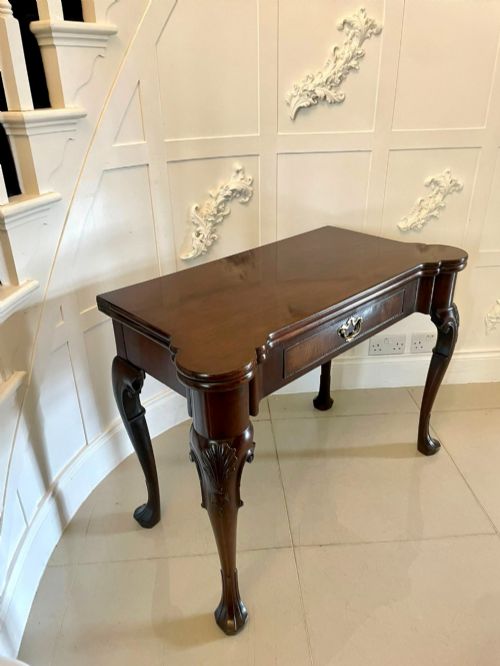
Cabinet makers utilised dense timbers like mahogany and walnut, frequently selecting figured or burr veneers for table tops and drawer fronts. Secondary woods provided structural stability within frames, while brass hinges and catches managed foldover mechanisms and concertina actions.
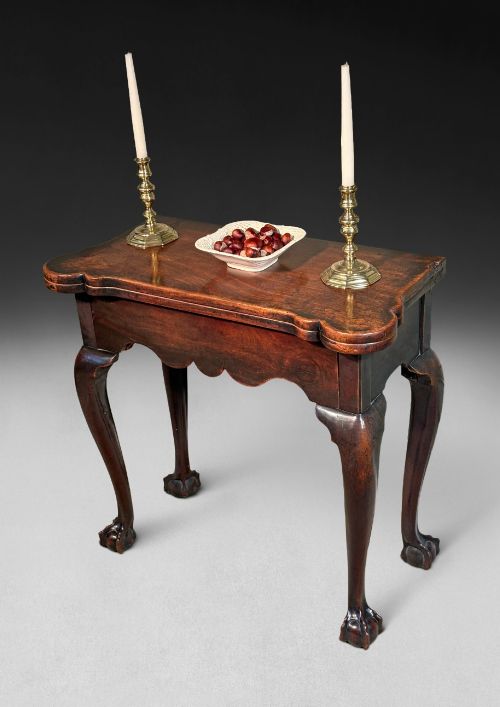
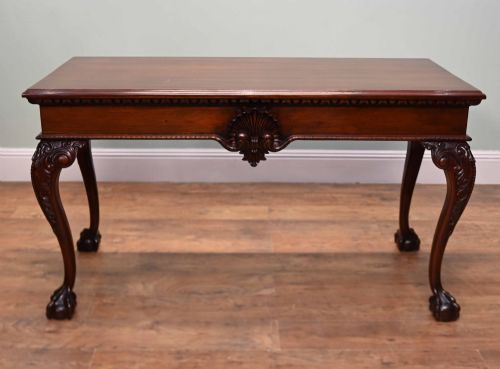
Carving required skilled hand work to shape the signature ball and claw feet at the base of cabriole legs, often complemented by carved knees featuring acanthus leaves or shell motifs. Timber surfaces received multiple applications of polish or wax to build a deep patina over decades of use.
Georgian Ball Claw Table Retail Price Guide 2026
Typical asking prices for georgian ball claw table among the pieces listed under this phrase on Sellingantiques today, from the lower quarter to the upper quarter. They describe what is for sale here now, not the wider market.
The furniture forms span dining tables, card tables, desks, and torchere stands across Georgian and Edwardian eras.
Separating ordinary from exceptional execution
Quality rests in the anatomical precision of the carved foot and the crispness of detail on the cabriole knee. Lesser examples display heavy, rounded claws lacking tension, whereas superior pieces show distinct talons gripping a sphere with visible sinew and bone structure.
Timber selection and secondary framing dictate structural integrity, distinguishing master cabinet work from standard production. Grain continuity across foldover leaves and the retention of original finish surfaces separate authentic period pieces from later interpretations.
Giles Grendey
The Georgian Ball Claw Table Glossary
- Cabriole leg
- A furniture leg that curves outward at the knee and tapers inward toward the ankle, mimicking animal limbs. This form provides inherent strength without heavy stretchers.
- Concertina action
- An expanding frame mechanism used on card tables that pulls outward like an instrument to support a foldover top. It provides a level surface when opened.
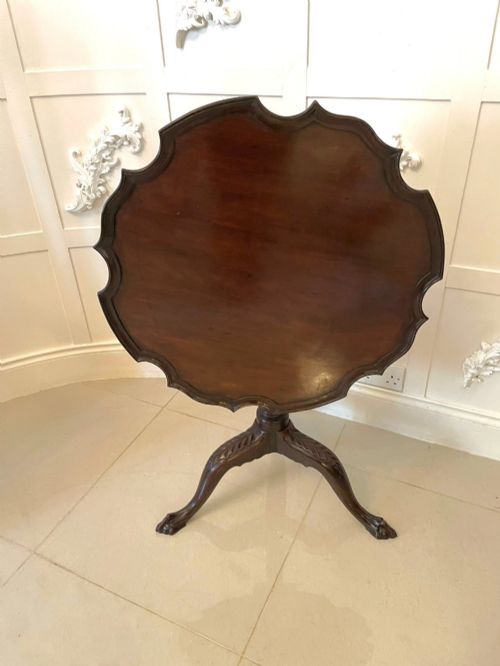
- Piecrust edge
- A raised, scalloped carved border along the perimeter of a circular table top, resembling pastry work. Artisans shaped this feature entirely from solid timber boards.
- Tilt top
- A mechanism allowing a table top to pivot vertically on a pillar when not in use, saving floor space in smaller rooms. A brass catch secures the top in the horizontal position.
Georgian Ball Claw Table: Frequently Asked Questions
What is a ball and claw foot?
A ball and claw foot is a carved furniture terminal where a bird talon or animal paw grips a spherical ball. This decorative motif gained popularity in British furniture during the eighteenth century.
Craftsmen often based the design on Chinese dragon claws clutching a pearl, adapting the concept into domestic tables and seating.
How do I identify an eighteenth century table?
Authentic eighteenth century examples display hand cut joinery, timber shrinkage consistent with age, and structural framing built from period hardwoods like mahogany and walnut. Tool marks left by hand saws and chisels remain visible beneath components.
Revival pieces from later centuries frequently utilise machine cut elements and standardised fixings that differ from original manufacturing practices.
What were concertina action tables used for?
Concertina action tables functioned primarily as gaming or card tables in domestic parlours. The extending frame supported the unfolded top during social evenings involving whist or chess.
When closed, the console stood against a wall as a decorative side table holding lighting or decorative objects.
How should I care for a mahogany table?
Maintain mahogany surfaces by applying microcrystalline wax sparingly and buffing with a soft cloth to preserve the timber finish. Avoid placing tables near direct heat sources or strong sunlight to prevent wood splitting and fading.
Use coasters and felt pads beneath items placed on the top to protect the polished wood from moisture rings and scratches.