

George III Wine Coolers
George iii wine coolers are robust dining vessels designed to chill bottles at table, combining practical metal or zinc linings with handsome timber construction.
George III Wine Coolers
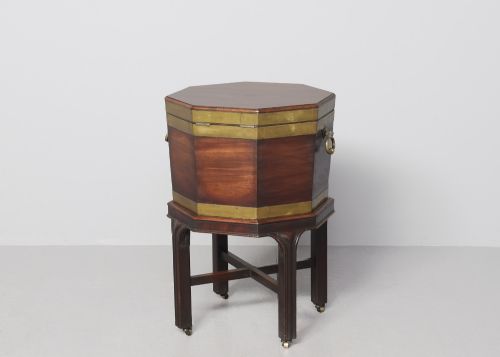
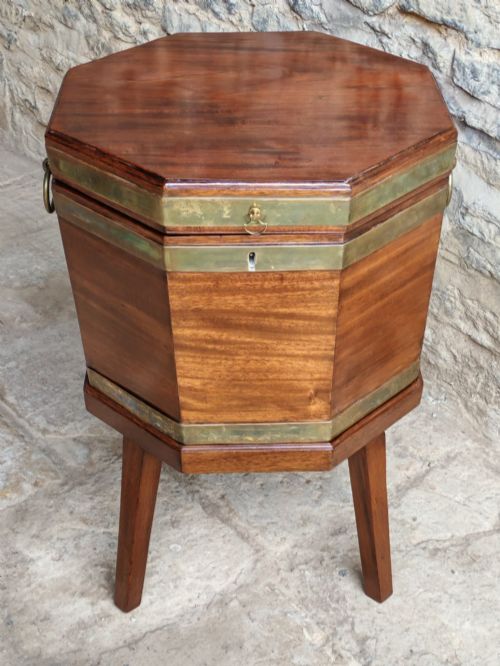
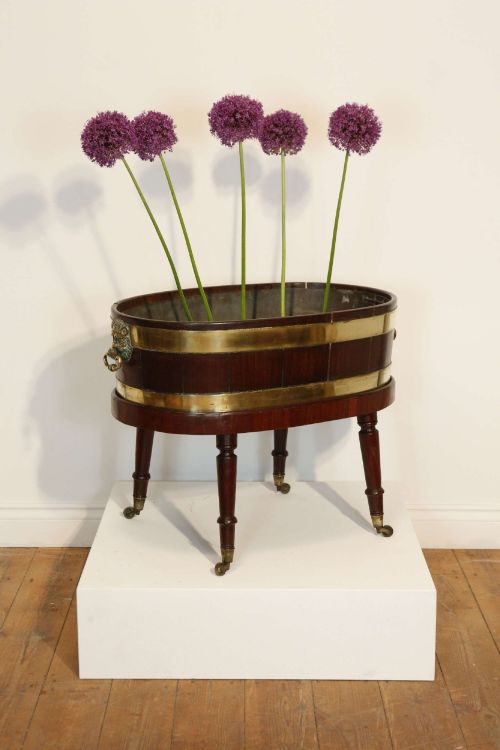
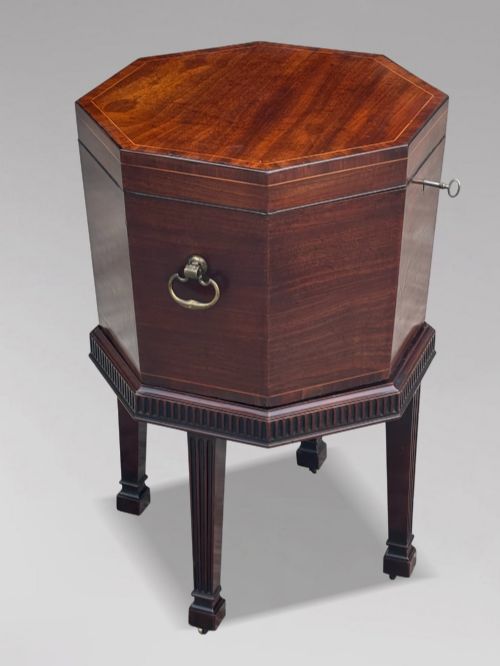
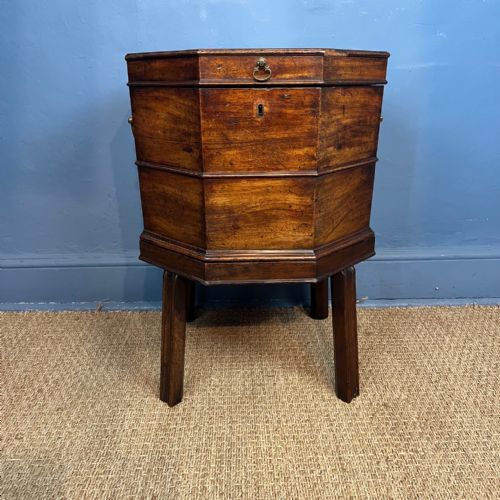
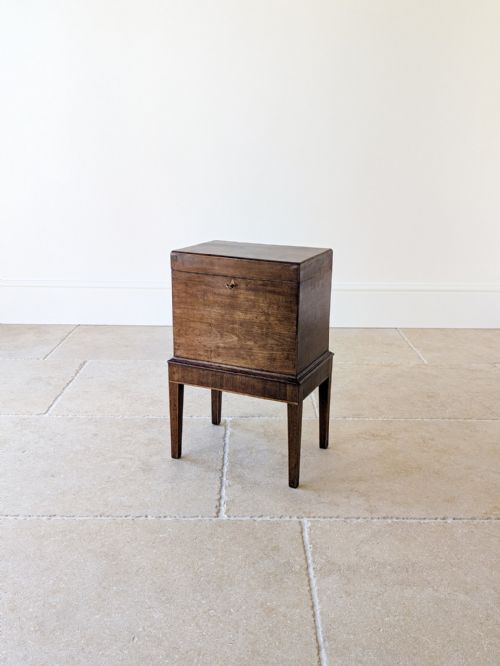
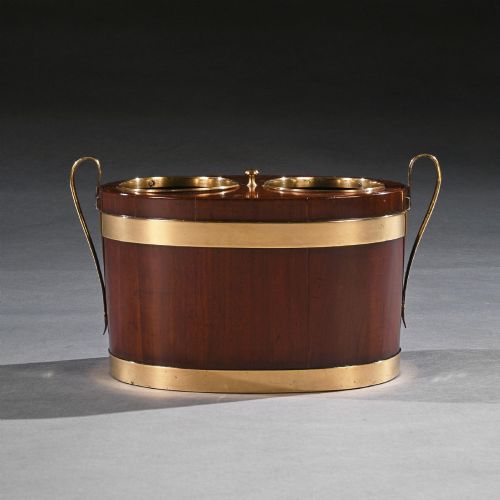
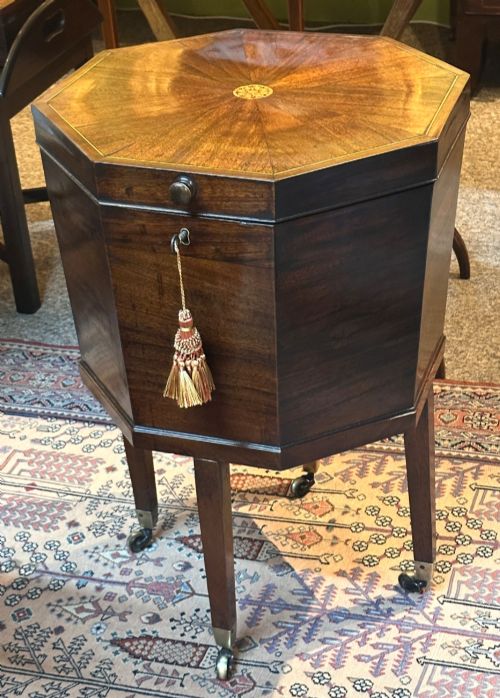
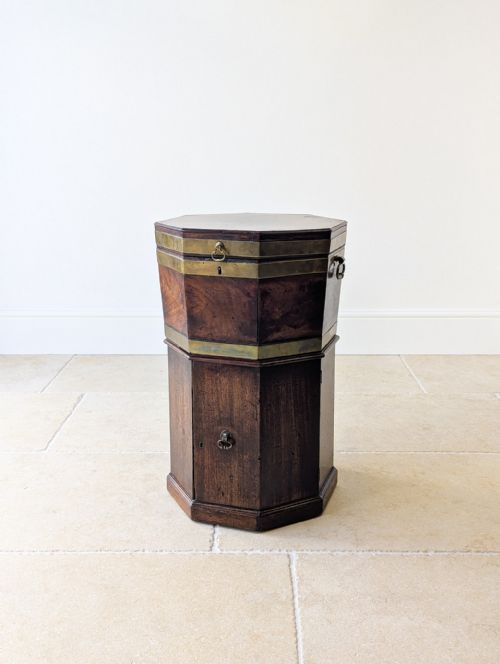
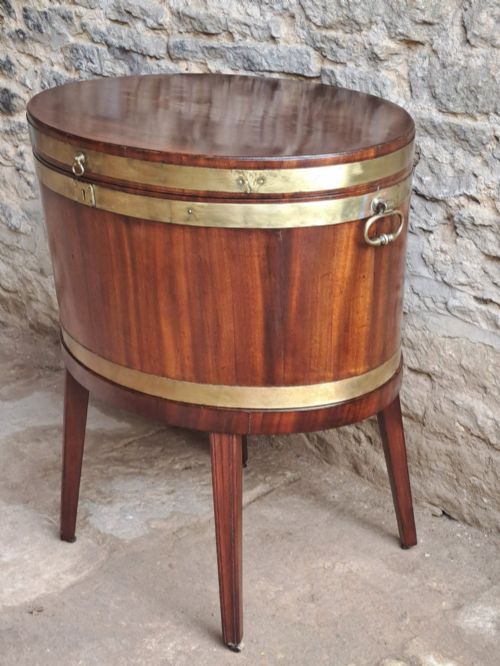
George iii wine coolers appear primarily as mahogany octagonal, oval, and hexagonal vessels, frequently strengthened with heavy brass bands. These pieces served the dining room by holding ice alongside wine and champagne bottles during long meals.
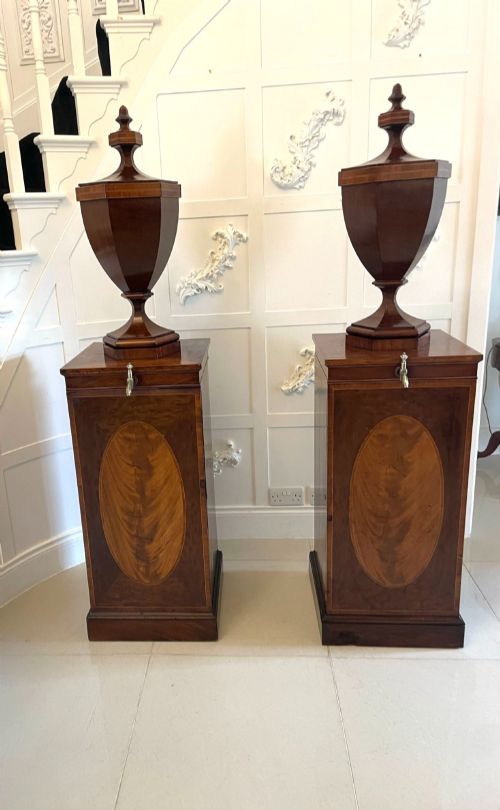
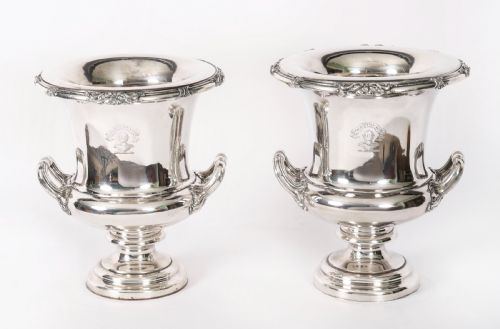
The buyer meets numerous variations on this page, ranging from freestanding pedestal cabinets and wine urns to smaller table coolers and cellarettes fitted with internal compartments. Later revival pieces also emerge, spanning the nineteenth century alongside the original eighteenth-century items.
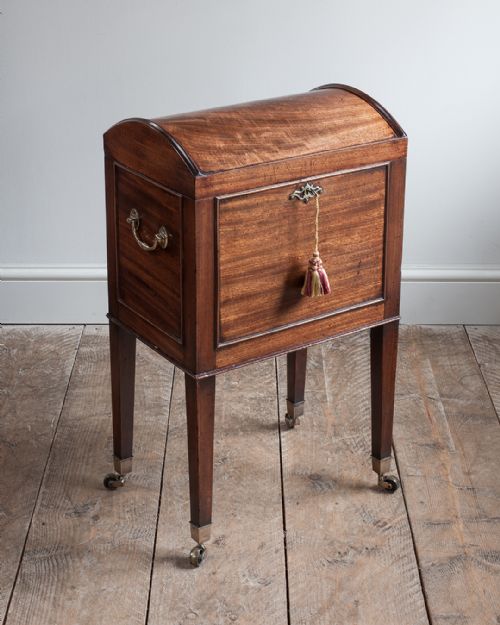
Makers utilised various supporting structures, mounting some vessels upon distinct stands while others rest directly on the floor or feature integrated castors for mobility around the dining parlour.
Materials and Construction
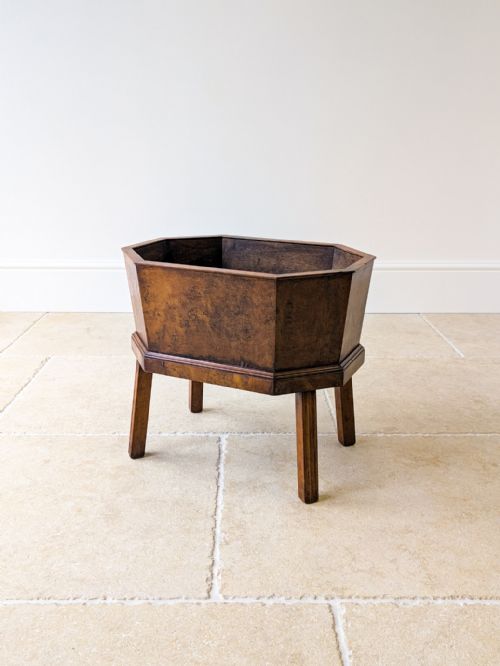
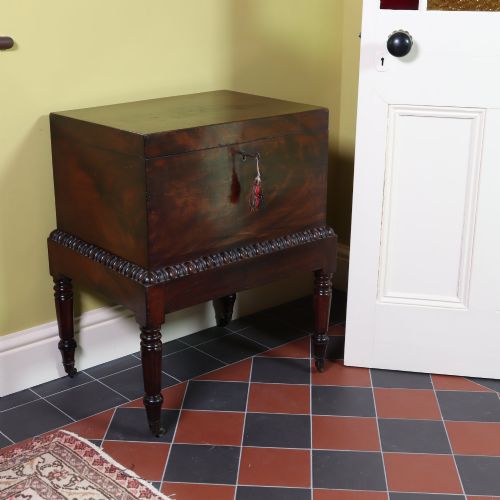
Cabinetmakers constructed the primary bodies from dense timbers such as mahogany, burr elm, walnut, and satinwood, occasionally adding boxwood stringing or intricate inlay. Flame mahogany veneers deliver distinctive figured surfaces across many of the finer examples.
Internal functionality required metal linings, prompting craftsmen to fit zinc, copper, or lead containers inside the wooden shells to hold ice and water safely without leaking onto the surrounding joinery. Brass hoops, handles, and castors complete the physical structure, secured tightly around the timber staves.
George III Wine Coolers Retail Price Guide 2026
Typical asking prices for george iii wine coolers among the pieces listed under this phrase on Sellingantiques today, from the lower quarter to the upper quarter. They describe what is for sale here now, not the wider market.
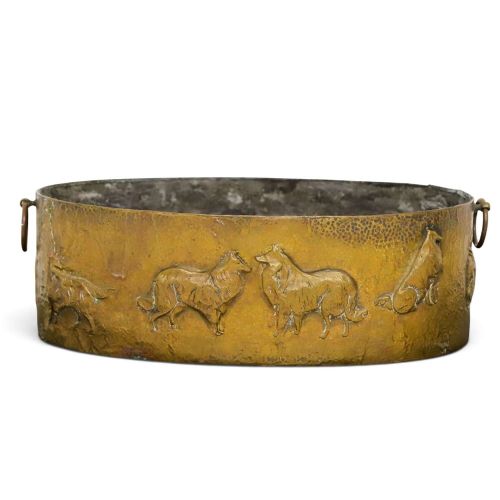
The inventory records multiple variations utilising satinwood inlay, alongside occasional copper bodies decorated with hand-painted dog breeds.
Distinctions in Quality
The refinement of the timber figure and the crispness of the brass binding dictate the upper tier of these pieces. Fine patination on untouched mahogany surfaces elevates an item well above standard utilitarian examples.
Structural complexity also defines superior manufacture, seen in sophisticated serpentine fronts, intricate satinwood banding, or complete matching stands. Original internal metal liners and functioning original taps further distinguish the finest specimens from altered or later-assembled pieces.
Gillows·Samual Norman
The George III Wine Coolers Glossary
- Cellaret
- A lockable container used to store wine bottles near the dining table. They often match the timber and style of the surrounding dining furniture.
- Brass-bound
- A technique where metal hoops encircle wooden staves to provide structural strength. This method borrows directly from traditional cooperage used for water casks.
- Jardinière
- An ornamental pot or stand designed to hold plants or flowers. Certain deep vessel forms serve this decorative purpose interchangeably with bottle cooling.
- Serpentine front
- A curved furniture front featuring a convex centre flanked by concave wings. This graceful contour demands high skill from the cabinetmaker.
- Plate bucket
- A deep cylindrical wooden bucket fitted with brass bands. These containers held washing water or tableware during large dinner services.
George III Wine Coolers: Frequently Asked Questions
How did people use george iii wine coolers?
Servants filled the internal metal liners with ice and water before placing wine or champagne bottles directly into the chillers during formal meals. This kept the beverages at a proper temperature throughout lengthy courses without requiring trips to the cellar.
After dining, the vessels remained in the room to secure remaining bottles under lock when the cellarette included a functioning mechanism. Their sturdy construction allowed staff to roll heavier floor-standing models across the carpet easily.
What timber species appear on these coolers?
Mahogany dominates the surviving inventory, appearing in straight-grained planks as well as highly figured flame variations and rich walnut pairings. Cabinetmakers also selected exotic decorative woods like satinwood and burr elm for banding and feature panels.
Secondary timbers provided internal support framing, while boxwood frequently supplied fine contrasting stringing lines along the edges. Brass and copper components formed the structural bands and waterproof internal linings.
How do period pieces differ from revival versions?
Eighteenth-century originals display authentic period construction methods, timber ageing, and hand-forged metal fixings that reflect the working practices of georgian workshops. These items carry the specific wear patterns and patination accumulated over centuries of domestic service.
Revival pieces, manufactured around the later nineteenth century, utilise older stylistic motifs but exhibit different machinery marks and secondary wood choices. These later interpretations often replicate earlier georgian proportions while maintaining distinct nineteenth-century manufacturing traits.
Where should a cooler sit in a modern room?
Floor-standing models suit placement beside a sideboard or dining table, functioning visually much as they did in historic interiors. Tabletop versions rest securely on sideboards, serving tables, or dedicated low stands.
Owners frequently repurpose the deep interior compartments to hold rolled blankets, magazines, or large indoor plants when not utilising the vessels for entertaining. Their substantial timber presence anchors a room's decorative scheme effectively.