




George III Vanity Box
A george iii vanity box brings Georgian craftsmanship straight to the dressing table, offering neat compartments and mirrors for daily grooming.
George III Vanity Box
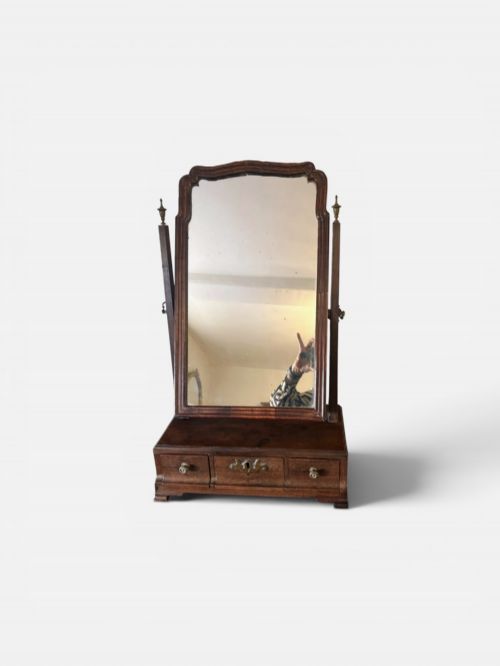
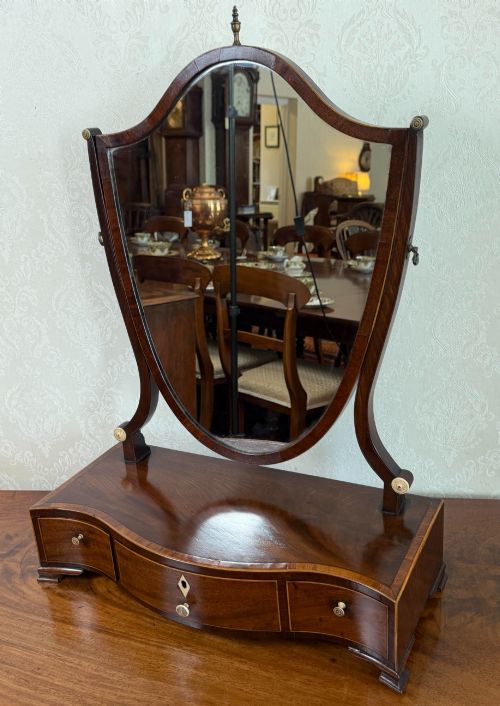
A george iii vanity box encompasses compact dressing table mirrors and small boxes designed for personal grooming during the Georgian and Regency periods. Most items seen here take the form of toilet mirrors with box bases, alongside smaller sterling silver soap, patch, pill, and jewellery boxes.
Makers of the era constructed these pieces in mahogany, satinwood, harewood, and walnut, frequently incorporating intricate stringing and serpentine oval shapes. The selection leans heavily towards upright dressing mirrors equipped with functional drawers and adjustable glass plates.
How they were made
Cabinetmakers utilised dense timbers like mahogany and walnut as the primary structural foundations, often veneering surfaces with figured satinwood, harewood, and boxwood. Brass fittings, bone accents, and sterling silver components added both structural integrity and refined decorative contrast.
Glass plates within adjustable frames allowed users to alter their reflection during grooming, while fitted interior compartments safely housed small personal items. Fine boxwood and ebony stringing outlined the drawer fronts and mirror frames, demonstrating precise marquetry techniques.
George III Vanity Box Retail Price Guide 2026
Typical asking prices for george iii vanity box among the pieces listed under this phrase on Sellingantiques today, from the lower quarter to the upper quarter. They describe what is for sale here now, not the wider market.
Georgian gentlemen required tiny sterling silver boxes just to keep their breath mints and small medical pills from rattling about.
What varies in quality
Superior examples distinguish themselves through the choice of timber figurations, such as highly figured flame mahogany or expertly matched satinwood veneers. The intricacy of the woodwork also dictates standard, particularly where makers shaped serpentine outlines and employed delicate boxwood stringing.
The integration of precious materials like hallmarked sterling silver elevates certain soap and pill boxes far above standard brass-fitted counterparts. Original mirror glass, sound drawer construction, and intact internal fittings further separate exceptional pieces from simpler utilitarian items.
Paul Storr
The George III Vanity Box Glossary
- Serpentine
- A gently curved shape featuring a convex centre flanked by concave sides. This undulating contour appears frequently on superior George III dressing mirror drawer bases.
- Stringing
- A narrow strip of contrasting wood inlaid into the surface of a piece to create decorative borders. Cabinetmakers used boxwood and ebony for this detailed inlay work.
- Toilet mirror
- A small mirror mounted on a box base or upright frame designed to sit upon a dressing table. These mirrors often included small drawers for storing cosmetics and trinkets.
- Harewood
- Sycamore wood that has been stained to a distinctive greyish-brown hue. It was favoured by Georgian cabinetmakers for high-end decorative veneering.
George III Vanity Box: Frequently Asked Questions
How were these boxes used?
These boxes and mirrors supported daily personal grooming routines in Georgian bedchambers and dressing rooms. Users relied on the adjustable glass plates for dressing while storing small valuables within the integrated compartments.
Smaller silver boxes held specific items like patches, pills, or soap for travel and domestic use. The combination of mirrors and drawers kept essential accessories organised in one accessible place.
How do I distinguish periods?
Distinguishing periods relies on observing timber choices, decorative motifs, and overall furniture forms. Pieces from the George III era frequently exhibit mahogany construction, delicate stringing, and serpentine outlines.
Later Regency examples introduce alternative design sensibilities while retaining functional storage elements. Comparing hardware styles and veneer types helps clarify the exact date of manufacture.
How do I care for timber pieces?
Caring for antique timber requires maintaining stable indoor humidity levels away from direct heat sources. Gentle dusting with a soft, dry cloth preserves the polished finish of mahogany and satinwood surfaces.
Avoiding harsh chemical polishes protects the historic integrity of the wood and any inlaid stringing. Regular checks of hinges and mirror mountings ensure the structural parts remain secure.