
George III Tripod Stand
A george iii tripod stand brings compact stability and refined form to any room, offering versatile surfaces from wine tables to pole screens.
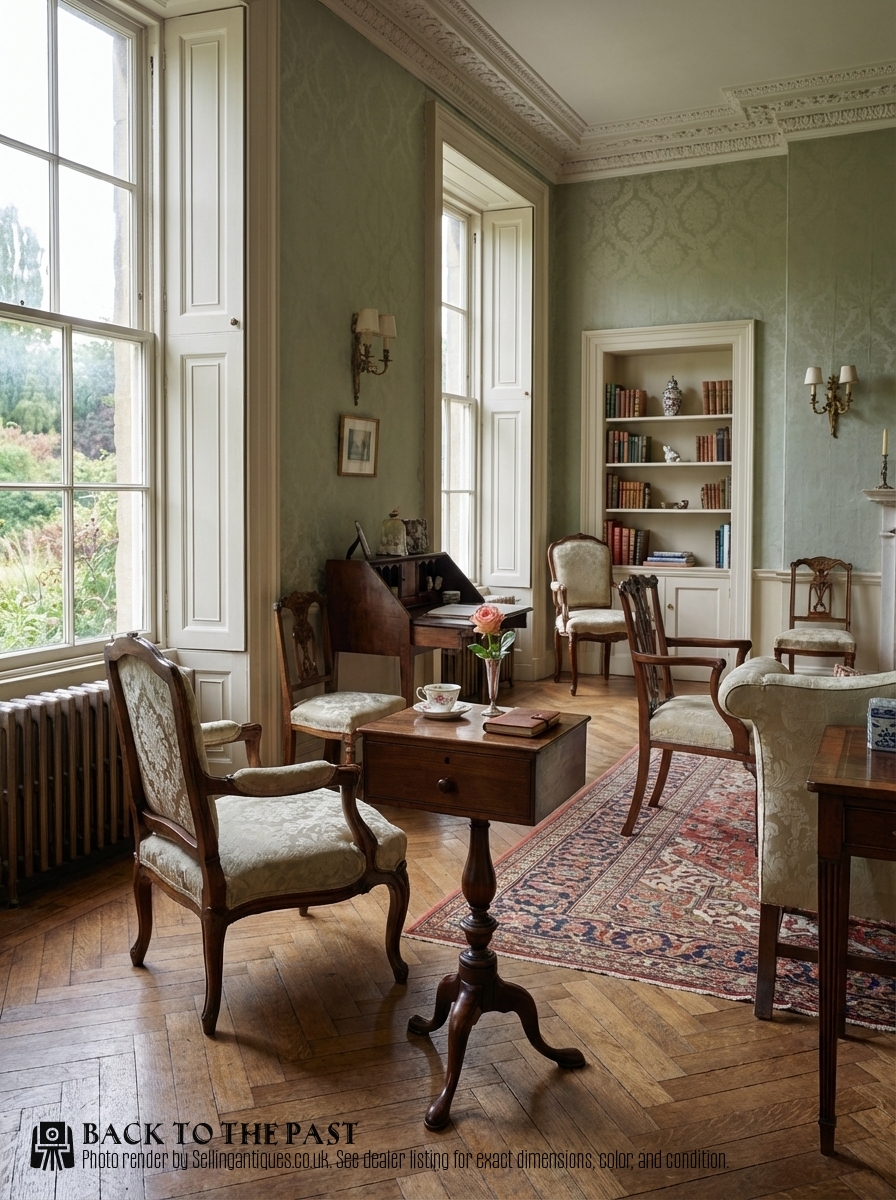
George III Tripod Stand
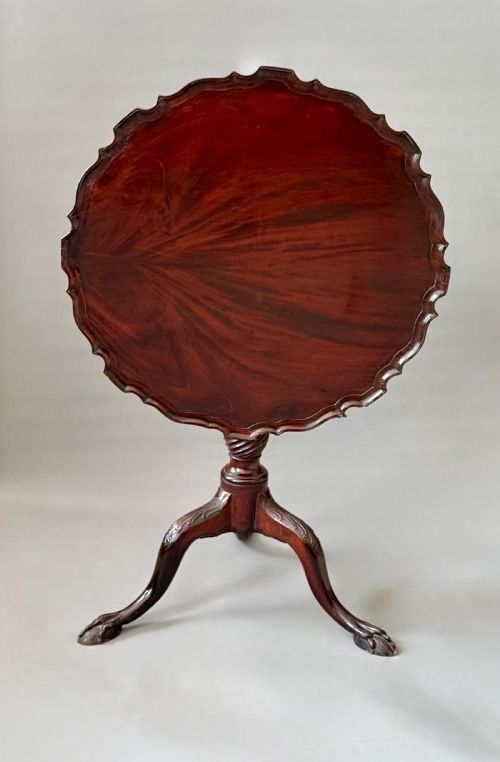
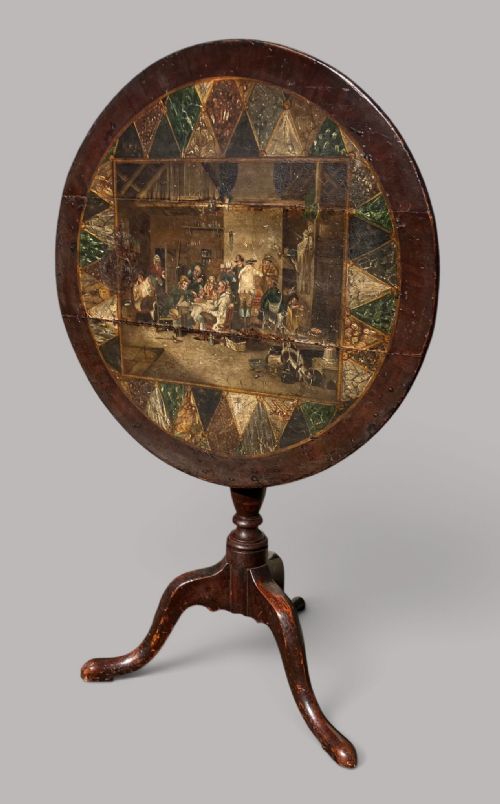
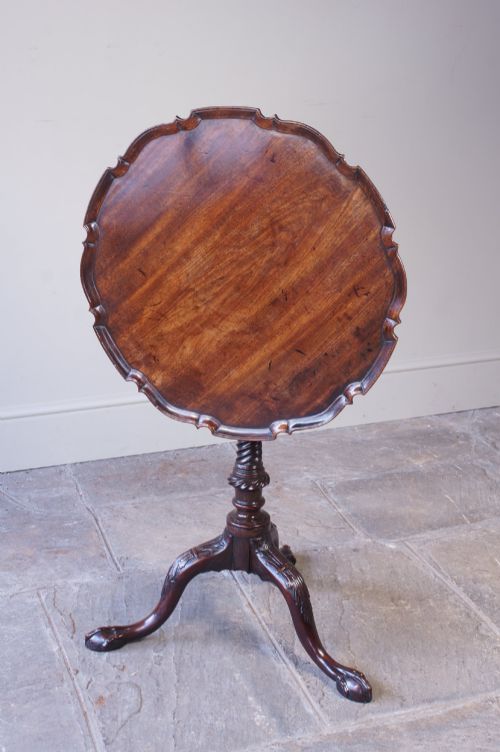
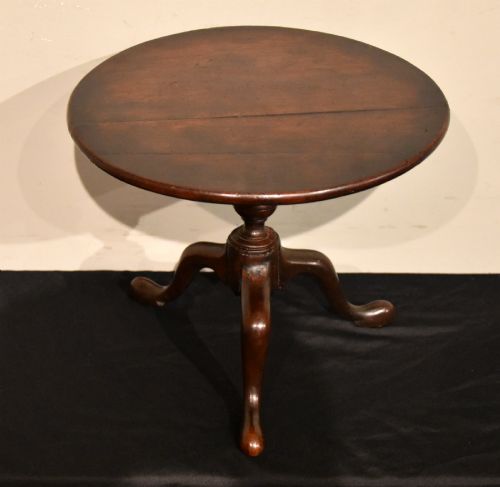
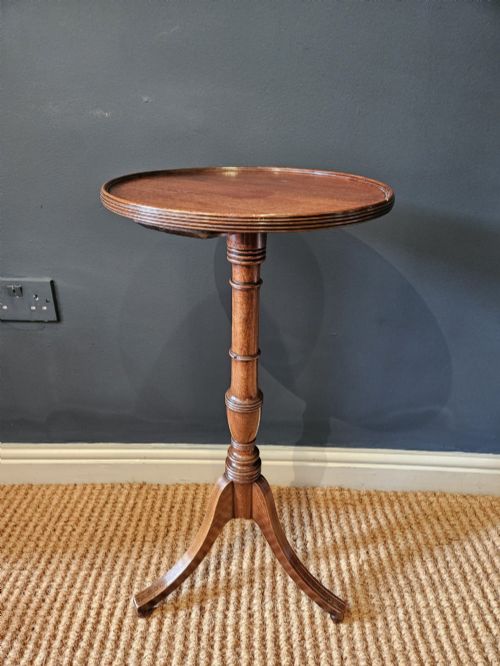
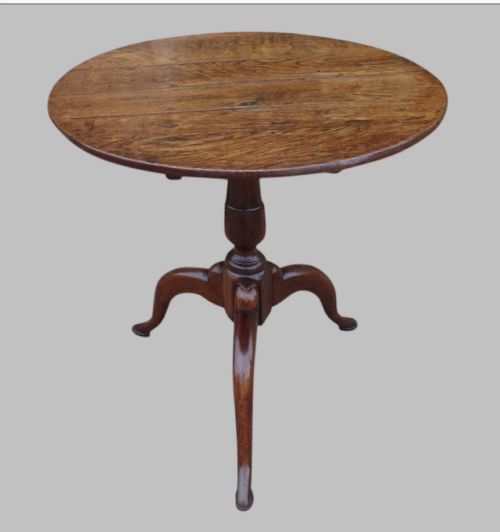
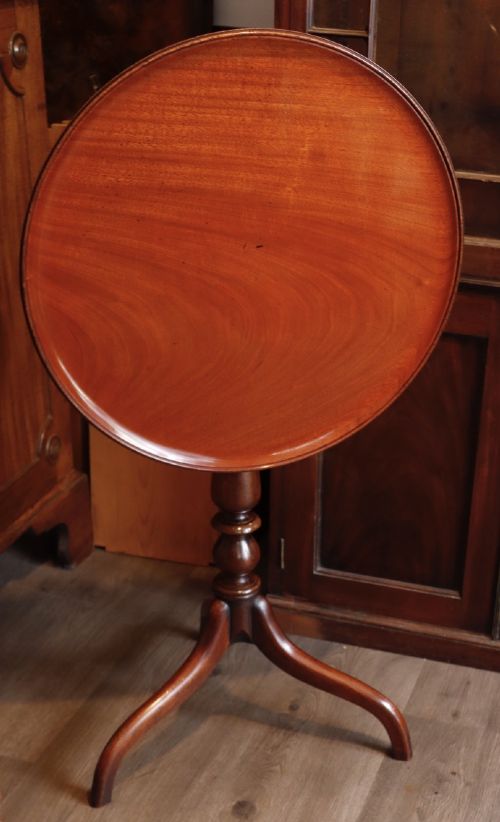
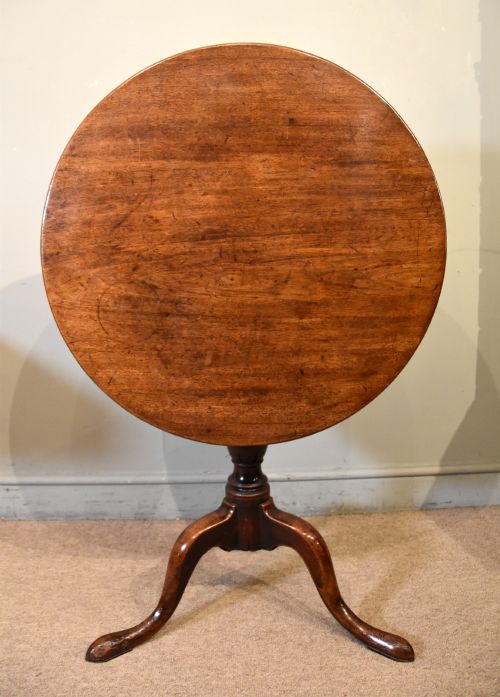
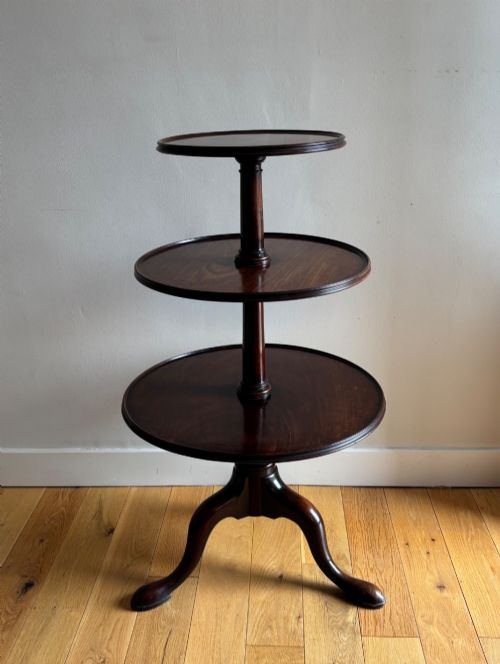
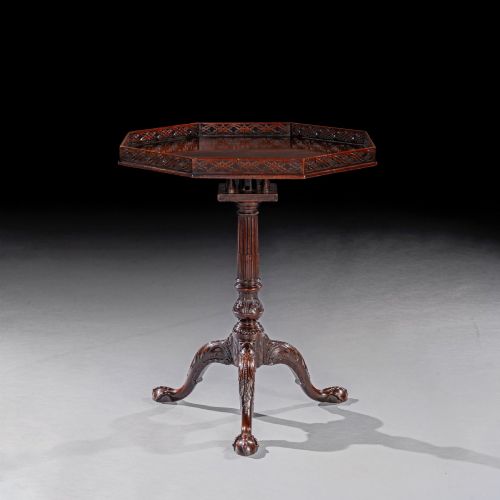
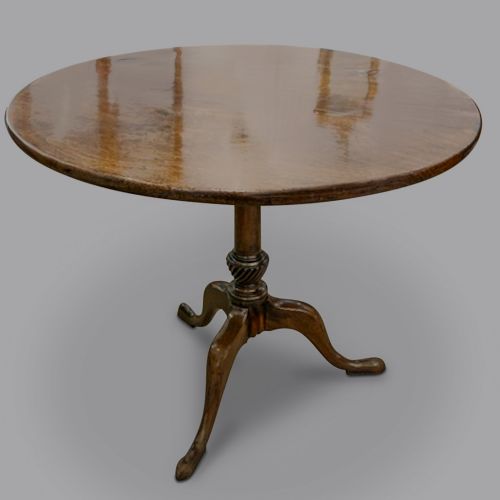
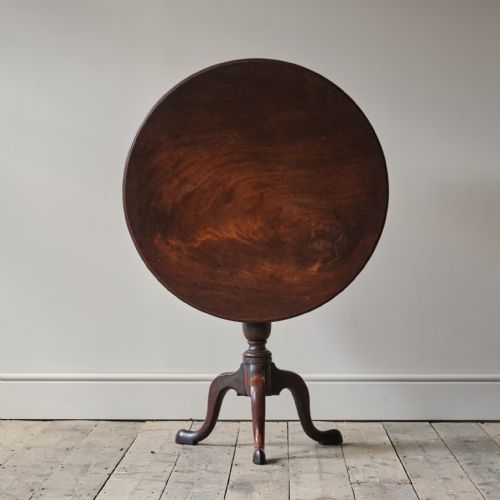
A george iii tripod stand typically comprises a slender central pillar supported by three splayed legs, designed for specific domestic tasks. Buyers encounter diverse forms in this selection, including wine tables, kettle stands, dumb waiters, candle stands, lamp tables, and pole screens.
The dominant material across these examples is mahogany, often shaped into circular, octagonal, or pie crust tops. Oak, walnut, and burr elm also appear alongside rarer additions like paper and textile in pole screens, and silver in miniature novelty frames.
Most pieces originate from the eighteenth century and the Georgian period, though revival pieces from later decades also populate the selection. These tables served practical functions in period interiors, holding candles, serving wine, or screening inhabitants from hearth heat.
How They Were Made
Joiners and cabinet-makers built these stands primarily from solid timbers like mahogany, oak, and walnut, employing turned columns and shaped legs connected by clever joinery. Tilt-top mechanisms incorporated clever catches and birdcage assemblies to allow the surface to fold away flat when not in use.
Surfaces received careful hand-finishing, sometimes incorporating elaborate details such as pie crust carving around raised rims or floral marquetry inlay in walnut. Brass fittings appeared on hinges and castor mounts where mobility was required.
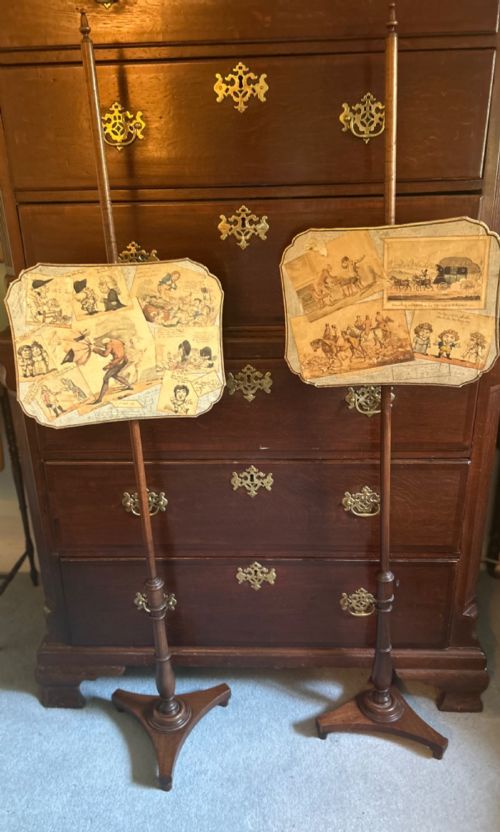
Late pole screens sometimes feature witty satirical prints rather than polite embroidery, proving that eighteenth-century drawing rooms enjoyed a good joke.
What Varies in Quality
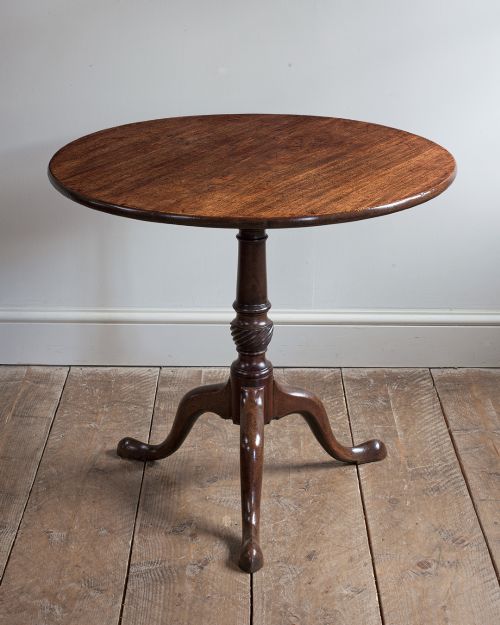
The distinction between standard examples and superior pieces rests on the crispness of the carving on the pillar and legs, the selection of timber grain, and the elegance of proportions. Subtle touches like pie crust edges, birdcage mechanisms, and rich natural colour elevate certain tables above plain utility items.
Condition and originality dictate standing within the market, particularly regarding the stability of the tripod joint and the retention of original tilt-top mechanisms. Pieces maintaining their unreplaced legs and untouched surfaces demonstrate superior craftsmanship.
The George III Tripod Stand Glossary
- Birdcage
- A wooden framework beneath the tabletop that allows the surface to both rotate and tilt. This clever mechanism enables compact storage against a wall.
- Pie crust top
- A tabletop carved from solid timber with a raised, undulating rim shaped like pastry edges. This decorative feature demands considerable skill from the carver.
- Tilt-top
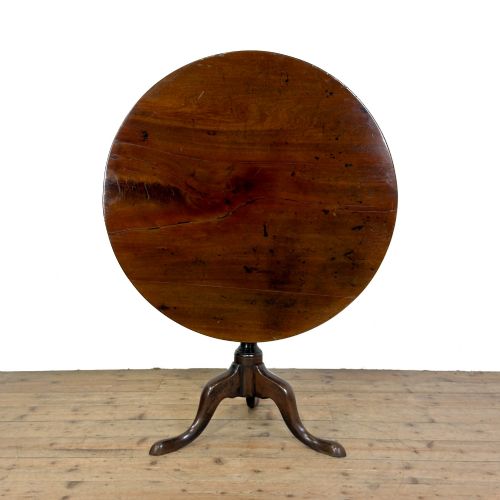
- A hinged tabletop supported by a catch mechanism that tips the surface into a vertical position. It saves space when the stand is not in active use.
- Pole screen
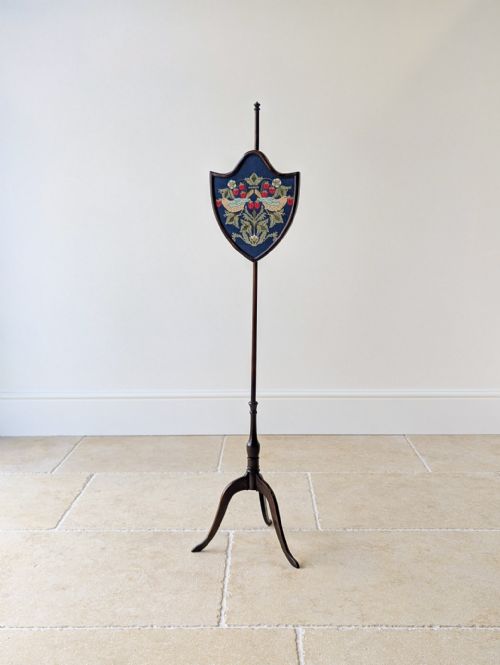
- A vertical stand holding an adjustable screen panel designed to shield a person's face from the intense heat of an open fireplace. Panels often display embroidered textiles or satirical prints.
- Dumb waiter
- A multi-tiered stand featuring graduating circular trays on a single pillar. These pieces assisted with dining by holding dishes and wine without requiring servants present.
George III Tripod Stand: Frequently Asked Questions
What is a george iii tripod stand used for?
These versatile stands served specific domestic functions in eighteenth-century rooms, holding candles, tea kettles, or wine glasses near seating areas. Pole screens were placed near fireplaces to protect faces from excessive heat.
Today, buyers utilise them as occasional tables, lamp stands, or decorative display pieces in living spaces and hallways.
What timber was used most often?
Mahogany is the predominant wood found in these stands, prized by Georgian cabinet-makers for its rich grain, strength, and suitability for carving intricate details like pie crust edges.
Oak and walnut also appear frequently, particularly in earlier country pieces or decorative marquetry stands from the period.
Are these stands stable on modern floors?
The three-legged tripod design ensures the stand rests firmly even on uneven historical flooring, as three points naturally find balance without rocking.
Careful placement avoids heavy loads on cantilevered edges, preserving the original joints where the legs meet the central column.