



George III Snap Table
A george iii snap table is a versatile surface for a drawing room or parlour, tilting flat when space matters.
George III Snap Table
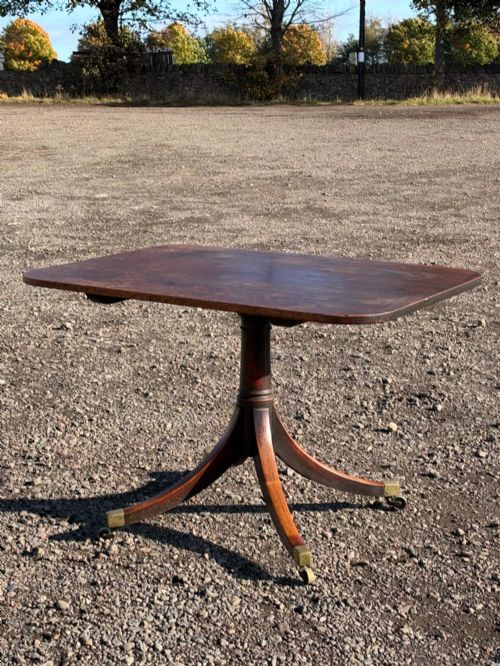
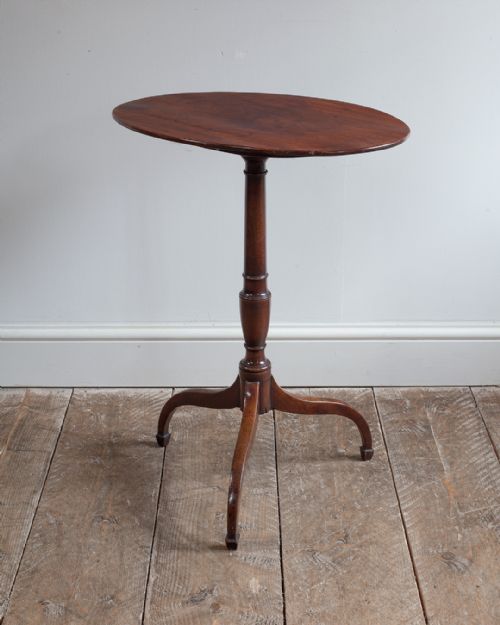
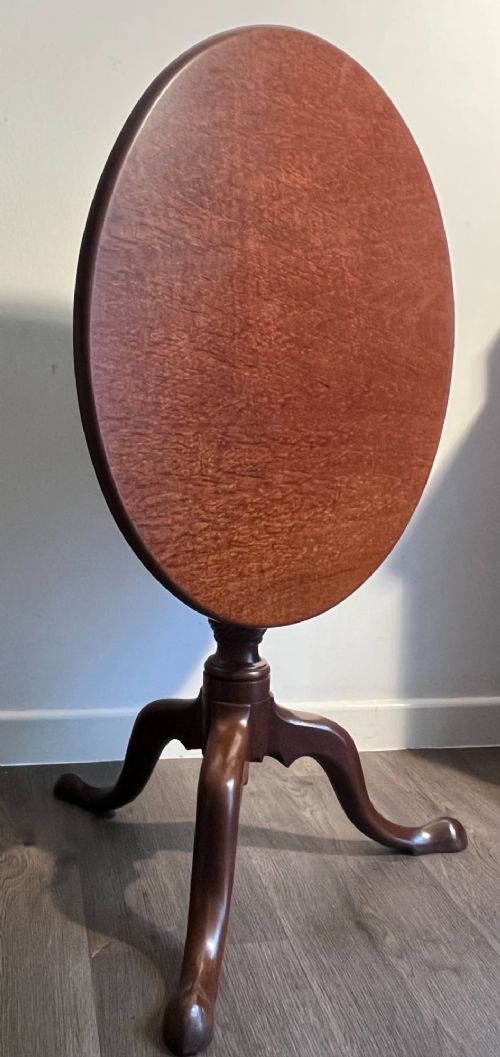
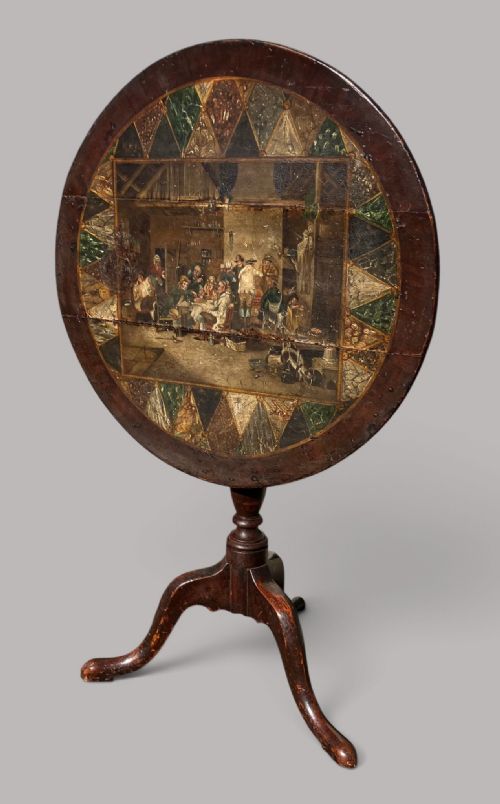
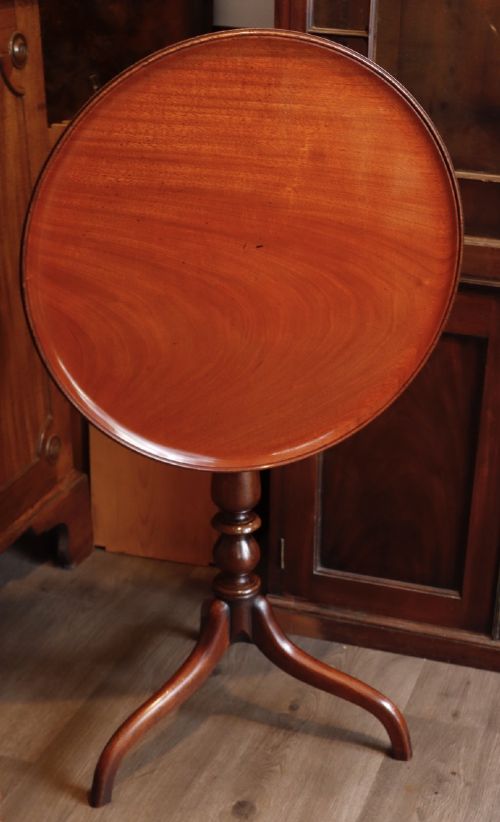
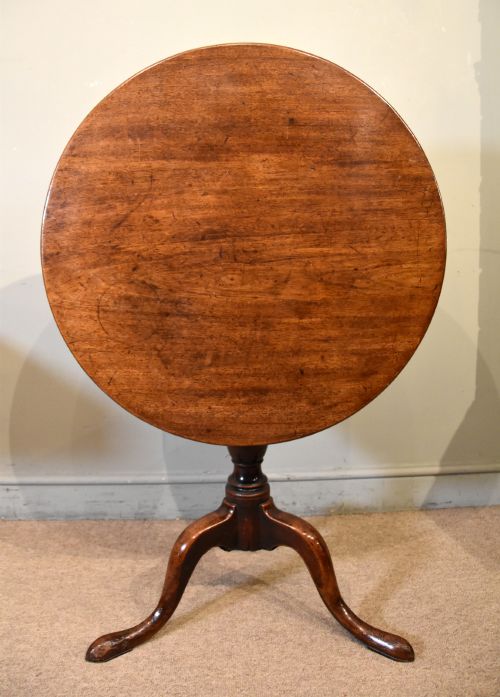
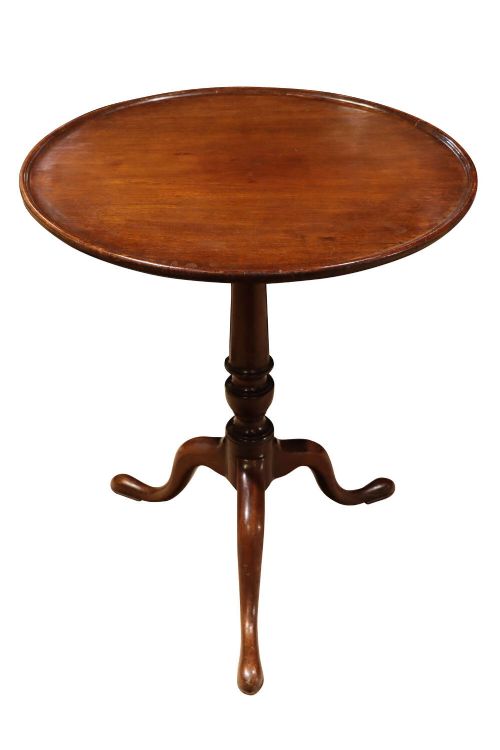
A george iii snap table is a circular occasional table designed with a clever mechanism that allows the top to tilt into a vertical position. When upright, the table occupies minimal space against a wall, making it a practical choice for smaller rooms.
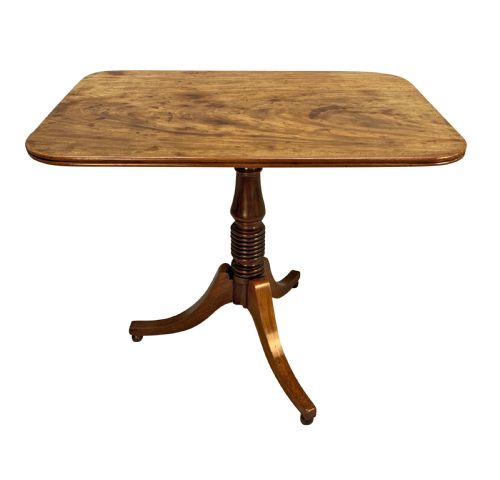
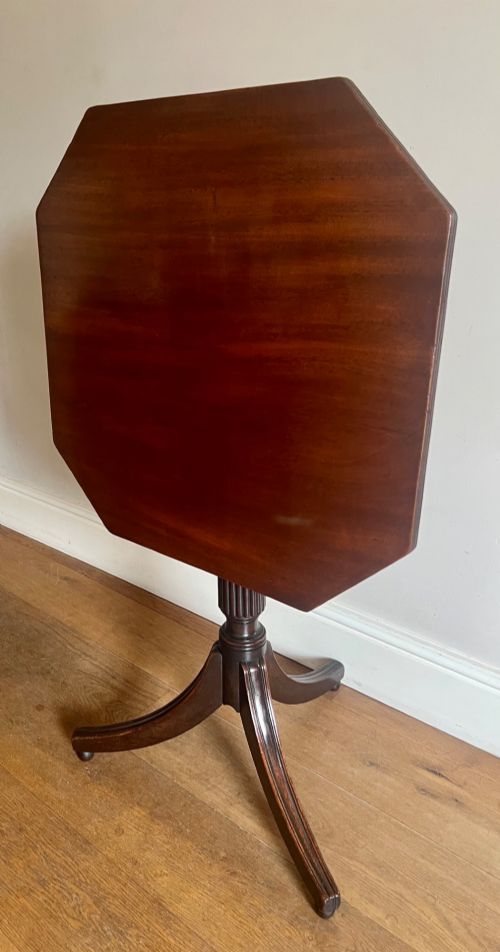
The version you meet most often on this page is constructed from mahogany, resting on a turned pillar column supported by three legs. These tripod bases often terminate in pad or claw feet.
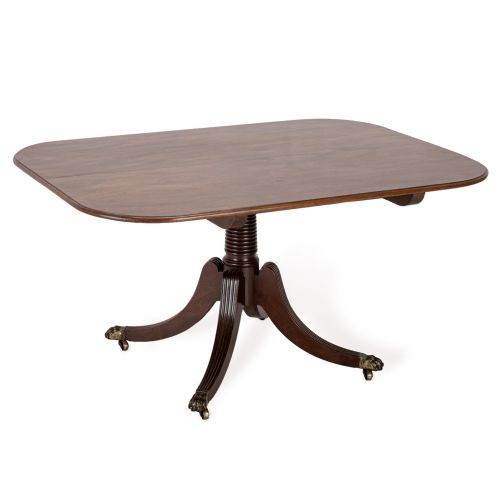
Makers of the period produced variations in scale, ranging from compact wine tables intended for holding a single glass to larger breakfast and dining tables meant to seat several guests.
How they were made
Joiners selected dense timbers, predominantly mahogany alongside occasional oak, elm, satinwood, rosewood, and padouk. Craftsmen turned the central pillars on lathes and carved the tripod legs by hand, often incorporating subtle details like pie-crust edges or brass inlay.
The tilting action relies on a wooden block or catch mechanism secured beneath the top, sometimes incorporating a birdcage framework that allows the surface to revolve as well as tilt.
George III Snap Table Retail Price Guide 2026
Typical asking prices for george iii snap table among the pieces listed under this phrase on Sellingantiques today, from the lower quarter to the upper quarter. They describe what is for sale here now, not the wider market.
Listings feature mahogany, oak, elm, satinwood, rosewood, padouk, and plum pudding mahogany across Georgian and Regency periods.
What varies in quality
The distinction between standard examples and finer pieces rests upon the choice of timber and the execution of the carving. Tables utilising single-piece mahogany tops or richly figured plum pudding mahogany sit at the upper end of the scale.
Proportion and stability dictate the usefulness of a table. Better pieces maintain balance on their three legs without wobble, displaying crisp turning on the pillar and neat pegging in the joints.
The George III Snap Table Glossary
- Snap top
- A table mechanism featuring a spring catch that locks the circular top horizontally or releases it to tilt vertically.
- Tripod base
- A supporting column resting on three shaped legs, commonly found on 18th-century occasional tables.
- Pie-crust edge
- A raised, scalloped rim carved directly from the solid timber edge of a circular tabletop.
- Birdcage
- A revolving wooden framework fitted beneath the tabletop, allowing the surface to turn and tilt independently.
- Occasional table
- A small, movable table intended for specific, temporary uses such as serving tea or holding a lamp.
George III Snap Table: Frequently Asked Questions
What is a george iii snap table used for?
These pieces served multiple functions in 18th-century rooms, acting as tea tables, lamp stands, or breakfast surfaces. Their tilting top allowed servants to clear them away quickly when floor space was needed.
Today, they function well as side tables beside armchairs or as display surfaces for decorative objects in a drawing room.
How do I identify a george iii snap table?
Look for the characteristic central pillar supported by three legs and the wooden catch mechanism beneath the circular top. The timber choice is typically mahogany or oak.
Dates generally span the Georgian period from the mid-18th century through the early 19th century, occasionally displaying Chippendale or Regency style influences.
Why does the top tilt on these tables?
The tilting mechanism was designed for practical storage in domestic interiors where rooms served multiple purposes throughout the day. When not in use, the table stood flat against the wall.
This innovation made freestanding circular tables manageable in spaces that required open floor area for entertaining.
What woods were used for a george iii snap table?
Mahogany is the primary material seen across these listings, valued for its stability and deep colour. Oak and elm appear in country-made examples, while finer pieces utilise figured veneers like plum pudding mahogany, satinwood, rosewood, or padouk.
Metal components such as brass hinges or inlay appear on specific decorative variants.