
George III Mahogany
George iii mahogany pieces bring the warm timber tones and balanced proportions of the late eighteenth century directly into modern rooms.
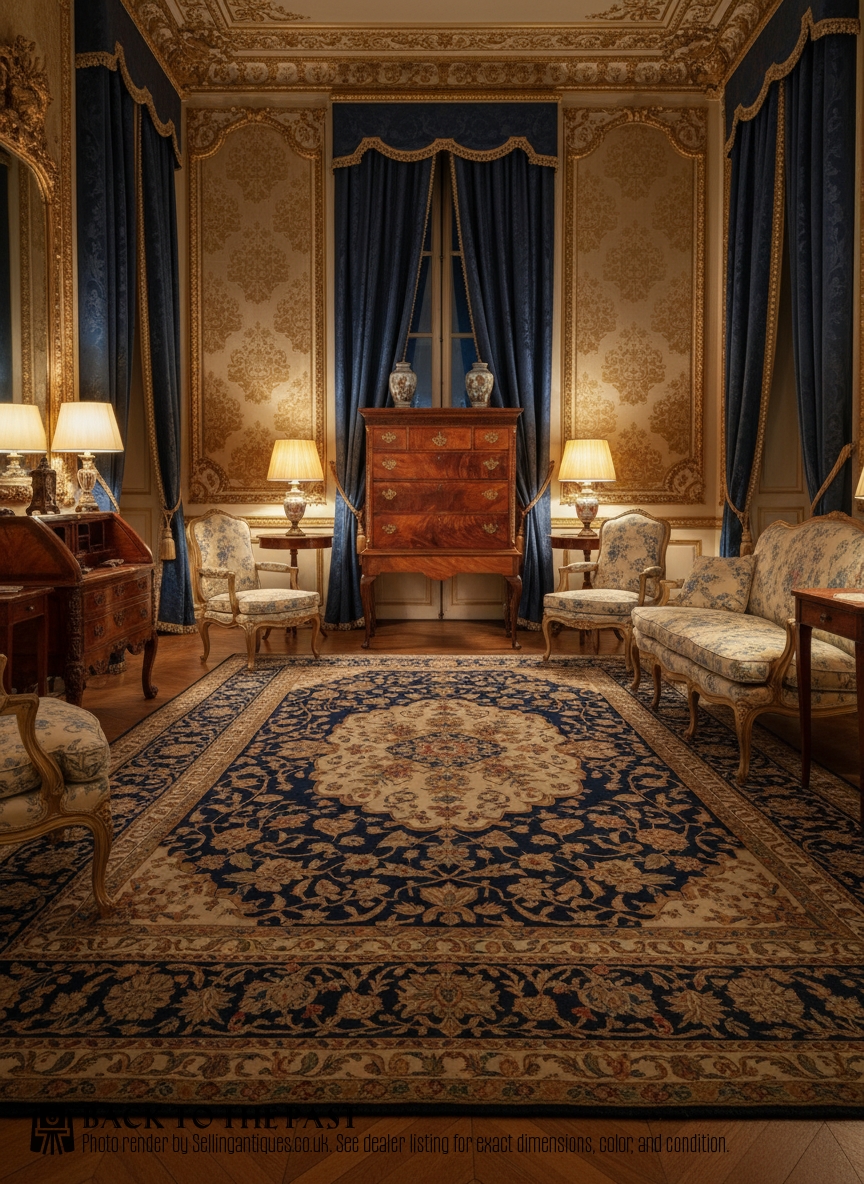
George III Mahogany
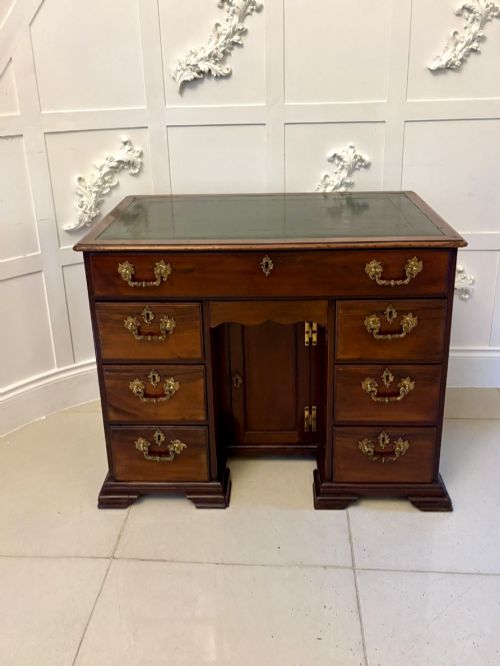
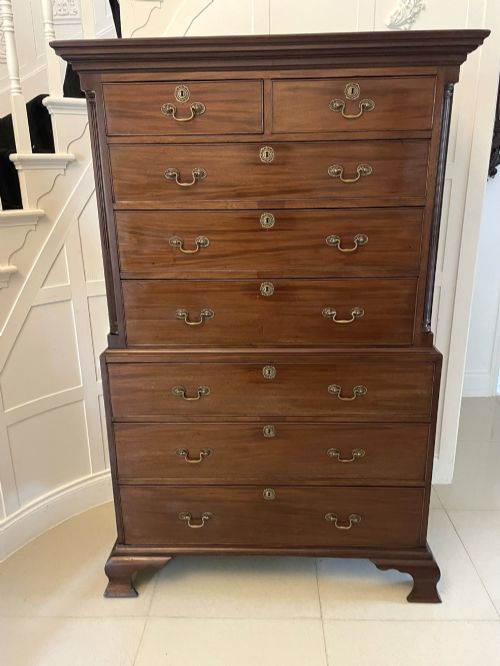
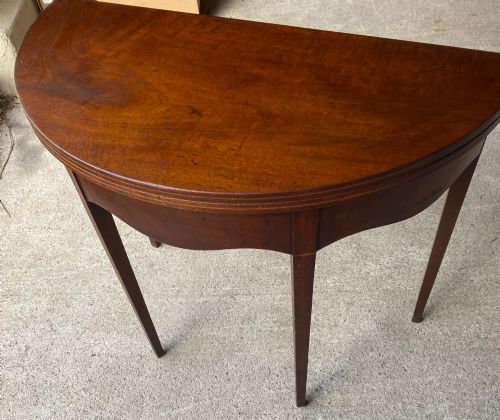
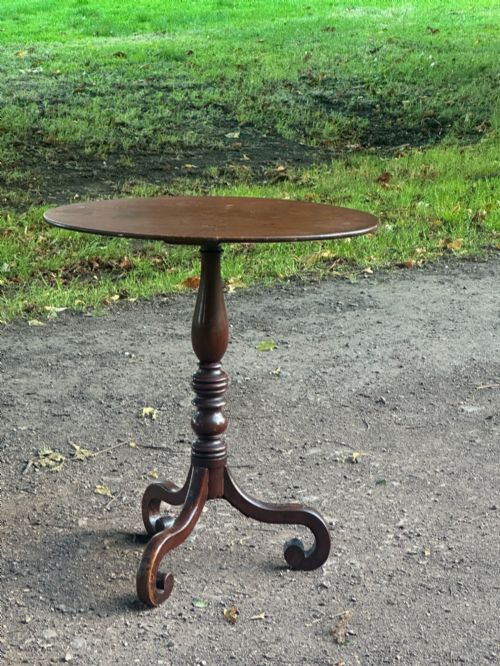
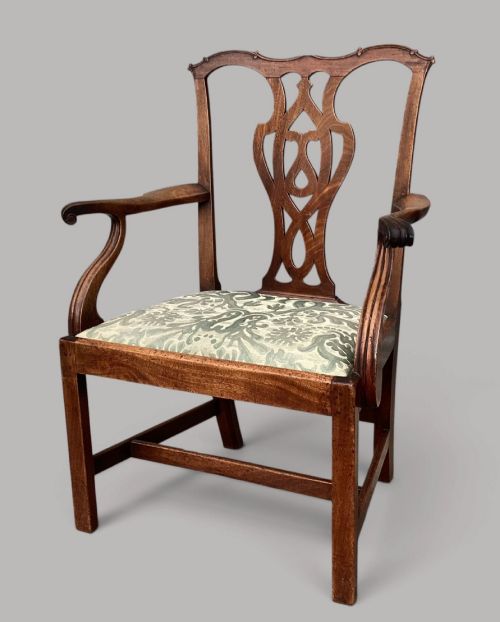
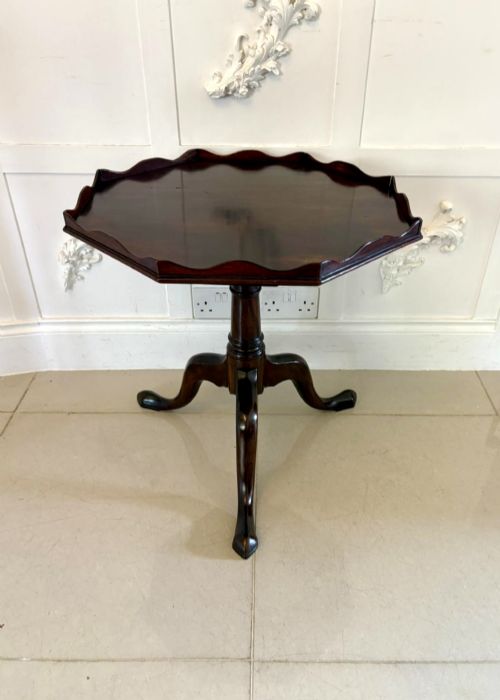
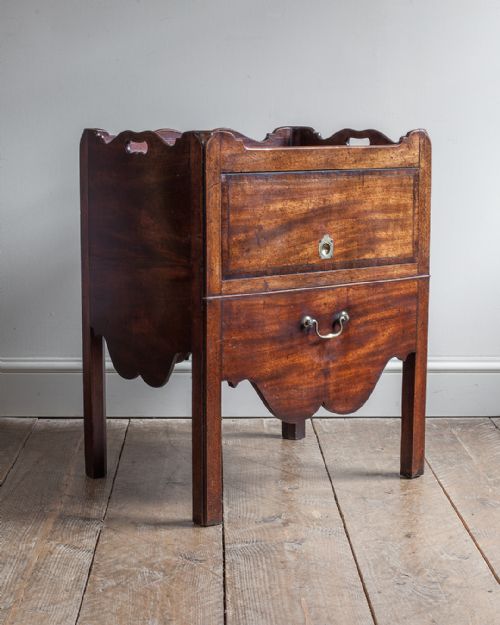
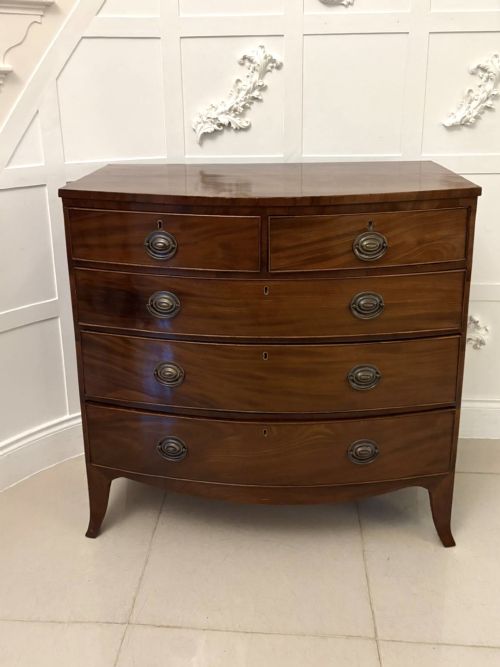
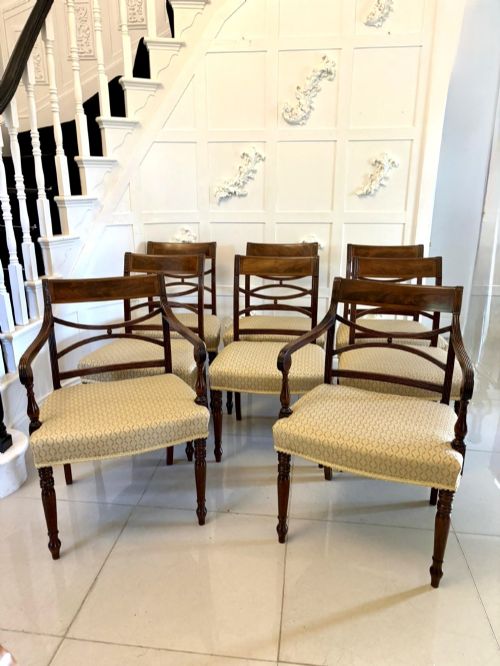
Searching for george iii mahogany reveals a diverse selection of furniture produced during the reign of King George the Third, spanning dining tables, chests of drawers, and seating. These items reflect the refined tastes of the Georgian period, prioritising utility alongside architectural symmetry.
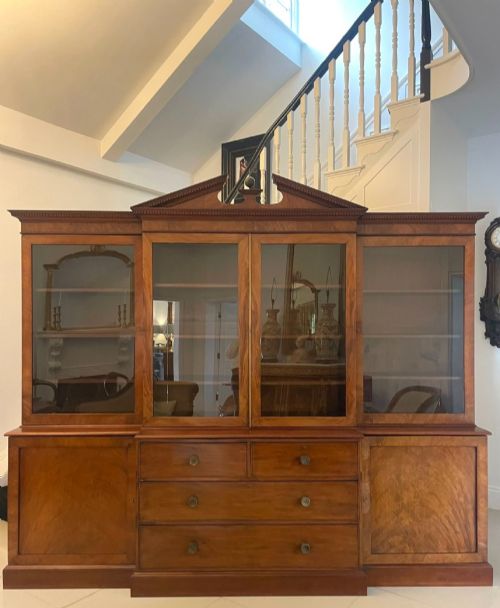
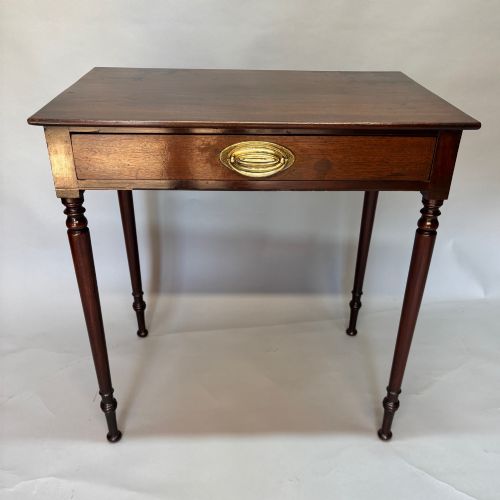
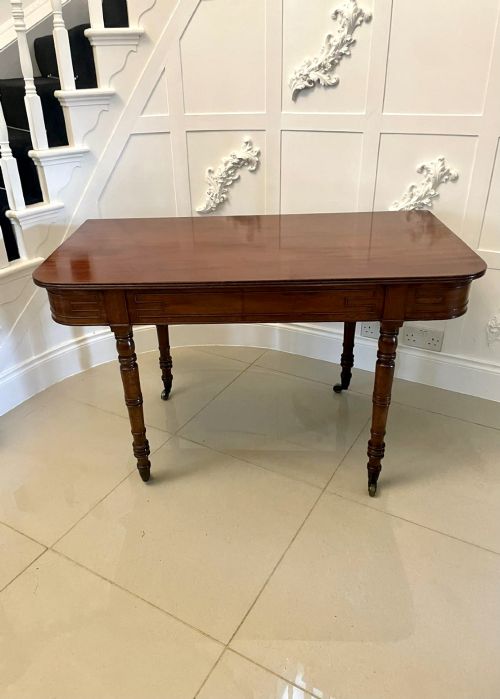
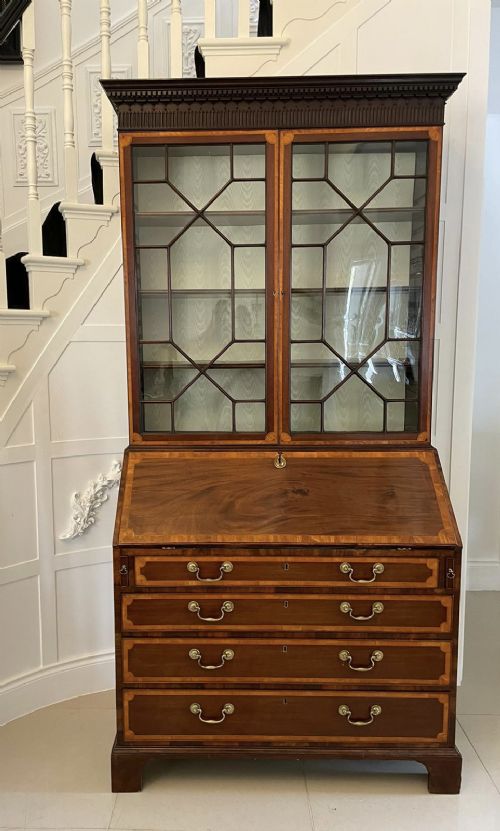
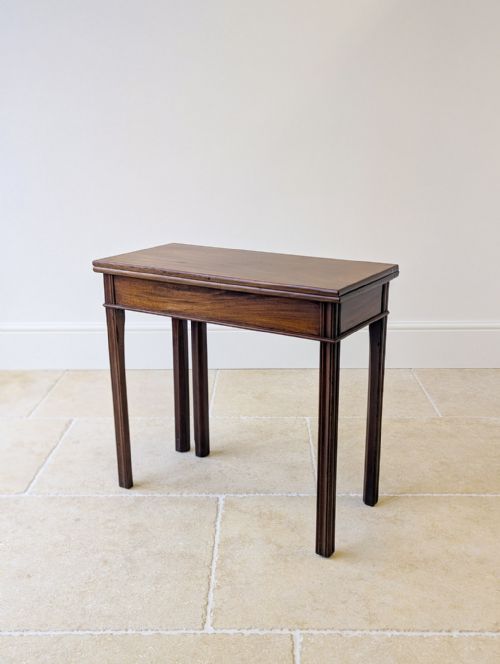
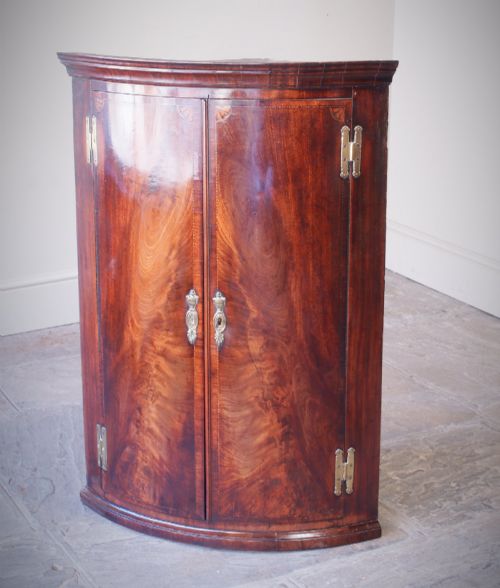
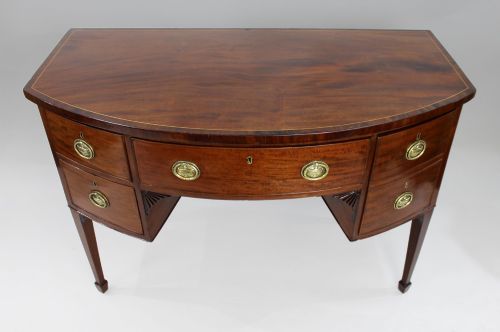
The most common forms found in these collections include chests of drawers, dining tables, and side tables, alongside smaller items like toilet mirrors and pembroke tables. Cabinet furniture dominates the surviving record, frequently utilising native and imported hardwoods shaped by cabinetmakers.
Many items display regional variations or stylistic influences ranging from early neoclassical restraint to later Sheraton and Regency interpretations. Buyers frequently encounter freestanding storage pieces and dining room furniture that retain their original timber surfaces and structural form.
How they were made
Cabinetmakers constructed these pieces primarily using solid mahogany and figured mahogany veneers, often reinforced with secondary timbers such as oak for drawer linings and pine for carcase backs. Timber selection depended on the visible surfaces, with highly figured grain reserved for drawer fronts and table tops.
Joinery techniques relied on hand-cut dovetails for drawer construction and mortise and tenon joints for frames, ensuring lasting structural integrity without modern adhesives. Surface decoration incorporated boxwood and satinwood inlay, brass hardware, and hand-carved mouldings.
French polishing or wax finishing techniques were applied to seal the wood and develop a deep, warm lustre over decades of use. Timber movement was accommodated through panel-in-frame construction, particularly in large items like wardrobes and bookcases.
Secret compartments in bureau desks often concealed love letters, small coins, and dried botanical specimens tucked behind hidden pigeonhole panels.
What varies in quality
Quality differences stem primarily from the choice of timber figure, the precision of the hand-cut joinery, and the retention of original brass fittings. Pieces featuring highly figured flame mahogany veneer across primary surfaces command higher regard than those utilising plain, straight-grained stock.
Proportion and architectural balance heavily influence the distinction between standard workshop output and exceptional cabinet work. Subtle details such as finely executed stringing, well-proportioned bracket feet, and crisp carving distinguish superior examples from simpler provincial furniture.
The degree of original surface preservation remains central to evaluating these items, as undisturbed patination reflects minimal intervention over centuries of domestic use. Alterations to feet, handles, or internal drawer configurations alter the integrity of the piece.
The George III Mahogany Glossary
- Brushing slide
- A pull-out shelf positioned above the top drawer of a chest or bureau, used historically for folding clothes or writing brief notes. It typically operates on wooden runners set into the carcase.
- Bachelors chest
- A compact chest of drawers featuring a fold-over top or a sliding board, designed for single gentlemen living in smaller town lodgings. These pieces often incorporate four graduated drawers.
- Dovetail
- A traditional interlocking joint used to connect drawer sides to drawer fronts and backs. Hand-cut versions display tight, individual pins that indicate skilled craftsmanship.
- Flame mahogany
- A veneer cut from the fork of the mahogany tree where the branch meets the trunk, producing a dramatic, flickering flame-like grain pattern. This timber was prized for principal display surfaces.
- Patina
- The deep, lustrous surface sheen developed on antique wood over centuries through oxidation, handling, and wax polishing. It serves as a visual indicator of age and continuous care.
George III Mahogany: Frequently Asked Questions
How should I care for mahogany furniture?
Maintenance requires keeping wooden items away from direct heat sources and strong sunlight to prevent timber shrinkage and fading. Regular dusting with a soft, dry cloth preserves the surface without damaging the wax finish.
Occasional applications of quality beeswax nourish the timber and maintain its natural lustre. Avoid placing damp items directly onto polished table tops to prevent water marking.
Where were these pieces made?
Production took place in urban workshops across London as well as regional centres such as Edinburgh, Dublin, and various provincial English towns. City makers often had access to imported cabinet woods arriving directly through major ports.
Provincial makers occasionally incorporated local timbers for internal framing while using imported mahogany for display surfaces. Cabinetmakers operated within guilds and trade networks that shared design manuals and construction standards.
What is a pembroke table?
A pembroke table is a small, versatile side table featuring two hinged drop leaves that can be raised to extend the surface area. It typically includes one or two small drawers and stands on four slender legs.
Introduced during the eighteenth century, these tables served multiple domestic functions, from breakfasting to light writing. Their compact footprint made them easily movable around formal rooms.