







George III Mahogany Bucket
A george iii mahogany bucket brings the rich timber and metalwork of the eighteenth century straight into modern rooms as a practical focal point.
George III Mahogany Bucket
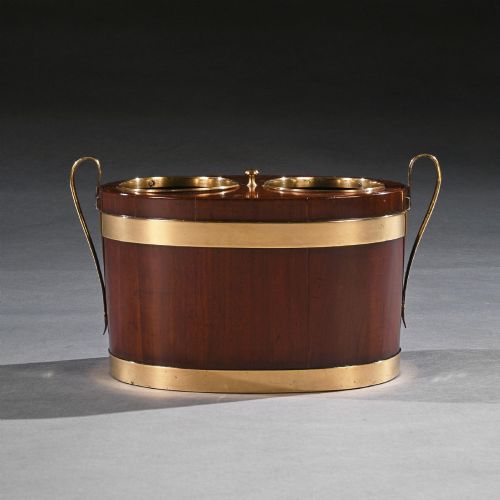
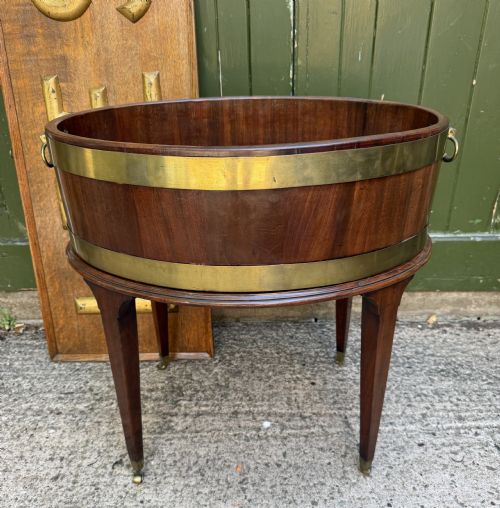
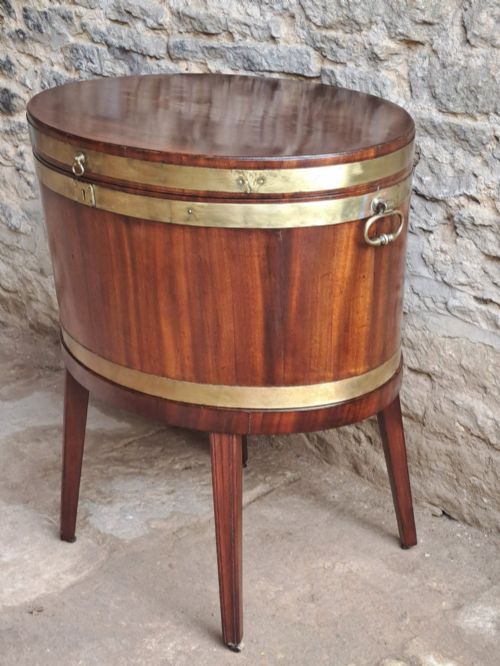
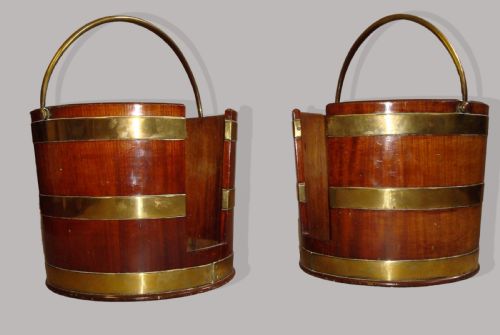
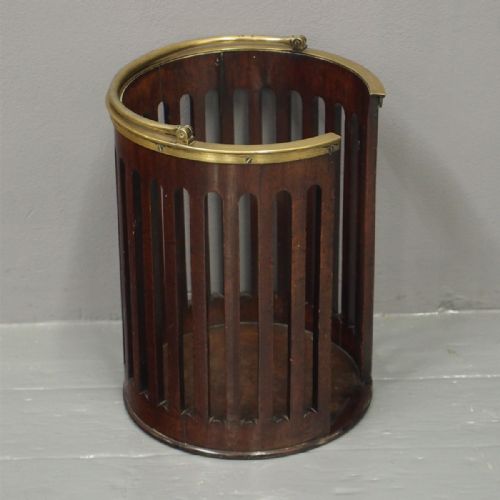
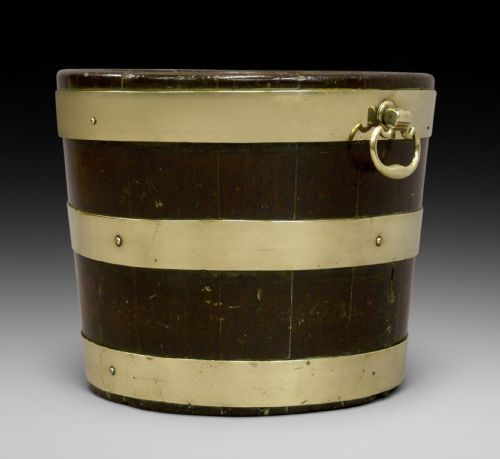
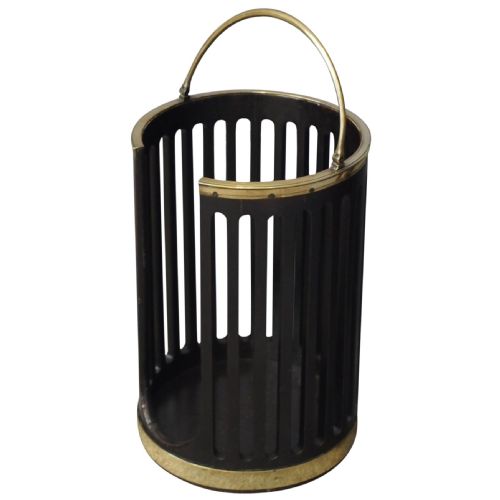
When you search for a george iii mahogany bucket, you encounter a specialised timber vessel designed for domestic service in great houses. The most common forms on this page include oval wine coolers, peat buckets, and plate buckets used to hold table accessories or fuel.
Makers produced these containers to sit beside dining tables or fireplaces, often raised on stands or fitted with carrying handles. Their primary function was utility, yet their refined timber construction elevated them to display pieces.
How they were made
Joiners and coopers built a george iii mahogany bucket by tightly fitting curved wooden staves together around a central base. They selected dense timber, frequently incorporating rich mahogany alongside decorative elements of boxwood, satinwood, or walnut inlay.
Makers reinforced the wooden staves with heavy brass bands, secured by pins, to provide structural strength against moisture and weight. Many examples also featured interior metal linings in zinc or copper to hold ice, water, or turf cleanly.
George III Mahogany Bucket Retail Price Guide 2026
Typical asking prices for george iii mahogany bucket among the pieces listed under this phrase on Sellingantiques today, from the lower quarter to the upper quarter. They describe what is for sale here now, not the wider market.
Listings feature pieces spanning the Georgian period and the nineteenth century, utilising mahogany, brass, zinc, boxwood, walnut, and satinwood.
What varies in quality
The distinction between average and exceptional pieces lies in the selection of the timber and the crispness of the cooperage. Finer examples display deeply figured mahogany with a rich natural patina and precise, tight-fitting staves that require no heavy filler.
Hardware quality also dictates the grade of the piece, with heavier gauge brass bands and original swing handles marking out superior production. Subtle details such as fine boxwood stringing or intact original stands elevate the standing of the work significantly.
Samual Norman
The George III Mahogany Bucket Glossary
- Coopered
- Built from vertical wooden staves joined edge-to-edge, similar to the construction of a traditional barrel. This method gave the vessels the strength needed to hold heavy loads of wine, ice, or peat.
- Brass bound
- Fitted with structural metal bands of brass that encircled the wooden body. These bands kept the staves locked securely together while adding a decorative contrast to the dark timber.
- Plate bucket
- A deep cylindrical or oval container designed to hold ceramic or metal dinner plates safely. They were kept in the dining room during meals for easy access by domestic staff.
- Peat bucket
- A specialised container built to store and transport fuel for the fireplace. These often featured hinged brass swing handles and protective metal liners.
- Wine cooler
- A large vessel used to chill bottles for the table, frequently lined with metal to hold melting ice. They often sat directly on the floor or upon a dedicated wooden stand.
George III Mahogany Bucket: Frequently Asked Questions
What were these buckets actually used for?
These vessels served practical functions in large historic households, primarily holding wine bottles with ice, storing peat fuel by the hearth, or keeping dining plates organised during meals.
Servants moved them around the dining room or drawing room as needed, relying on their sturdy wooden staves and metal swing handles for daily transport.
How do I tell an original from a later revival?
Original eighteenth-century pieces display authentic timber shrinkage, hand-cut brass pins, and deep patination accumulated through generations of use. Revival pieces from the Victorian era or later often show machine-cut components and timber that lacks the same aged depth.
Examining the interior metal lining and the wear patterns on the base helps confirm the age and period of the construction.
Can I still use a wine cooler today?
Many people continue to use these traditional vessels as functional wine coolers or umbrella stands in contemporary hallways. Their sturdy construction and metal linings make them well suited for holding ice and bottles during gatherings.
Care should be taken to protect antique wood surfaces from standing water and condensation during modern use.
How should I care for the mahogany timber?
Maintain the wood by applying a quality beeswax periodically to nourish the grain and preserve the natural patina. Avoid placing the vessel in direct sunlight or near modern heat sources, which can cause the timber staves to dry out and split.
Gentle dusting with a soft cloth is usually sufficient for routine daily maintenance.