





George III Liquor Box
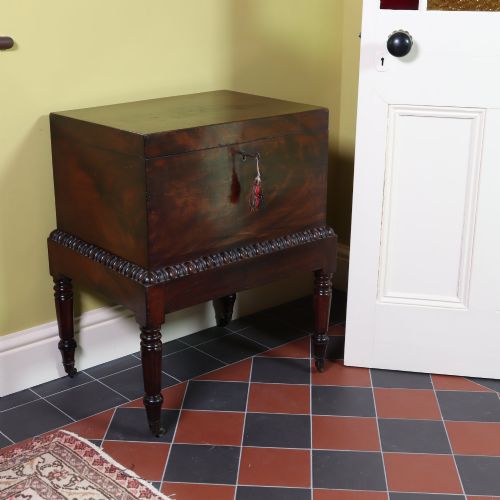
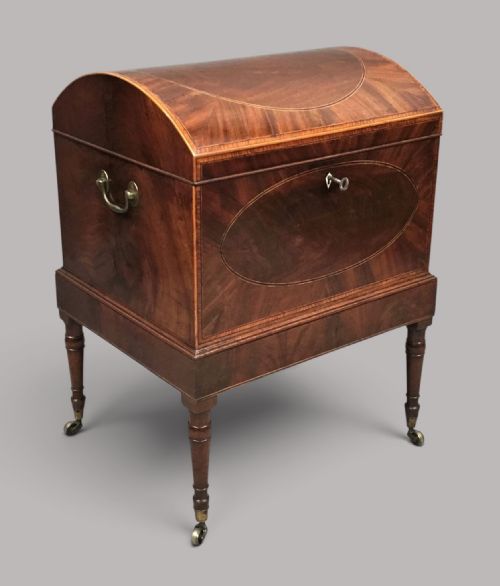
A george iii liquor box is a robust timber chest designed to secure fine bottles, combining understated Georgian dignity with practical utility.
George III Liquor Box
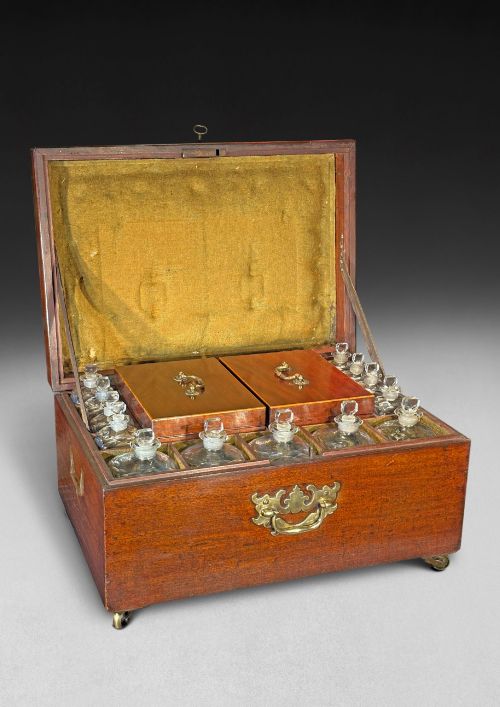
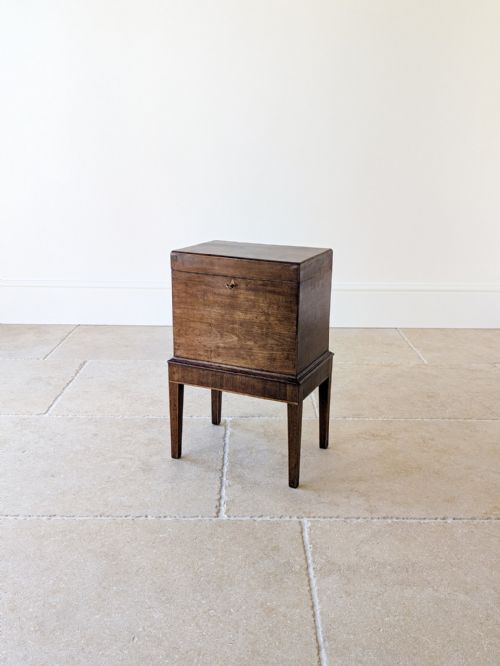
When you search for a george iii liquor box, you encounter sturdy mahogany cellarettes, wine coolers, and decanter chests from the Georgian period and the eighteenth century. These containers served to lock away precious spirits and fortified wines in the dining rooms of country houses and town residences alike.
How they were made
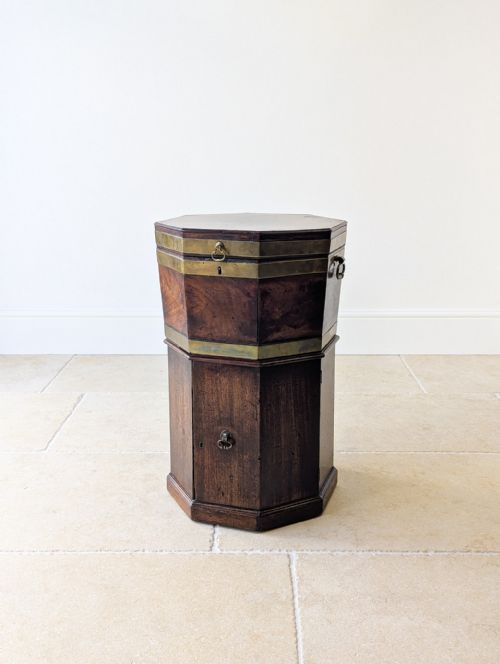
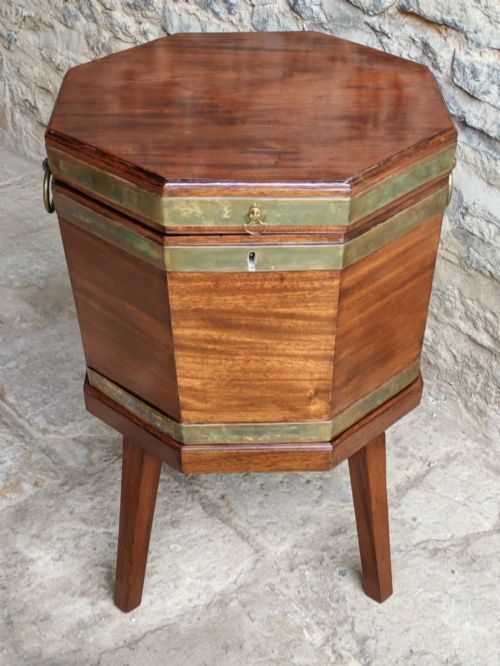
Cabinet makers utilised dense timber such as mahogany and flame mahogany to build the carcass, often shaping the bodies into distinctive octagonal geometries or clean rectangular boxes. They incorporated satinwood inlay to add contrasting geometric lines and decorative warmth to the polished surfaces.
Functional metalwork defined the construction, with heavy brass carrying handles and corner bands secured to withstand regular movement around the dining table. Internal compartments lined with baize protected delicate glass decanters and prevented bottles from shifting during transport.
George III Liquor Box Retail Price Guide 2026
Typical asking prices for george iii liquor box among the pieces listed under this phrase on Sellingantiques today, from the lower quarter to the upper quarter. They describe what is for sale here now, not the wider market.
Octagonal and rectangular decanter chests form the core of the available wine cooler selection.
What varies in quality
The choice of timber fundamentally dictates the standing of a piece, separating plain mahogany boxes from those displaying rich flame figuring and intricate satinwood inlay. Superior examples command attention through the crispness of their cabinet work and the substantial weight of their original brass mountings.
Proportion and architectural balance set the finer specimens apart from simpler containers, as skilled joiners balanced structural strength with refined aesthetic restraint. The integration of period glass vessels and well-preserved internal baize lining further elevates the standing of an individual box.
The George III Liquor Box Glossary
- Cellaret
- A lockable container used for holding bottles of wine or spirits beneath the dining table. These receptacles often featured internal divisions to keep glass decanters secure.
- Flame mahogany
- A distinct wood grain pattern produced from the fork of the mahogany tree, creating a feathery, rippled effect. Cabinet makers prized this figure for principal decorative surfaces.
- Baize
- A coarse woollen material resembling felt, traditionally used to line the internal compartments of drinks chests. It protected glass bottles from chipping against the timber walls.
- Sheraton revival
- A late nineteenth-century design movement that drew inspiration from the lighter neoclassical furniture forms of the eighteenth century. Pieces from this era often utilised satinwood and delicate inlay.
George III Liquor Box: Frequently Asked Questions
What is a george iii liquor box?
A george iii liquor box is a specialised wooden chest built to store wine bottles and decanters safely within the dining room. These sturdy containers kept expensive spirits secure from household staff.
Most examples date from the eighteenth century and feature solid mahogany construction, often enhanced with brass bands and interior partitions for glass vessels.
How were these boxes used?
Servants placed these timber chests near the dining table during formal meals to provide easy access to after-dinner drinks. The lockable lids ensured that valuable imported wines remained under the host's control.
Inside, baize-lined compartments kept glass decanters upright and separated, preventing breakages while stewards moved the heavy containers about the house.
How do I spot a reproduction?
Examine the timber surfaces, construction joints, and metal fittings to understand the age and manufacturing methods of a piece. Eighteenth-century examples display hand-cut joinery and period brasswork rather than modern machine-made screws.
Look closely at the wood patination and interior wear patterns, which should reflect genuine use over many decades rather than artificial distress.
Where should I place one?
These versatile chests suit traditional and contemporary living spaces alike, functioning effectively as side tables or freestanding decorative objects in a dining room or study. Their flat timber tops provide a practical surface for lamps or display items.
Keep wooden boxes away from direct heat sources and strong sunlight to protect the polish and prevent the mahogany from drying out over time.