


George III Inlaid Cabinet
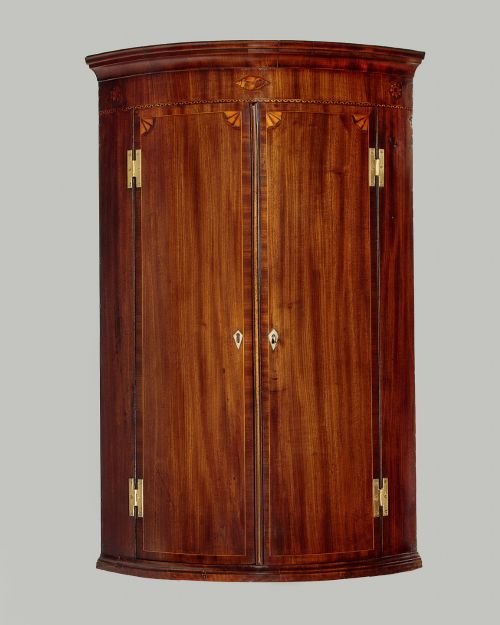
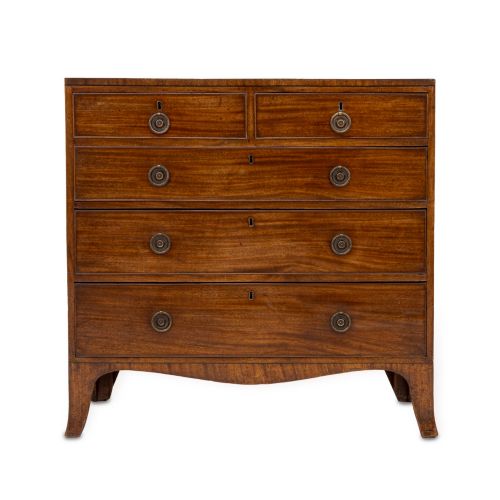
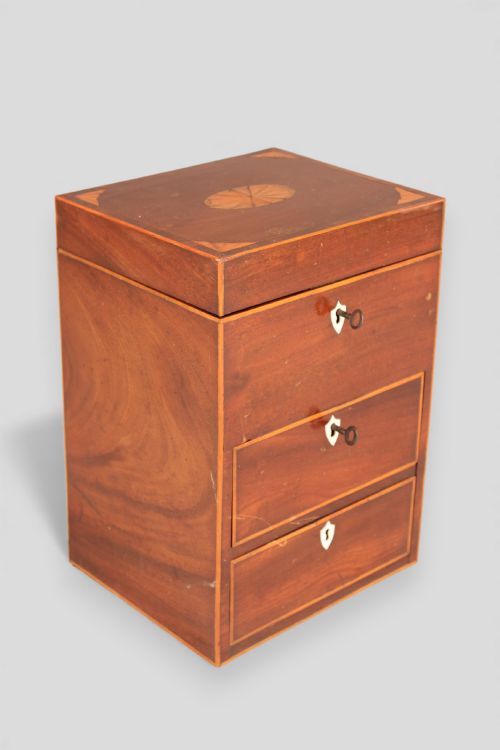
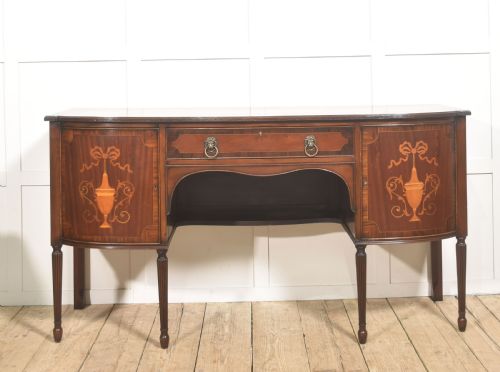
A george iii inlaid cabinet brings figured woods and precise joinery together, offering practical storage with distinct period character.
George III Inlaid Cabinet
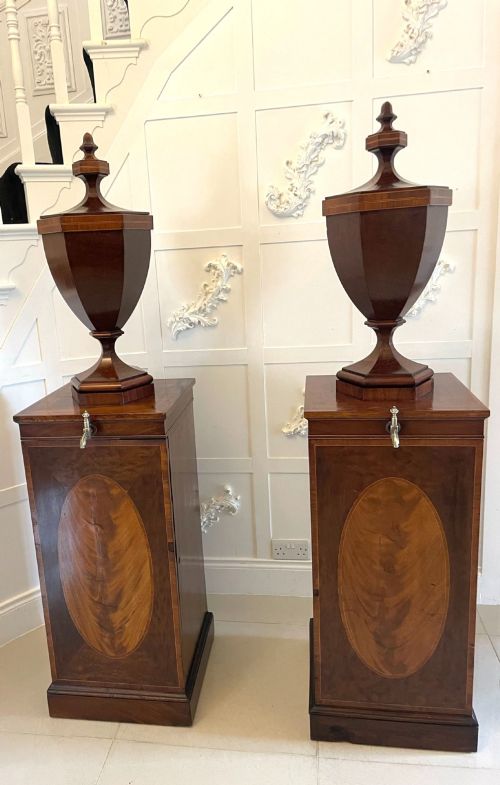
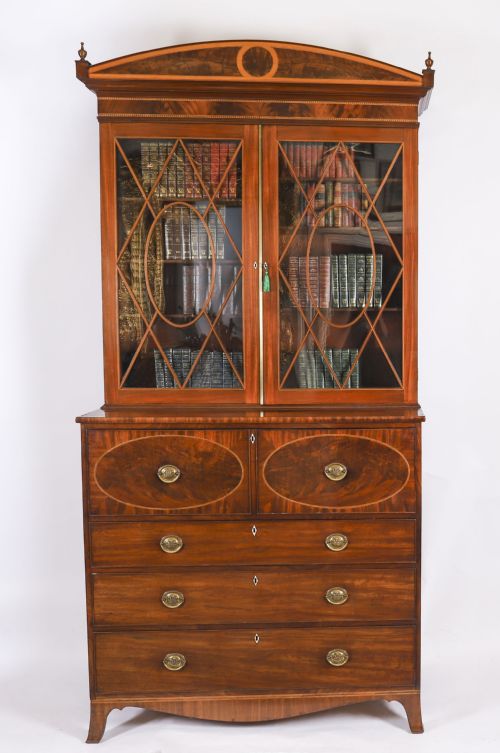
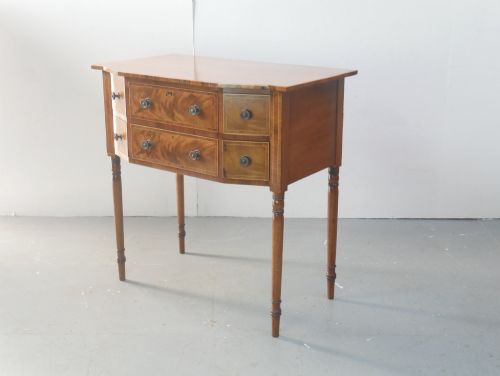
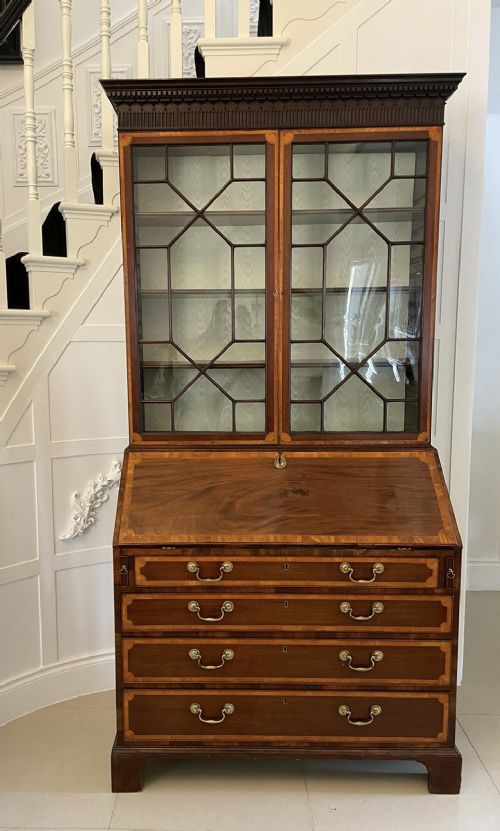
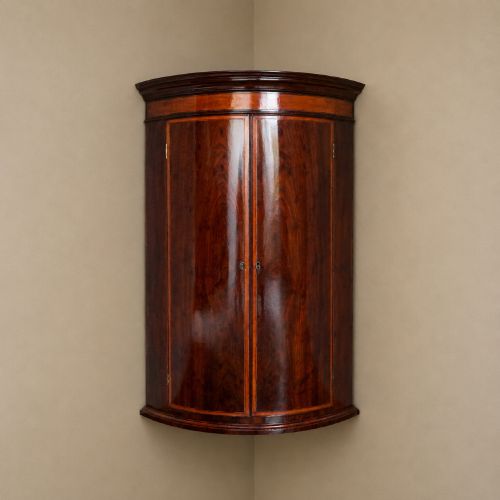
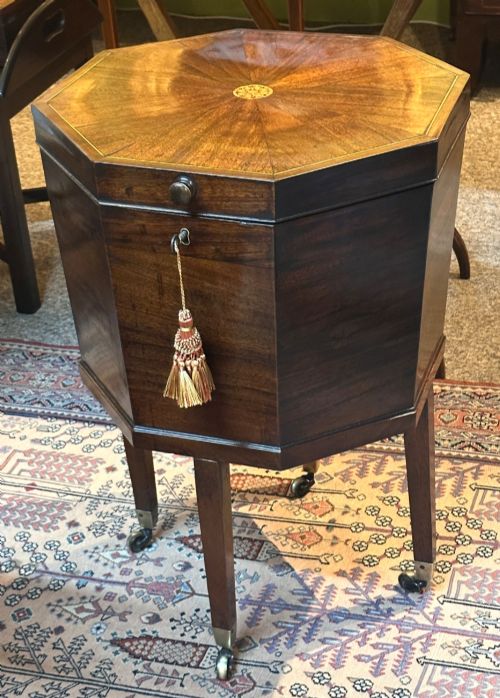
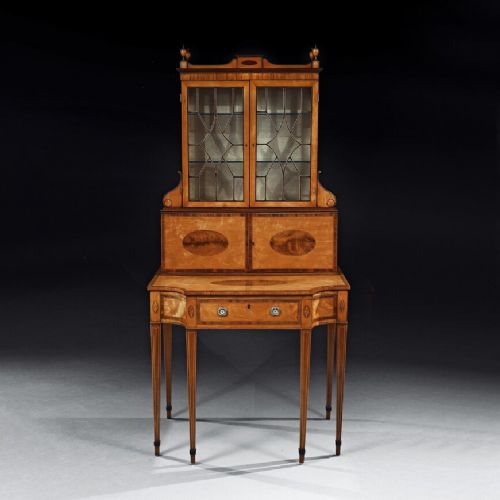
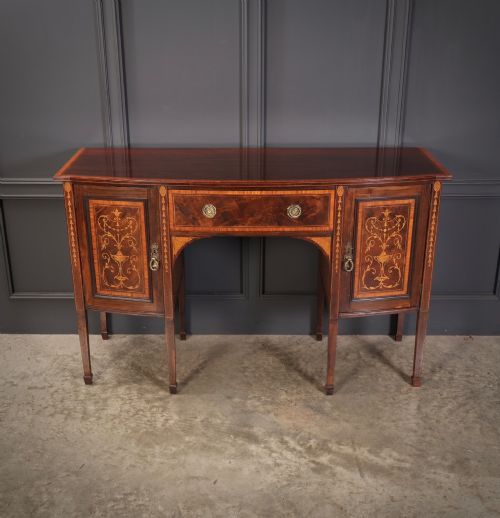
A george iii inlaid cabinet encompasses a variety of case furniture designed for writing, displaying, and storing possessions during the Georgian era. Buyers searching this phrase most frequently encounter corner cabinets, secretaire bookcases, and sideboards featuring contrasting wood details.
The selection includes tall library pieces alongside smaller bedside and hanging cupboards. Many examples date from the late eighteenth century, spanning periods from seventeen-fifty to eighteen-twenty.
Workmanship from this span relies on proportion and linear geometry. The forms range from bow-front sideboards to cylinder desks and commodes.
Materials and construction
Makers utilised solid timbers alongside veneers, selecting mahogany and flame mahogany for primary surfaces. Secondary woods provide structural stability inside drawers and carcases.
Decorative highlights rely on boxwood and satinwood inlay, often arranged in geometric banding or fan motifs. Brass hardware secures doors and drawers while adding metallic contrast to the timber.
Listings feature mahogany, satinwood, and oak timbers alongside boxwood inlay across the Georgian period.
Distinctions in craftsmanship
Quality separates pieces through the selection of timber veneers and the precision of the inlay work. Highly figured flame mahogany and balanced satinwood banding indicate superior workshops.
Construction details such as hand-cut dovetails in the drawer boxes and matching grain patterns across drawer fronts signal advanced cabinet-making skill.
Cowtan And Sons London
The George III Inlaid Cabinet Glossary
- Inlay
- A technique where pieces of contrasting wood are fitted into recesses flush with the surface. This method creates decorative borders and motifs on cabinet doors and drawer fronts.
- Flame mahogany
- A distinct grain pattern in mahogany timber resembling flickering flames. Cabinet-makers reserved this wood for prominent surfaces like drawer fronts and door panels.
- Secretaire
- A cabinet containing a drop-down writing flap that conceals small drawers and pigeonholes. This form combines a writing desk with bookcase or chest storage.
- Crossbanding
- A border of veneer laid around the perimeter of a panel with the grain running perpendicular to the centre. It frames the primary wood of table tops and drawer fronts.
- Demi-lune
- A half-moon shape characteristic of commodes and sideboards designed to fit flat against a wall. This profile became popular during the neoclassical periods.
George III Inlaid Cabinet: Frequently Asked Questions
How do I care for mahogany?
Keep mahogany furniture away from direct sunlight and heat sources to prevent the timber from drying out or fading. Dust regularly with a dry cloth and apply beeswax periodically to nourish the surface.
Avoid silicone-based polishes, which can build up on the antique finish and attract dust over time.
What defines the george iii style?
The George III style spans the reign of King George the Third, embracing neoclassical symmetry and classical architectural proportions. Furniture from this period frequently incorporates satinwood stringing and balanced brass fittings.
Designs shifted from heavier early forms toward lighter, more refined proportions toward the end of the eighteenth century.
Where were corner cabinets used?
Corner cabinets were built to utilise unused wall space in dining rooms and parlours. Hanging versions attached directly to walls, while floor-standing variants provided a flat top surface for display.
Interior shelves typically displayed ceramic collections and glassware behind glazed or solid timber doors.