
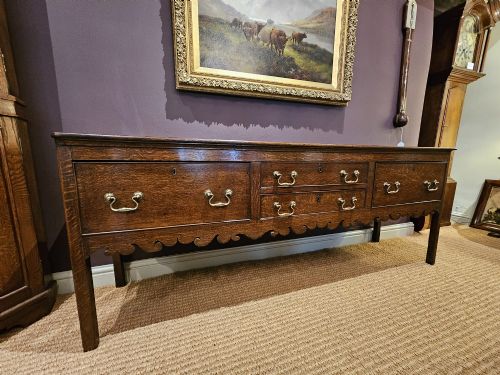
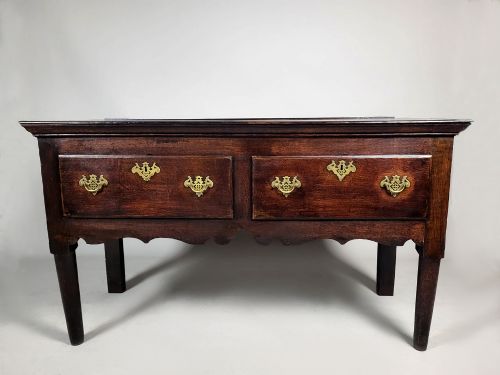
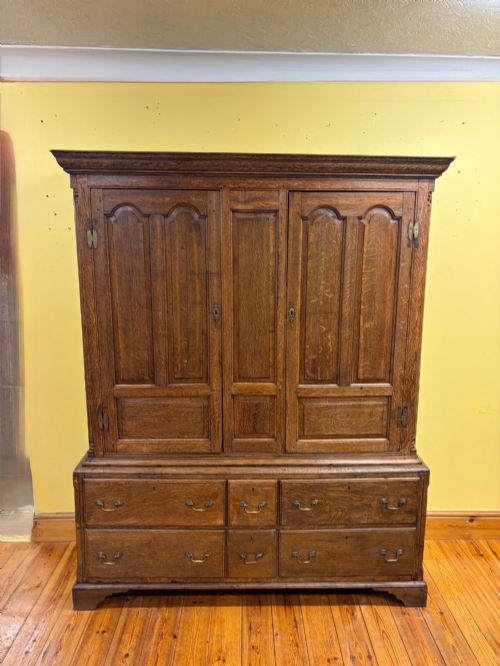
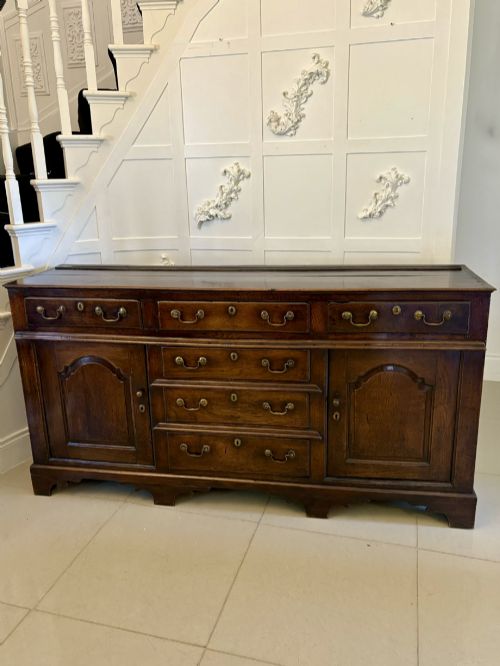
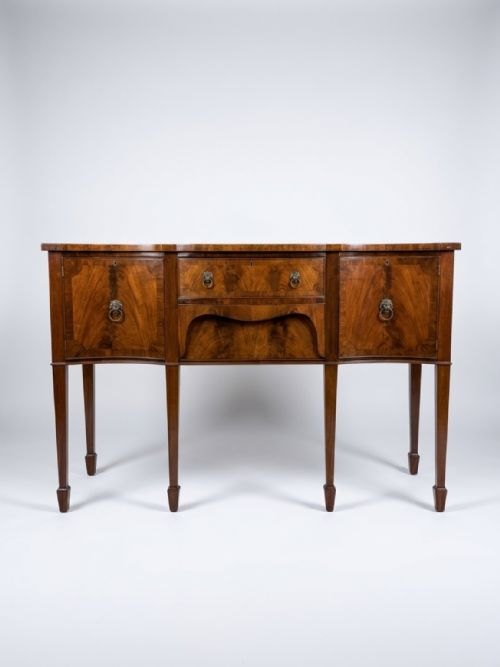
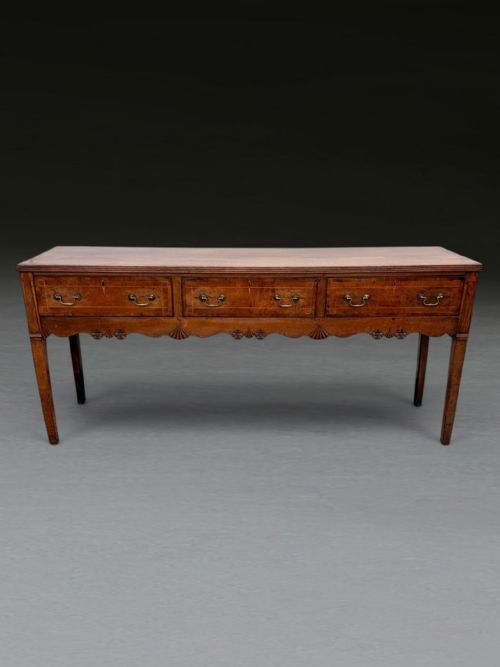

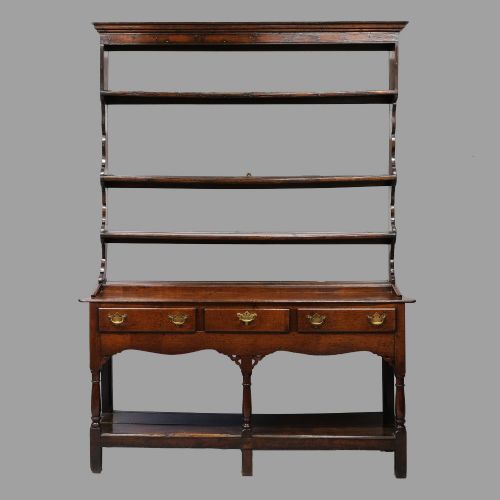
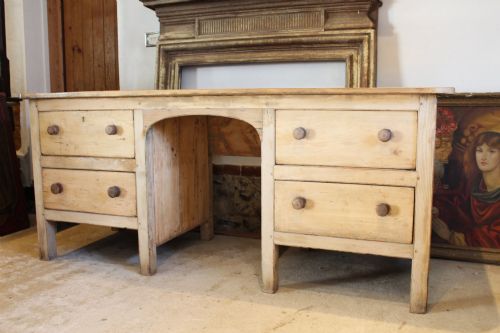
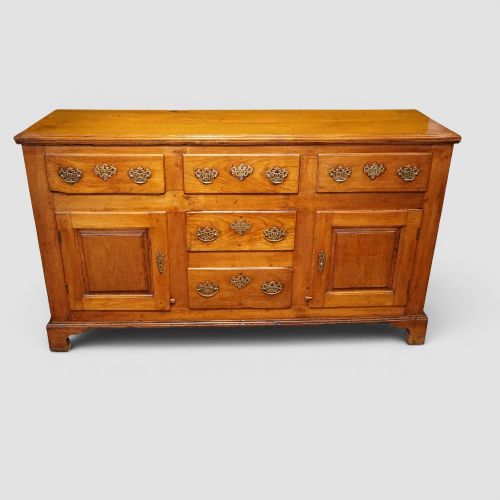


George III Dresser Base
A george iii dresser base is a robust utilitarian cabinet built to hold dining utensils and display household provisions in a Georgian interior.
George III Dresser Base
When a collector searches for a george iii dresser base, they are looking at heavy domestic furniture produced during the Georgian period and the later eighteenth century. These pieces combine long horizontal work surfaces with banks of drawers and lower storage configurations.
Materials and Construction
Cabinetmakers built these carcases primarily using solid oak, often supplemented by pine for secondary internal framing and drawer linings. Joinery relied on traditional pegged mortise and tenon construction to sustain daily kitchen or dining room use.
Surface detailing frequently incorporated mahogany veneers, decorative inlay work, and fruitwood or sycamore accents on finer examples. Hardware consisted of cast brass drop handles and escutcheons secured to drawer fronts with iron or brass pins.
The archive records frequent variations including potboards, dog kennels, and housekeeper cupboards from the Georgian era.
Judging Quality and Proportion
Quality rests upon the crispness of the timber grain, the retention of original brass hardware, and the integrity of the lower potboard structure. Untouched surfaces displaying deep natural patination command greater interest than pieces stripped to bare wood.
Proportion and regional carpentry traits also dictate standing, as provincial vernacular items differ significantly from metropolitan workshop output. Well-balanced drawer arrangements and undisturbed backboards indicate superior original craftsmanship.
The George III Dresser Base Glossary
- Potboard
- The lower open shelf built into a dresser base. It provided elevated storage for earthenware and heavy kitchen utensils away from damp flagstone floors.
- Escutcheon
- A protective brass plate surrounding a keyhole. Original brass escutcheons match the drop handles on period drawer fronts.
- Dog kennel
- A central recessed space flanked by banks of drawers or cupboards beneath the main work surface. This distinctive void often housed hunting dogs or large storage baskets.
- Flame mahogany
- A decorative wood veneer showing a distinct flickering flame pattern. Cabinetmakers applied this expensive timber to surface panels on select late eighteenth-century pieces.
George III Dresser Base: Frequently Asked Questions
What is a george iii dresser base?
A george iii dresser base is a heavy Georgian storage cabinet with a flat top and multiple drawers, constructed primarily from oak during the eighteenth and early nineteenth centuries.
These utilitarian pieces served central roles in domestic kitchens and dining rooms, providing robust surfaces for food preparation alongside ample storage for tableware.
How were these dressers used originally?
Households utilised the broad wooden top for preparing meals and the lower drawers for storing cutlery, linens, and dry provisions. The open potboard below held heavy serving platters and earthenware bowls.
Over time, these sturdy items migrated from working kitchens into formal dining spaces and hallways as domestic habits shifted.
Are mahogany and oak versions both period correct?
Both oak and mahogany appear across eighteenth-century records, with oak forming the vast majority of provincial vernacular output. Mahogany and flame mahogany veneers indicate higher status metropolitan commissions.
Makers also incorporated secondary woods like pine and fruitwood into internal drawer construction and decorative inlay bands.
How do I spot original brasses?
Original brass handles and escutcheons leave distinct ghost impressions on the timber surface and match the oxidation patterns of the period. Replacement hardware often uses different fixing hole placements.
Inspect the interior of the drawer fronts to see if previous handle positions were plugged and patched.
Where did these pieces originate?
Carpenters built these cabinets across English regions, with distinct styles emerging from Wales, Lancashire, and southern workshops. Regional joinery methods and local timber availability dictated specific structural variations.
Surviving examples reflect the vernacular traditions of Georgian cabinetmaking before industrial standardisation took hold.