



George III Country Furniture
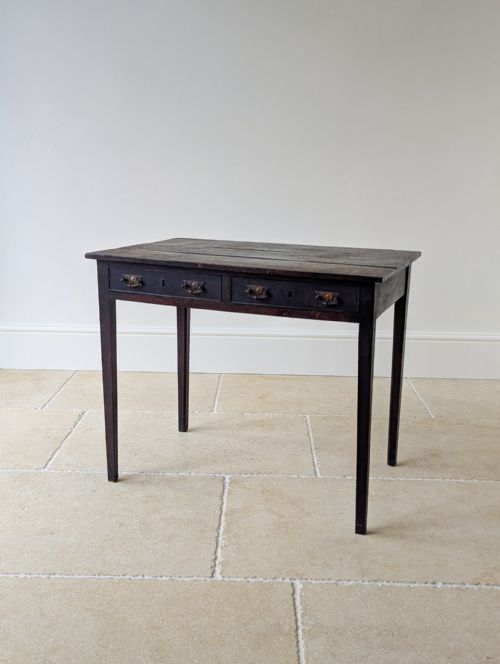
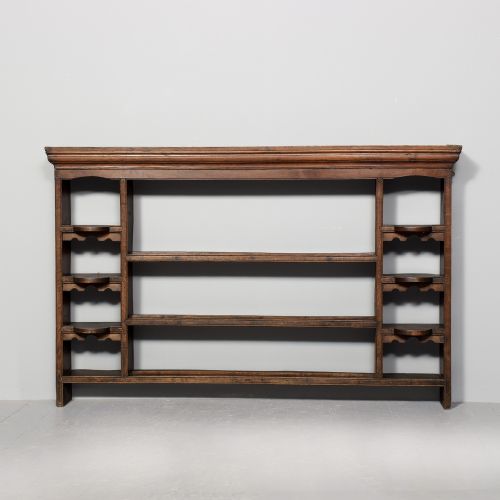
George iii country furniture brings honest oak, elm, and fruitwood utilitarian forms into modern rooms.
George III Country Furniture
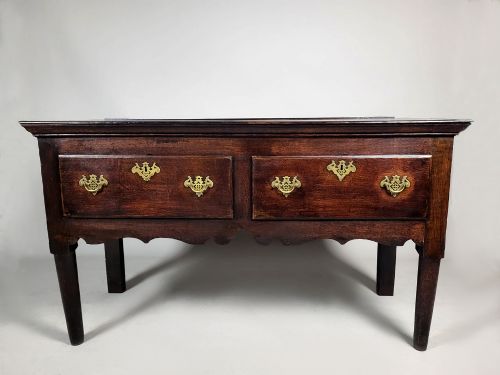
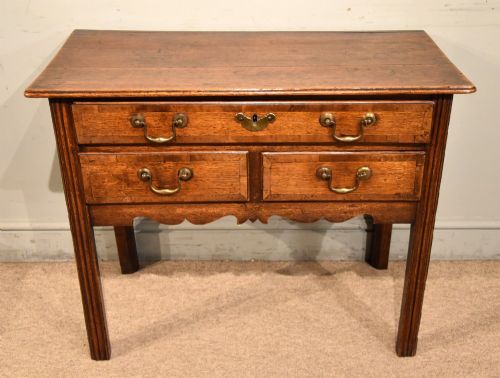
George iii country furniture comprises domestic utilitarian pieces made in provincial workshops during the Georgian era, ranging from dressers and side tables to Windsor armchairs. These items reflect local traditions rather than metropolitan fashions, utilising regional timbers suited to daily rural life.
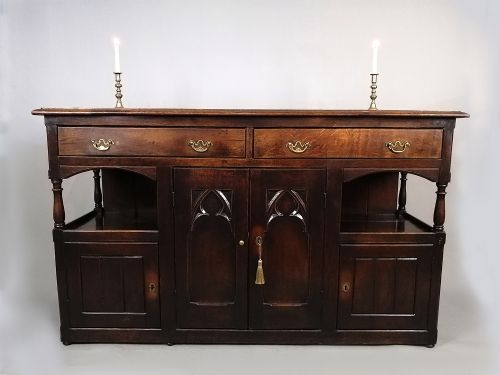
The pieces most commonly met on this page include oak dressers, elm and ash Windsor armchairs, and fruitwood cricket tables dating from the mid eighteenth century to around eighteen hundred. Such objects were built for hard use in farmhouses and country houses, retaining practical forms like potboard bases and low hoops.
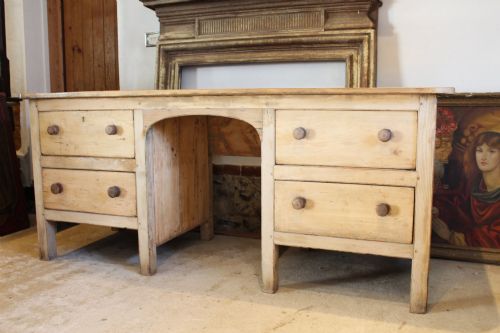
Makers working outside London relied on readily available timbers like pine, sycamore, and yew wood, creating sturdy chests of drawers, sideboards, and bacon settles. This regional vernacular stands apart from high style London cabinet work through its straightforward construction and honest adaptation of forms like Gothic Revival or Hepplewhite.
How george iii country furniture was made
Rural cabinet makers and bodgers constructed these pieces using solid native timbers such as oak, elm, ash, and fruitwood, often combining multiple woods within a single item like an elm seat with ash spindles. This timber selection provided the necessary strength for items subjected to heavy domestic service, including cricket tables and high hoop-back armchairs.
Joinery techniques prioritised durability, employing pegged tenons for oak dressers and framework alongside steam-bent components for Windsor chair hoops and crinoline stretchers. Surfaces were typically finished to highlight the natural grain of woods like burr walnut, mahogany, or sycamore without elaborate veneer work.
The inventory records Georgian country furniture spanning the eighteenth and nineteenth centuries, incorporating Hepplewhite and Gothic Revival influences.
What varies in quality in george iii country furniture
Quality in these rural pieces rests upon the integrity of the timber selection and the retention of original surface patination, such as unpolished oak or aged fruitwood. Pieces that maintain their early brasses, plate racks, or original structural fixings command greater appreciation from collectors.
The sophistication of regional craftsmanship also sets examples apart, seen in the fluid turnings of a cricket table leg or the sculptural comfort of a high hoop-back armchair. Superior proportion and untouched country house provenance elevate simpler forms above standard utilitarian output.
The George III Country Furniture Glossary
- Cricket table
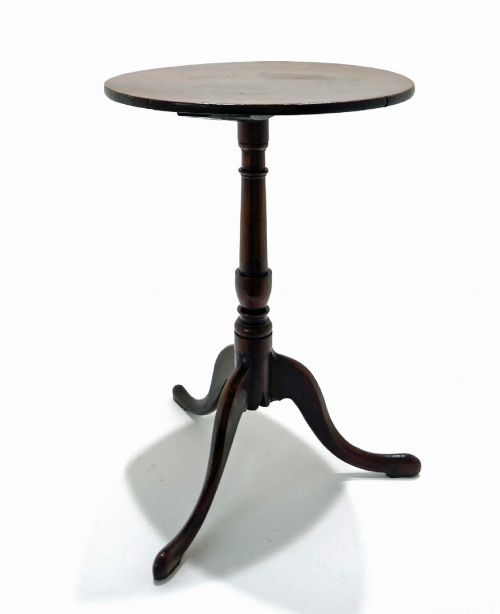
- A small, lightweight occasional table typically featuring three splayed legs and a round wooden top. These tables were designed for uneven flagstone floors in rural cottages.
- Potboard dresser
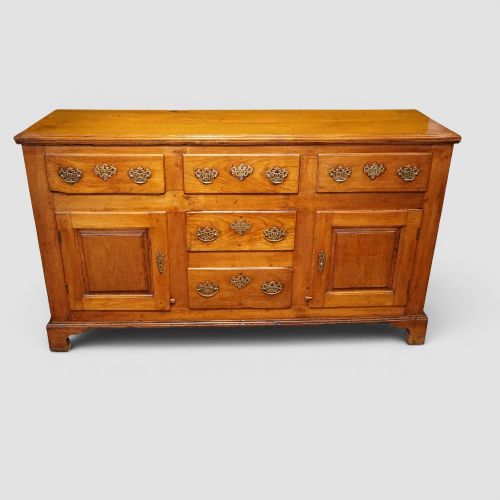
- A kitchen dresser featuring a low open lower shelf specifically intended for storing heavy ceramic pots and metalware. This foundational board distinguishes certain Welsh and provincial oak dressers.
- Windsor armchair
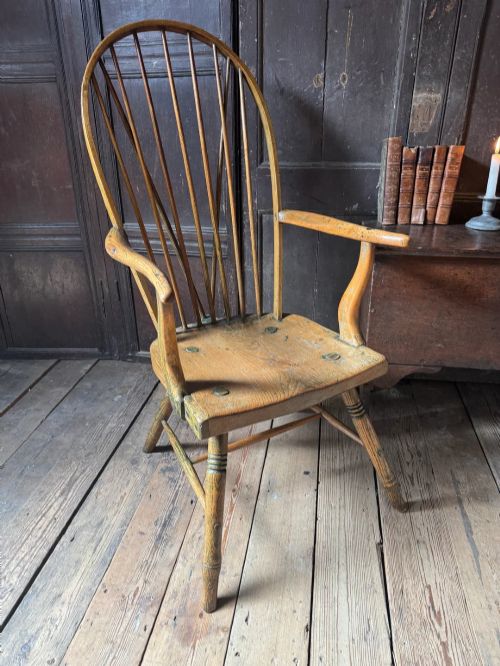
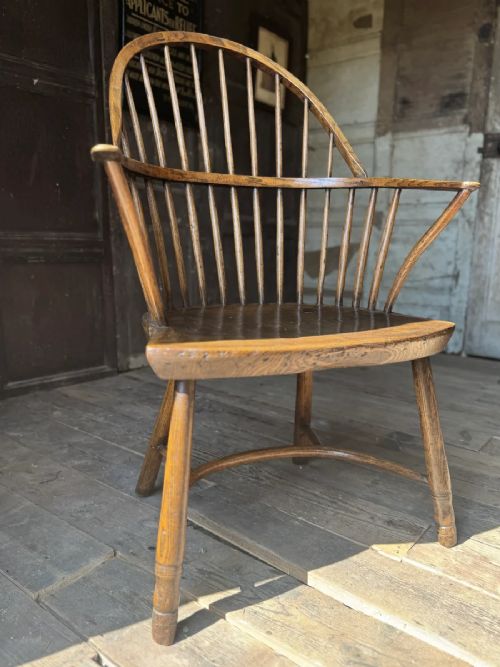
- A seat constructed with a solid wooden saddle-shaped seat into which the legs and back spindles are wedged directly. Regional variations often include high hoops and crinoline stretchers.
- Bacon settle
- A high-backed wooden bench with a built-in compartment used traditionally for curing and storing meat. These substantial pieces sheltered farmhouse inhabitants from draughts.
- Crinoline stretcher
- A bent metal or wooden brace connecting the legs of a chair in a continuous loop. This feature adds significant structural rigidity to elm and ash armchairs.
George III Country Furniture: Frequently Asked Questions
How do i identify country windsor chairs?
Country Windsor chairs are characterised by solid wooden seats combined with spindle backs and turned legs. Makers frequently utilised combinations of elm for the seat and ash or yew wood for the bending parts.
Regional traits such as crinoline stretchers or high hoop backs help distinguish West Country origins from other British workshops. The wood should show deep patination accumulated through generations of domestic use.
Where were these rural pieces made?
These items were produced in provincial workshops, rural estate yards, and villages across Britain rather than fashionable urban centres like London. Regions such as Wales and the West Country developed distinct local styles.
Local timber availability heavily influenced production, resulting in oak dressers in forested regions and fruitwood or pine items elsewhere. Carpenters adapted metropolitan styles like Gothic Revival to suit local needs.
How do i live with antique oak dressers?
Antique oak dressers function exceptionally well in modern kitchens and dining rooms as storage and display units. Their sturdy construction makes them suitable for daily service alongside contemporary interiors.
Placing them away from direct heat sources helps preserve the timber and original brasses. Regular maintenance involves simple dusting and occasional treatment with suitable natural waxes.