


George III Country Chair
A george iii country chair brings vernacular character and honest timber into a room, shaped by regional hands during the Georgian era.
George III Country Chair
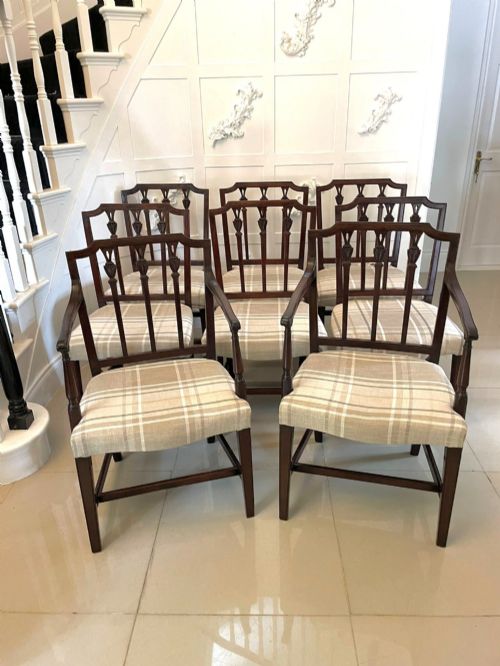
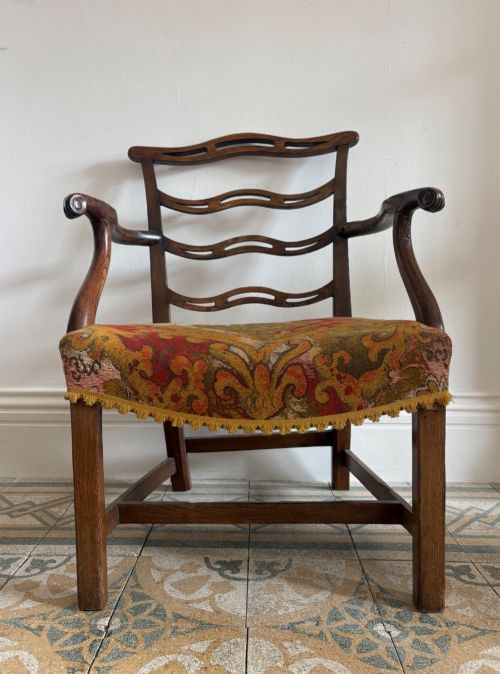
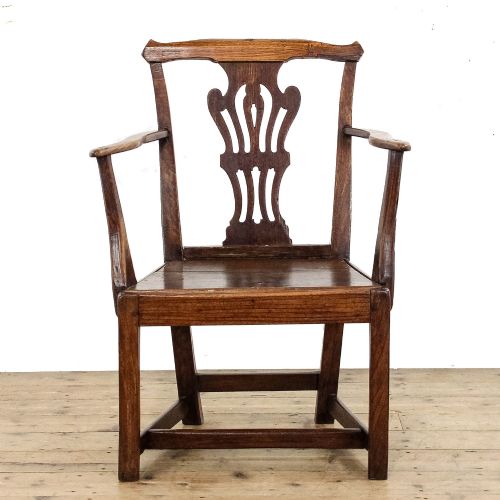
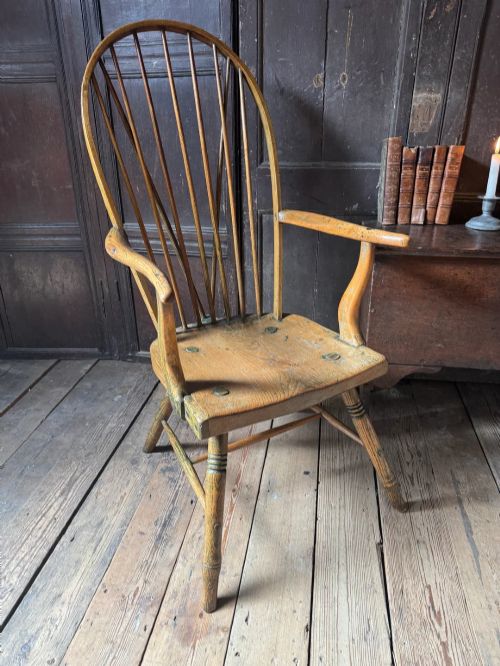
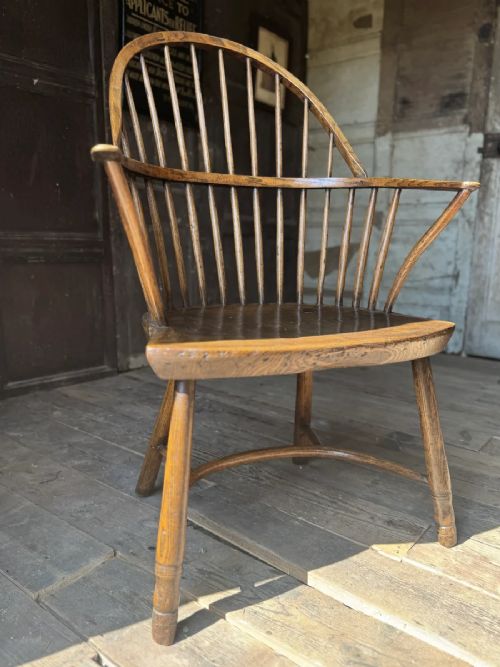
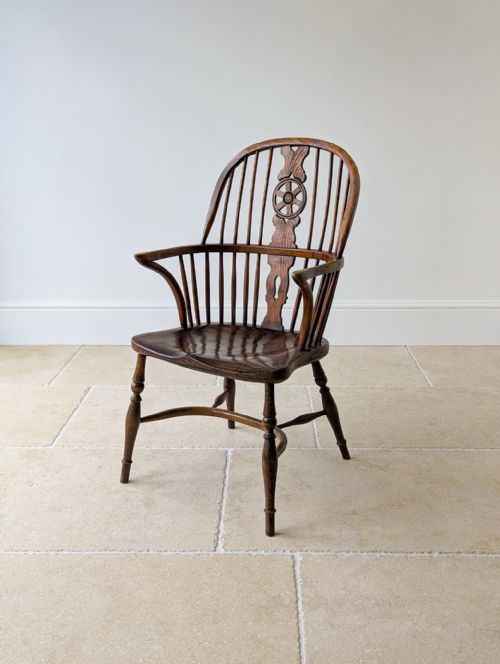
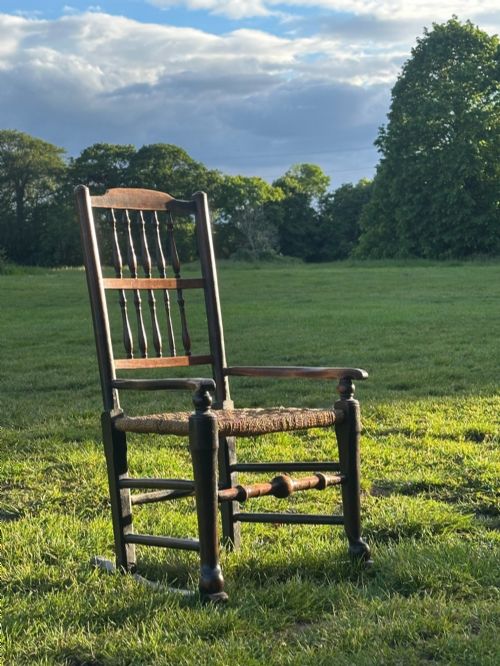
When you search for a george iii country chair, you encounter a wide variety of seating created outside metropolitan workshops, primarily in elm, ash, and oak. These pieces range from robust ladderback carvers and spindle-back side chairs to regional Windsors and corner chairs designed for everyday domestic use.
The pieces on this page are most commonly dining chairs, open armchairs, and Windsor variants dating from the late 18th and early 19th centuries. They bridge formal urban styles with rural practicality, often displaying regional traits from places such as the West Country or Lancashire.
Materials and construction
Makers utilised native British hardwoods, frequently combining elm seats with ash spindles, fruitwood frames, and oak underpinnings to balance strength and flexibility. Timber was selected for its specific properties, such as tough elm for solid saddle-shaped seats that resisted splitting under daily use.
Joinery relied on traditional methods including pegged mortise and tenon joints, steam-bent components for hoops and bows, and turned legs secured with wedged tenons. Rush, leather, tapestry, and needlepoint were employed for seats, fastened directly to the wooden rails.
Listings feature elm, ash, oak, fruitwood, and walnut, paired with rush, leather, and fabric seat inserts across Georgian periods.
What separates examples
Quality rests in the integrity of the timber, the retention of original surface patination, and the honesty of the construction. Pieces that retain their early finish and untouched regional quirks command greater appreciation than those heavily restored or stripped of their historical character.
Proportion and comfort also define the upper tier of these chairs, where regional makers managed to combine sturdy utility with pleasing lines. The subtlety of a turned stretcher or the careful shaping of a Windsor comb distinguishes a superior chair from a standard utility seat.
Clarkson of Wolverhampton
The George III Country Chair Glossary
- Windsor chair
- A chair built with a solid wooden seat into which the legs and back spindles are separately bored and wedged. This form relies on the strength of multiple native timbers working together.
- Crinoline stretcher
- A curved under-stretcher connecting the front legs of an armchair, providing lateral stability and resembling the shape of a Victorian hoop skirt. It is frequently seen on West Country Windsors.
- Carver
- An open armchair, often produced as part of a larger dining set to sit at the head of the table. These pieces mirror the design of the matching side chairs.
- Hoop-back
- A continuous bentwood back rail that forms an oval or circular frame above the seat. This technique required skilled steam-bending of ash or elm.
- Vernacular furniture
- Objects designed and built by local tradesmen rather than urban cabinetmakers, following regional traditions rather than metropolitan pattern books.
George III Country Chair: Frequently Asked Questions
What defines a country chair?
A country chair is vernacular seating produced outside major cities by regional joiners and chair bodgers using local timber. These pieces prioritise functional durability and regional style over metropolitan fashion.
They reflect the materials available in their specific districts, resulting in diverse forms ranging from ladderbacks to Windsor armchairs.
How were these chairs used historically?
These seats served daily domestic functions in kitchens, dining rooms, and parlours across farmhouses and country houses. They were built for constant use by families and guests.
Armchairs often sat by hearths or desks, while side chairs formed dining sets around large timber tables.
How do I live with antique country chairs?
Living with these pieces involves placing them in environments with stable humidity to protect the dry historic timber and rush or leather seats. Regular gentle dusting preserves the natural wax finish and accumulated patination.
They mix easily with modern interiors, adding warmth and historical texture to contemporary dining spaces.
How can I tell regional variations apart?
Regional differences appear in the choice of native woods, turning styles of legs and stretchers, and the specific construction of the back assembly. For example, West Country Windsors often display distinct comb pieces and crinoline stretchers.
Comparing timber combinations helps locate the likely workshop district where the chair was fashioned.