




Antique Mechanical Chair
An antique mechanical chair brings ingenious nineteenth-century engineering into daily comfort through adjustable mechanisms.
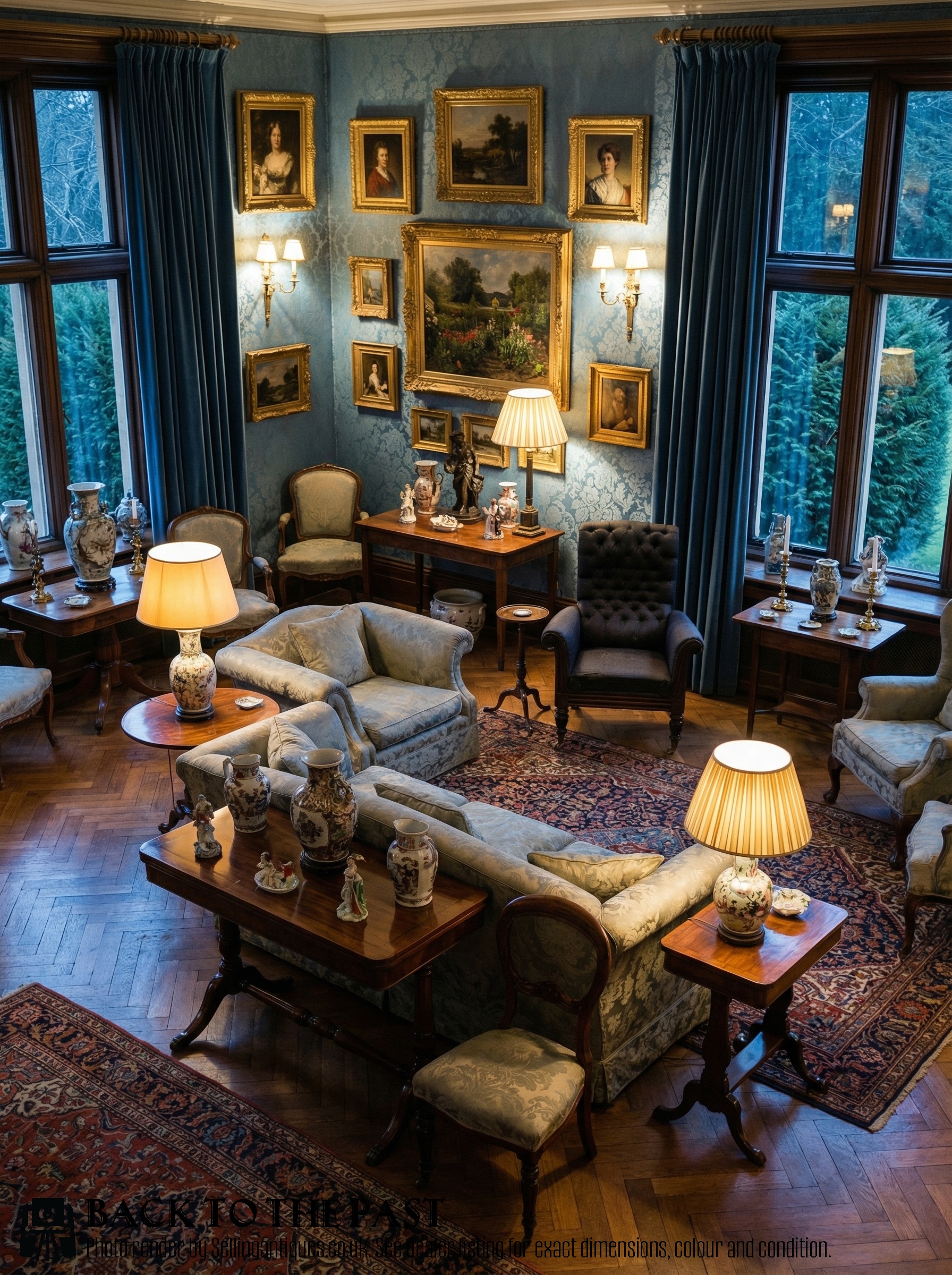
Antique Mechanical Chair
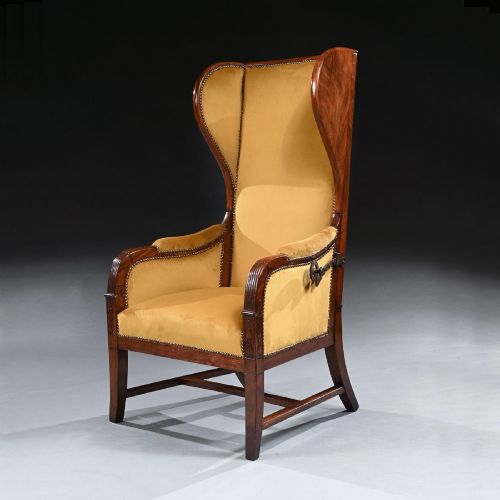
When you search for an antique mechanical chair, you encounter a specialised form of seating designed for reading, convalescence or relaxation. The pieces on this page span the nineteenth century, including Georgian, Regency, William IV, Victorian and Edwardian periods.
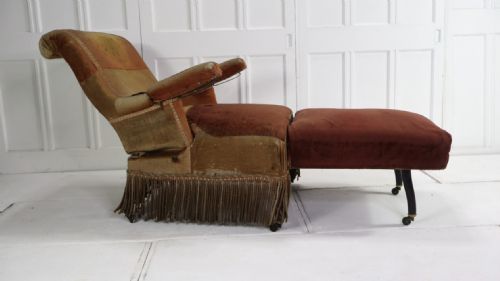
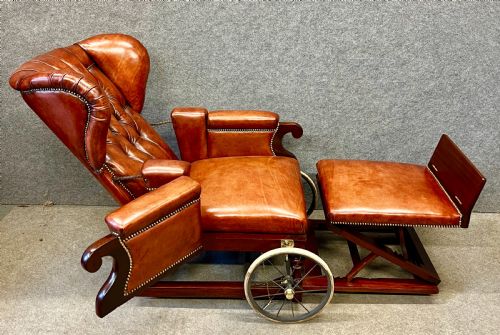
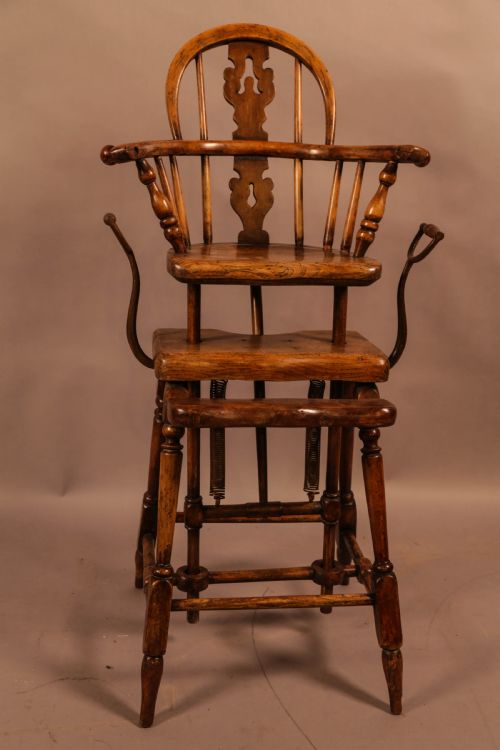
The assortment includes armchairs, reclining wing backs, library chairs, chaise longues, invalid wheel chairs and even a childs exercise chair. Most examples rely on timber frames such as mahogany, oak, walnut or elm, often paired with leather, velvet or fabric upholstery.
Makers and designers such as Minter, J Foot & Son, John Ward and Robert Daws appear among these historic seating forms. You will find items that convert from chairs into daybeds or feature adjustable ratchets and footstools.
How they were made
Cabinet makers utilised dense timbers like mahogany, walnut, oak and ebonised wood to build sturdy frames capable of supporting complex moving parts. Brass fittings, iron mechanisms and ratchets were integrated into the wooden framework to allow smooth adjustment.
Upholstery involved traditional stuffing techniques finished with leather, velvet or woven fabric secured by tacks. Marquetry inlay occasionally decorated the wooden surfaces, particularly on Swiss decorative examples.
Antique Mechanical Chair Retail Price Guide 2026
Typical asking prices for mechanical chair among the pieces listed under this phrase on Sellingantiques today, from the lower quarter to the upper quarter. They describe what is for sale here now, not the wider market.
The inventory includes specialised forms such as library chairs, chaise longues, daybeds, invalid wheel chairs and a childs exercise chair.
What varies in quality
Quality rests in the sophistication of the mechanical action and the integrity of the timber frame. Pieces with fully operational, original adjusting mechanisms stand apart from those with missing or replaced hardware.
The selection of materials also dictates standard, with finely figured mahogany, walnut and high-grade leather upholstery marking superior examples. Maker attribution to notable workshops like Foot & Son or Minter elevates the standing of an individual piece.
Minter·J Foot & Son·John Ward·Robert Daws
The Antique Mechanical Chair Glossary
- Mechanical chair
- A seating item incorporating adjustable joints, ratchets or levers to alter the user's position. These devices allowed nineteenth-century users to recline or extend into daybeds.
- Metamorphic chair
- A dual-purpose piece of furniture that transforms from a standard chair into another form, such as a library chair with an integrated footstool or a convalescing invalid wheel chair.
- Marquetry
- Decorative woodwork where small pieces of veneer are fitted into a wooden background to form intricate patterns. This technique appears on Swiss musical chairs.
- Recliner
- An armchair designed with a backrest that tilts backward, often paired with an adjustable footrest. Nineteenth-century versions utilised mechanical ratchets for positioning.
- Patent design
- An innovative furniture construction registered by its creator to protect a specific mechanism. Pieces in the manner of Robert Daws or by Minter reflect these protected engineering methods.
Antique Mechanical Chair: Frequently Asked Questions
How do mechanical chair mechanisms work?
Most nineteenth-century mechanical chairs rely on internal ratchets, levers or brass hinges operated by the user or an attendant. These mechanisms shift the backrest angle or extend integrated footrests.
Adjustment requires releasing a catch or shifting the weight distribution to lock the chair into a desired reclining or upright position.
Were these chairs used for medical care?
Many mechanical seating forms served invalids, convalescents and elderly users who required postural support during long hours of sitting. Designs like invalid wheel chairs and reading chairs provided necessary mobility and ergonomic adjustment.
Domestic libraries and drawing rooms also housed these pieces for general leisure, reading and relaxation.
How do I identify the period of a chair?
Dating relies on stylistic clues, framing timbers, and the complexity of the internal iron or brass hardware. Georgian and Regency pieces display distinct linear proportions, while Victorian examples often feature heavier mahogany frames and advanced metamorphic actions.
Maker signatures, patent stamps or associated historical designs also help narrow down the decade of manufacture.
Can I use an antique mechanical chair daily?
These chairs are sturdy enough for regular use provided the internal metalwork and wooden joints receive proper care. Many surviving examples retain functional mechanisms that operate smoothly.
Leather and fabric upholstery may have been restored or replaced to suit modern seating comfort while preserving the original wooden framework.