
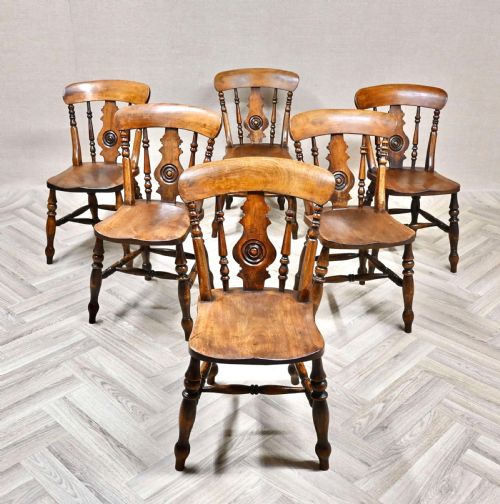
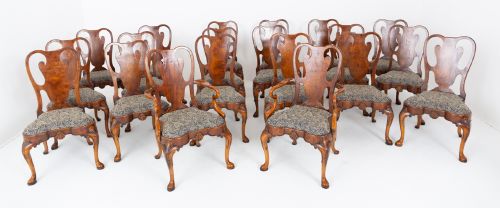
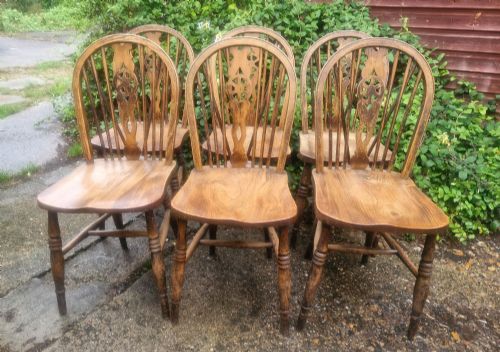
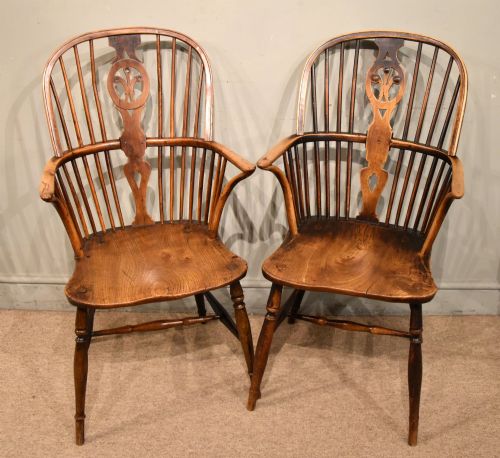
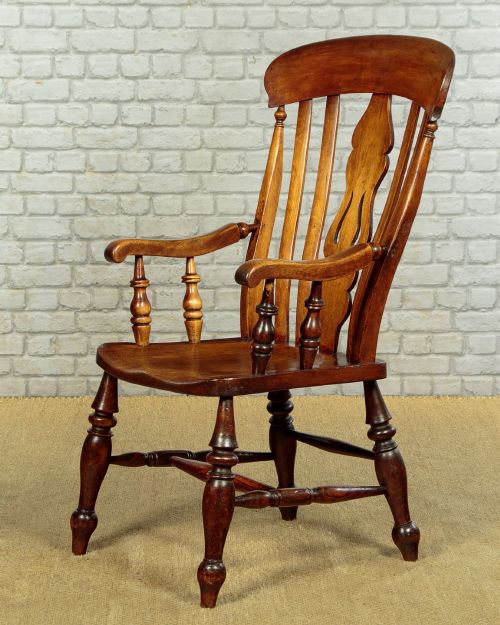
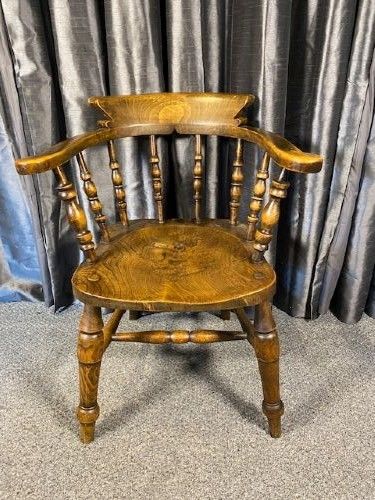
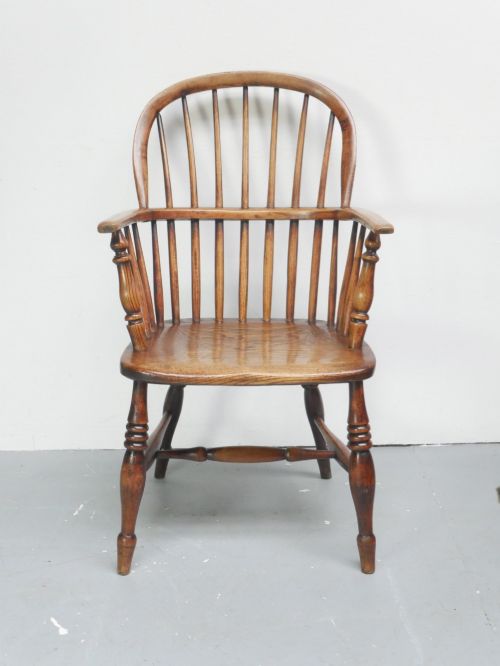
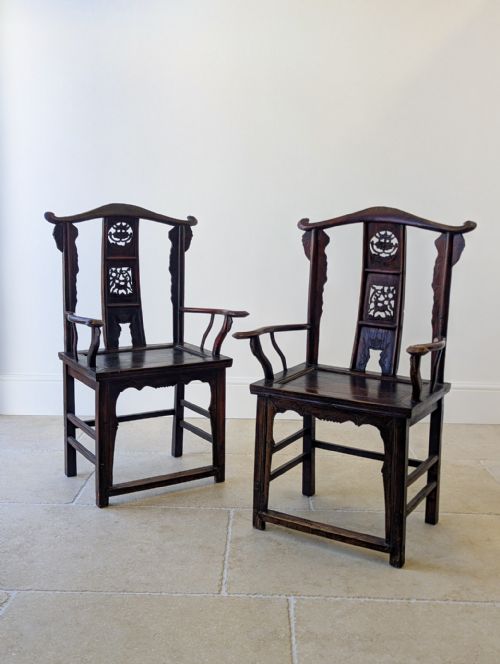
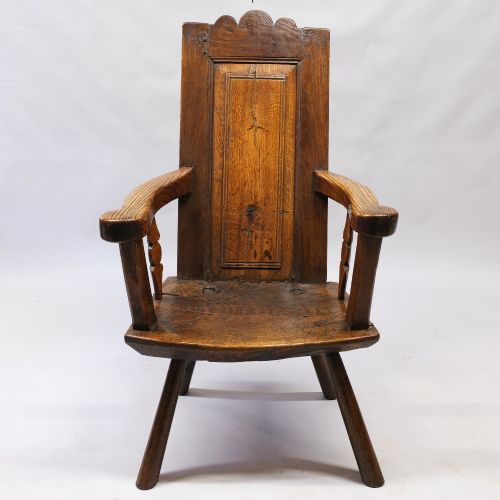
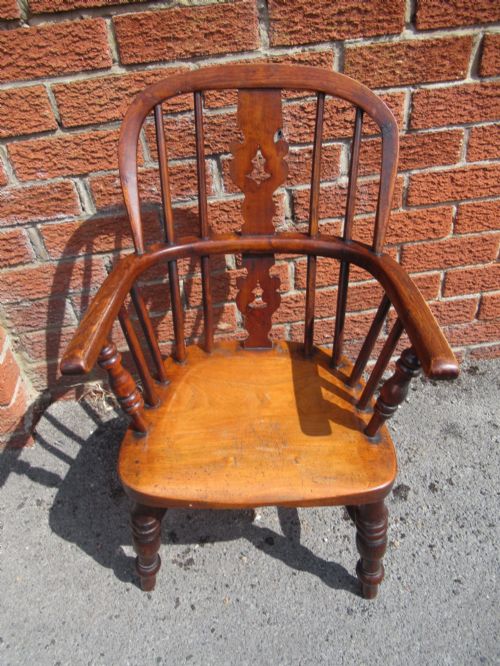
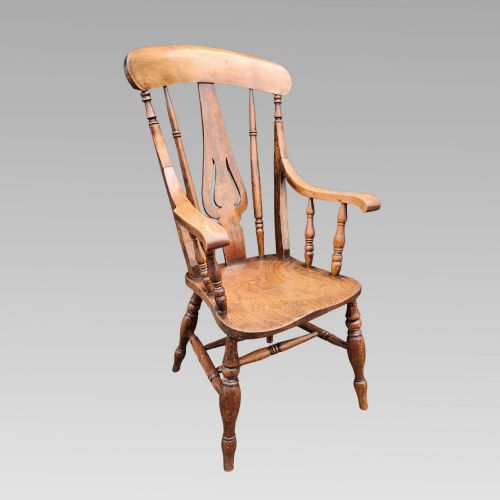
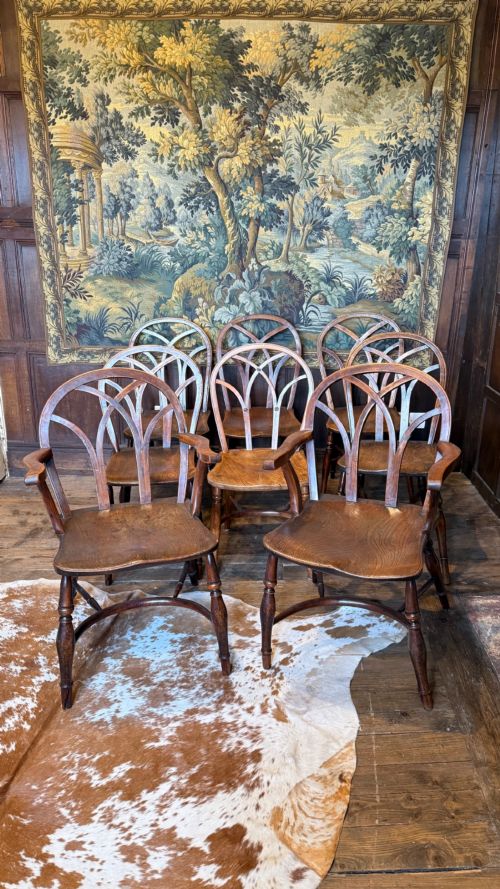
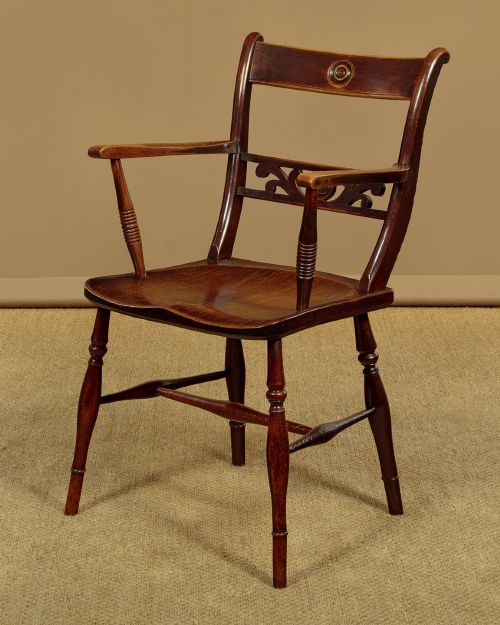
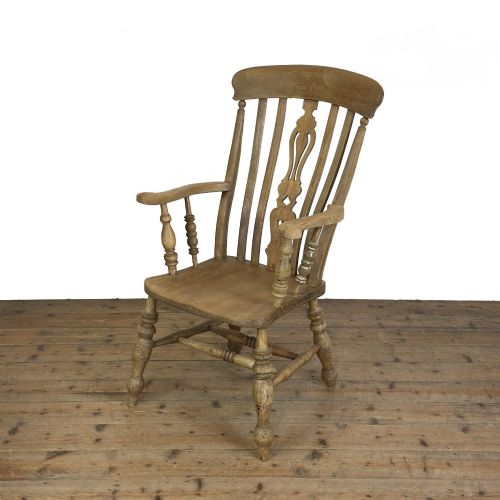
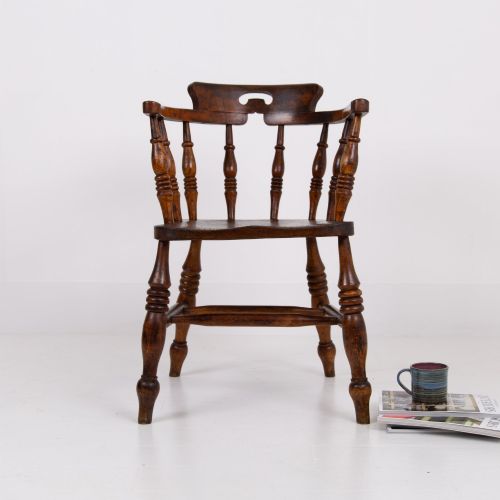
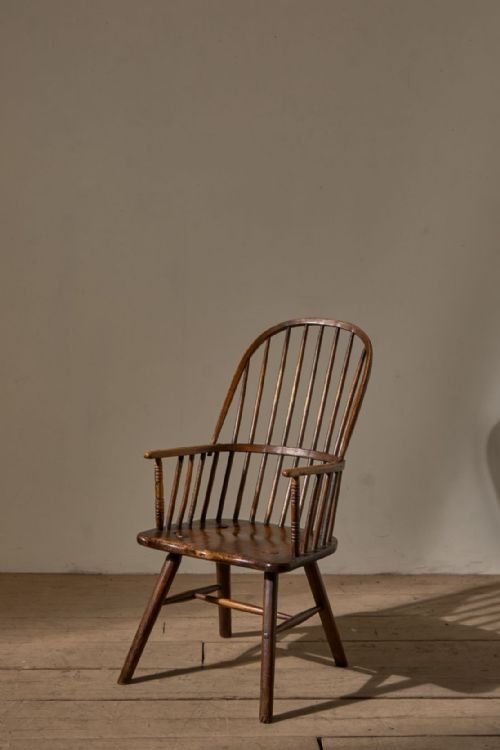
Carved Back Elm Chair
These carved back elm chair examples combine robust timber with vernacular ingenuity, offering robust seating shaped by generations of country makers.
Carved Back Elm Chair
A carved back elm chair brings together traditional seating from English country workshops and international vernacular traditions. Buyers encounter everything from early kitchen dining sets to low back armchairs and high back Windsor forms.
The material record spans centuries, moving from 18th century vernacular pieces through Victorian farmhouse seating into early 20th century reproductions. These items serve daily utility while displaying regional joinery and carved splats.
Materials and construction
Construction relies heavily on elm for solid, figured seats paired with ash, beech, fruitwood, yew, or oak for spindles, legs, and bentwood bows. Craftsmen utilised steam bending and traditional wedged mortise and tenon joints to secure the timber.
Surface treatments range from natural wax finishes on English country timber to red lacquer on Chinese yoke-back and throne chair variants. Mixed wood pairings often combine an elm seat with contrasting woods for structural supports.
A few chairs manage to incorporate four different woods into one rustic frame without losing their balance.
Quality and selection
Gradations in quality depend upon the selection of timber figures, particularly in burr elm seats and carved back splats. Pieces showing cohesive timber matching across sets command greater attention than mismatched assemblies.
The integrity of the original joints and the subtlety of the spindle turning distinguish superior examples. Retaining an untouched surface patina elevates the standing of any vernacular seating.
The Carved Back Elm Chair Glossary
- Windsor chair
- A wooden chair built with a heavy solid plank seat into which the legs and back spindles are direct-tenoned. They frequently incorporate bentwood hoops or carved central splats.
- Smokers bow
- A low backed Windsor derivative featuring a rounded arms rail supported by short spindles above a saddle seat. They appear often in Victorian kitchen and tavern contexts.
- Yoke-back chair
- A traditional Chinese chair style named for its curved top rail resembling an ox yoke. They often feature carved back splats in elm or lacquer.
- Spindle
- A slender, turned rod of wood used to form the structural filling of a chair back or arm support. They provide support while keeping the frame visually light.
- Splats
- The central vertical strip of wood in a chair back, frequently shaped or carved for visual detail. They anchor the design of regional dining and armchairs.
Carved Back Elm Chair: Frequently Asked Questions
What defines a carved back elm chair?
These seats feature solid elm timber combined with a carved wooden back splat or pierced rail. They range from English country Windsor forms to regional Asian seating.
They reflect local traditions of woodworking where comfort and structural integrity dictated the final shape.
How do I date a wooden Windsor chair?
Dating relies on tool marks, timber combinations, and structural wear patterns across the seat and undercarriage. Earlier examples often employ ash and elm with wider saddle seats.
Later Victorian and 20th century iterations display standardised turning and machine assisted joint preparation.
Are these chairs suitable for daily dining?
Most variants were built for heavy domestic service in kitchens, farmhouses, and dining rooms. Their sturdy construction handles regular use well.
Buyers often select matched sets or single armchairs to pair with standard tables.
Where were these regional chairs made?
English country pieces originate from workshops in the Thames Valley, Welsh borders, and various provincial furniture centres. Other examples stem from 19th century Chinese craft traditions.
Local timber availability directly influenced the woods chosen by each maker.