
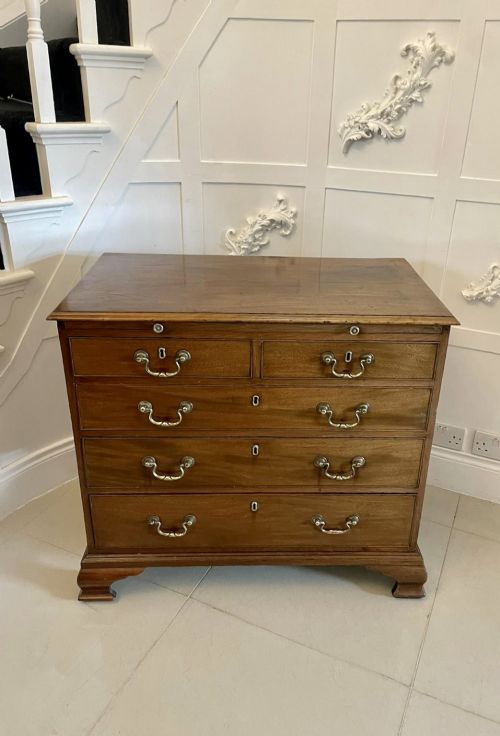
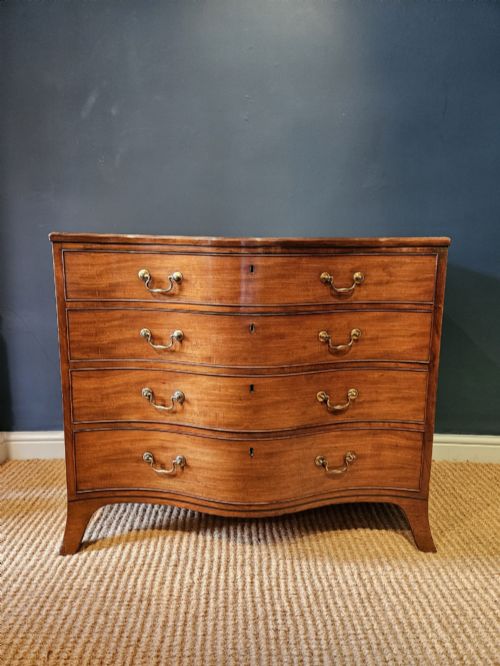
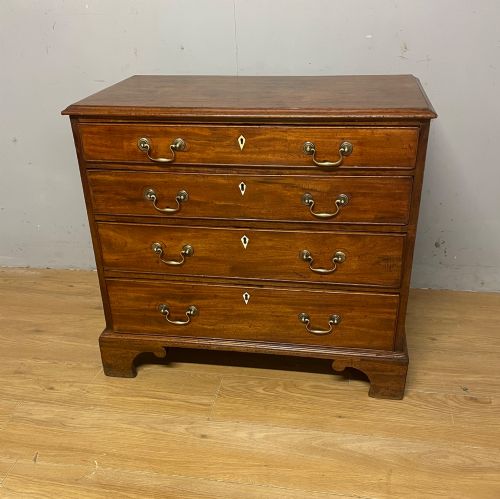
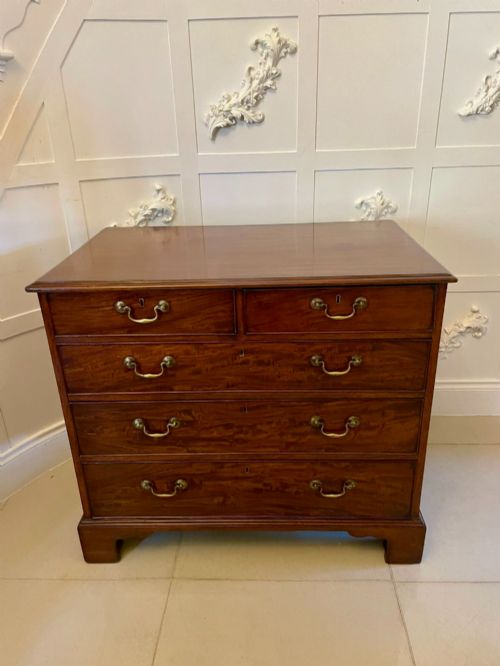
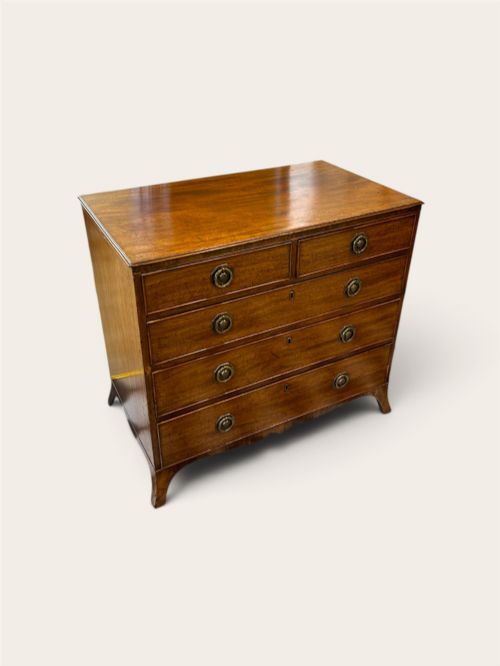
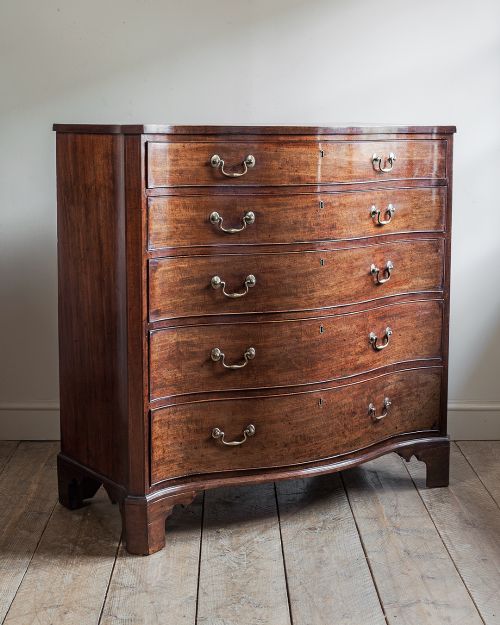

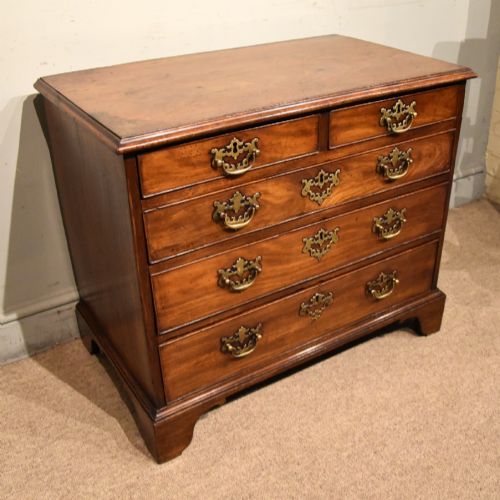
George III Commode
A george iii commode brings distinct cabinet-making skill and polished timber into a room, serving as a practical focal point with considerable historical weight.
George III Commode
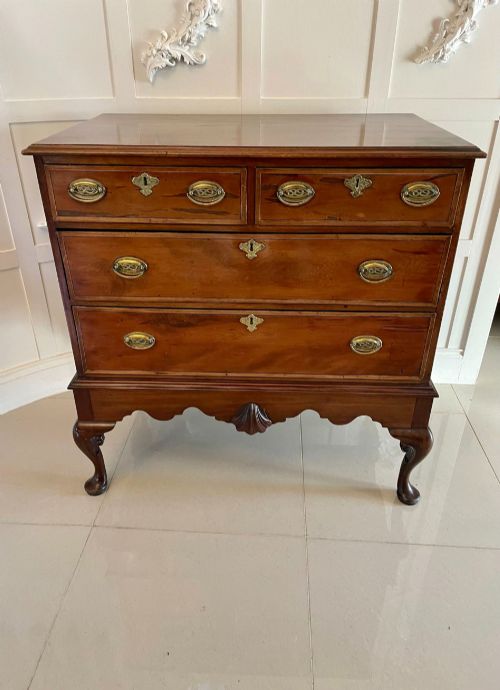
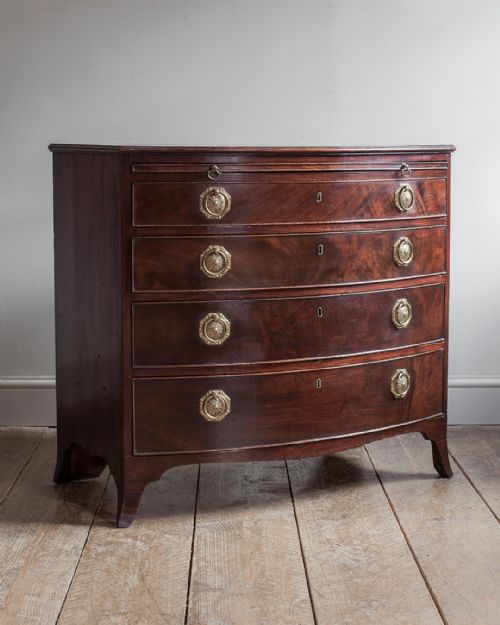
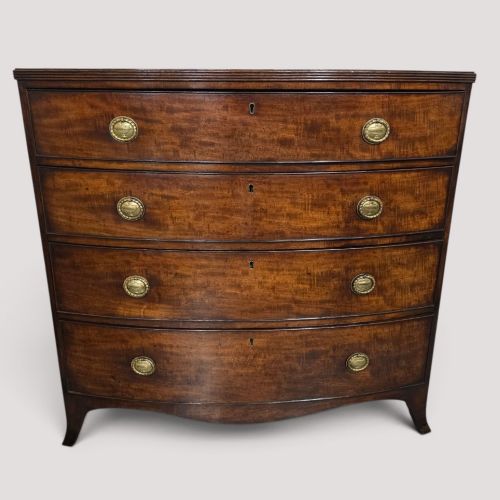
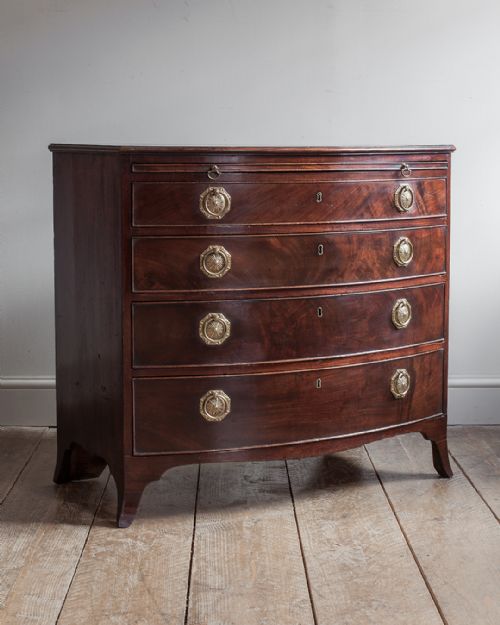
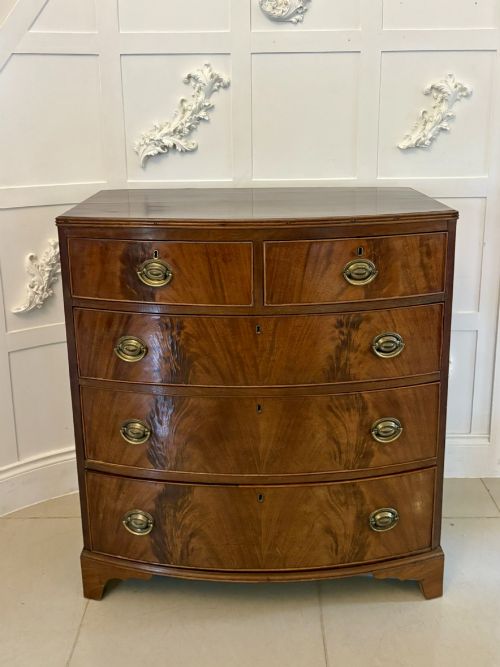
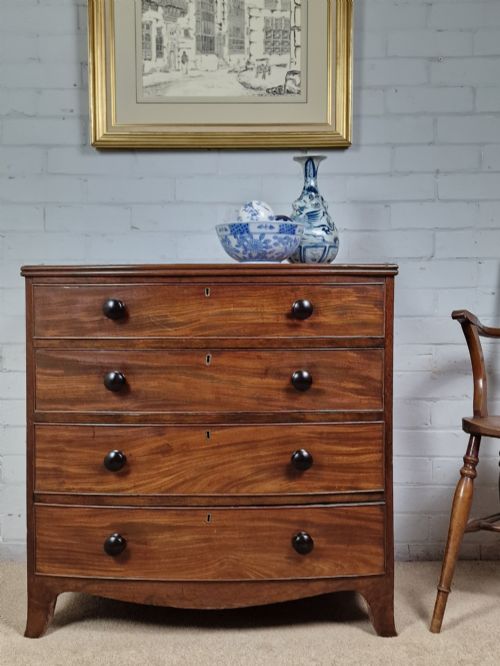
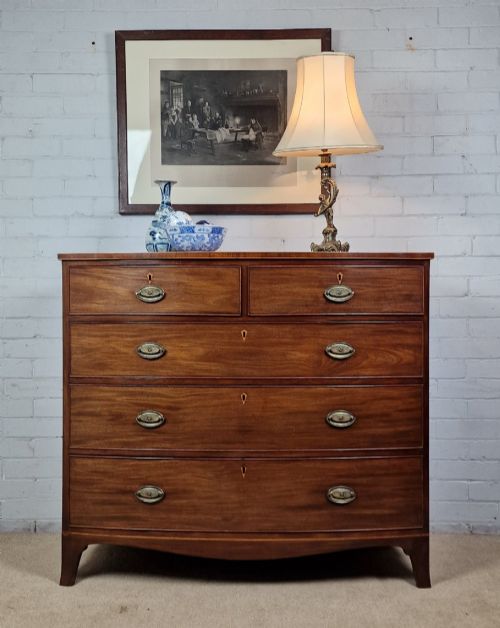
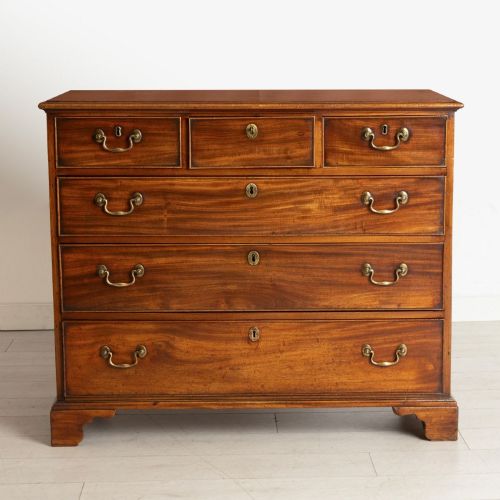
A george iii commode encompasses both enclosed bedside cabinets and formal serpentine or bow front chests originating in the eighteenth and early nineteenth centuries. The pieces reflect the prevailing Georgian aesthetic through disciplined proportions and varied structural profiles.
Tray top models and tambour front cupboards dominate the smaller bedside variants, while larger examples present multiple graduated drawers. Occasional miniature pieces and specialised writing or washstand hybrids also appear within this category.
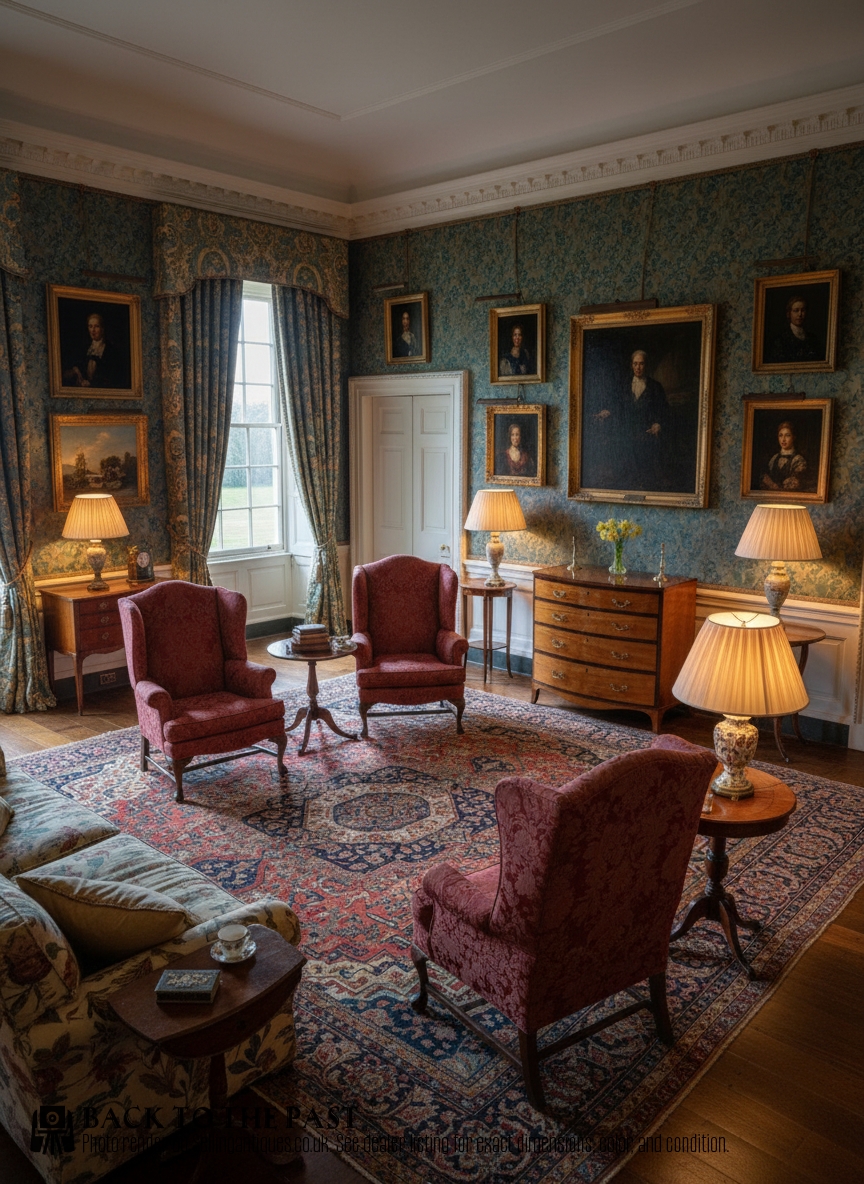
Materials and technique
Cabinet-makers relied heavily on solid mahogany and oak carcasses, frequently incorporating figured mahogany veneers or contrasting satinwood and boxwood inlay to articulate the surfaces. Brass hardware, including drop handles and escutcheons, provides structural detail alongside integrated bone or wood elements.
Construction methods emphasise dovetailed drawer boxes and panelled sides, paired with specialised closures such as sliding tambour doors or folding tray tops. Selected pieces display serpentine or semi-elliptical curved fronts requiring advanced timber-bending and shaping skills.
George III Commode Retail Price Guide 2026
Typical asking prices for george iii commode among the pieces listed under this phrase on Sellingantiques today, from the lower quarter to the upper quarter. They describe what is for sale here now, not the wider market.
Some bedside commodes retain secret internal compartments once reserved for discreet midnight valuables.
Craftsmanship and timber choice
Superior examples distinguish themselves through the quality of the timber selection, particularly symmetrical figured mahogany or detailed satinwood graining that commands the eye. The precision of the joinery, especially around complex curves like serpentine or demi-lune fronts, dictates the standing of the piece.
Subtle secondary details such as original brass fittings, intact boxwood stringing, and uncompromised internal drawer linings separate standard utility items from masterwork commissions.
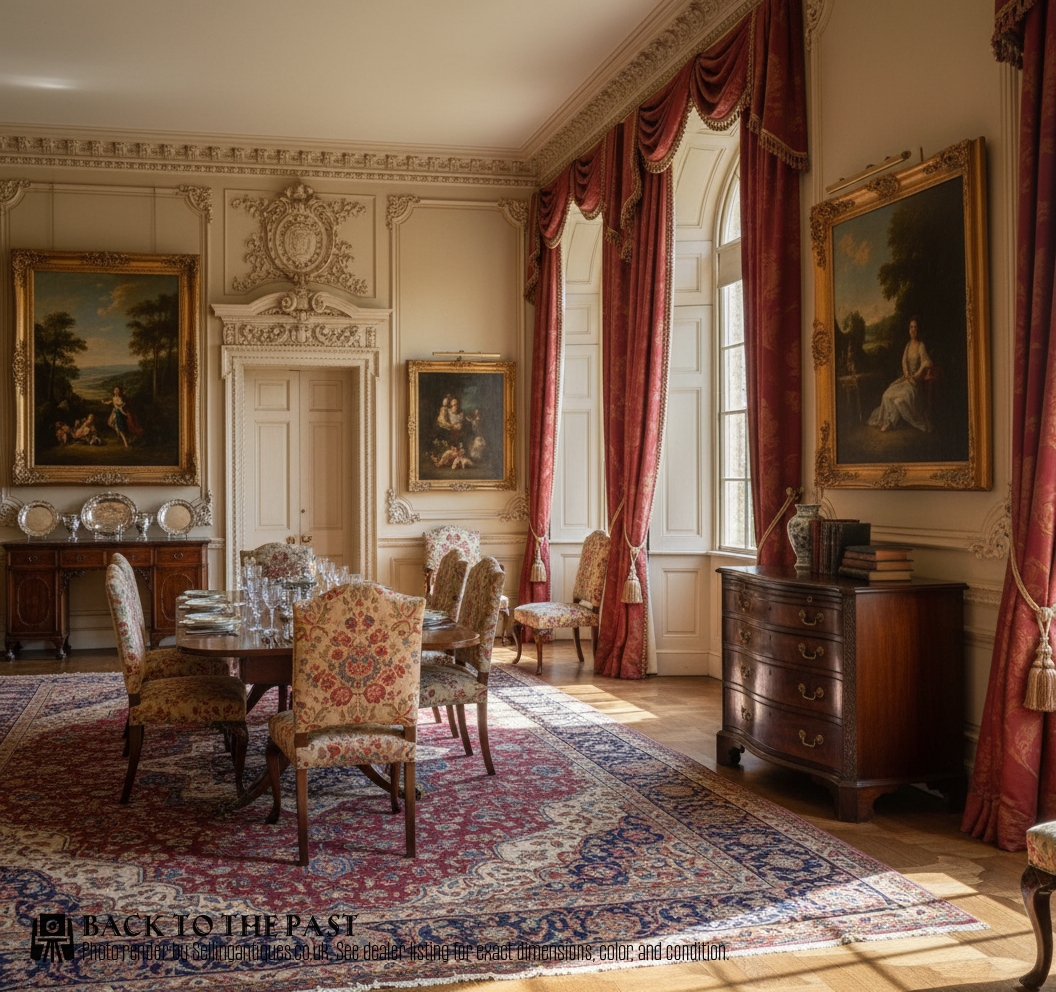
Henry Hill Of Marlborough·Cowtan & Sons London
The George III Commode Glossary
- Commode
- A low cabinet or chest of drawers, often configured as a bedside cupboard or tray top table during the Georgian period. These items served functional domestic roles in bedrooms and dressing rooms.
- Serpentine front
- A furniture face curving outward in the centre and inward at the sides, creating a fluid S-shape. This configuration demands high technical skill from the cabinet-maker.
- Tambour front
- A flexible door constructed from narrow vertical strips of wood glued to a canvas backing, allowing it to slide smoothly around a curved track. It conceals interior shelving or drawers in bedside commodes.
- Brushing slide
- A pull-out shelf integrated above the top drawer of a chest, historically used for folding clothes or writing. It sits flush with the cabinet frame when retracted.
- Bow front
- A convex curved cabinet front that projects outward in a smooth arc. This design softens the room's geometry while maximising internal storage space.
George III Commode: Frequently Asked Questions
What is a george iii commode used for today?
These pieces function primarily as bedside tables, side cabinets, or statement chests in contemporary living spaces. Their enclosed cupboards and drawers provide concealed storage while maintaining a strong decorative presence.
They adapt easily to domestic use, serving as lamp tables in hallways or practical storage units in bedrooms. The historic timber finishes add warmth and texture to both traditional and modern interiors.
How do I identify a george iii period piece?
Look for timber selection dominated by solid mahogany and oak, coupled with hand-cut dovetail joints on the drawer boxes. Authentic examples often feature period brass hardware and construction techniques typical of the late eighteenth century.
Secondary woods, such as pine or oak used inside the drawers, help confirm the period of origin. Proportions remain balanced, reflecting the classical design rules of the Georgian era.
What is the difference between a chest and a commode?
While both share Georgian origins, a chest of drawers focuses strictly on stacked drawer storage. A commode in this tradition frequently includes enclosed cupboard doors, tambour fronts, or specialised top surfaces like tray tops.
Bedside commodes often combine a top surface with a lower cabinet space designed for chamber pots or wash gear. Chests prioritise horizontal drawer tiers for garment storage.
How should I care for antique mahogany furniture?
Protect the timber by keeping the piece away from direct heat sources and strong sunlight, which can dry out or fade the wood. Regular dusting with a soft, dry cloth preserves the polished surface.
Apply high-quality beeswax sparingly to nourish the grain without building up heavy residues. Avoid using modern silicone sprays or abrasive cleaning agents on historical finishes.