

George III Buffet Server
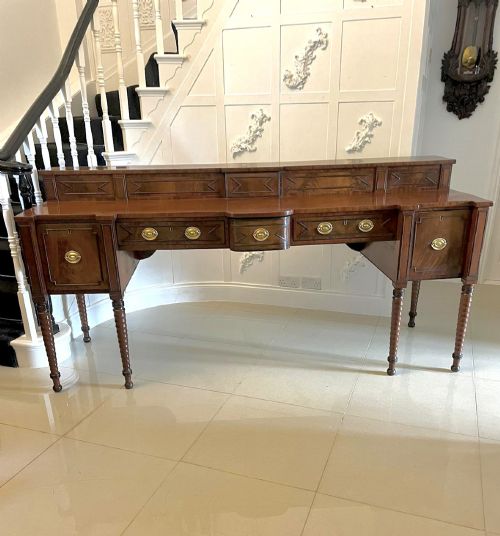
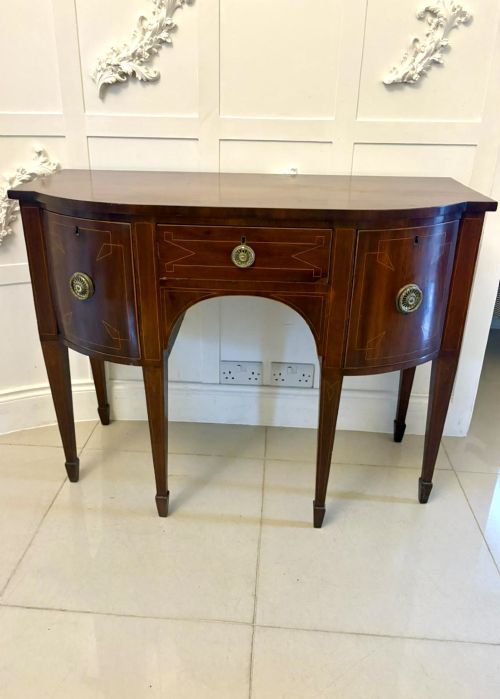
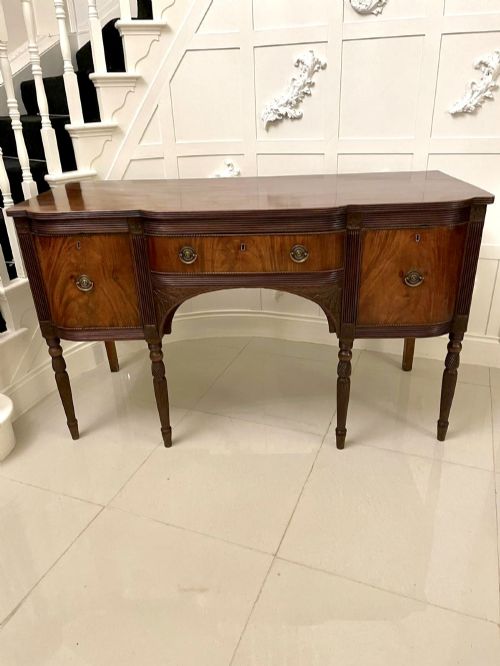
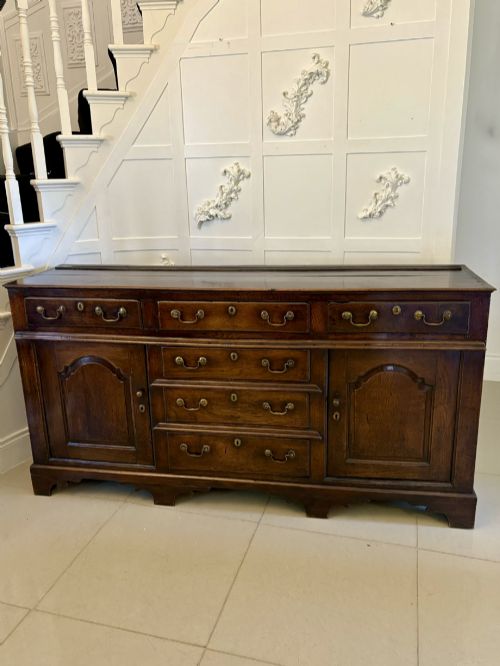
When you seek a george iii buffet server, you are looking at substantial dining furniture designed for service and display in Georgian homes.
George III Buffet Server
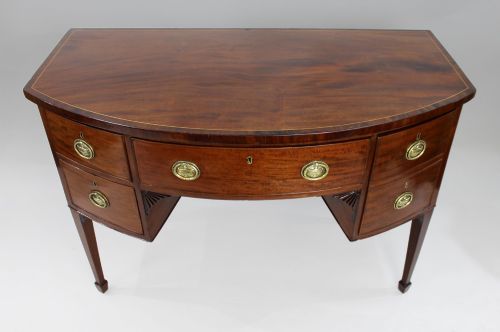
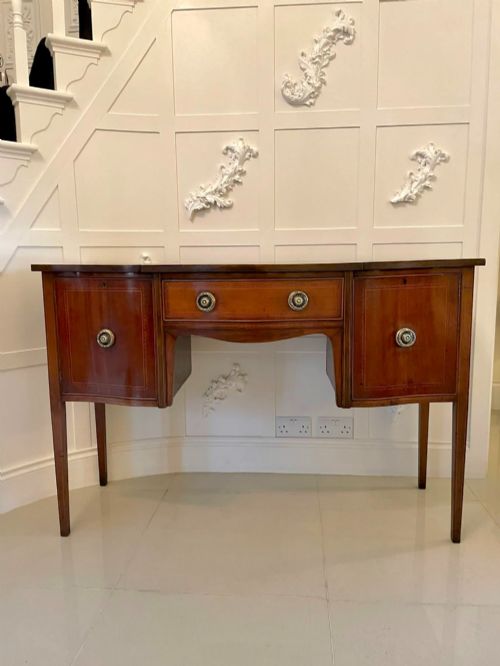
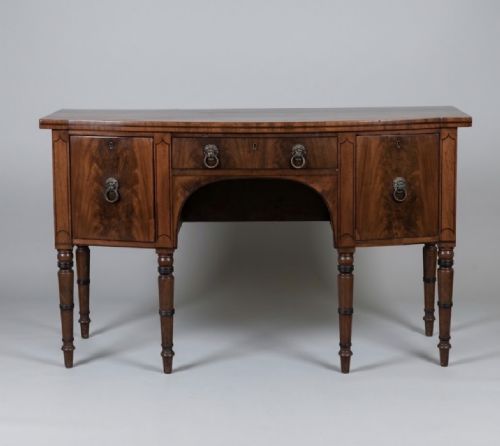
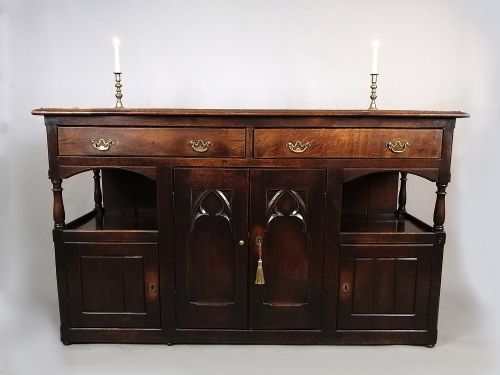
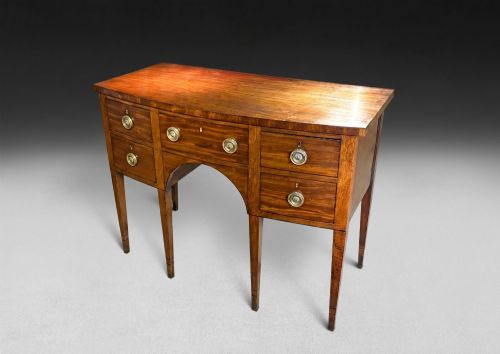
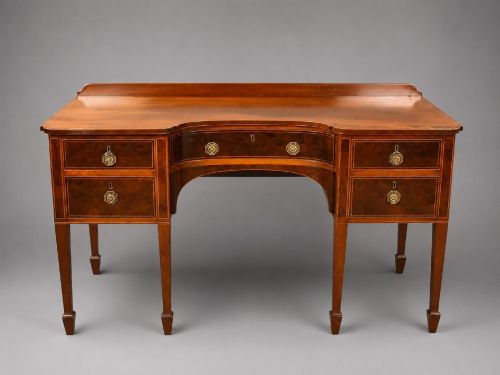
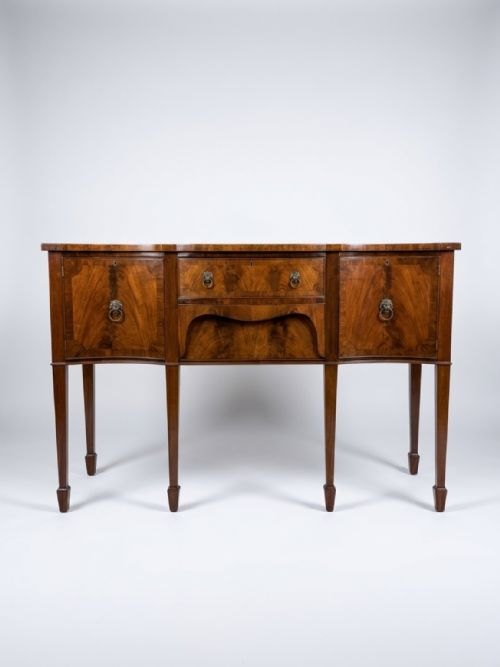
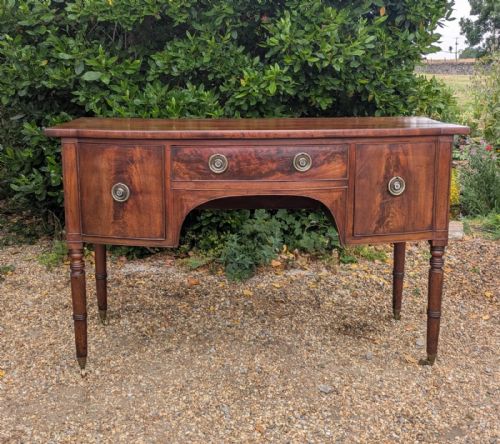
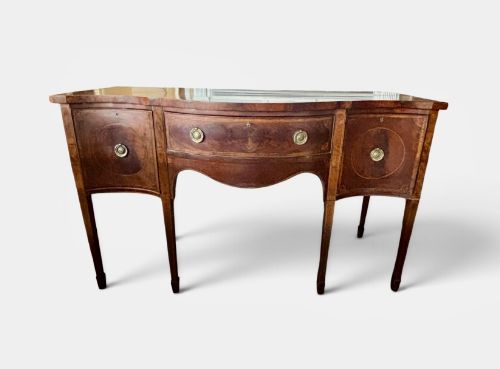
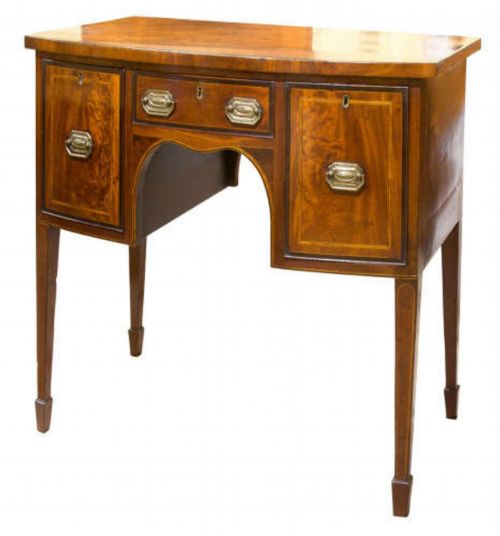
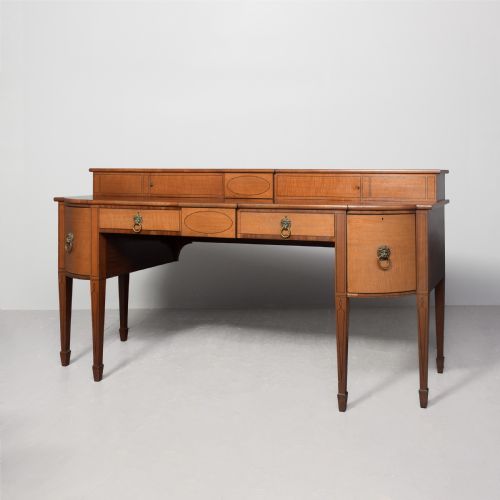
The term george iii buffet server encompasses various serving furniture forms, primarily sideboards, dresser bases, serving tables, and dumbwaiters originating from the Georgian period and associated styles. Buyers will frequently encounter mahogany sideboards featuring straight, bow-front, or serpentine shapes, alongside practical oak potboard dresser bases and tiered dumbwaiters.
Pieces span the eighteenth and nineteenth centuries, demonstrating the evolution of dining room arrangements from simple oak serving surfaces to sophisticated inlaid mahogany designs. Regional variations also appear, including Scottish stage-back sideboards and Welsh dresser bases, reflecting local cabinet-making traditions of the period.
The functional design focuses on storage and presentation for dining rooms, utilising cupboard spaces, drawer arrangements, and tiered shelving. These forms served utilitarian purposes in period households while displaying the refined tastes of their owners through select timbers and decorative details.
Materials and construction methods
Cabinet-makers relied heavily on solid mahogany and flame mahogany veneers, often enhanced with contrasting timbers such as satinwood, boxwood, and purpleheart for stringing and inlay work. Oak also appears frequently, particularly in earlier dresser bases and structural framing, providing durability for heavy daily use.
Advanced woodworking techniques defined the era, including intricate marquetry, boxwood inlay, and shaped fronts such as serpentine and bow-front profiles requiring precise curvature. Dumbwaiters incorporated tiered circular or rectangular rotating trays, whilst serving tables and sideboards utilised finely matched grain patterns across expansive timber surfaces.
Current listings feature mahogany, oak, satinwood, and fruitwood, spanning the Georgian, Regency, and Gothic Revival styles.
Judging quality and craftsmanship
Superior examples distinguish themselves through the choice of timber figure, such as highly figured flame mahogany or carefully selected fruitwood and oak, matched symmetrically across drawer fronts and top surfaces. Finer pieces incorporate delicate contrasting stringing, boxwood inlay, and marquetry executed with precision.
Structural sophistication also dictates value, seen in complex serpentine shaping, robust pedestal formations, and multi-tiered revolving dumbwaiter mechanisms that operate smoothly. The integrity of the original timber framing and secondary woods further separates standard utilitarian items from exceptional cabinet-making.
The George III Buffet Server Glossary
- Serpentine
- A curved furniture front characterised by a convex centre flanked by concave ends, creating a flowing wave-like line. This shape demands high joinery skill to execute correctly.
- Bow-front
- A convex curved front profile popular on sideboards and servers from the Georgian era onwards. It softens the room's geometry while increasing interior drawer capacity.
- Dumbwaiter
- A freestanding tiered piece of furniture with rotating circular or rectangular trays on a central column, used for serving food and drink without servants present.
- Potboard
- An open slatted lower shelf found on dresser bases, originally designed to hold pots and heavy kitchen utensils. In later periods, it served decorative display purposes.
- Stringing
- Thin inlaid lines of contrasting wood, such as boxwood or satinwood, set flush into mahogany surfaces to frame panels and drawers. It highlights the structural geometry of the piece.
George III Buffet Server: Frequently Asked Questions
What is the difference between a sideboard and a serving table?
Sideboards generally incorporate enclosed storage with drawers and cupboards flanking a central section, designed for housing dining silver and linen. Serving tables lack enclosed cupboards beneath, functioning strictly as open console surfaces for presenting dishes.
Both forms belong to the broader dining furniture family of the Georgian era, though sideboards evolved to offer more complex concealed storage solutions for the dining room.
How do I care for antique mahogany furniture?
Keep wooden furniture away from direct heat sources and strong sunlight to prevent the timber and veneers from drying out or fading. Apply traditional beeswax periodically to nourish the grain and maintain a natural protective sheen.
Avoid using modern silicone sprays or excessive water, wiping surfaces simply with a soft, dry cloth to preserve the historic patina built up over centuries.
Where were these serving pieces originally placed?
These items stood against dining room walls to assist with the service of meals before the widespread use of side tables and fitted cabinetry. Dumbwaiters stood adjacent to the dining table so diners could help themselves to courses and wine.
Larger sideboard tables and dresser bases anchored the perimeter of the room, holding platters, ceramics, and silverware ready for family meals and formal entertaining.
How do I identify a George III period piece?
Examine the secondary timbers, construction joints, and hardware styles to determine the period of manufacture, noting that authentic pieces utilise period-appropriate joinery like hand-cut dovetails. The presence of dense mahogany, subtle boxwood stringing, and characteristic Georgian proportions offer reliable chronological clues.
Later revival pieces often mimic these traits but can be distinguished by machine tooling, standardised internal components, and twentieth-century secondary woods.