





George III Bucket
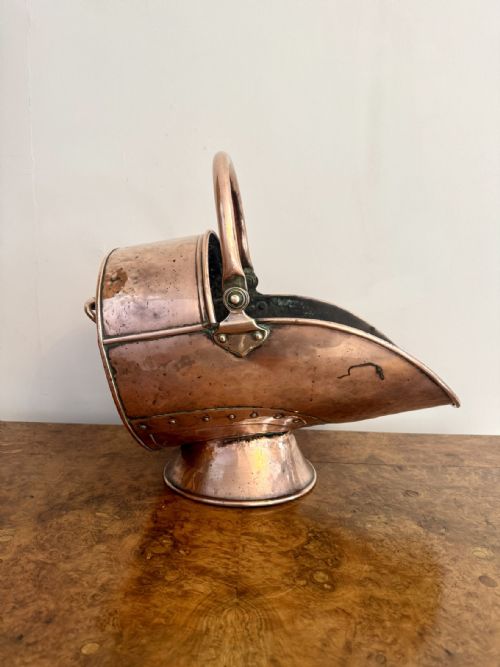
A george iii bucket brings utilitarian domestic copper and mahogany into refined domestic interiors with genuine period craftsmanship.
George III Bucket
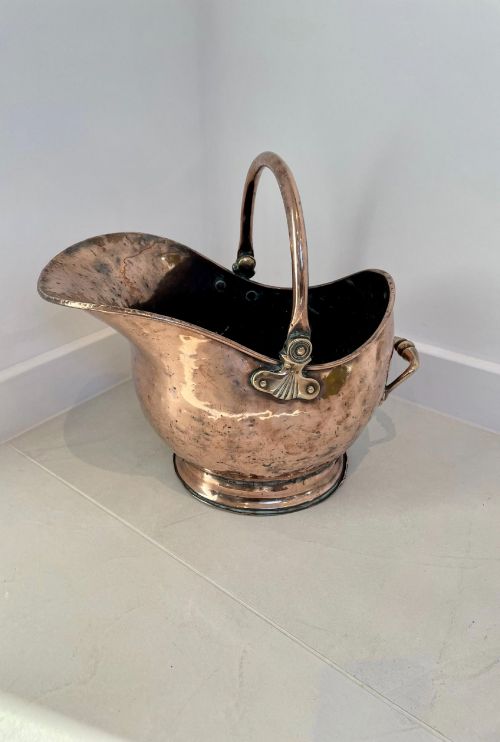
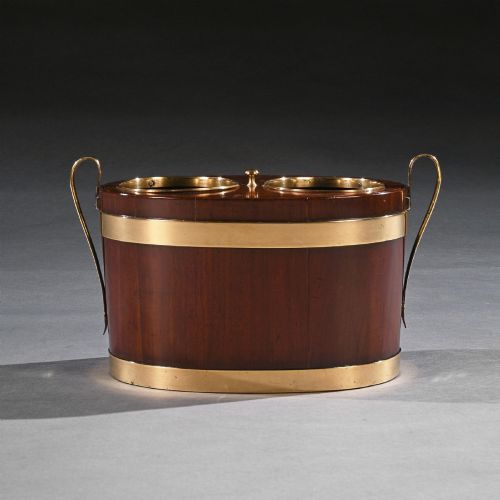
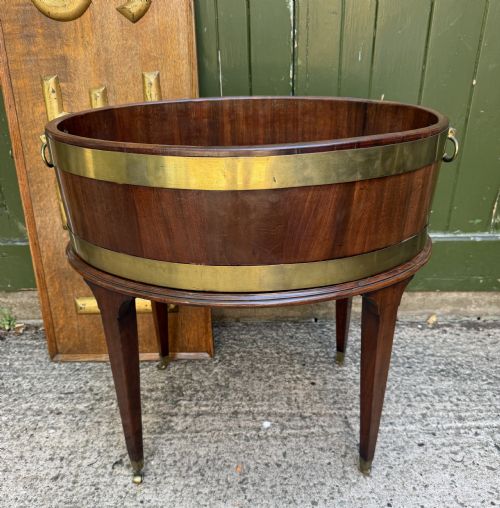
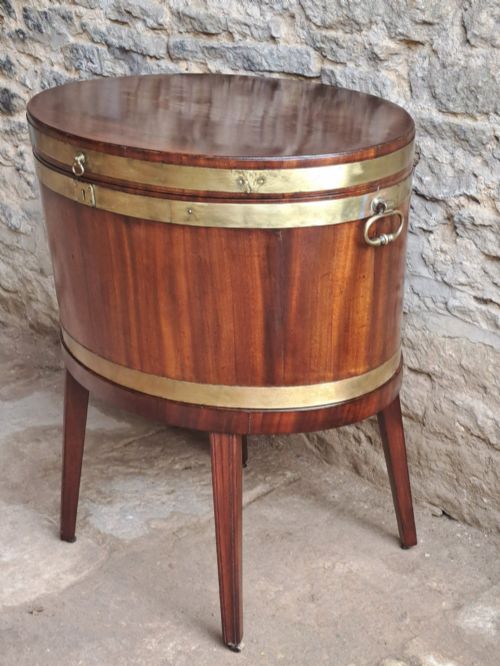
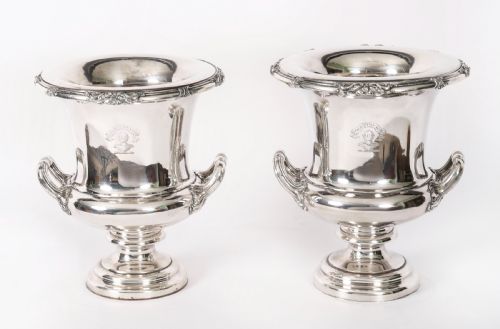
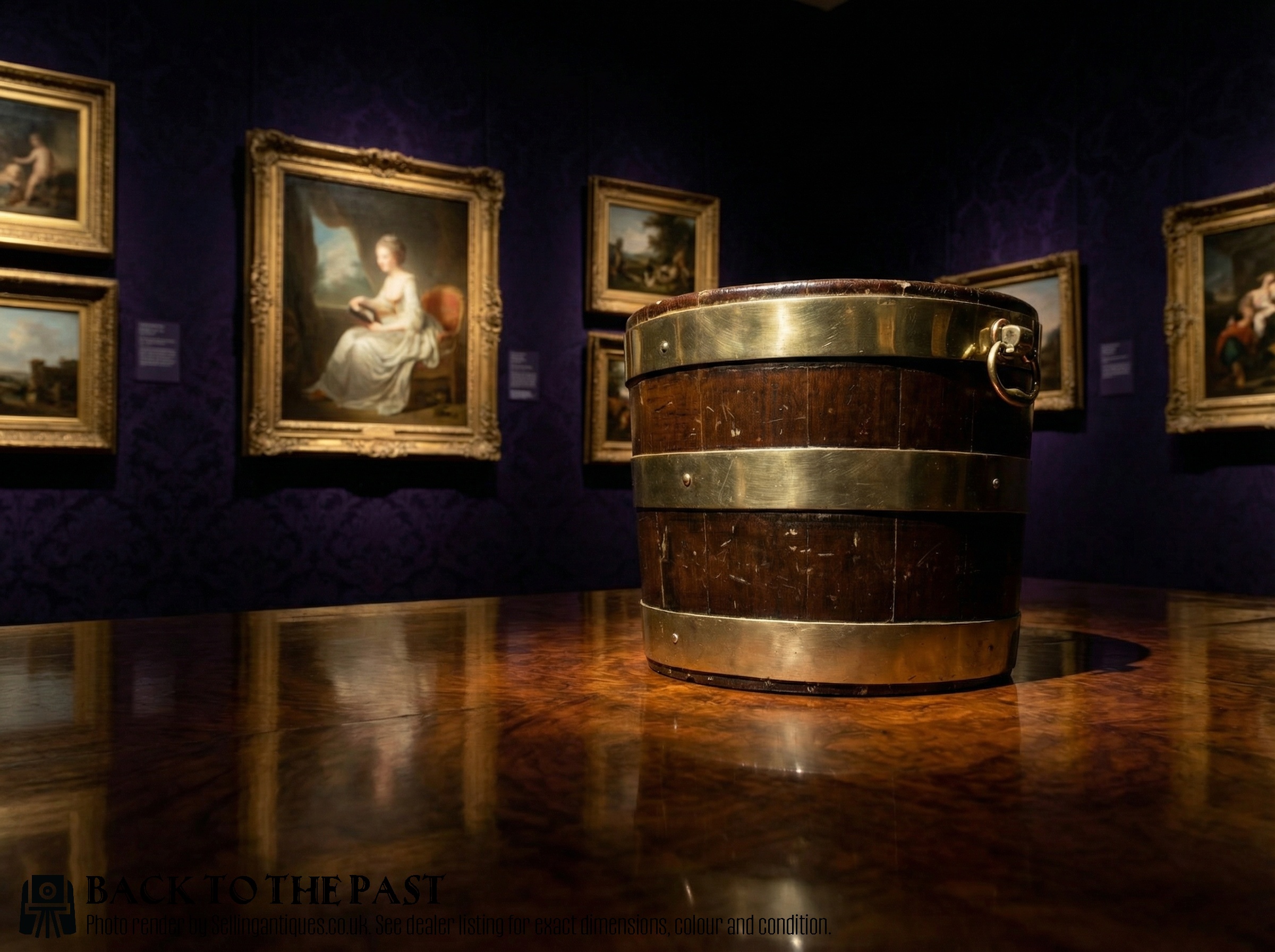
When you search for a george iii bucket, you encounter a specialised vessel designed for holding coal, peat, wine, or dining plates within the home. The most frequent examples appearing here are mahogany wine coolers and peat buckets bound in brass, alongside copper coal scuttles and leather fire buckets.
These functional containers span the eighteenth and early nineteenth centuries, encompassing genuine Georgian production as well as later revival interpretations. Forms range from oval table wine coolers on stands to tall helmet-shaped coal scuttles and open wine coolers.
Origins trace back to domestic requirements of high-status households, where everyday utilities utilised quality materials. Meeting these pieces reveals how utilitarian items received decorative attention through timber selection and metal banding.
How they were made
Construction relies primarily on dense mahogany, walnut, or satinwood, shaped into staves and secured with heavy brass bands or hoops. Cabinetmakers used traditional cooperage techniques alongside fine inlay and polish to achieve durable, watertight, or robust vessels.
Metal versions utilise hammered copper, brass, and iron, often forming helmet shapes or pots with riveted seams and sturdy swing handles. Leather fire buckets combine stiffened hides with hand-painted exteriors, demonstrating the versatility of period workshop materials.
George III Bucket Retail Price Guide 2026
Typical asking prices for george iii bucket among the pieces listed under this phrase on Sellingantiques today, from the lower quarter to the upper quarter. They describe what is for sale here now, not the wider market.
Listings include mahogany, copper, brass, iron, and leather items spanning the Georgian period and the Victorian revival.
What varies in quality
The standard of timber selection and the precision of the brass banding largely dictate the distinction between ordinary pieces and superior examples. Finely figured mahogany, rich patination, and the retention of original stands or liners separate exceptional items from standard utility wares.
Hand-formed copper thickness and the crispness of hand-beating on helmet scuttles reflect the original maker's skill. Pieces retaining original shovels, handles, or hand-painted leather details command greater appreciation for their complete survival.
Aldridge and Green·Samual Norman
The George III Bucket Glossary
- Cellarette
- A lockable container used for storing wine bottles near the dining table. They frequently appear in mahogany with brass bands.
- Peat bucket
- A deep cylindrical vessel used for holding turf or peat blocks beside a fireplace. They often incorporate brass swing handles and stave construction.
- Plate bucket
- A slatted or solid cylindrical container designed for transporting dining plates. These items mirror the construction of wine coolers.
- Old Sheffield plate
- A fused composite material made by melting a sheet of silver onto a copper base. This technique emerged in the eighteenth century for tableware and accessories.
George III Bucket: Frequently Asked Questions
What was a peat bucket used for?
A peat bucket served to hold dried turf or peat blocks close to the hearth for burning in fireplaces. These sturdy wooden vessels kept fuel tidy in principal rooms.
Their coopered construction handled the dry fuel efficiently while matching the polished mahogany furniture of the period.
How do you use a wine cooler today?
A period wine cooler functions effectively as an ice bucket or bottle holder during dinner parties. The original waterproof linings often remain inside mahogany examples.
They also serve as decorative floor-standing jardinières for large house plants within traditional interiors.
Are leather fire buckets waterproof?
Leather fire buckets received treatments of pitch or wax to hold water for extinguishing sparks. These thick hide vessels formed part of early domestic safety equipment.
Hand-painted coats of arms or numbering often decorated the exterior surfaces of these utilitarian items.
How to tell George III from revival pieces?
Original eighteenth-century pieces display genuine age through timber shrinkage, hand-beaten copper marks, and period fastening techniques. Revival items from later decades often show machine-rolled brass and different interior construction methods.
Examining the patination on the mahogany staves helps distinguish authentic Georgian manufacture from later nineteenth-century interpretations.