

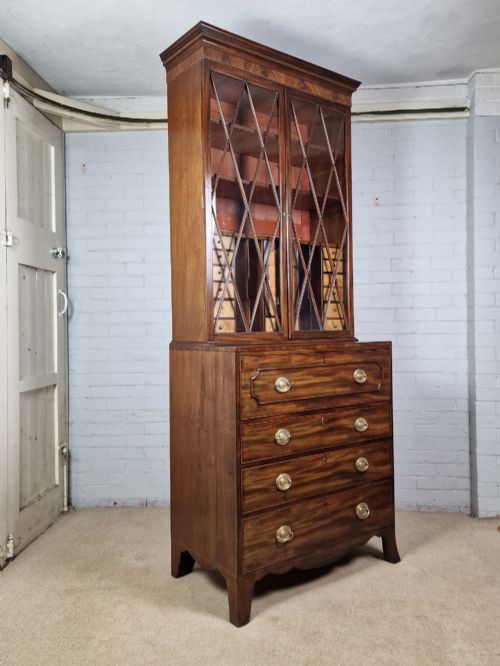
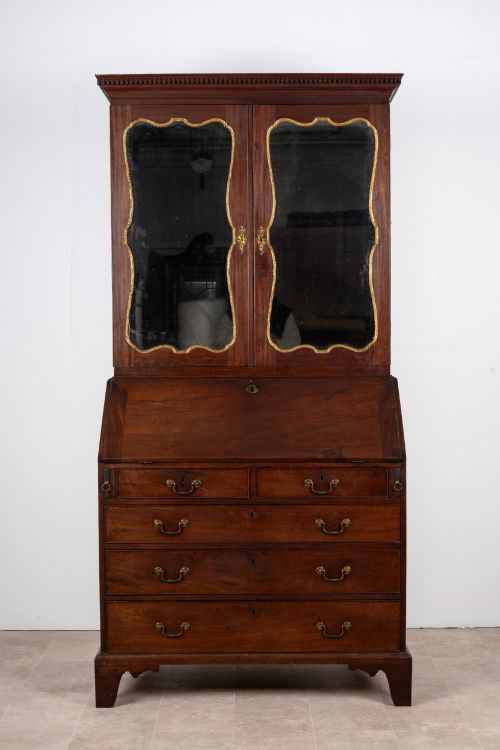
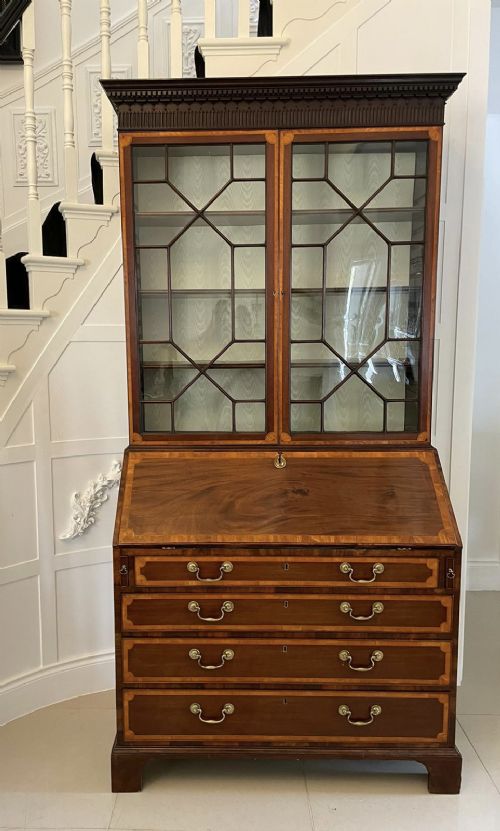
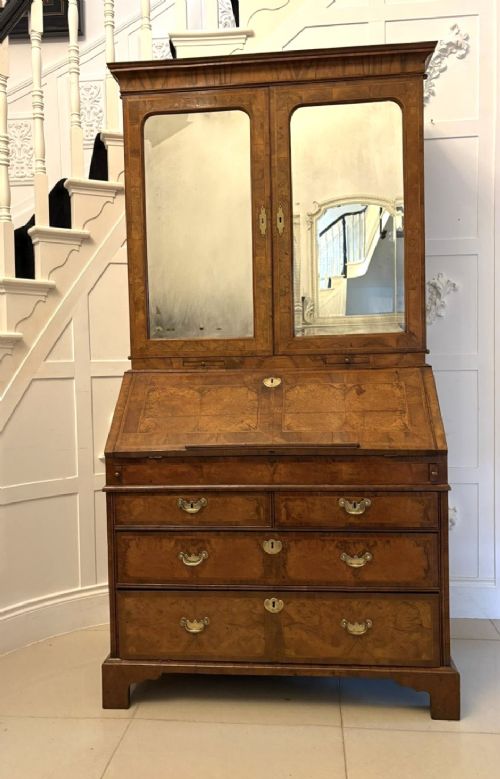
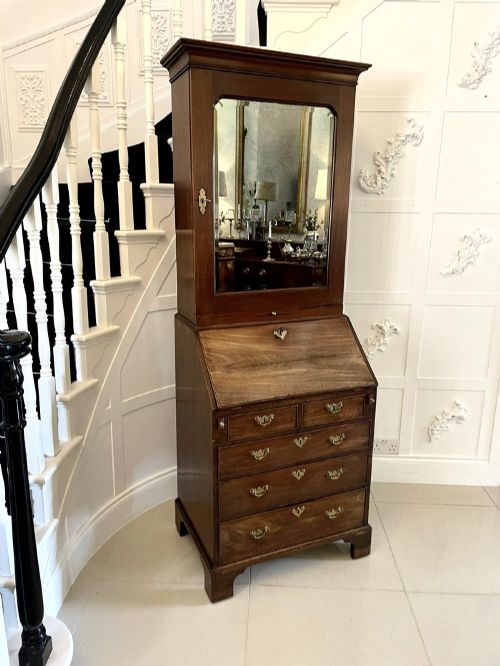
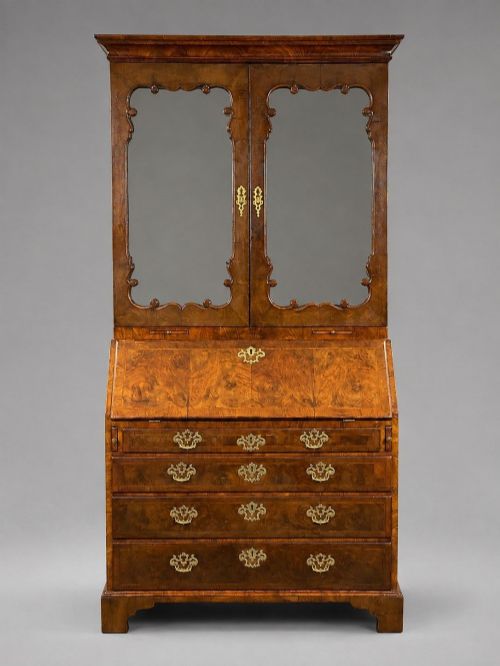
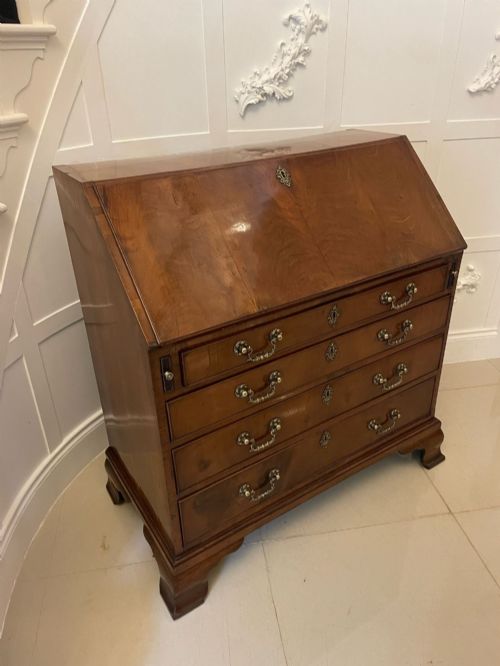
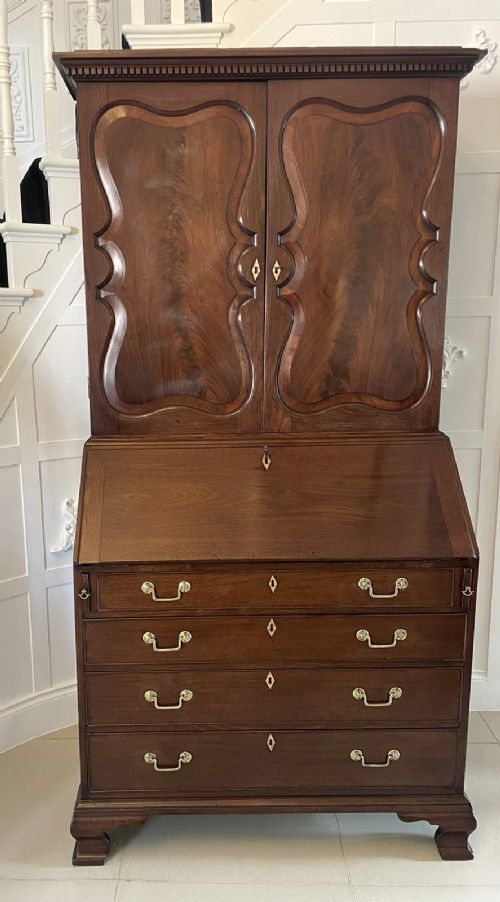
George I Writing Cabinet
A george i writing cabinet brings together fine cabinet-making and functional workspace, offering a practical centrepiece for any study.
George I Writing Cabinet
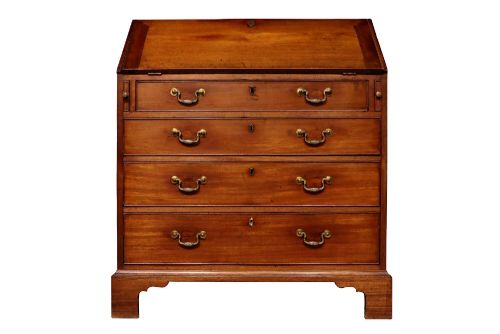
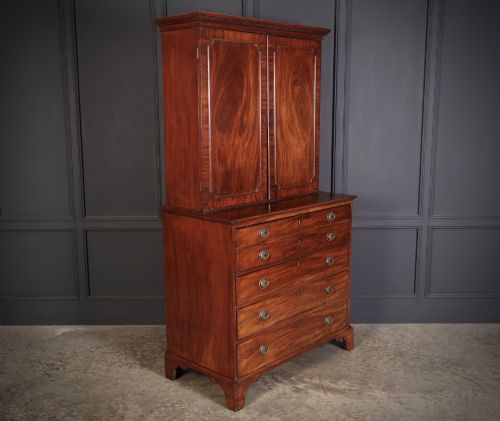
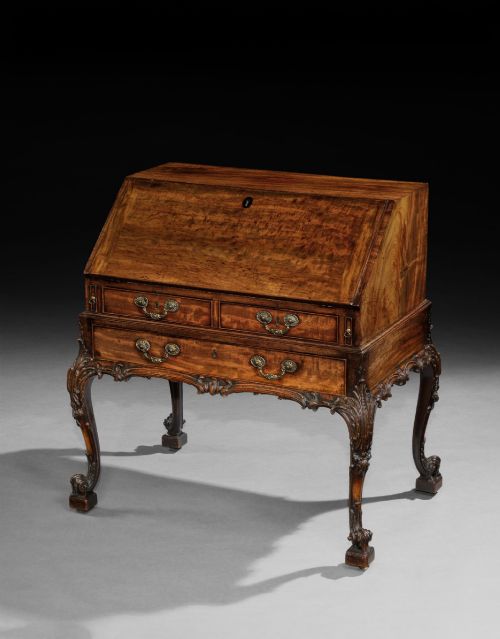
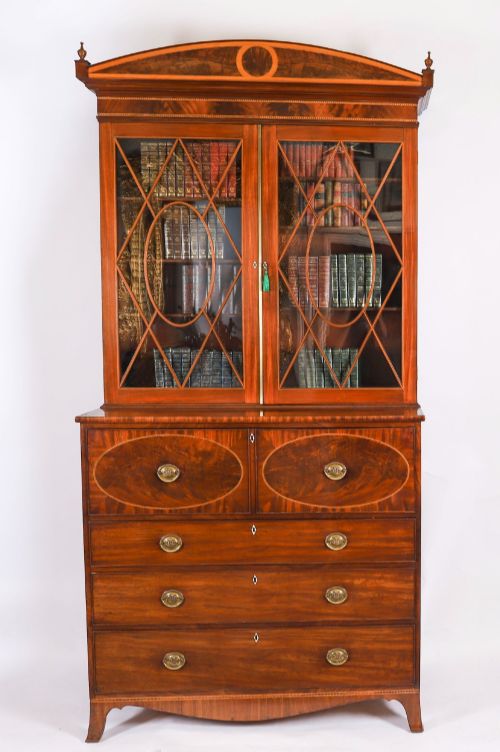
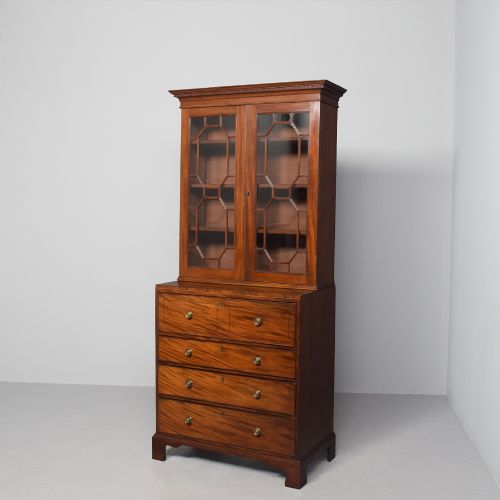
When buyers search for a george i writing cabinet, they encounter sophisticated case furniture designed for correspondence and storage. The selection spans bureau bookcases, secretaire cabinets, and simpler bureaux originating primarily from the eighteenth century.
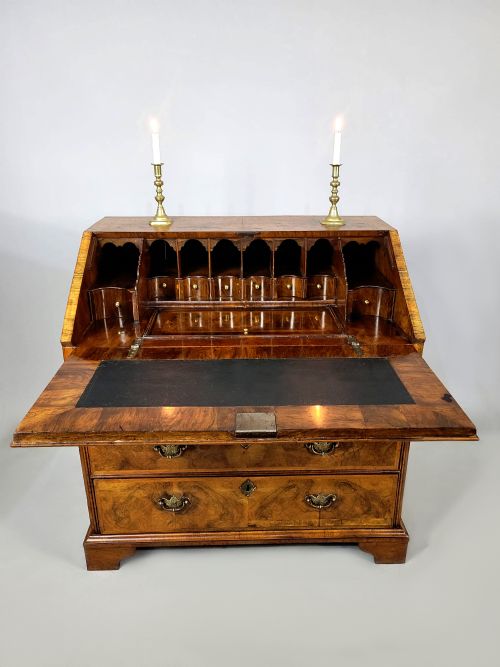
Figured walnut and mahogany dominate the forms, frequently displaying fitted interiors with small drawers and pigeonholes behind a fall-front writing surface. Bureau bookcases pair this writing compartment with upper shelving enclosed by doors, creating tall architectural presences.
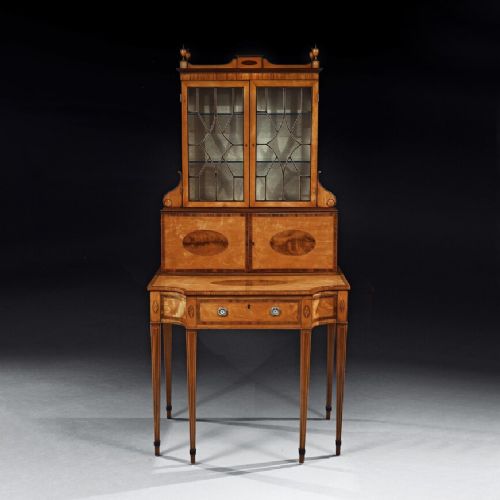
While true George I pieces appear alongside George II and George III iterations, the fundamental layout remains consistent. Buyers meet walnut examples from the early decades alongside later mahogany interpretations carrying satinwood or burr walnut veneers.
Materials and Construction
Cabinet-makers constructed these pieces using solid foundations of oak or pine, applying figured walnut, mahogany, or satinwood veneers to the visible exterior surfaces. Grain matching received careful attention on fall fronts and drawer drawers, creating symmetrical patterns across the facades.
Brass hardware, including escutcheons and drop handles, secures the doors and drawers while lending metallic contrast to the timber. Interior compartments feature secret drawers, pigeonholes, and small cupboards assembled with traditional dovetail joinery.
George I Writing Cabinet Retail Price Guide 2026
Typical asking prices for george i writing cabinet among the pieces listed under this phrase on Sellingantiques today, from the lower quarter to the upper quarter. They describe what is for sale here now, not the wider market.
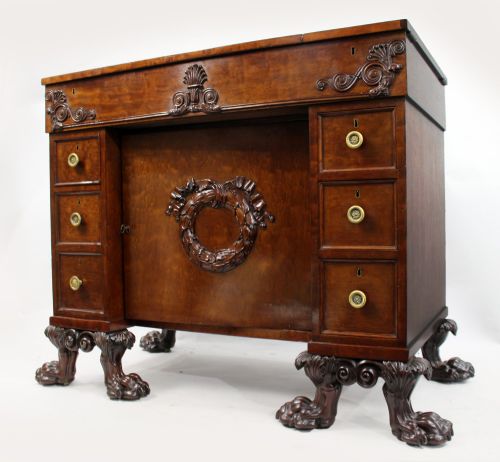
Form variations on this page include bureau bookcases, secretaire chests, kneehole desks, and cylinder secretaire cabinets.
Markers of Superior Make
Quality rests heavily on the choice of timber and the dexterity shown in selecting and applying veneers. Figuring with strong visual depth elevates a piece above plain timber examples, particularly when matched symmetrically across large expanses like fall fronts.
The sophistication of the internal fittings defines the upper tier of these cabinets. Well-executed secret compartments, finely turned small pulls, and integrated pigeonholes indicate workshop standards superior to basic utilitarian desks.
George Oakley·Gillows
The George I Writing Cabinet Glossary
- Bureau
- A sloping desk with a hinged lid that drops to form a writing surface, often positioned above a set of drawers.
- Secretaire
- A piece of furniture containing a built-in writing drawer or compartment with a drop-front surface.
- Bureau Bookcase
- A tall case piece combining a sloping desk lower section with an enclosed bookcase upper tier.
- Fall Front
- A hinged panel that pulls down or folds forward to provide a horizontal surface for writing.
- Burr Walnut
- Timber taken from a growth on a walnut tree, yielding intricate, swirling grain patterns highly prized for veneer.
George I Writing Cabinet: Frequently Asked Questions
How do I distinguish George I walnut from later mahogany?
George I pieces typically utilise figured walnut with warm, honey tones and distinct grain swirls. Later eighteenth-century examples shift towards dense mahogany, often enhanced with satinwood inlay or darker finishes.
Examining the secondary timbers inside the drawers provides further clues. Oak linings commonly appear in earlier walnut furniture, whereas later pieces introduce different woods.
What is the function of the upper section on these cabinets?
The upper section of a bureau bookcase serves to house and protect books behind glazed or panelled doors. This vertical storage maximises floor space while displaying a library.
Shelves inside are often adjustable, allowing owners to accommodate volumes of varying heights.
How should I care for an antique writing cabinet?
Maintain stable humidity levels in the room to prevent timber and veneer from cracking or warping. Keep the piece away from direct sunlight and heat sources.
Apply a microcrystalline wax periodically to nourish the wood surface and preserve the polished finish without building up heavy residue.
Are writing cabinets suitable for daily modern use?
These cabinets provide functional writing surfaces and storage that integrate well into contemporary studies or living rooms. The internal compartments accommodate modern stationery and small electronics.
Care should be taken when using the fall-front writing surface to ensure it remains properly supported by its stays or brackets.