
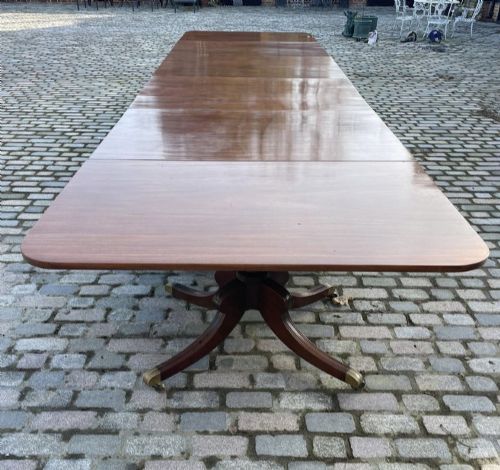
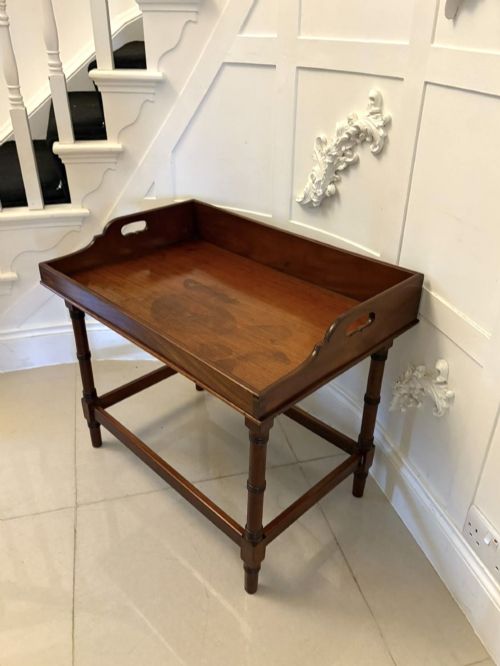
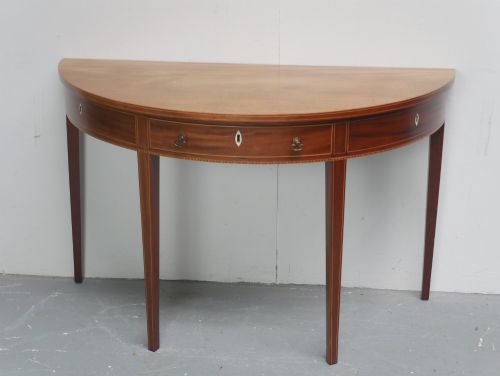
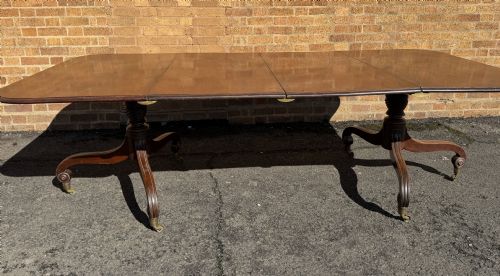
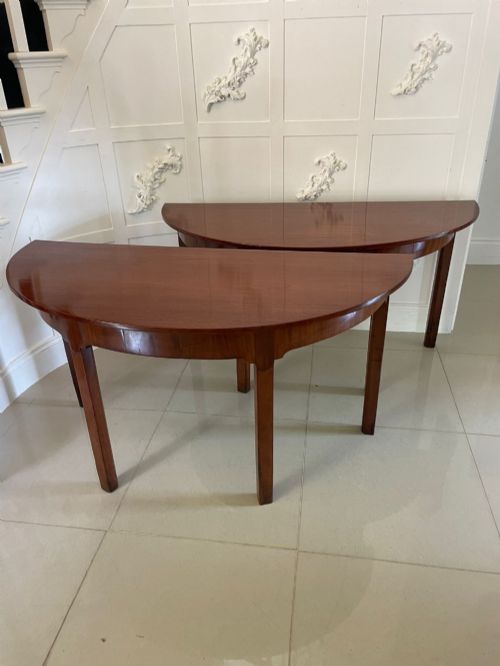
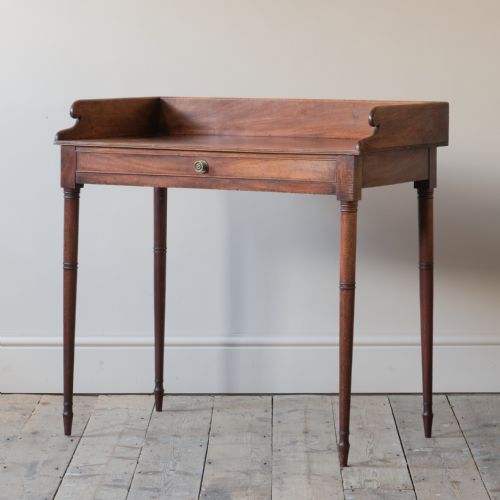
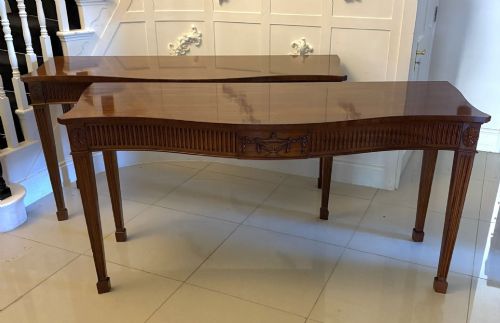
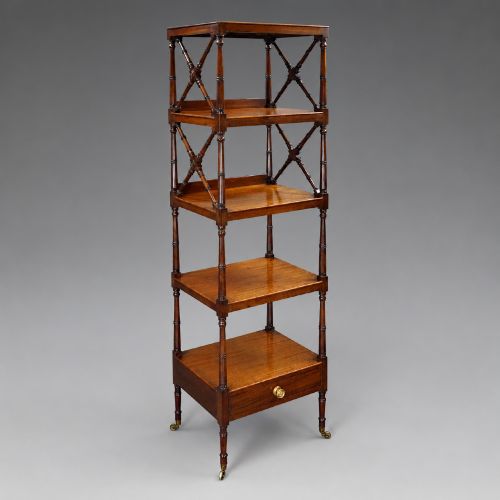

George I Mahogany Table
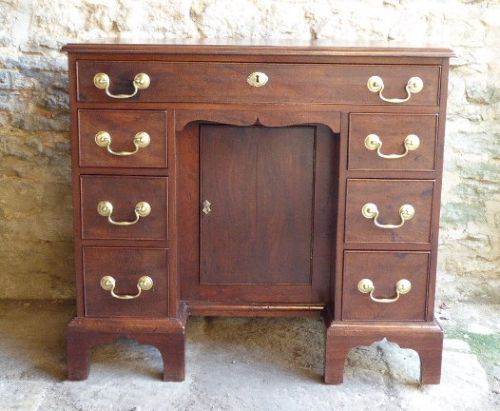
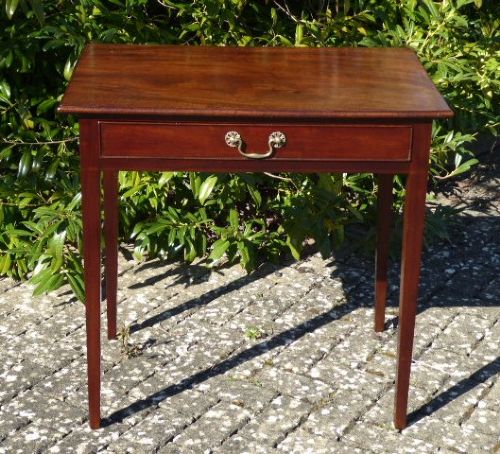
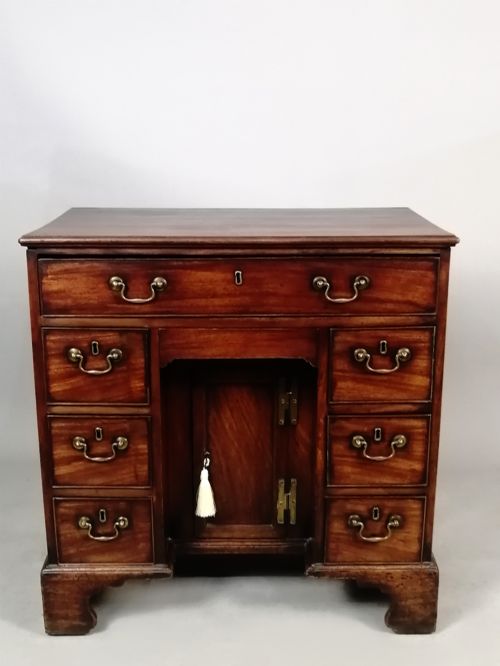
A george i mahogany table represents the pinnacle of early eighteenth-century craftsmanship, offering enduring utility and rich timber grain for the discerning collector.
George I Mahogany Table
A george i mahogany table brings formal dining and occasional surfaces into domestic spaces, drawing from 18th century and Georgian traditions.
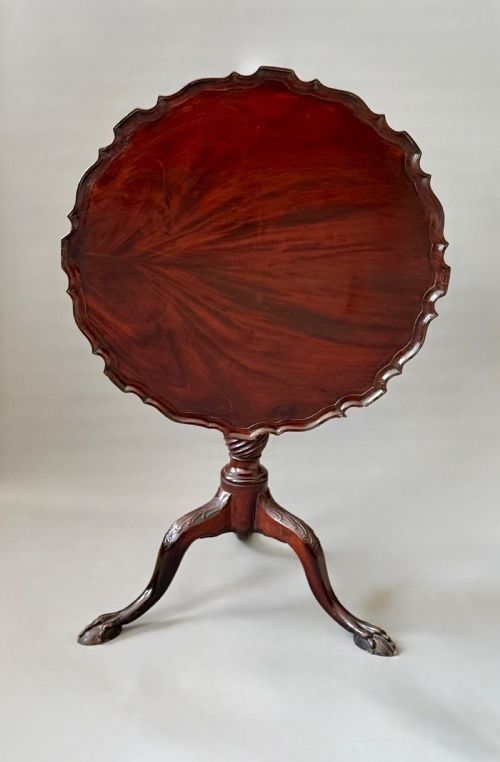
The selections encountered here span drop-leaf dining forms, tea tables, and tripod bases, reflecting the domestic needs of the period.
While bearing the stylistic hallmarks of early Georgian design, these pieces often merge utility with restrained decorative carving.
Materials and Construction
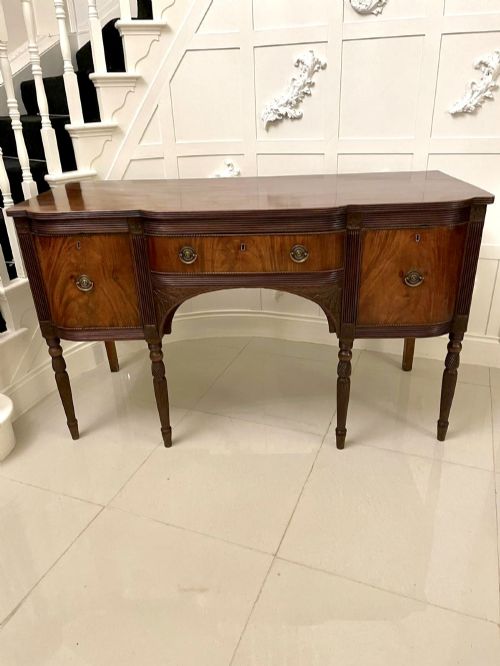
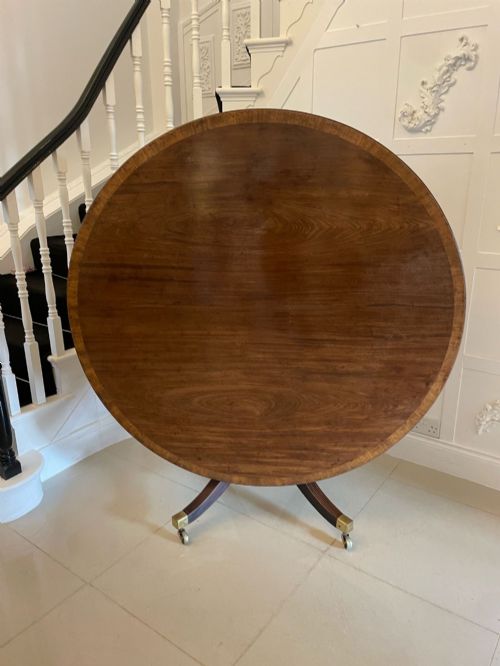
Makers utilised solid mahogany and figured veneers, often selecting flame mahogany or Cuban timber for dramatic surface grain.
Joinery techniques included mortise and tenon frames, birdcage tilt-top actions, and concertina mechanisms for folding card tables.
Secondary timbers such as oak or pine were employed in drawer linings and internal framing to ensure structural stability.
Some clever card tables hide secret compartments for coins, keeping late-night wagers close at hand.
Markers of Quality
Superior examples display exceptional timber selection, where matched veneers and natural patination enhance the visual depth of the mahogany.
Construction integrity defines the upper tier, seen in crisp carving details, original brass hardware, and smoothly functioning tilt or drop mechanisms.
Proportion and untouched surfaces separate master-workshop pieces from later restorations or pieces with altered bases.
Thomas Butler·Gillows·Giles Grendey
The George I Mahogany Table Glossary
- Patination
- The natural sheen and surface alteration developed over centuries of handling and polishing. This quality indicates genuine age and care.
- Tilt-top
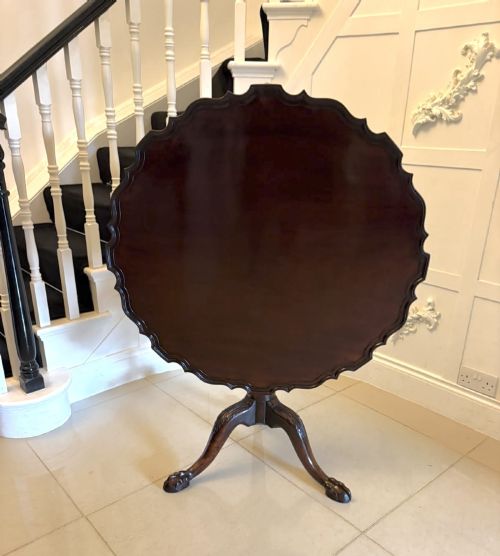
- A tabletop hinged to a central pillar, allowing the surface to fold vertical when not in use. It saved valuable floor space in period rooms.
- Tripod table
- A small freestanding table supported by a pillar on three spreading legs. These versatile pieces served for tea, reading, or candelabra placement.
- Demi-lune
- A half-moon shape popular for console and card tables designed to sit flush against a wall. They expanded functionality without dominating the room.
- Birdcage
- A rotating wooden framework beneath a tabletop that allows the surface to both pivot and tilt. This mechanism represents high-grade 18th-century cabinetmaking.
George I Mahogany Table: Frequently Asked Questions
How do I identify a genuine period table?
Examine the timber shrinkage, hand-cut joinery, and natural wax patination accumulated over generations of use.
Look for authentic tool marks on the underside and ensure the secondary woods match the expected period.
Were these tables used for dining?
Many larger forms, including drop-leaf and pillar tables, served primarily for meals in affluent households.
Smaller tripod and occasional variants were designed for tea, writing, or holding bedside items.
How should I care for mahogany surfaces?
Maintain the finish by applying natural beeswax sparingly and buffing with a soft, lint-free cloth.
Keep tables away from direct heat sources and strong sunlight to prevent the timber from drying or fading.
What is a birdcage action?
A birdcage is a clever pivoting wooden assembly placed between the central column and the tabletop.
It enables the surface to rotate horizontally and tilt vertically for convenient storage against a wall.