


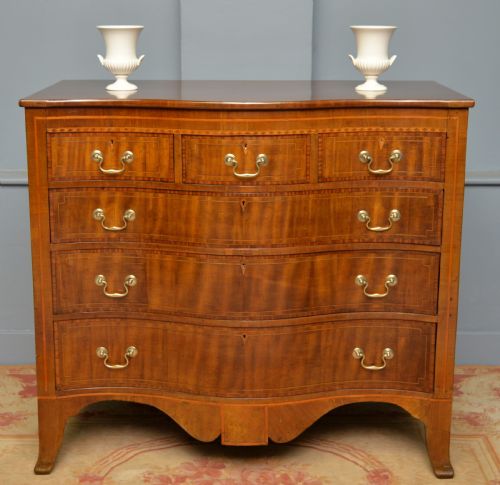


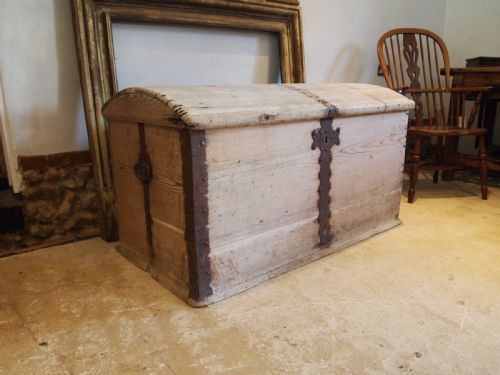

George I Blanket Box
These george i blanket box pieces are solid timber storage chests built to endure, offering the serious collector a tangible piece of early eighteenth-century domestic history.
George I Blanket Box
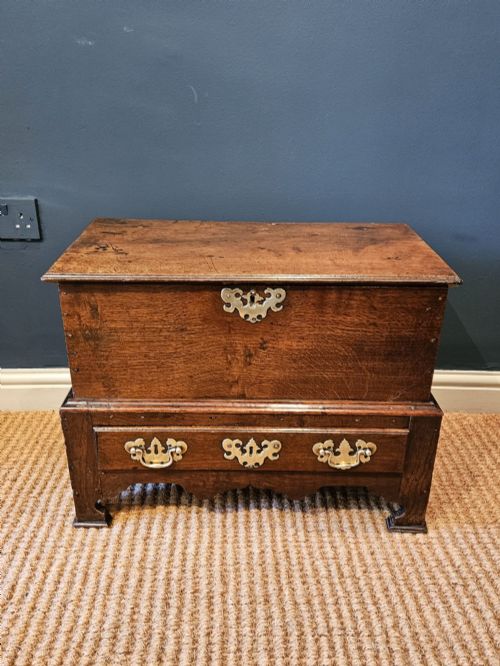
A george i blanket box generally presents as a heavy timber coffer or chest on stand, originating from the broader Georgian era alongside related mule chests and silver chests. These pieces serve as functional storage vessels constructed to hold household linens, valuables, and textiles securely within the home.
While the literal title specifies an earlier reign, the inventory for a george i blanket box frequently expands to include pieces spanning the Georgian, George II, George III, and eighteenth-century periods. Buyers will encounter robust oak coffers alongside more refined walnut and mahogany chests on stand bearing similar utilitarian forms.
The practical domestic role of these items meant they were built to withstand daily use, evolving from simple paneled oak boxes into sophisticated storage solutions featuring drawers, stands, and various decorative inlays. They occupy a central place in period interior schemes, functioning as both storage and surface furniture.
Materials and construction methods
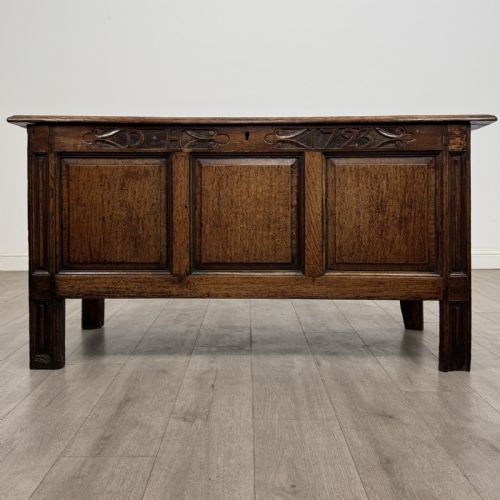
Timber selection dictates the character of these items, with heavy oak, solid red walnut, and rich mahogany dominating the construction. Cabinetmakers utilised these durable woods to ensure structural integrity, often pairing them with secondary woods like pine for internal elements.
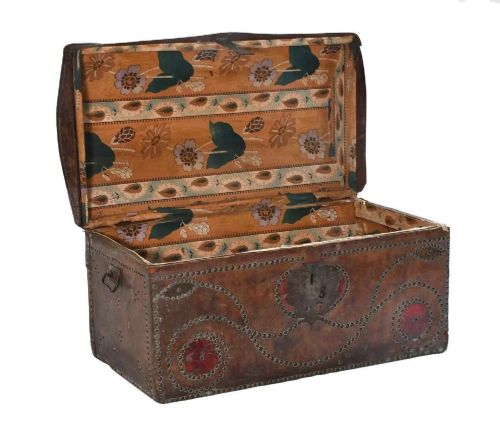
Hardware played an essential functional and decorative role, incorporating brass handles, iron fittings, and studded leather bindings. These metal components were fastened securely to reinforce corners and lids on travelling trunks and silver chests.
Surface ornamentation involved traditional techniques such as crossbanding, intricate inlay work, and polished finishes that highlighted the natural grain of the walnut and mahogany. Joinery methods relied on sturdy pegging and dovetailing to handle the weight of heavy timber lids.
George I Blanket Box Retail Price Guide 2026
Typical asking prices for george i blanket box among the pieces listed under this phrase on Sellingantiques today, from the lower quarter to the upper quarter. They describe what is for sale here now, not the wider market.
Some chests travelled extensively as heavy luggage, meaning your blanket box might have crossed the channel on a wooden sailing ship.
Factors of quality and execution
The choice of primary timber significantly elevates a piece, moving from utilitarian pine and standard oak up to figured walnut and fiddleback mahogany. Master craftsmen selected boards with superior grain patterns, applying meticulous attention to matching veneers and mouldings.
Complexity of form distinguishes standard blanket chests from high-end examples raised on stands or fitted with integrated drawers. The inclusion of bespoke brass hardware, careful inlay, and sophisticated internal compartment layout demonstrates a higher tier of workshop execution.
The integrity of the original structure and the preservation of the timber surface determine the standing of an individual piece. Retaining period brasses and uncompromised joinery separates items that have survived with dignity from those heavily altered over time.
Seabrook of St Pauls London
The George I Blanket Box Glossary
- Coffer
- A large wooden chest traditionally used for storing valuables, linens, or documents. These heavy boxes formed the basis of early domestic storage before dedicated wardrobes and chests of drawers became common.
- Mule chest
- A storage chest featuring one or more drawers at the base beneath the main compartment. This hybrid form bridges the traditional coffer and the modern chest of drawers.
- Chest on stand
- A cabinet or box raised upon a distinct table-like support with legs. This configuration lifted storage off cold floors and added visual lightness to heavy timber furniture.
- Crossbanding
- A decorative border technique where strips of veneer are laid with the grain running perpendicular to the main panel. Cabinetmakers used this method to frame drawer fronts and top surfaces.
- Fiddleback
- A type of figured mahogany grain displaying subtle ripples resembling the back of a violin. This desirable figuring catches the light and indicates a choice piece of timber.
George I Blanket Box: Frequently Asked Questions
What is a george i blanket box used for?
These robust chests were originally designed to protect household textiles, blankets, and precious items from dampness and pests in the home. Their deep internal wells offered secure containment for bulky goods before fitted closets existed.
Today, they function effectively as living room coffee tables with internal storage or as decorative bedroom furniture that conceals spare bedding and linens.
How do I tell an oak coffer from a mahogany chest?
Oak furniture tends to display a prominent, open grain with visible medullary rays, often appearing in earlier seventeenth and eighteenth-century utilitarian pieces. Mahogany possesses a tighter, reddish-brown grain that lends itself to finer cabinetwork and polished finishes.
Examining the weight, colour, and grain pattern will quickly reveal which timber the maker chose for the construction.
Where should I place a chest on stand in my home?
A chest on stand works well in an entryway, hallway, or living space where its elevated proportions can be appreciated without cluttering the room. Because these pieces have finished backs or sides in many cases, they can sit away from walls as freestanding focal points.
Ensure the piece is kept away from direct heat sources and strong sunlight to protect the aged timber and prevent the dry wood from splitting.
How do I clean and maintain antique wood storage boxes?
Maintenance involves dusting regularly with a soft, dry cloth and occasionally applying a quality beeswax to nourish the aged wood surface. Avoid using modern liquid polishes or silicone sprays, which can build up a residue and harm the historic patina.
Keeping the room at a stable humidity level will protect the timber joints and prevent the boards from warping or cracking over time.