



Georg Jensen Sterling
Georg jensen sterling encompasses decades of Danish design, ranging from early Arts and Crafts spoons to mid-century modern necklaces.
Georg Jensen Sterling
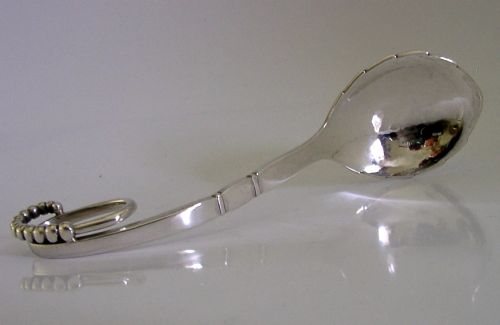
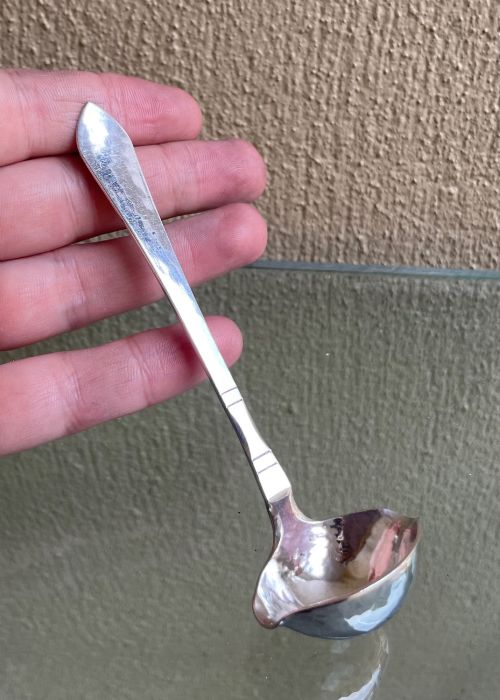
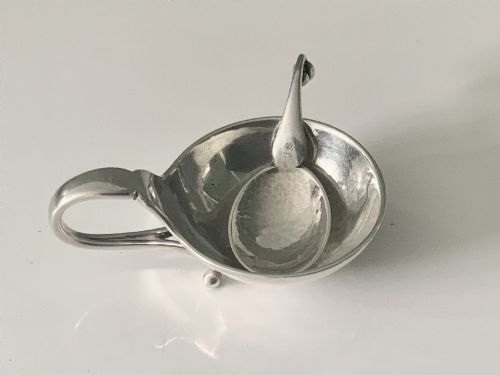
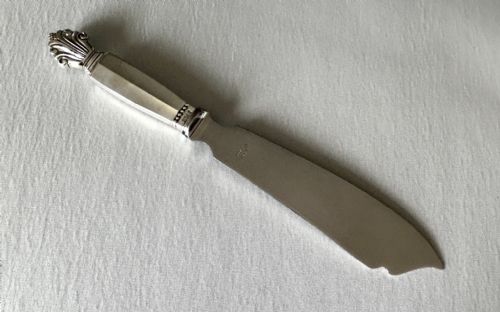
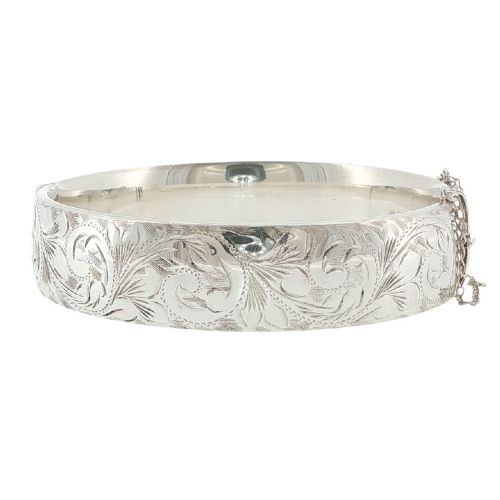
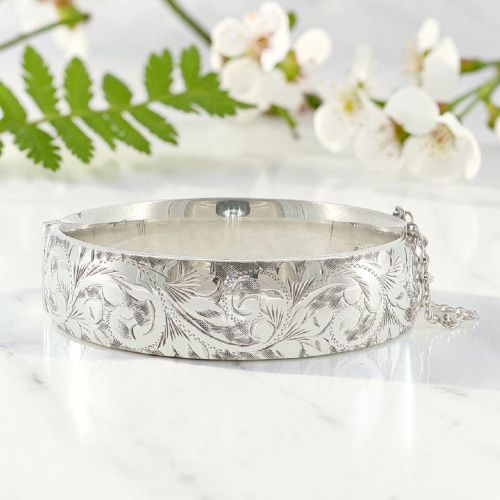
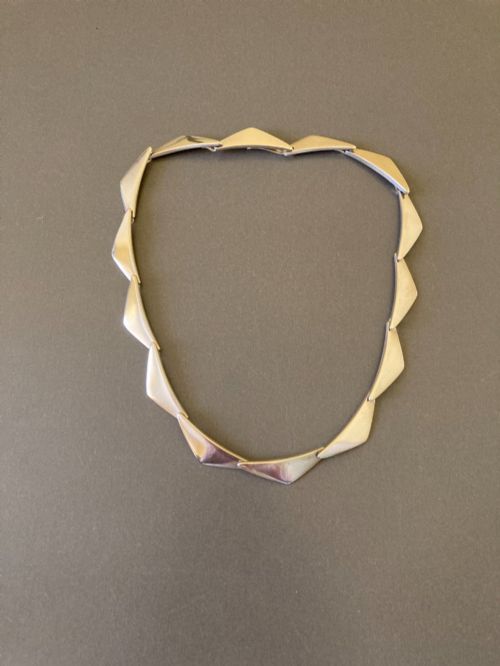
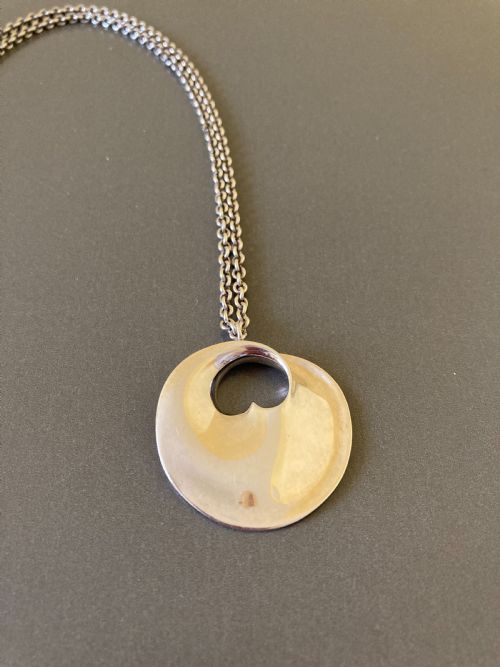
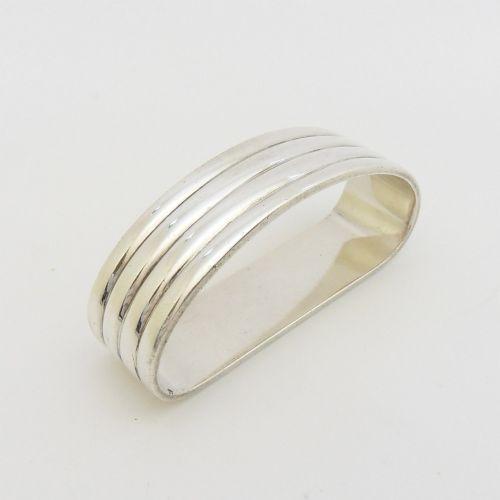
When a buyer searches for georg jensen sterling, they encounter silver tableware, personal jewellery, and decorative items created in Denmark over the twentieth century. The inventory spans from early twentieth-century spoons and salt cellars to mid-century modern bangles, necklaces, and brooches.
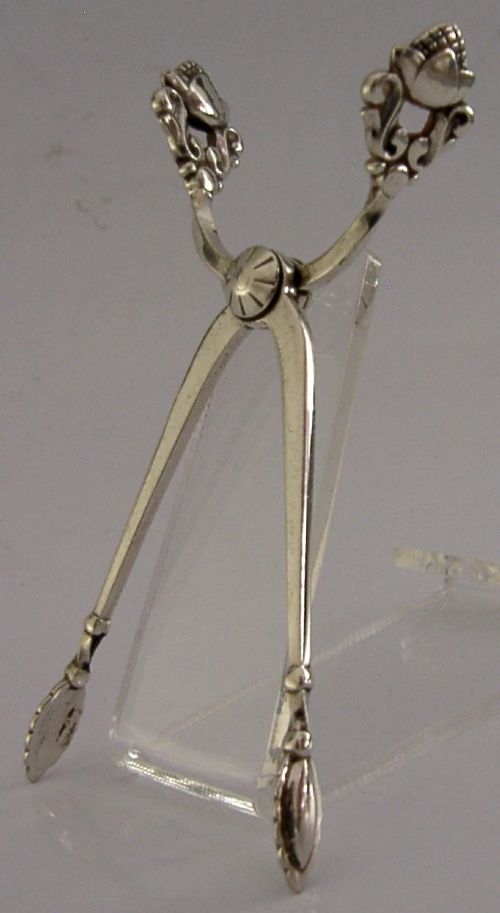
Tableware forms such as caddy spoons, ladles, and sugar tongs appear frequently alongside hollowware and figurative brooches. Pieces originate across several decades, showing the evolution of Scandinavian design from traditional forms into modernist abstraction.
How They Were Made
Silversmiths utilised sterling silver alongside stainless steel, incorporating oxidised finishes to accentuate hand-hammered surfaces and cast ornamentation. Selected items integrate natural elements like wood or amethyst within the metalwork.
Traditional construction methods involve hand-engraving, casting, and detailed chasing. Surface textures range from smooth reflective polishes to darkened recesses that highlight organic motifs like acorns, cactus leaves, and blossoms.
Squirrels and snails occasionally join the birds and acorns in the silver menagerie.
What Varies in Quality
Differentiation lies in the clarity of maker marks, the crispness of hand-chased ornamentation, and the preservation of original patination. Early Arts and Crafts examples demonstrate distinct hand-working, whereas later modernist pieces rely on precise geometric lines.
Design complexity also sets items apart, as specific named patterns demand intricate labour. Complete sets with original boxes represent the upper tier of preservation.
Georg Jensen·Sigvard Bernadotte·Arno Malinowski
The Georg Jensen Sterling Glossary
- Sterling silver
- A silver alloy containing 92.5 percent pure silver and 7.5 percent other metals, typically copper, used across nearly all Jensen hollowware and flatware.
- Oxidised silver
- Silver treated with a chemical solution to darken recessed areas, creating contrast against polished highlights to reveal sculptural details.
- Hollowware
- Tableware items such as pots, bowls, and boxes formed from sheet metal rather than cast solid.
Georg Jensen Sterling: Frequently Asked Questions
How do I date my silver piece?
Dating relies on matching the stamped maker marks and hallmarks to known operational periods. Different decades utilised specific typography and crown symbols alongside standard assay office stamps.
Examining the style, from early Arts and Crafts to mid-century modern, also helps narrow down the production era.
What are the classic patterns?
Prominent designs include Acorn, Cactus, Blossom, Pyramid, and Antik. These recurring motifs define the aesthetic vocabulary of the silver workshop across flatware and serving pieces.
Each pattern applies distinct organic or geometric ornamentation to handles and edges.
Should I polish oxidised silver?
Polishing should avoid the darkened recesses of oxidised silver pieces. The dark patina is an intentional design feature meant to create contrast against raised polished surfaces.
Aggressive cleaning can remove this deliberate ageing and diminish the visual depth of the ornamentation.
How do I care for hollowware?
Maintenance requires gentle washing in warm soapy water followed by thorough drying with a soft cloth. Avoiding harsh chemical dips preserves the original surface texture and hand-applied finishes.
Storing items in tarnish-resistant cloth protects the metal when not on display.