



Geometric Wool Cushion
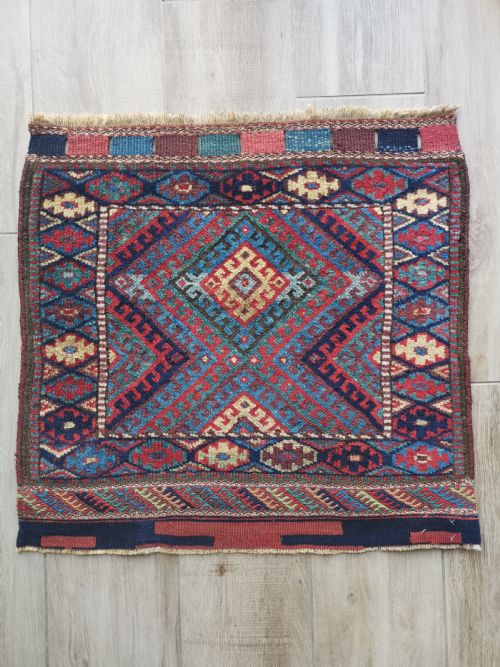
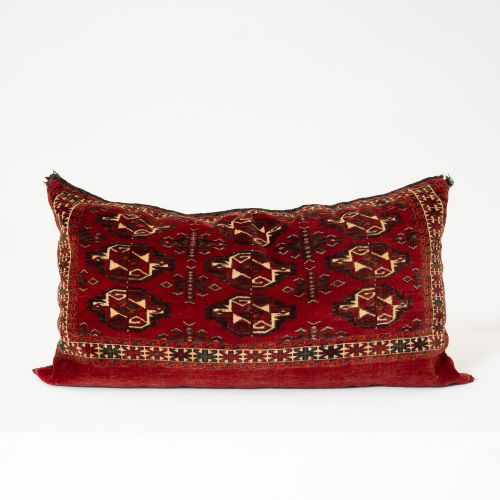
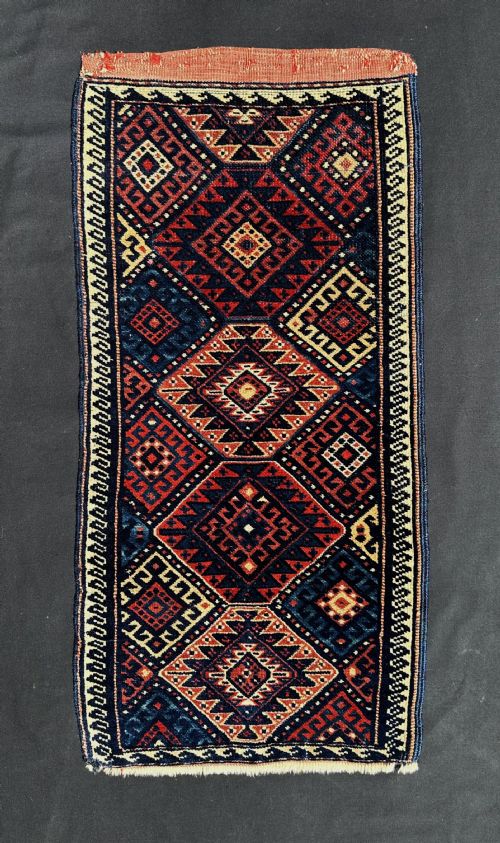
A geometric wool cushion brings nomadic tribal artistry into the modern room through repurposed antique bag faces and weavings.

Geometric Wool Cushion
When searching for a geometric wool cushion, buyers encounter repurposed tribal weavings originating primarily from Persian, Anatolian, and Turkmen traditions. These pieces frequently utilise fragments of saddlebags, storage bags, and rug faces created by nomadic groups during the nineteenth and early twentieth centuries.
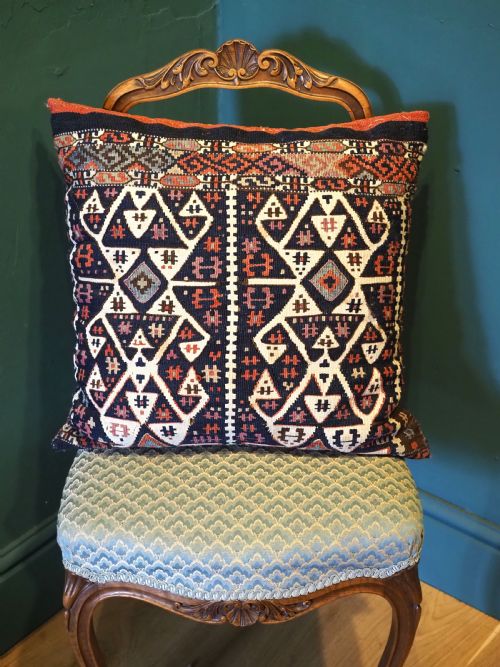
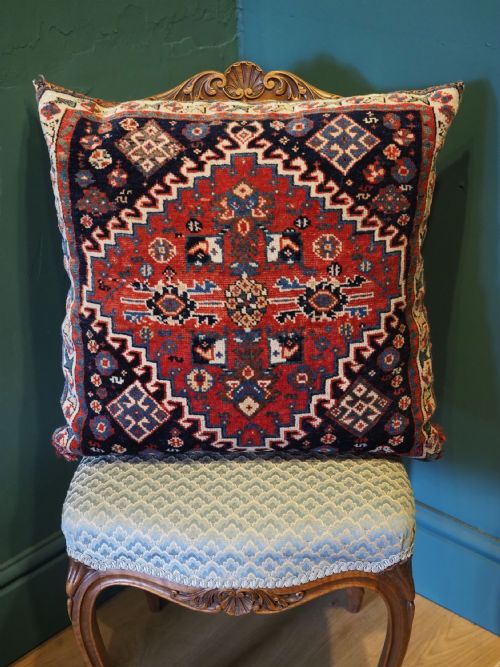
The dominant forms on this page include kilim cushions, bagface pillows, and soumac fragments adapted into soft furnishings. Each item retains the distinct rectilinear patterns and repeating motifs characteristic of traditional tribal weaving.
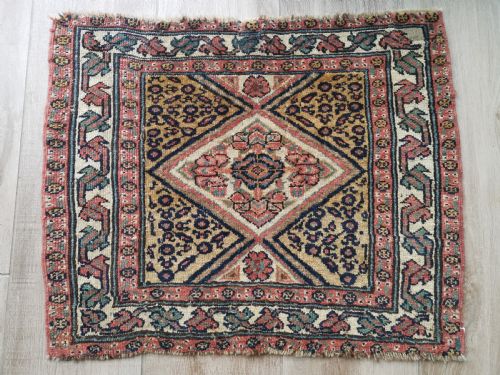
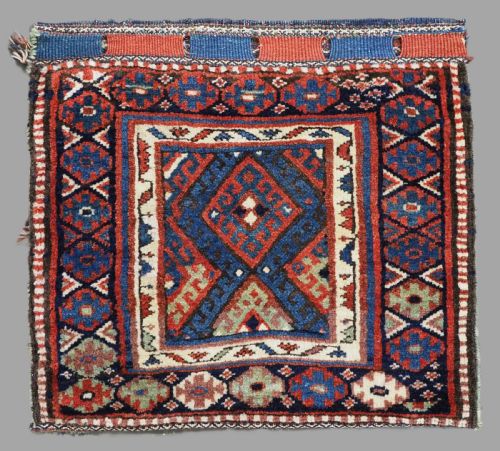
Origins span regions such as Khorassan, Fars, and Azerbaijan, reflecting the utilitarian craft of specific groups including the Qashqai, Baluch, and Shahsevan. These functional containers were originally woven for nomadic domestic use before being fashioned into cushions.
How They Were Made
These textiles rely principally on hand-spun wool and cotton, often combined with natural dyes derived from local plants and minerals. The structural foundation typically involves wool warp and weft threads woven on portable horizontal looms set up in nomadic camps.
Techniques range from flat-woven kilim and plain weave backings to banded weft work and intricate soumac brocading. Artisans employed these methods to create durable storage sacks and saddlebags designed to withstand heavy daily transit.
Many items incorporate original plain weave wool backs or are paired with cotton and linen components during the modern adaptation process into cushions.
Listings feature items spanning the nineteenth and early twentieth centuries, constructed from hand-spun wool, cotton, and linen using tribal flat-weave techniques.
What Varies in Quality
Quality rests upon the fineness of the wool preparation, the tightness of the knotting or weaving, and the complexity of the geometric layout. Tighter structures and finely spun hand-spun wool indicate superior traditional craftsmanship.
The integrity and vibrancy of the natural dyes distinguish exceptional examples from standard specimens. Rich tonal shifts and harmonious colour saturation reflect careful dye preparation and mordant use.
The condition and completeness of the original tribal bag face, alongside the skill involved in converting the fragment into a cushion, determine the overall execution of the piece.
The Geometric Wool Cushion Glossary
- Kilim
- A flat-woven textile produced without a pile, created by tightly interlocking weft threads over warp threads to form sharp geometric patterns.
- Bagface
- The decorative front panel of a nomadic storage sack or saddlebag, frequently preserved and converted into a cushion.
- Soumac
- A wrapping technique producing a durable structure where weft threads wrap around warp threads, resulting in a textured, braided surface.
- Warp
- The vertical foundational threads stretched tightly on a loom before the weaving process begins.
- Weft
- The horizontal threads passed back and forth through the warp to create the patterned fabric.
- Balisht
- A traditional Persian term for a pillow or small sleeping bag, often featuring tribal geometric designs.
Geometric Wool Cushion: Frequently Asked Questions
How were these tribal bags originally used?
Nomadic groups utilised these woven containers for transporting and storing household goods, grain, and personal belongings during seasonal migrations. Saddlebags and storage sacks were essential items of daily utility.
Over time, surviving fragments or complete bag faces are carefully repurposed into cushions to preserve the historic textile work.
How do I clean a wool cushion?
These antique wool items require gentle professional cleaning suited for delicate textiles to protect the natural dyes and hand-spun fibres. Regular light vacuuming helps remove surface dust.
Avoid soaking or machine washing, as moisture and agitation can damage the vintage wool and structural integrity of the weave.
How do I identify tribal styles?
Tribal styles are distinguished by their specific colour palettes, geometric iconography, and regional weaving structures. Groups such as the Qashqai, Baluch, and Shahsevan employed characteristic motifs tied to their cultural heritage.
Examining the weave type, such as flat-weave kilim or soumac brocade, helps determine the geographical origin and period.