




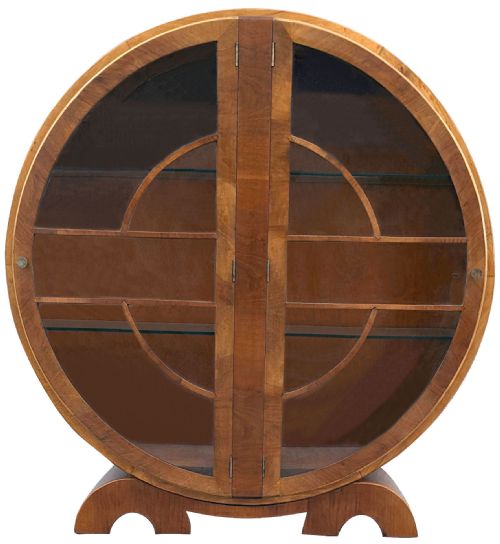


Geometric Walnut Cupboard
A geometric walnut cupboard brings architectural grain patterns and strong lines to a room, offering practical storage alongside striking twentieth-century or earlier design.

Geometric Walnut Cupboard
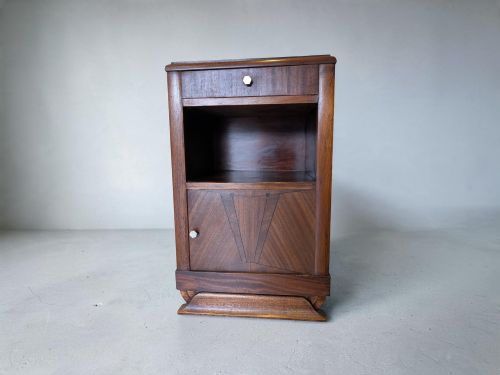
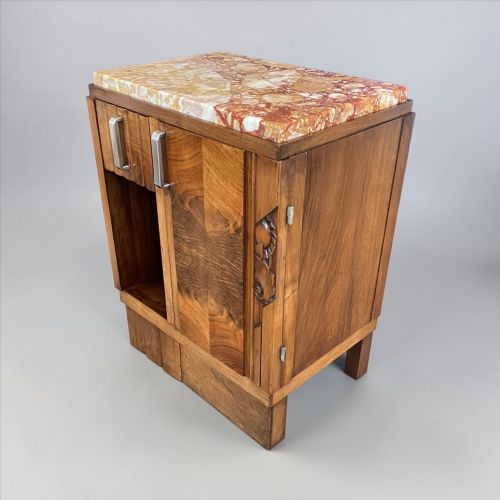
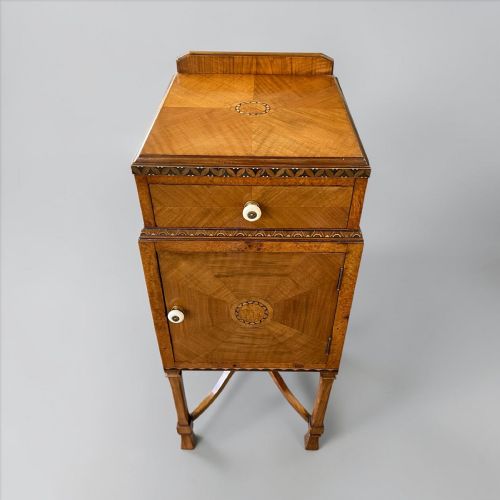
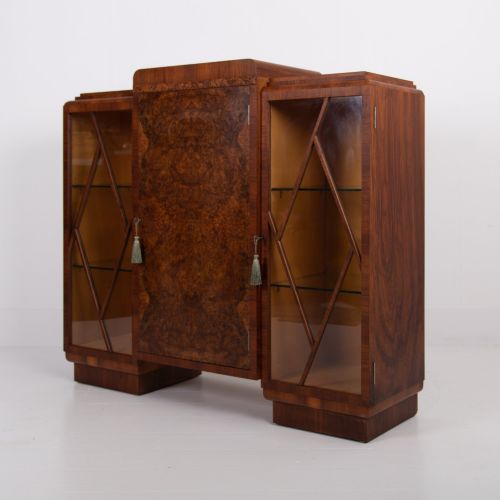
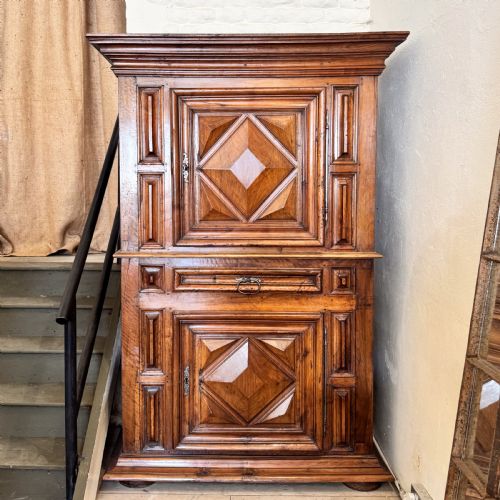
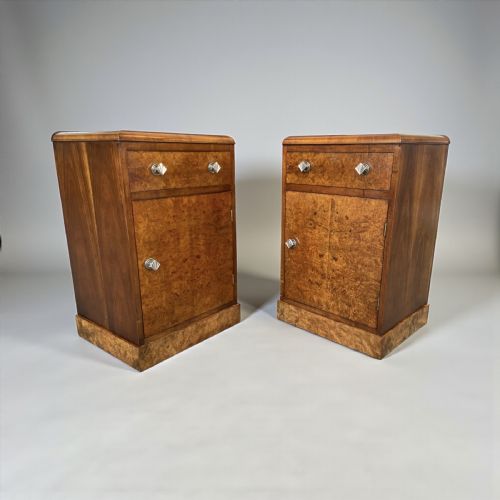
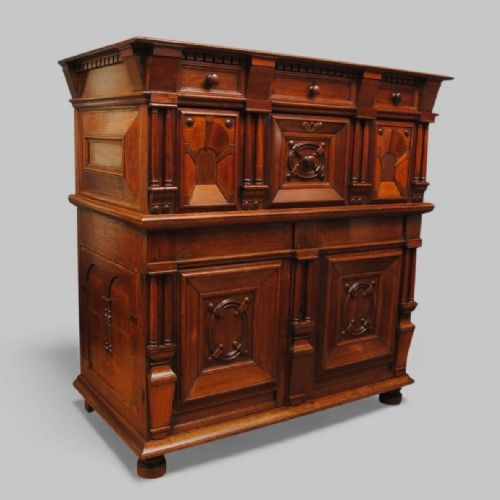
A geometric walnut cupboard encompasses a range of forms, from display cabinets and bedside tables to larger sideboards and linen cupboards originating across the seventeenth, nineteenth, and twentieth centuries. The selection leans heavily toward Art Deco pieces from nineteen-thirty, alongside Italian Baroque and Anglo-Egyptian examples.
Buyers encounter items configured for display with glass panels alongside closed storage cupboards and compact bedside tables. Construction dates span from seventeen-hundred through the nineteen-thirties, reflecting diverse stylistic influences including English Country, Jacobean, and Italian traditions.
Materials and construction
Makers utilised walnut, burr walnut, and veneer over supportive woods, sometimes combining fruitwood, oak, mahogany, and maple within a single piece. Surfaces frequently display intricate grain arrangements that define the geometric aesthetic.
Hardware details incorporate brass and bone elements to accent the timber structures. Glazing appears on display cabinets, while structural timber supports solid cupboards and smaller bedside tables.
Geometric Walnut Cupboard Retail Price Guide 2026
Typical asking prices for geometric walnut cupboard among the pieces listed under this phrase on Sellingantiques today, from the lower quarter to the upper quarter. They describe what is for sale here now, not the wider market.
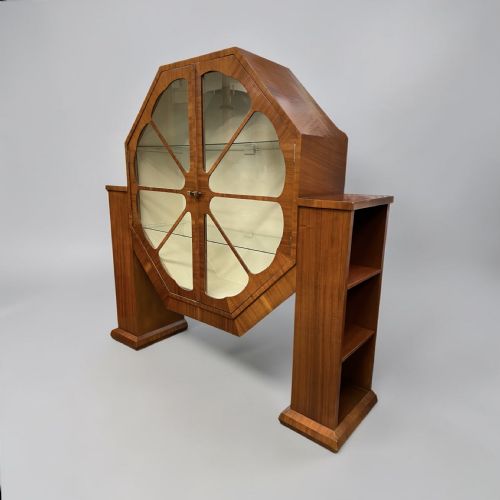
Hexagonal and circular display cabinets bring unexpected geometry to traditional bedside storage.
Judging quality and execution
The sophistication of the veneer work and timber selection dictates the visual impact of the piece. Finer examples display carefully matched burr walnut patterns that emphasise the geometry of the design.
The integration of secondary materials like brass or bone and the precision of the joinery separate standard utility items from more ambitious decorative cabinets. Period-specific execution in styles such as Art Deco or Italian Baroque sets the standard for construction.
Rurka
The Geometric Walnut Cupboard Glossary
- Burr walnut
- A figured timber harvested from walnut tree growths, yielding intricate swirling patterns utilised for decorative veneer. This material defines the visual character of many Art Deco pieces.
- Veneer
- A thin layer of superior wood applied over a base timber to provide an ornamental surface. This technique allows makers to create geometric patterns without using solid luxury wood throughout.
- Fruitwood
- Dense timber gathered from fruit-bearing trees, employed alongside walnut and oak in earlier period furniture. It provides contrasting colour and reliable structural stability.
- Display cabinet
- A glazed storage piece designed to showcase items inside. These forms frequently feature geometric framing in twentieth-century examples.
Geometric Walnut Cupboard: Frequently Asked Questions
What periods do these cupboards date from?
The pieces span multiple centuries, ranging from seventeenth-century chests to nineteenth-century cupboards and twentieth-century Art Deco cabinets.
Twentieth-century examples from nineteen-thirty form the largest portion of the available selection, alongside nineteenth-century pieces and earlier seventeenth-century items.
Are these cabinets used for display?
Many examples function specifically as display cabinets with glass panels designed for showing objects.
Other variations serve as linen cupboards, bedside tables, or sideboards with closed storage rather than glazed doors.
What woods are used in these pieces?
Construction primarily relies on walnut and burr walnut veneer, frequently paired with secondary woods like oak and fruitwood.
Additional materials such as mahogany, maple, brass, and bone appear across specific styles like Art Deco and Anglo-Egyptian.
How do I identify Art Deco pieces?
Art Deco examples generally date around nineteen-thirty and feature streamlined geometric forms, circular or hexagonal shapes, and figured burr walnut surfaces.
They contrast with earlier seventeenth-century or nineteenth-century items by embracing modern symmetrical lines and decorative veneer layouts.