


Geometric Tribal Wool Mats
Geometric tribal wool mats bring centuries of nomadic craftsmanship into modern rooms through resilient materials and bold, angular patterns.
Geometric Tribal Wool Mats
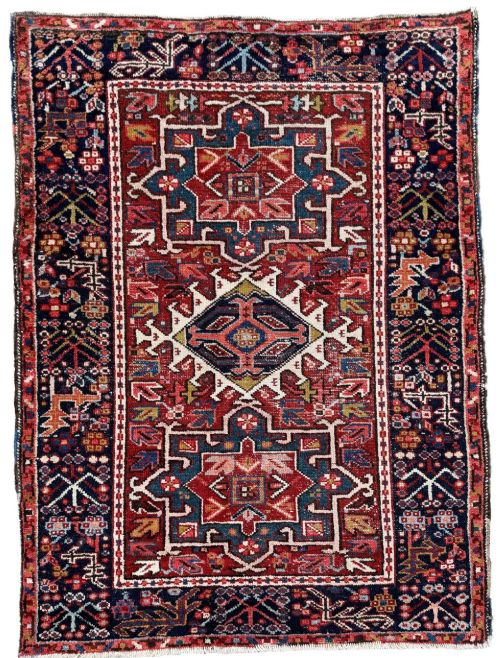
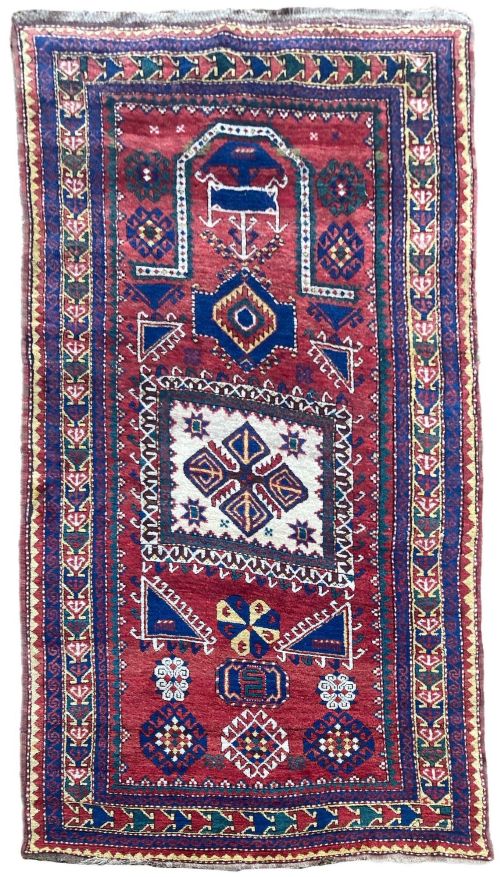
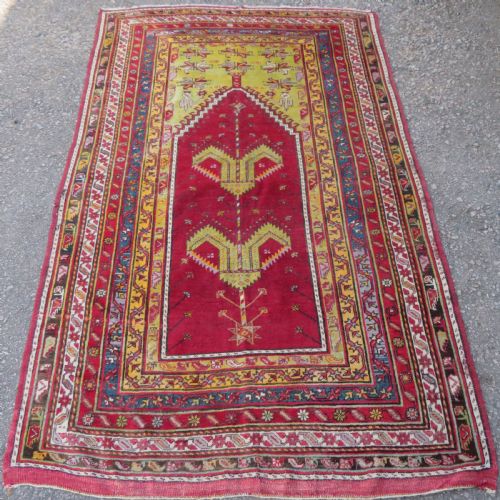
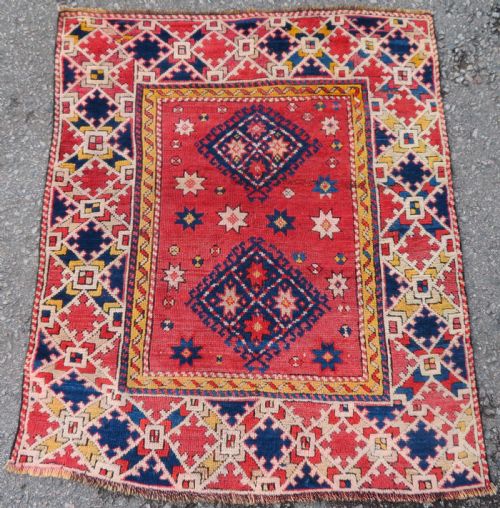
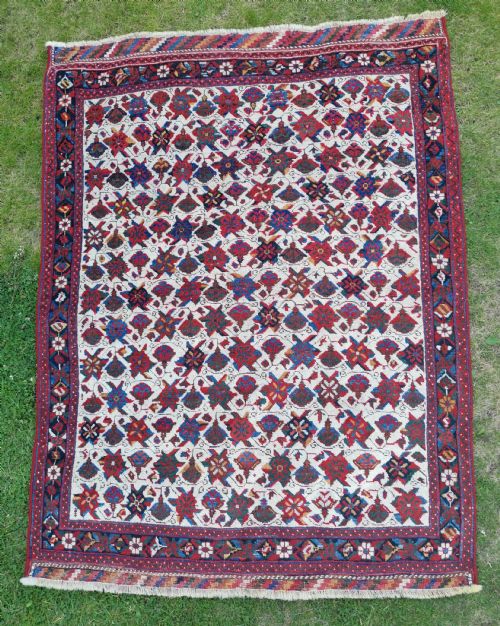
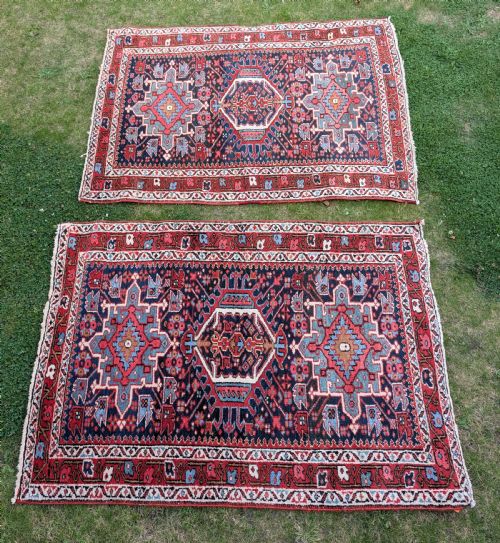
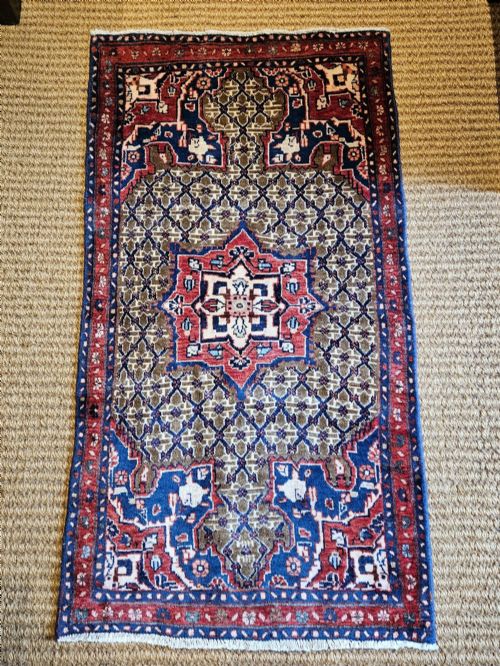
Geometric tribal wool mats encompass hand-knotted rugs, mats, and prayer rugs originating from village and nomadic weaving traditions across Persia, the Caucasus, Anatolia, and Turkmenistan. These textiles serve everyday domestic functions, ranging from hearth rugs and seating covers to portable floor coverings and ceremonial prayer spaces.
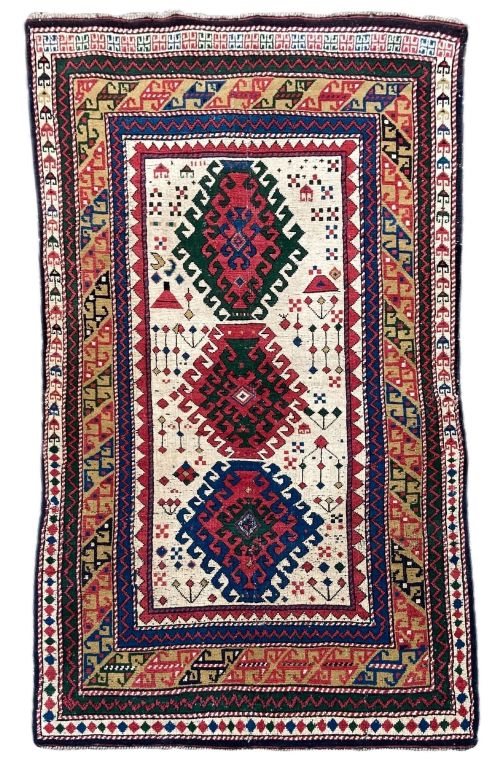
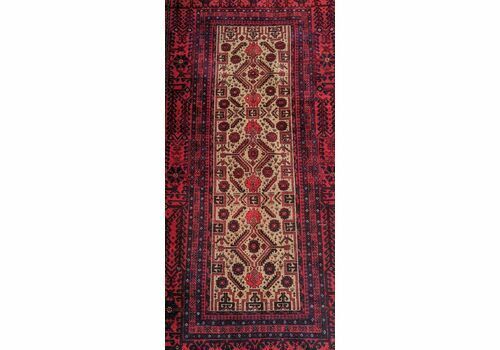
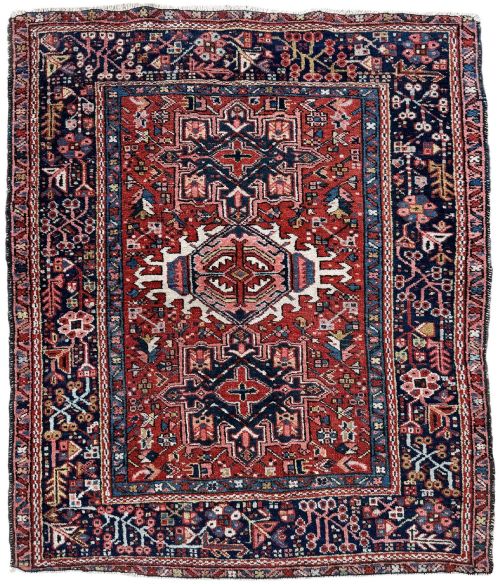
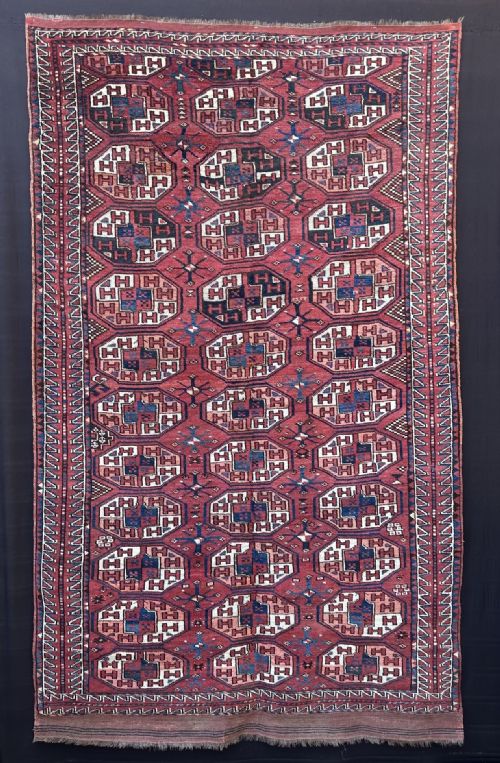
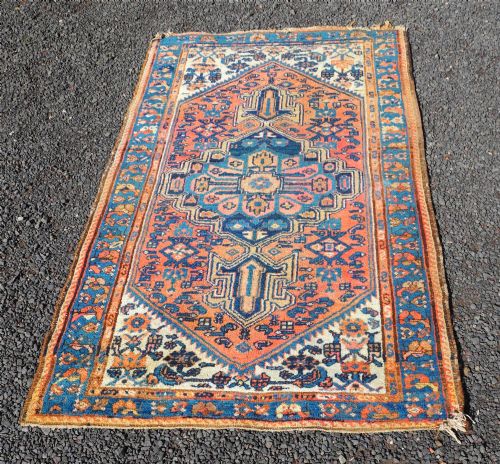
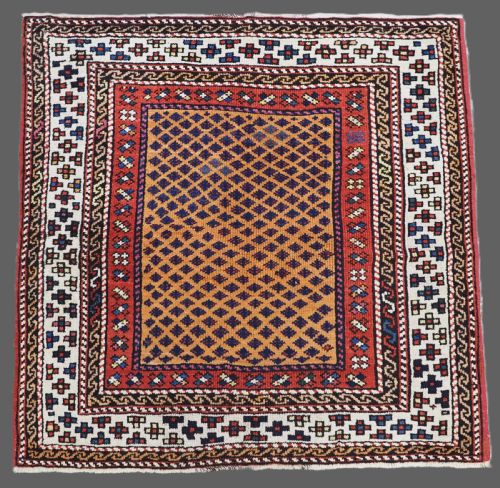
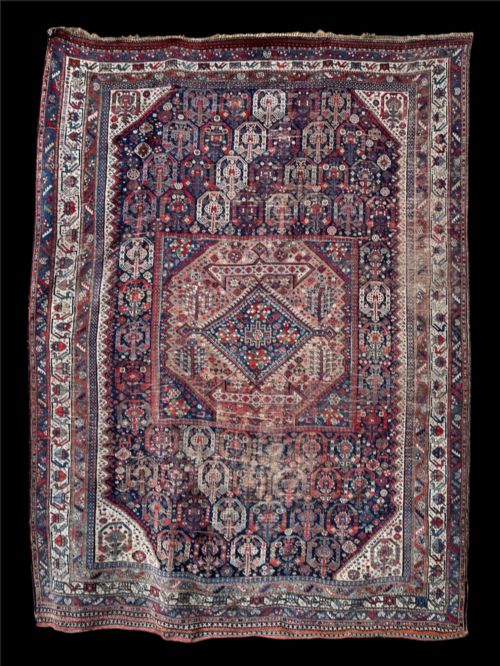
The selections on this page span several decades from the late nineteenth century into the early twentieth century, showing regional motifs rooted in specific tribal groups such as the Baluch, Afshar, Karaja, and Ersari Turkmen. Buyers encounter formats varying from small square mats and hallway runners to larger carpets and saddle covers.
Village pieces often display structured medallions and lattice layouts, whereas nomadic examples lean into rectilinear motifs, animals, and repeating symbols. Each piece reflects the functional requirements of village life and tribal migration through durable construction and traditional design.
Materials and construction
Weavers constructed these textiles primarily from wool, utilising natural dyes derived from plants and minerals to achieve lasting colour depth. Foundation structures frequently incorporate cotton or wool warps and wefts, occasionally complemented by secondary materials like goat hair and leather for added edge reinforcement.
The hand-knotting technique secures the pile firmly to the foundation, producing a dense fabric designed to withstand heavy daily use in nomadic tents and village homes. Edge finishes range from plain selvedges to surviving original wool tassels on specialised pieces like saddle covers.
Several saddle covers retain their original wool tassels, proving that some nomadic gear survived centuries without losing its decorative trim.
Assessing quality in early tribal weaving
Quality rests upon the tightness of the knotting, the purity of the wool, and the stability of the natural dyes used across the field. Tightly packed piles and clearly articulated geometric lines indicate careful execution by the weaver.
Proportion and balance in the border and central field distinguish superior examples from standard village production. The visual harmony achieved through natural colour variations over decades adds depth that chemical dyes fail to replicate.
The Geometric Tribal Wool Mats Glossary
- Mihrab
- A niche design symbolising a prayer gateway, commonly found pointing towards Mecca on Islamic prayer rugs.
- Sofreh
- A flatwoven or piled cloth utilised for sharing meals or processing dough within nomadic households.
- Warps
- The vertical foundation threads stretched lengthwise on the loom before knotting begins.
- Wefts
- The horizontal threads passed across the warps to bind the knots in place after every row.
- Selvedge
- The finished side edges of a rug formed by wrapping extra weft threads to prevent fraying.
Geometric Tribal Wool Mats: Frequently Asked Questions
How do I care for antique wool mats?
Vacuum gently without rotating brush bars to protect the fragile wool pile from undue friction and fibre loss. Rotate the textile periodically to ensure even wear patterns across high-traffic floor areas.
Keep these pieces away from direct sunlight to preserve the natural dye colours over time. Professional cleaning by specialists in antique textiles prevents structural damage from incorrect washing methods.
Where were these tribal rugs made?
These pieces originate from nomadic and village workshops spanning the Caucasus, Anatolia, Persia, and Turkmenistan. Communities in these regions preserved specific tribal designs through generations of hand-knotting.
Weavers utilised locally sourced wool and plant dyes characteristic of their specific geographical locations and tribal confederacies.
What is a prayer rug?
A prayer rug is a portable mat featuring a mihrab niche design that indicates the direction of prayer. Weavers produced these smaller formats for individual devotional use during daily prayers.
They often display distinctive pointed arches and spiritual symbols distinct from larger room-sized carpets.
How can I tell the age of a rug?
Age is determined by evaluating the structural materials, the chemical composition of the natural dyes, and the wear patterns on the wool pile. Early pieces often show distinct abrash colour variations resulting from successive dye batches.
Structural traits like goat hair edges and specific regional knotting styles further help narrow down the period of production.