

Geometric Tribal Mat
When you handle a geometric tribal mat, you hold a piece of village and nomad weaving rooted in Persia, the Caucasus, Anatolia, and Central Asia.
Geometric Tribal Mat
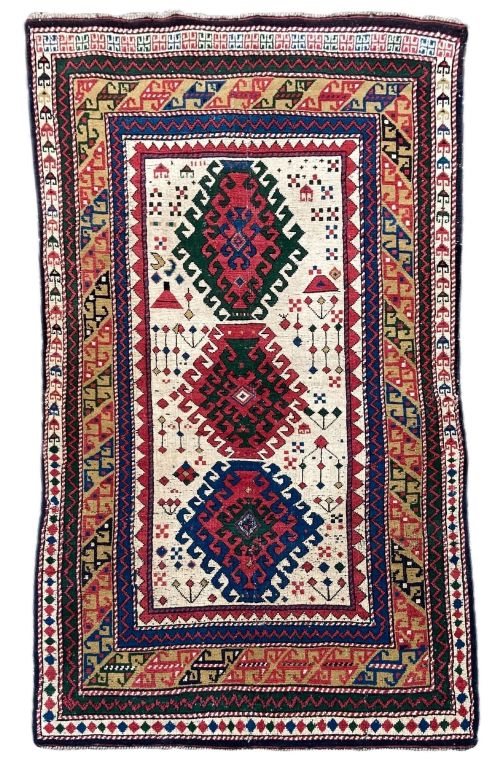
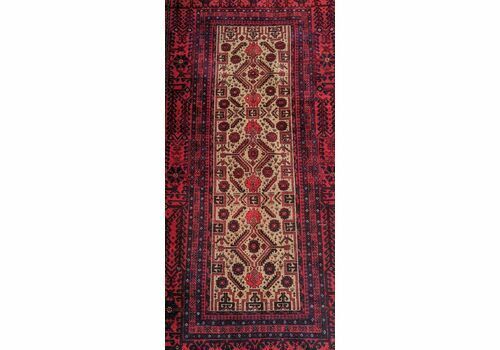
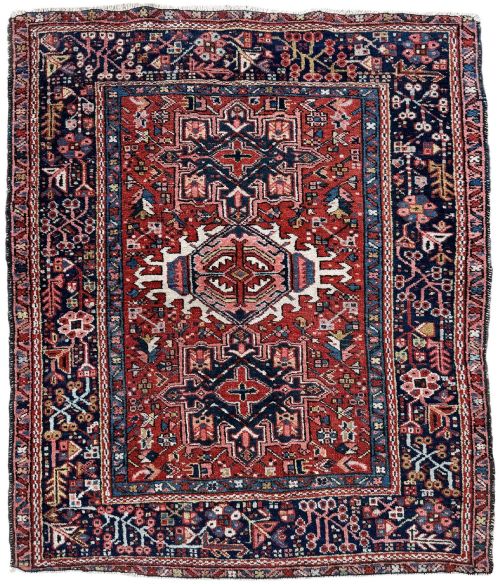
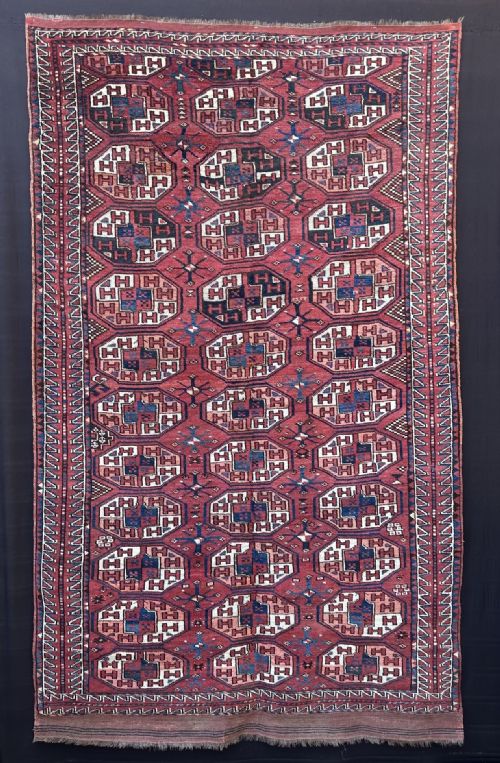
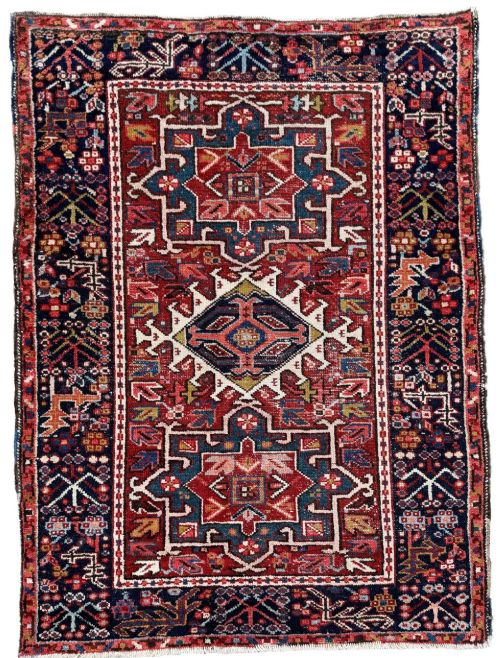
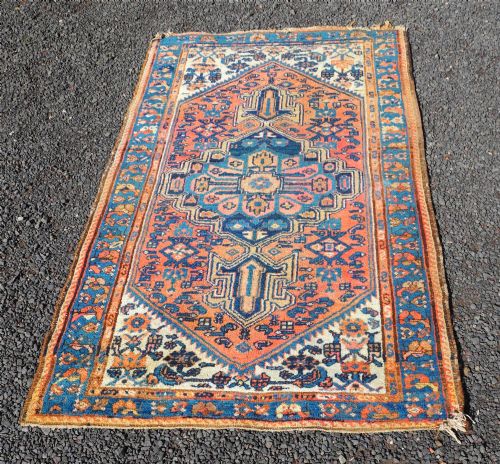
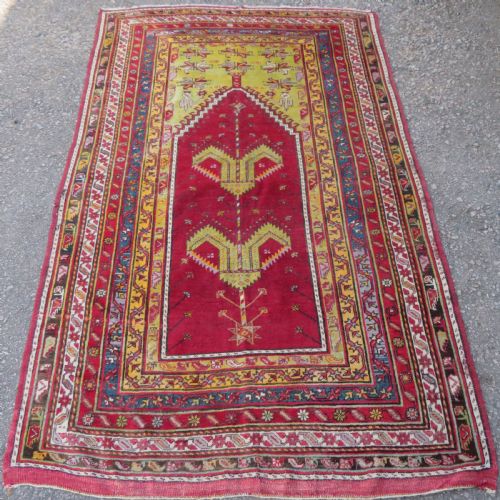
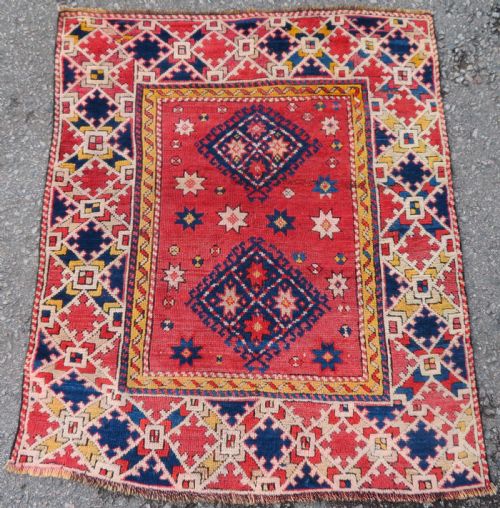
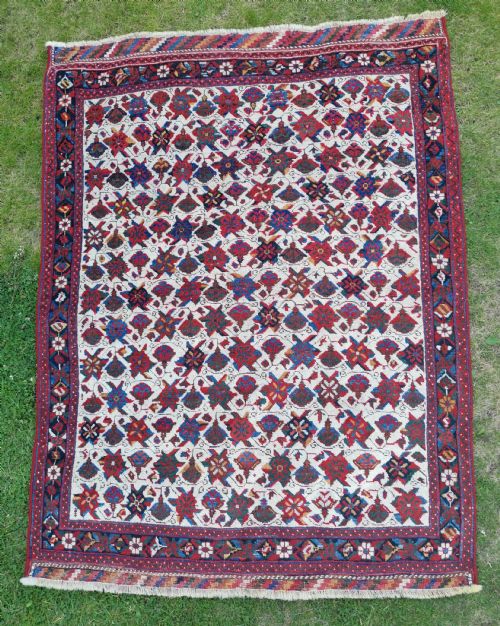
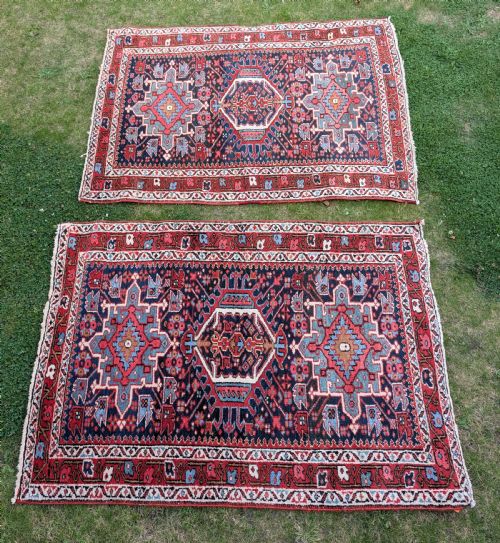
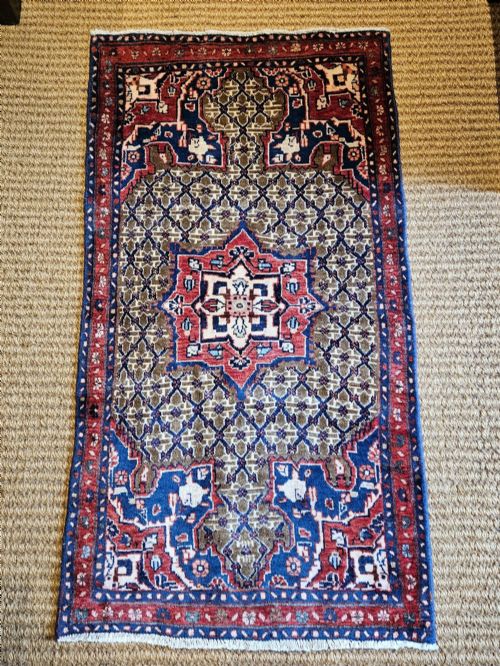
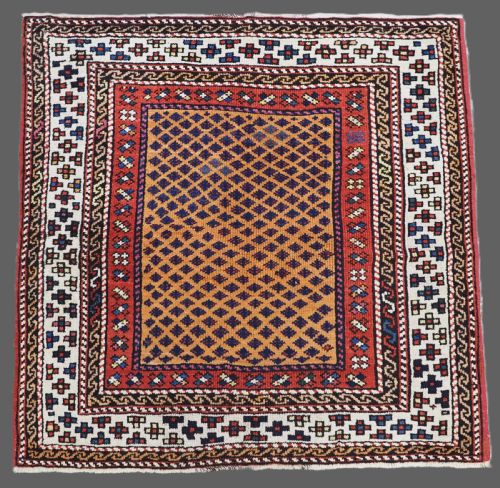
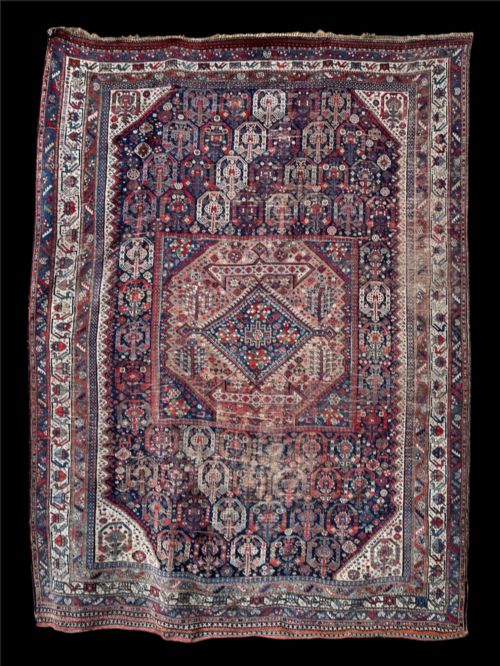
A geometric tribal mat is a hand-knotted textile produced by nomadic and village weavers across regions such as Persia, the Caucasus, Anatolia, and Turkmenistan. These pieces function as floor coverings, hearth rugs, saddle covers, prayer rugs, and dining sofreh, reflecting the practical needs of daily life. When searching for a geometric tribal mat, you will encounter formats ranging from small square rugs and prayer rugs to hallway runners and main carpets spanning the late nineteenth and early twentieth centuries.
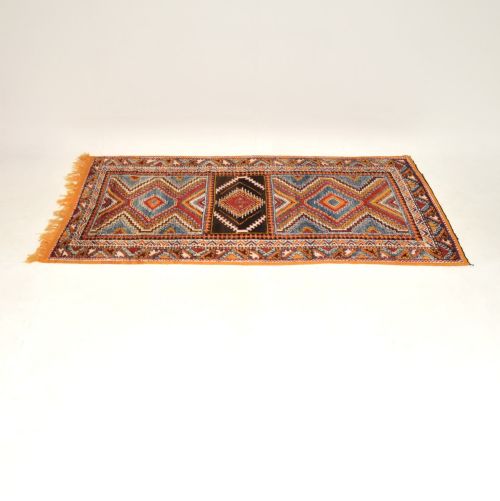
The aesthetic is defined by repeating motifs, medallions, and lattice patterns rather than naturalistic floral depictions. Village workshops and tribal confederacies such as the Khamseh, Afshar, Baluch, and various Turkmen tribes developed distinct visual vocabularies through generations of hand-knotting. These textiles connect contemporary interiors with the specific cultural heritage of Central Asian and Middle Eastern weaving communities.
How they were made
These textiles rely primarily on wool and cotton foundations, with certain pieces incorporating goat hair and leather elements for structural durability. Weavers utilised natural dyes to achieve deep colour palettes across the wool pile. The construction process involves hand-knotting individual tufts onto warp and weft threads, finishing the edges with original tassels or bound sides where preserved.
The materials reflect regional availability and nomadic traditions, from the sturdy wool of highland flocks to the fine cotton foundations of village workshops. Natural dyes interact with the wool fibres over decades, producing gradual shifts in tone and a soft patina. Every rug demonstrates traditional hand-weaving techniques passed down within specific tribal groups and village locations.
Several examples preserve their original tassels, having survived a century or more of domestic transit.
What varies in quality
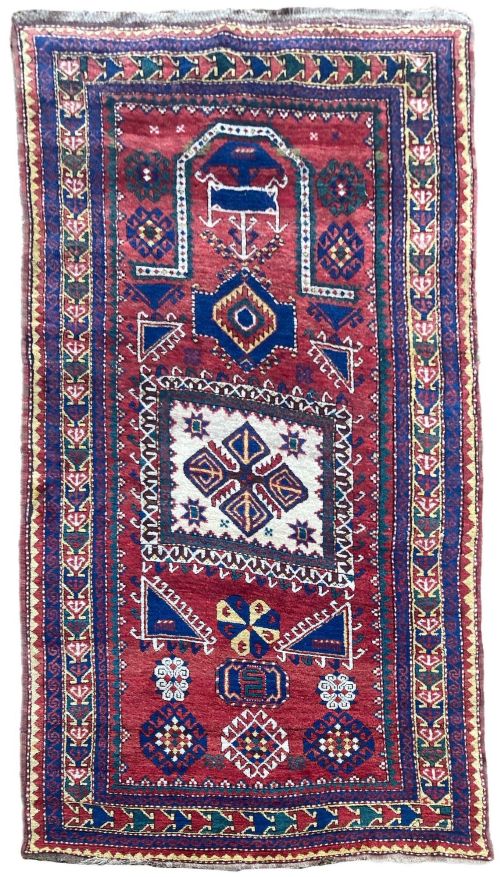
Quality in a geometric tribal mat relates to the density of the knotting, the precision of the tribal design, and the depth of the natural dye palette. Pieces woven with high-grade wool exhibit resilience and distinct colour saturation that deepens with age. The clarity of the lattice work, prayer mihrabs, and central medallions separates standard village production from finer collector pieces.
The condition of the wool pile, survival of original edges and tassels, and the harmonious fading of natural dyes determine the standing of an individual textile. Regional attribution clarity also plays a role, with specific tribal motifs executed by groups like the Baluch, Afshar, or Ersari Turkmen demonstrating notable artistry.
The Geometric Tribal Mat Glossary
- Mihrab
- A niche design found on prayer rugs, often shaped as an arch pointing toward Mecca. Double mihrab formats feature arches at both ends.
- Sofreh
- A flatwoven or pile-woven cloth used for dining, food preparation, or domestic rituals among tribal groups.
- Warp
- The vertical threads stretched tightly on the loom that form the structural skeleton of the rug.
- Weft
- The horizontal threads passed through the warp threads after each row of knots to pack the structure firmly together.
- Patina
- The surface sheen and soft tonal variation acquired by wool and natural dyes through age and use.
Geometric Tribal Mat: Frequently Asked Questions
How do I identify a tribal rug?
Tribal rugs are distinguished by geometric motifs, hooked polygons, and repeating lattice designs rather than curvilinear floral patterns. They originate from nomadic or village communities in regions such as Persia, the Caucasus, and Anatolia.
Materials typically include hand-spun wool and natural dyes, which give the textiles an organic appearance and tactile weight. Specific tribal groups often incorporate characteristic colour combinations and border arrangements unique to their heritage.
Where were these mats used?
Nomadic and village weavers produced these textiles for everyday domestic functions within tents, village houses, and tribal camps. They served as floor coverings, hearth mats, sleeping rugs, and dedicated prayer spaces.
Specialised forms like saddle covers and dining sofreh fulfilled specific functional roles in daily nomadic life. Their portable nature suited communities that moved seasonally across highland and lowland pastures.
How should I care for wool rugs?
Wool rugs require gentle maintenance, beginning with regular, light vacuuming without a beating brush roll to protect the pile and foundation. Rotating the piece periodically ensures even exposure to light and wear.
Professional cleaning suited for antique textiles is recommended when deep cleaning becomes necessary. Keeping them out of direct, harsh sunlight preserves the integrity of the natural dyes.
What is a prayer rug?
A prayer rug is a smaller format textile featuring a distinct arched niche known as a mihrab at one or both ends. The design historically directed the user toward Mecca during daily prayers.
These pieces often display concentrated geometric symbolism within the field and specific border patterns. Collectors value them for their focused composition and symbolic regional designs.