

Geometric Panelled Dresser
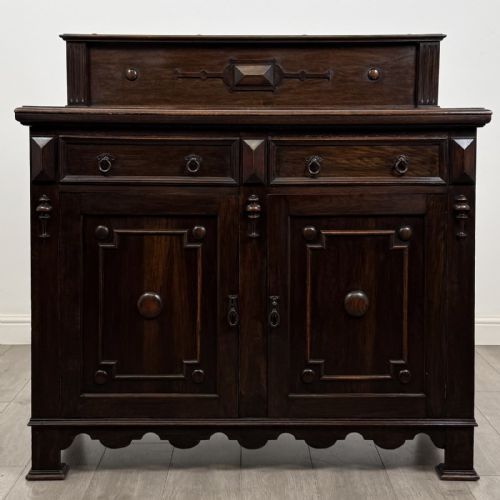
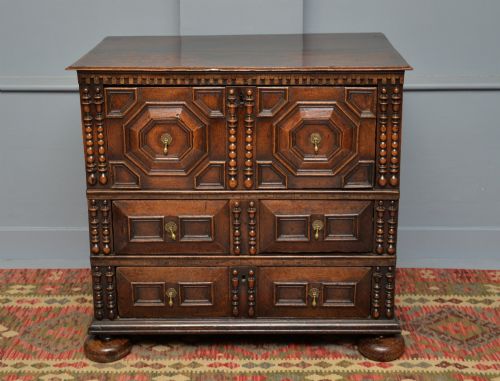
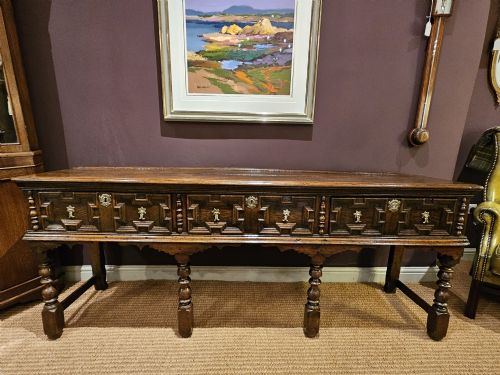
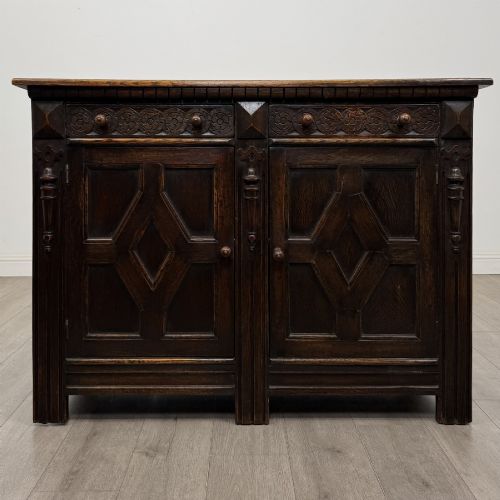
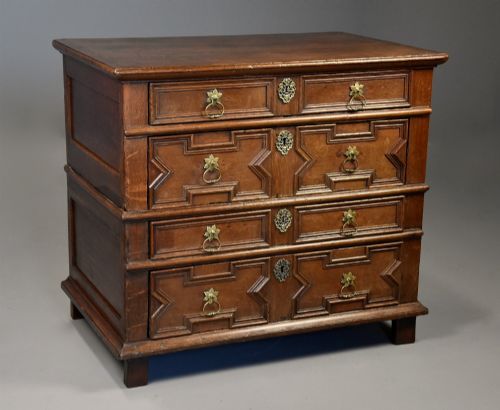
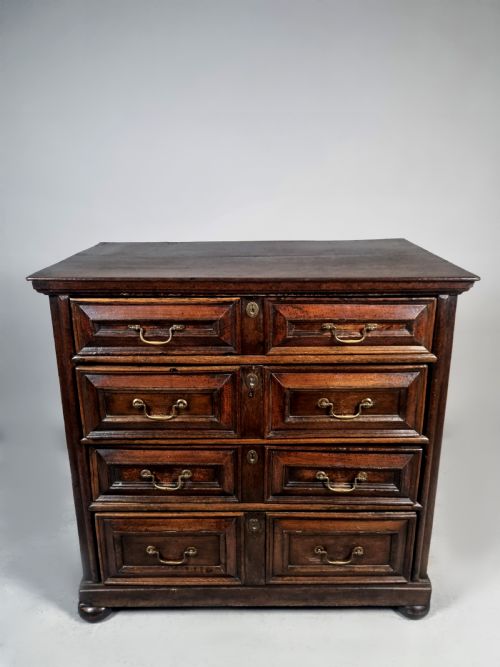
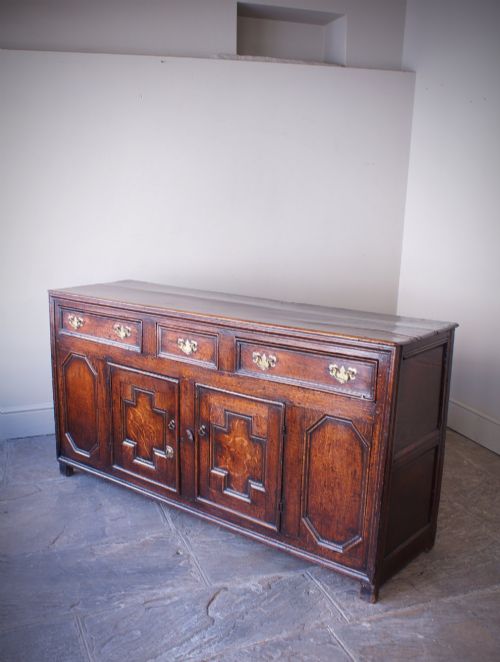
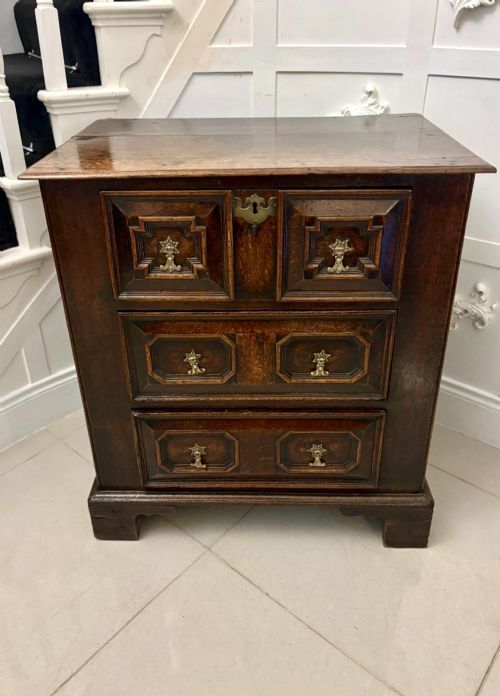
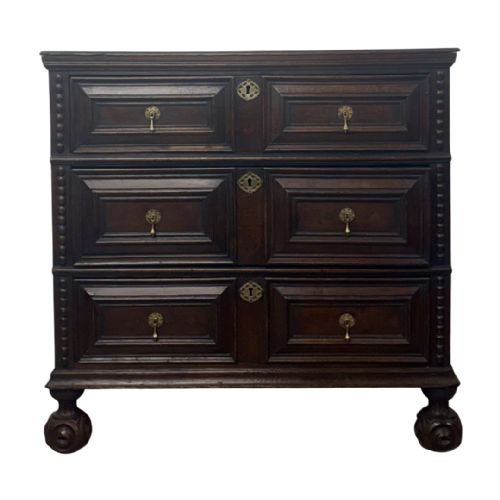
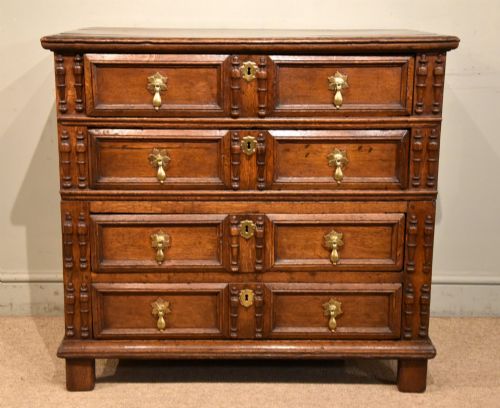
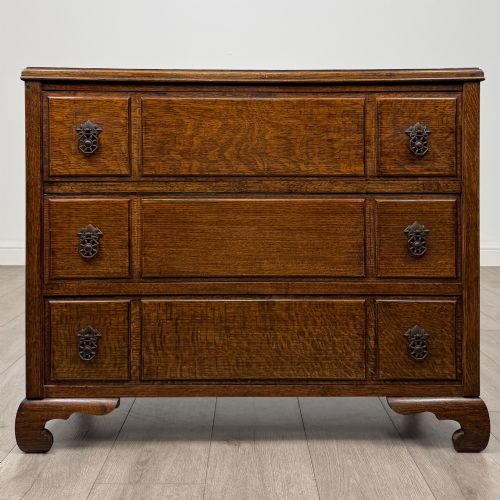
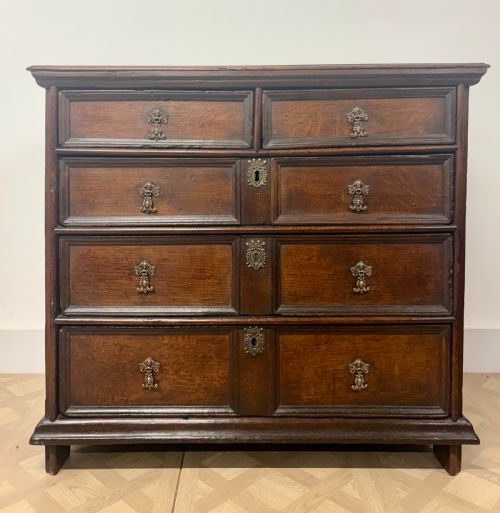
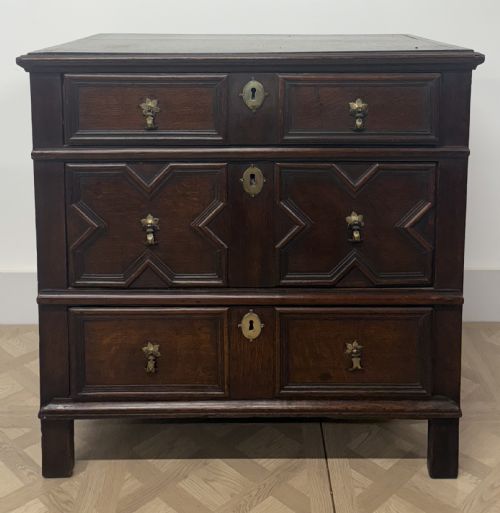
A geometric panelled dresser delivers robust storage through deeply moulded drawer fronts, anchoring early British interiors with stark rectilinear ornament.
Geometric Panelled Dresser
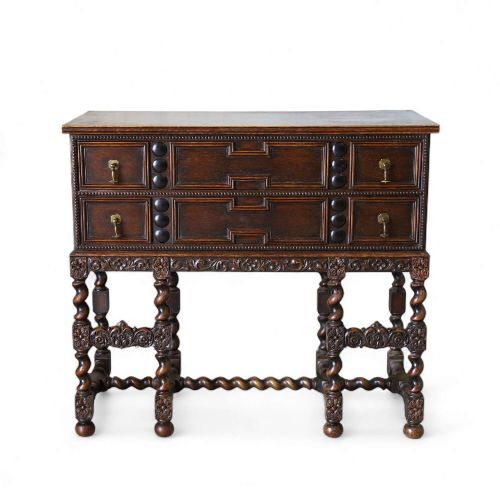
A geometric panelled dresser combines low serving surfaces and drawer units with pronounced applied mouldings arranged in polygons and rectangles. These pieces emerge primarily from the seventeenth century and eighteenth century, reflecting periods such as the Charles II, Jacobean, and Georgian eras.
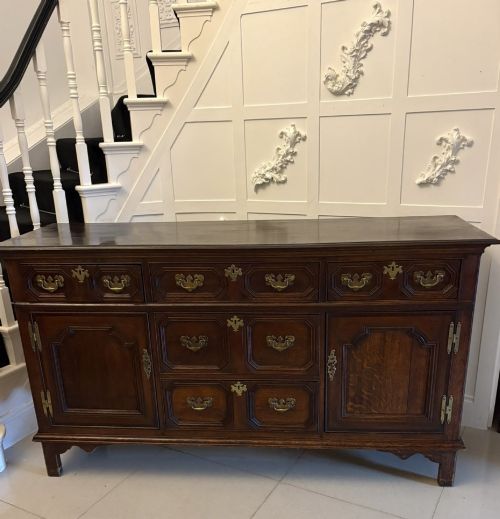
Buyers encounter variations spanning from low dresser bases and servers to two-part dressers and tall chests of drawers. Oak forms the primary structural timber, occasionally paired with walnut, fruitwood, cedar wood, and snakewood.
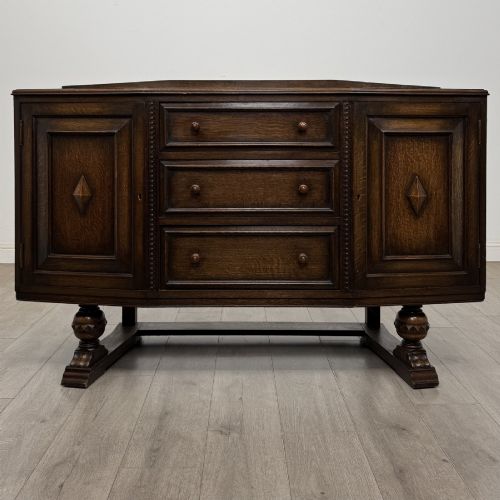
Revival iterations surface from the Edwardian period and the nineteen-twenties, replicating earlier Carolean and Jacobean motifs through mechanical and hand tooling. English and Italian workshops both contributed to this tradition of moulded storage furniture.
Construction and materials
Cabinet makers constructed these bodies predominantly from solid oak, utilising pegged frame-and-panel techniques to accommodate the natural seasonal movement of the timber. Drawer fronts received applied geometric mouldings cut from separate wood sections and secured with hide glue and small pins.
Secondary timbers such as fruitwood, walnut, and snakewood provided contrasting colour and grain patterns within the moulded panels. Iron and brass hardware, including drop handles and escutcheons, fastened the drawers and doors, while leaded glass appeared in later bookcase doors.
Geometric Panelled Dresser Retail Price Guide 2026
Typical asking prices for geometric panelled dresser among the pieces listed under this phrase on Sellingantiques today, from the lower quarter to the upper quarter. They describe what is for sale here now, not the wider market.
Listings span oak, walnut, fruitwood, and cedar wood, reflecting centuries of cabinet making from the seventeenth century through the Edwardian era.
Judging quality in early storage furniture
Quality rests in the precision of the mitred joints within the geometric mouldings and the integrity of the primary timber grain. Crisp depth in the applied mouldings separates superior cabinet work from flat or later replacement detailing.
Original surface patination, retaining the untouched texture of early finishing coats on oak and walnut, commands higher regard than stripped or heavily refinished surfaces. The retention of original brass or iron hardware further distinguishes better examples.
The Geometric Panelled Dresser Glossary
- Dresser base
- A low sideboard or serving table fitted with drawers beneath the top surface, frequently used for food preparation and storage.
- Geometric moulding
- Applied wooden strips arranged in repeating rectilinear patterns on drawer fronts and doors, typical of seventeenth-century joinery.
- Charles II period
- The reign spanning the mid to late seventeenth century, associated with rich surface ornamentation and walnut adoption in English furniture.
- Jacobean style
- An early seventeenth-century design idiom characterised by heavy proportions, rectangular panelling, and linear carving.
- Patina
- The surface sheen and colour developed by wood over centuries of handling, exposure, and wax polishing.
Geometric Panelled Dresser: Frequently Asked Questions
How do I date a geometric dresser?
Dating relies on examining construction marks, timber species, and joinery methods. Seventeenth-century examples display hand-split boards and pegged frames, whereas revival pieces from later eras show mechanical saw marks.
Hardware configurations and secondary woods provide additional chronological clues, distinguishing original seventeenth-century execution from Edwardian or nineteen-twenties revivals.
Are these pieces suitable for modern homes?
These robust items provide practical storage through deep drawers and sturdy surfaces suited for contemporary living spaces. Their neutral oak and walnut tones integrate easily with diverse interior schemes.
Placing them away from direct heat sources ensures the dry timber and applied mouldings remain stable over time.
How should I care for antique oak furniture?
Maintenance requires occasional application of traditional beeswax to nourish the dry wood and preserve the surface sheen. Avoid liquid cleaners and modern silicone polishes that degrade historic finishes.
Maintaining stable room humidity prevents the solid oak and applied mouldings from cracking or warping.