

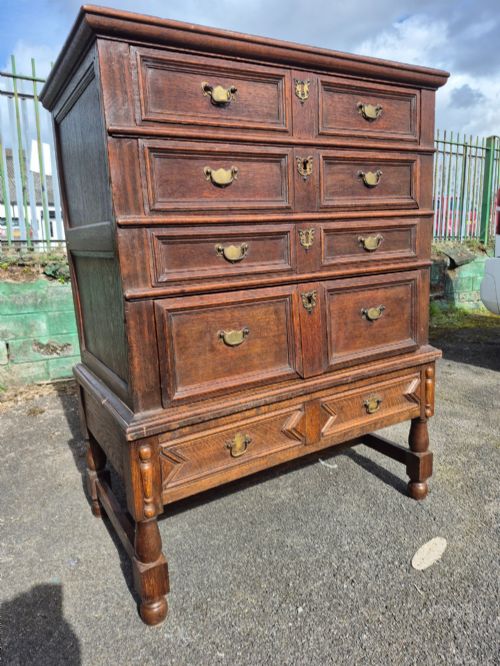

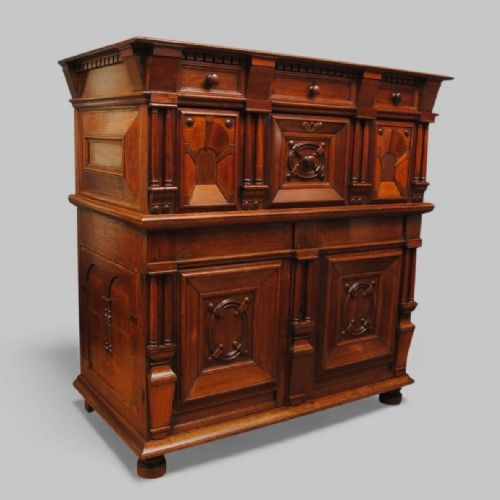


Geometric Panel Oak Cabinet
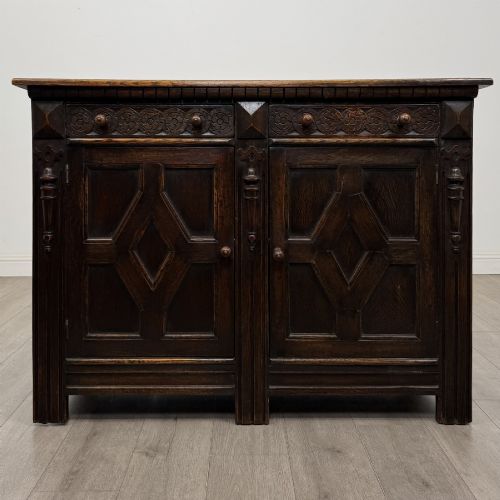
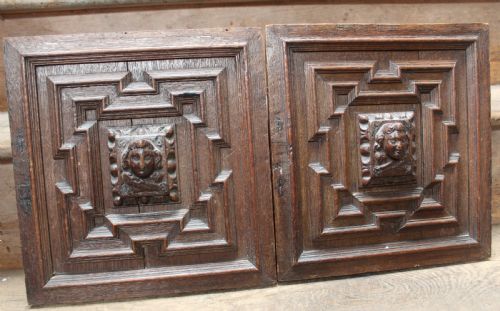
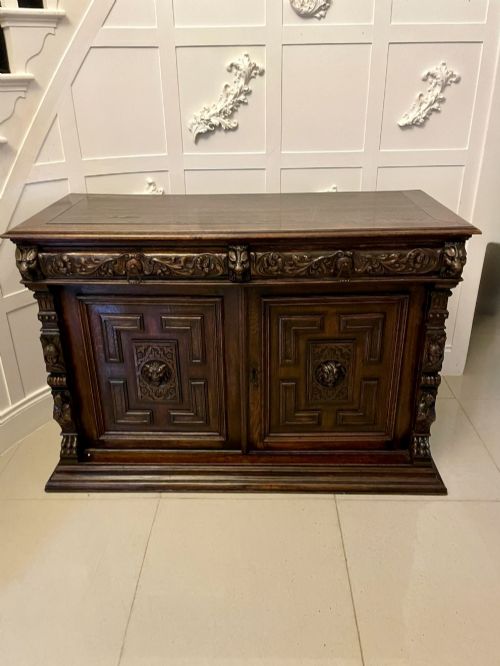
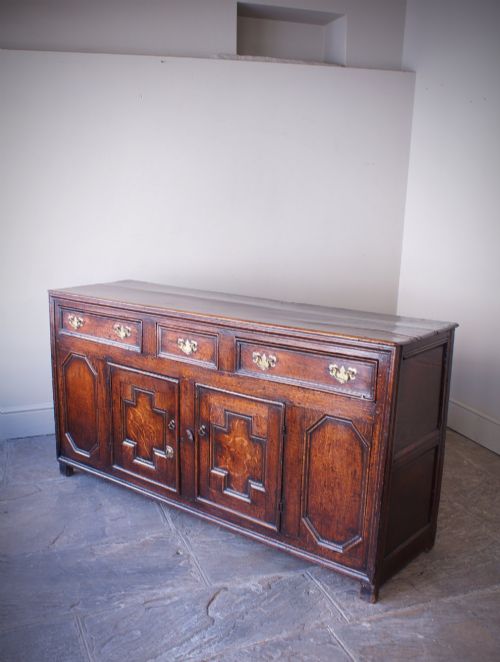
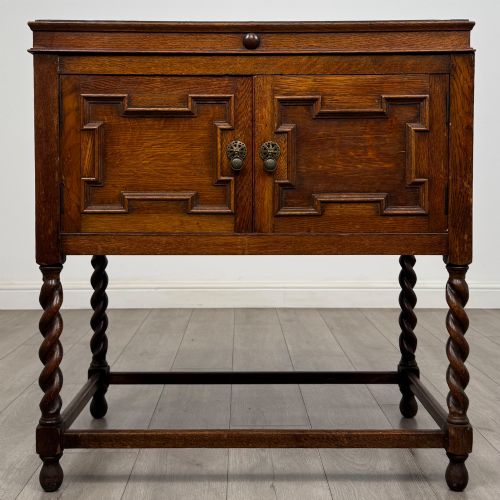
A geometric panel oak cabinet is a timber storage piece defined by its raised or applied mouldings, offering both historical utility and strong decorative presence.
Geometric Panel Oak Cabinet
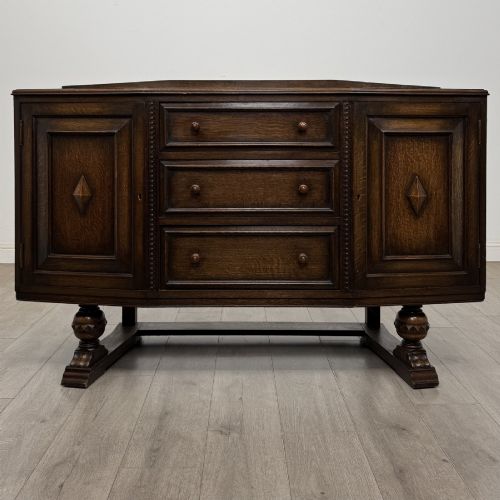
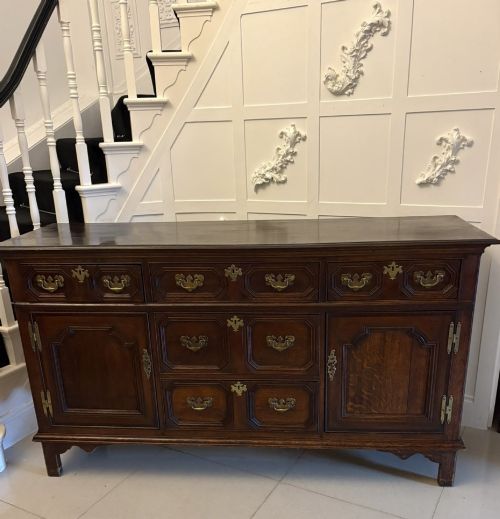
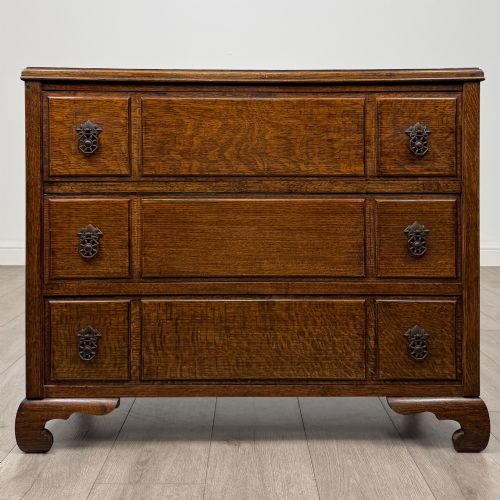
When you search for a geometric panel oak cabinet, you encounter a range of heavy timber furniture spanning from the seventeenth century through to the Edwardian era and the 1920s. These pieces include side cabinets, dressers, chests of drawers, and cupboards, often reflecting Jacobean revival styles.
The sixteenth and seventeenth century examples sit alongside later nineteenth century revivals and twentieth century interpretations. You will frequently find sideboards, corner cabinets, and bookcases sharing the characteristic panelled surfaces.
Materials and construction
Carpenters constructed these cabinets primarily in solid oak, occasionally incorporating walnut, fruitwood, and snakewood for contrasting decoration. Iron, brass, and metal hardware such as hinges and pulls secured the heavy doors and drawers.
Moulded fronts formed the signature geometric patterns, while some later or specialised pieces utilised leaded glass doors. Joinery relied on traditional methods suited to dense hardwoods to ensure the stability of dressers and side cabinets.
Geometric Panel Oak Cabinet Retail Price Guide 2026
Typical asking prices for geometric panel oak cabinet among the pieces listed under this phrase on Sellingantiques today, from the lower quarter to the upper quarter. They describe what is for sale here now, not the wider market.
Some seventeenth-century chests feature snakewood decoration so heavily mottled it gives the distinct impression the timber itself slithered into the workshop.
Judging the work
Quality in these timber pieces rests on the precision of the geometric mouldings and the selection of the grain. Finer examples display meticulous alignment of secondary timbers like fruitwood and snakewood against the primary oak.
The integrity of the original hardware, hinges, and drawer construction further distinguishes superior pieces. Period authenticity, from seventeenth century originals to deliberate revivals, dictates the character of the craftsmanship.
The Geometric Panel Oak Cabinet Glossary
- Jacobean Revival
- A nineteenth and twentieth century style mimicking the heavy, ornamented forms of the early seventeenth century. It utilises dark oak and deep relief carving.
- Snakewood
- A dense, heavily figured exotic timber used for contrasting decorative inlays and mouldings on seventeenth century furniture. Its distinct markings resemble snakeskin.
- Chest on Stand
- A case piece elevated upon a separate frame or legs, lifting the storage drawers off the floor. This form appeared in seventeenth century joinery.
- Leaded Glass
- Panes of glass held together by narrow strips of lead, commonly seen in cabinet doors from the nineteenth century onward. It creates structured window patterns.
Geometric Panel Oak Cabinet: Frequently Asked Questions
What is a geometric panel oak cabinet?
A geometric panel oak cabinet is a storage item featuring raised or applied wooden mouldings arranged in repeating patterns on the doors or drawers.
These pieces range from seventeenth century originals to later revival styles from the Edwardian period and the 1920s.
How do I date an oak cabinet?
Dating relies on examining the construction methods, timber selection, and hardware style. Seventeenth century pieces show hand-tool marks and traditional joinery, whereas revival pieces often use machine-cut elements.
Stylistic cues like Jacobean motifs or Edwardian proportions also help place the piece in its era.
Where were these cabinets used?
Owners placed these robust storage pieces in principal rooms such as dining halls, parlours, and studies to hold linens, documents, or tableware.
Their heavy construction and decorative fronts made them both functional furniture and status items.
How should I care for antique oak?
Maintain antique oak by keeping it away from direct heat sources and dramatic humidity fluctuations that cause timber to split. Apply suitable wax polish sparingly to nourish the wood surface.
Avoid modern liquid cleaners that can damage historic finishes.