


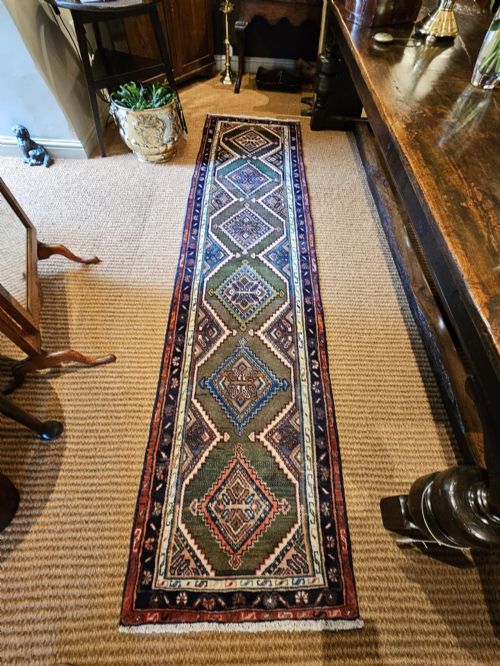



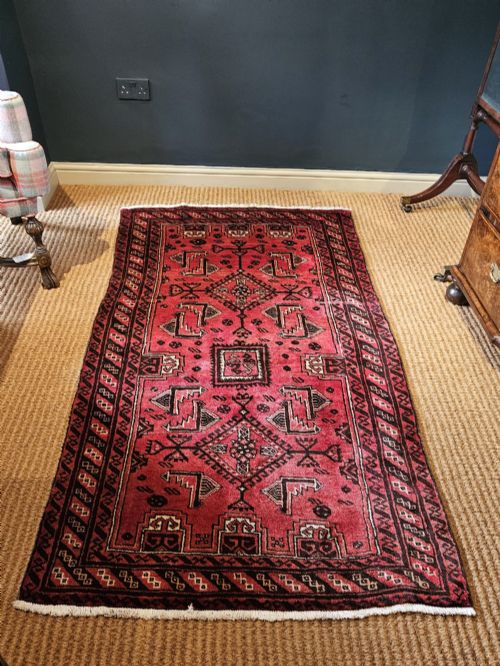




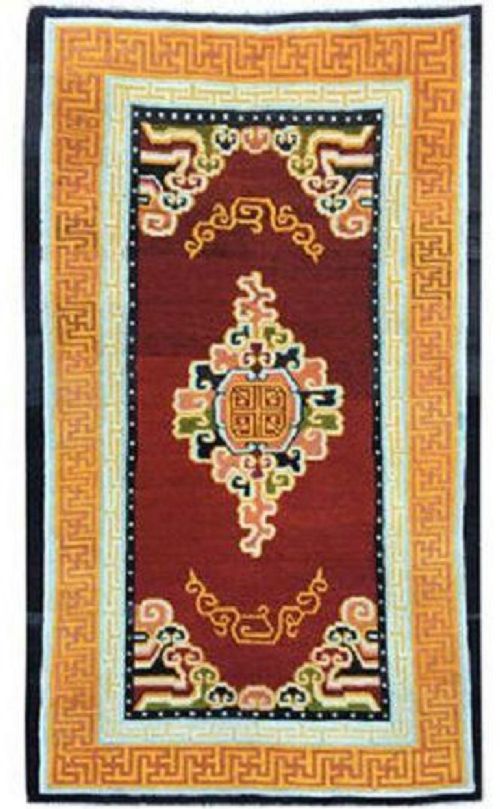
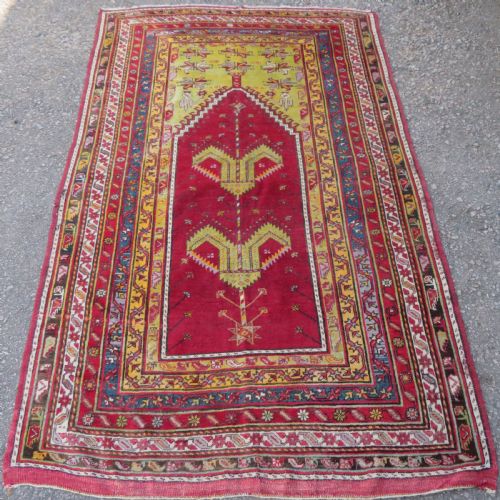
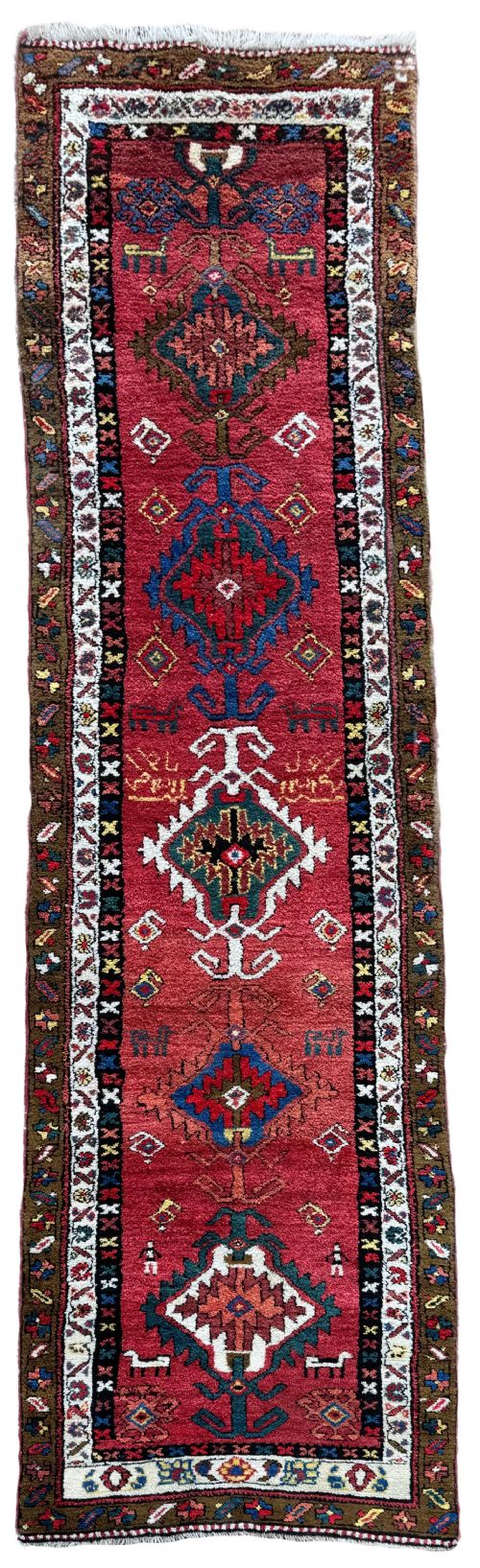
Geometric Oriental Runner
A geometric oriental runner brings strong tribal pattern and hard-wearing wool construction into a long hallway.
Geometric Oriental Runner
A geometric oriental runner provides a long, narrow floor covering defined by repeating motifs and angular borders. These pieces originate from regional weaving traditions including Shahsavan, Baluch, Caucasian, and Persian tribal workshops. Buyers find examples dating from the late nineteenth century up through the early decades of the twentieth century.
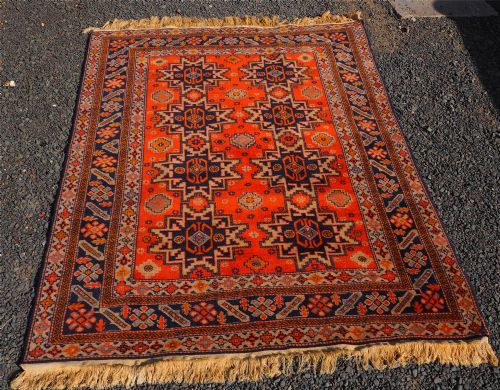
The format of a geometric oriental runner serves narrow spaces such as corridors, hallways, and bedside floors. Surviving examples demonstrate formats like the antique Baluch runner, the Caucasian Akstafa long rug, the Karaja runner, and the Gorravan narrow runner. Each type relies on distinct regional palettes and traditional knotting methods.
Makers and weavers in these traditions utilise durable wool pile founded on cotton foundations to withstand heavy foot traffic. The designs rely on angular medallions, stylised flora, and tribal iconography rather than curved court patterns. Every geometric oriental runner reflects the specific cultural geometry of its particular weaving origin.
How they were made
A traditional geometric oriental runner uses hand-spun wool for the pile, dyed with regional pigments and knotted tightly by hand. The weavers set these wool piles onto sturdy cotton foundation warps and wefts to ensure structural strength along narrow dimensions.
The construction methods reflect generations of tribal and village knowledge, producing dense piles that absorb wear in heavy traffic areas. Finished edges are overcast by hand, securing the sides of the long rug against fraying over decades of use.
Geometric Oriental Runner Retail Price Guide 2026
Typical asking prices for geometric oriental runner among the pieces listed under this phrase on Sellingantiques today, from the lower quarter to the upper quarter. They describe what is for sale here now, not the wider market.
What varies in quality
The refinement of a geometric oriental runner depends on the crispness of the drawing and the tightness of the knotting across the wool pile. Finer examples display precise execution of angular medallions and complex border guards, while coarser pieces show looser proportions.
Material selection and dye saturation further separate grades within these rugs, with evenly dyed wool retaining rich character as it ages. The integrity of the original cotton foundation and the uniformity of the narrow format determine the overall structural success.
The Geometric Oriental Runner Glossary
- Runner
- A long, narrow carpet format designed specifically for corridors, staircases, and hallways. This shape frames narrow architectural spaces effectively.
- Pile
- The upright yarn loop surface of a rug that forms the soft texture and visible design. Weavers shear the wool pile to a uniform height after knotting.
- Warp
- The stationary vertical threads stretched across the loom that carry the structural tension of the piece. Cotton warps provide a stable foundation for wool knots.
- Weft
- The horizontal threads passed through the warps between rows of knots to lock the structure in place. These threads tighten the weave of the rug.
Geometric Oriental Runner: Frequently Asked Questions
Where should I place a runner?
A geometric oriental runner suits long hallways, corridors, and narrow entryways where narrow floor coverings protect floorboards.
The elongated format also fits alongside beds or within galley kitchens to add warmth and pattern underfoot.
How do I care for wool rugs?
Regular gentle vacuuming without a rotating brush roll keeps dust from settling into the wool pile.
Professional cleaning preserves the natural lanolin in the wool and prevents structural damage to the cotton foundation.
What materials were used?
Traditional pieces combine hand-spun wool for the soft upper pile with sturdy cotton foundation threads.
Natural dyes derived from regional plants and minerals provide the colour palette across these vintage weaves.
How old are these rugs?
The available pieces date from the late nineteenth century through to the early decades of the twentieth century.
Each rug reflects the weaving aesthetics and materials typical of its specific production period.