


Geometric Oriental Area Rug
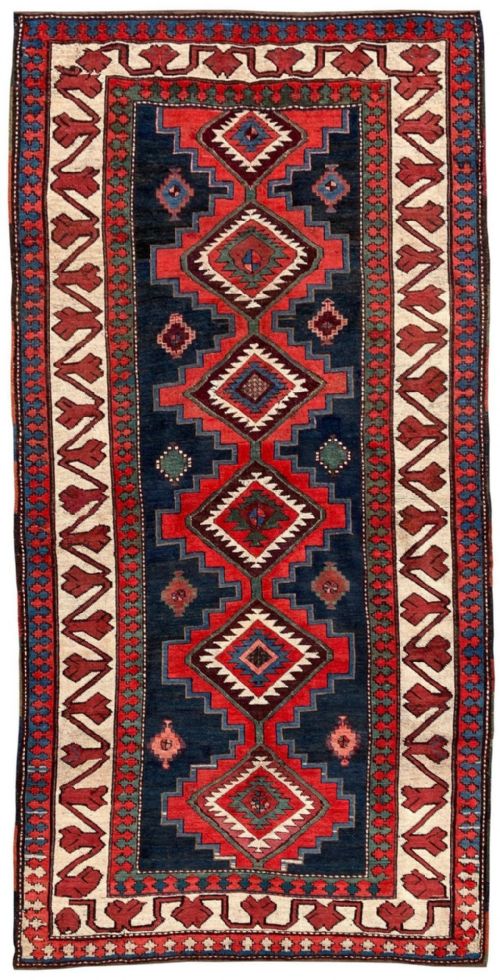
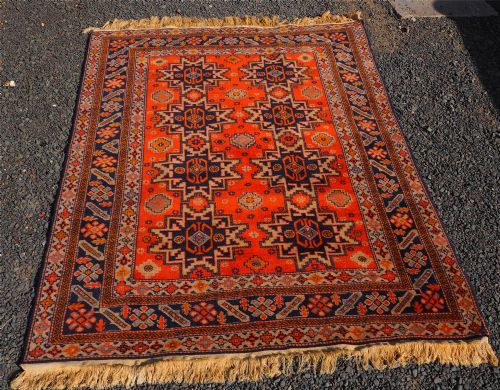
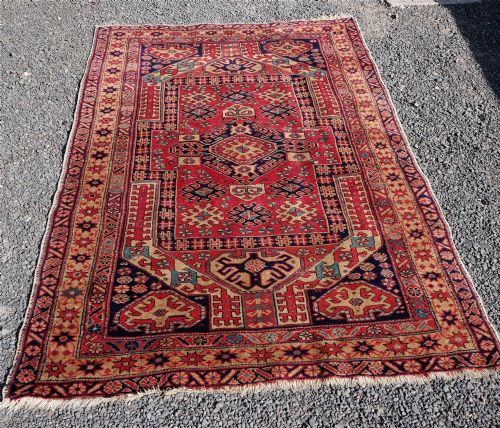
When you search for a geometric oriental area rug, you are looking at woven floor coverings bearing angular medallions and tribal motifs.

Geometric Oriental Area Rug
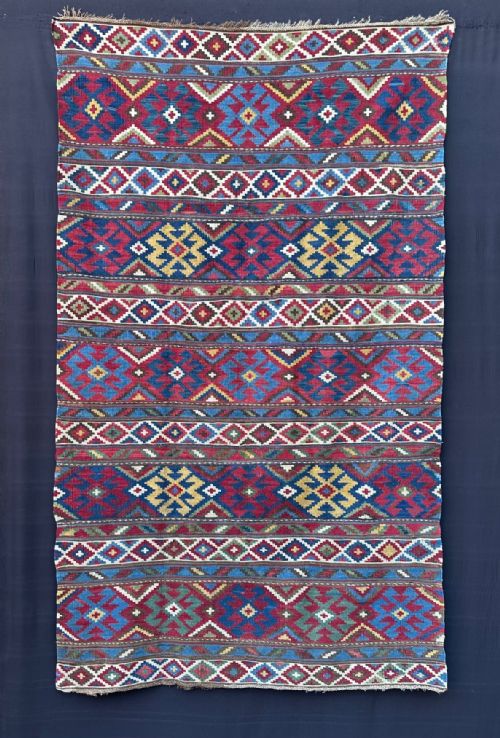
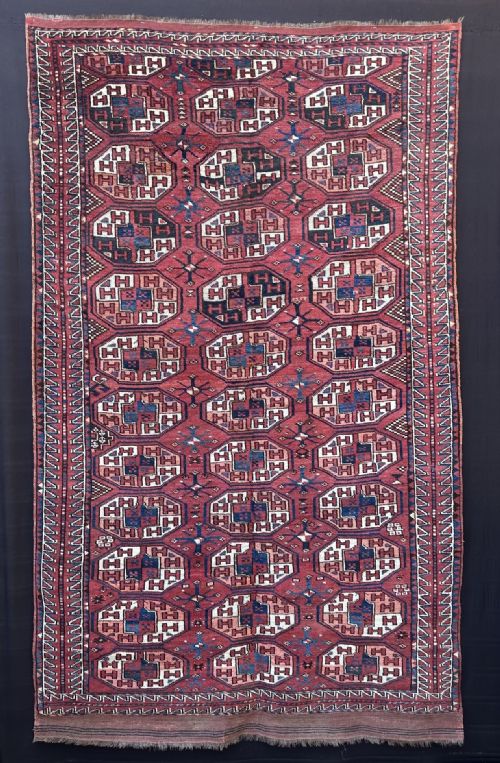
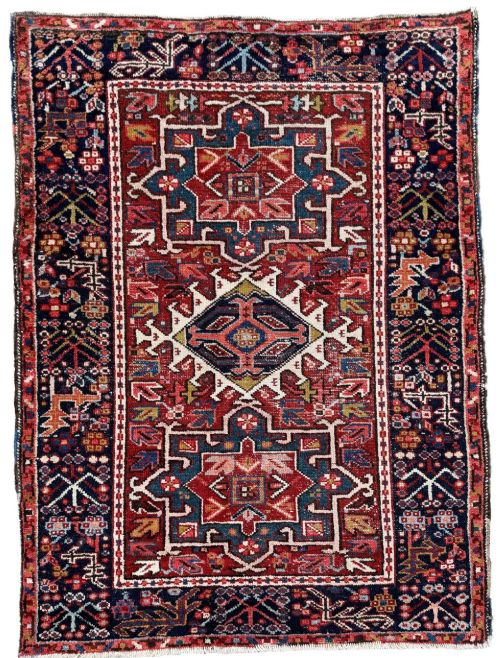
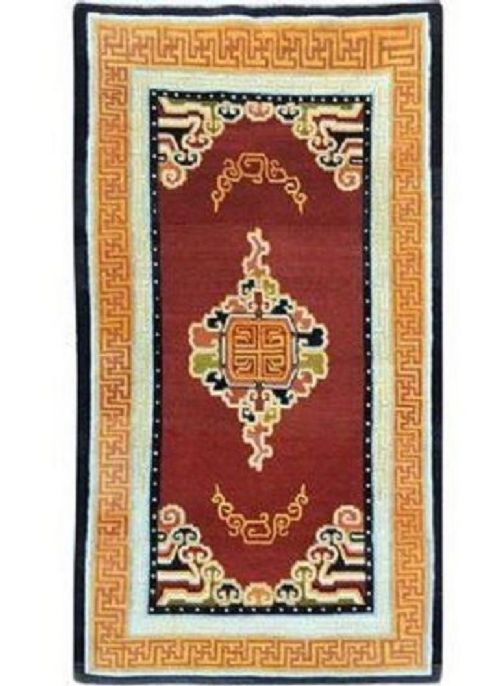
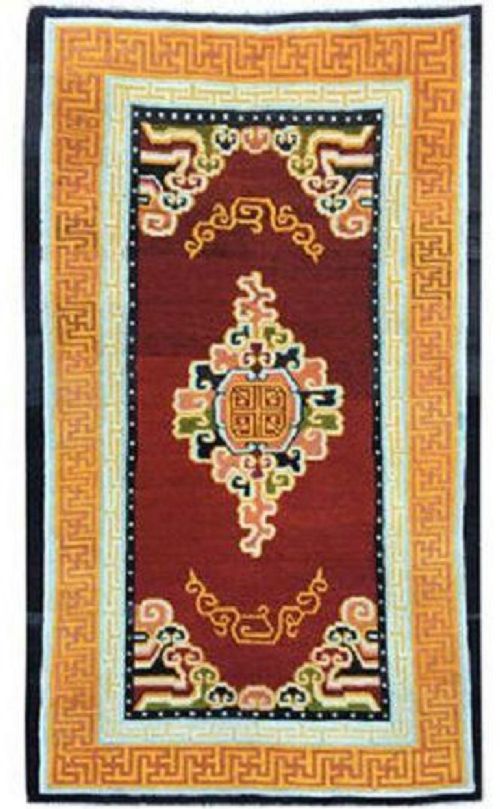
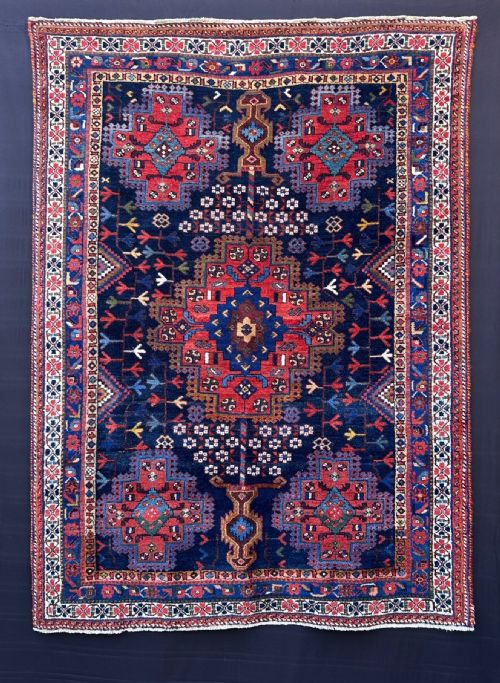
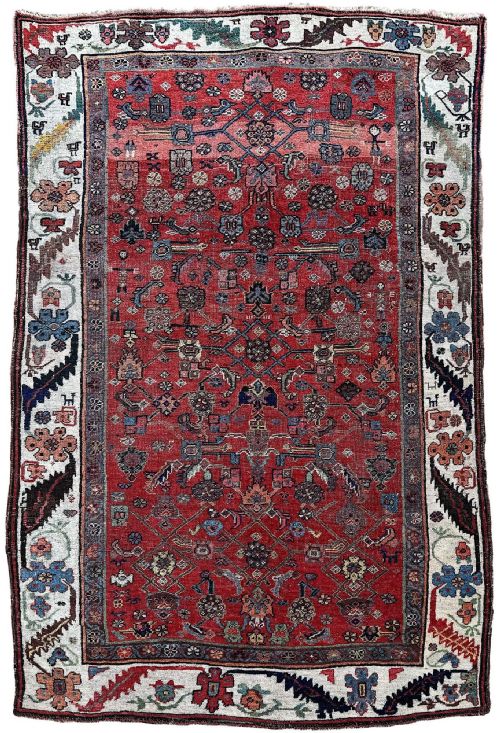
A geometric oriental area rug encompasses regional village and tribal weaves originating from Persia, the Caucasus, Turkey, Turkmenistan, and Tibet. The pieces appearing here span from the nineteenth century into the mid-twentieth century, covering diverse styles such as Persian Tribal, Caucasian, Turkmen Tribal, and Afghan Tribal.
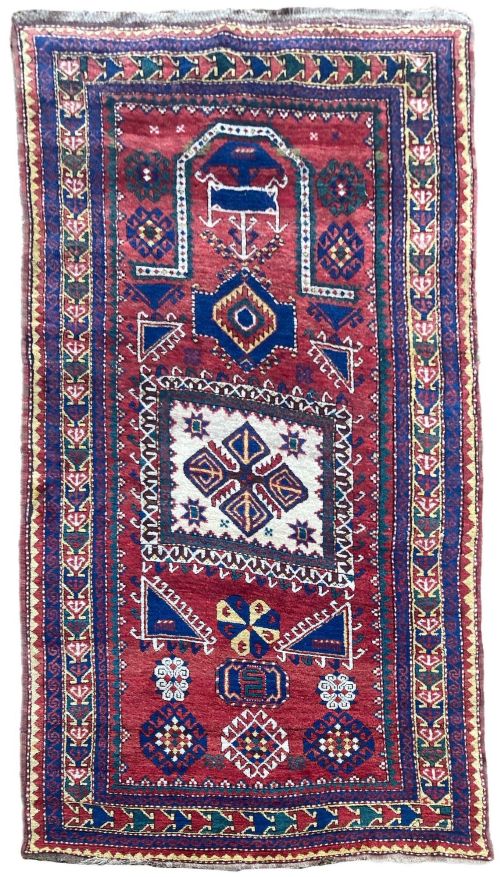
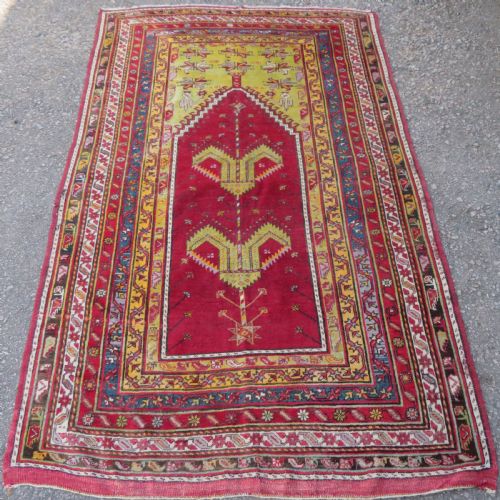
The most frequent versions on this page are village and tribal carpets or rugs, including specific regional types like Heriz, Kazak, Baluch, Afshar, and Khamseh. Buyers encounter formats ranging from small hearth-sized rugs and prayer rugs up to large room-sized carpets.
These floor coverings served nomadic, village, and town populations for domestic use, hospitality, and prayer. Their distinct patterns rely on repeating polygons, guls, stars, and cruciform medallions rather than flowing floral curves.
How They Were Made
These textiles rely on hand-spun wool and camel hair or camel wool for the foundation and pile, paired with cotton in specific regional productions. Artisans secured the piles using hand-knotting techniques on upright or horizontal looms.
Makers utilised natural dyes to achieve deep reds, blues, yellows, and earthy tones that age gracefully across decades of exposure and use.
Some adventurous weavers inserted stray tufts of camel wool directly into village rugs just to confuse future rug scholars.
What Varies In Quality
Quality rests upon the density and precision of the knotting, which dictates how sharply the geometric lines and medallions are rendered. Finer handles and tightly packed foundations survive heavy foot traffic far better than loosely constructed village weaves.
The depth and integrity of the dyestuffs also separate superior examples from ordinary ones. Pieces dyed with rich natural substances display subtle tonal shifts and beautiful patination over time, whereas inferior dye lots can appear flat or muddy.
The Geometric Oriental Area Rug Glossary
- Prayer rug
- A small carpet featuring a mihrab or arch design used traditionally for daily devotions. These pieces often direct the eye toward a central apex.
- Gul
- A repeating octagonal medallion motif common in Turkmen and Baluch weaving traditions. Each tribal group arranges these emblems in distinct configurations.
- Kazak
- A specific designation for rugs woven in the Caucasus region characterised by bold primary colours and large geometric polygons. They are prized for their spirited tribal designs.
- Heriz
- A durable Persian carpet style originating from the northwest region known for large scale geometric corner spandrels and prominent central medallions.
- Mihrab
- The arched niche design found on prayer rugs that symbolises the direction of prayer. This architectural motif guides the layout of the field.
Geometric Oriental Area Rug: Frequently Asked Questions
What is a geometric oriental area rug?
A geometric oriental area rug is a hand-knotted textile featuring straight lines, polygons, and tribal symbols rather than floral curves. These pieces originate from historic weaving centres across the Near East and Central Asia.
They include utilitarian village carpets, Nomadic tribal pieces, and prayer rugs produced from the nineteenth century onwards.
How do I identify a tribal rug?
Tribal rugs show asymmetric designs, repeating guls, and earthy palettes driven by local materials and Dyes. The weavers worked from memory rather than strict cartoon patterns.
Look for charming irregularities in the borders and motifs that reflect individual maker choices during production.
Where were these rugs made?
These textiles were produced in regions such as the Caucasus, Persia, Turkey, Turkmenistan, and Tibet. Each area developed distinct palettes and structural traits.
Nomadic confederacies and village communities each contributed unique structural techniques and regional wool characteristics.
How do I care for an old rug?
Old rugs require gentle vacuuming without rotating brush rolls to protect the wool pile and delicate edge finishes. Professional specialist cleaning ensures the natural dyes remain stable.
Keeping the textile out of harsh direct sunlight prevents the wool colours from fading prematurely over the years.