

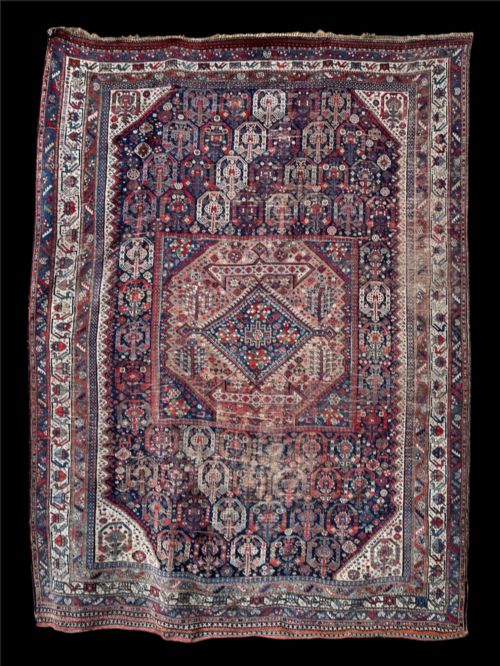
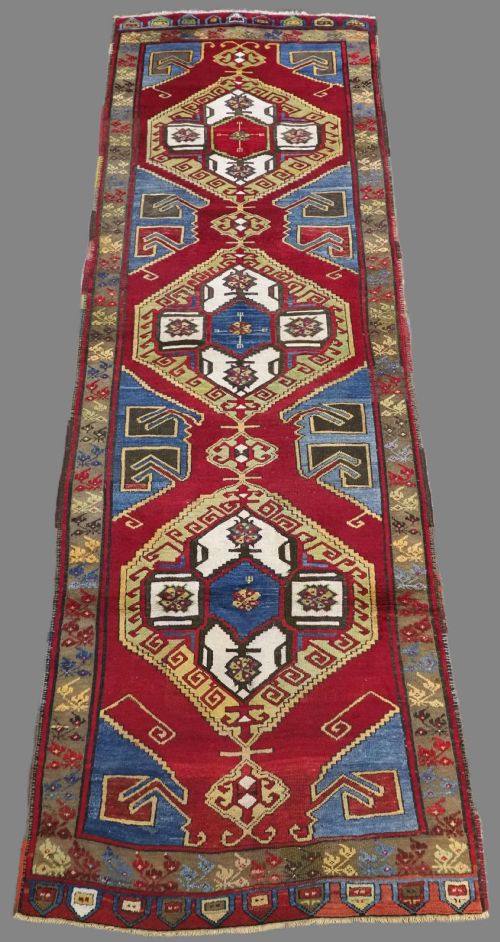
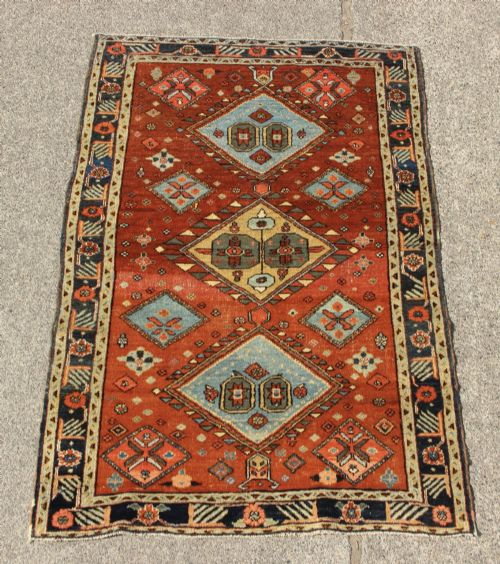
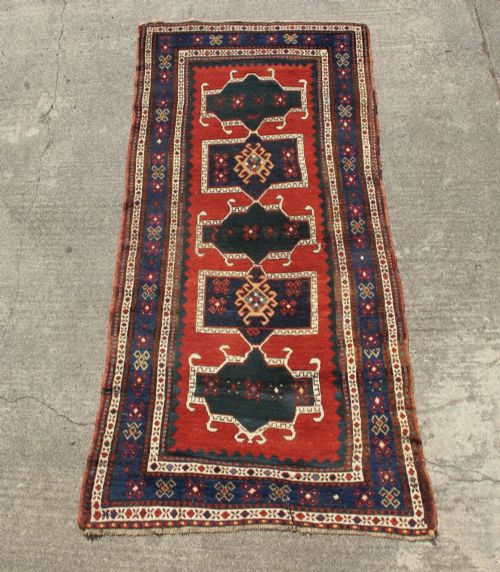
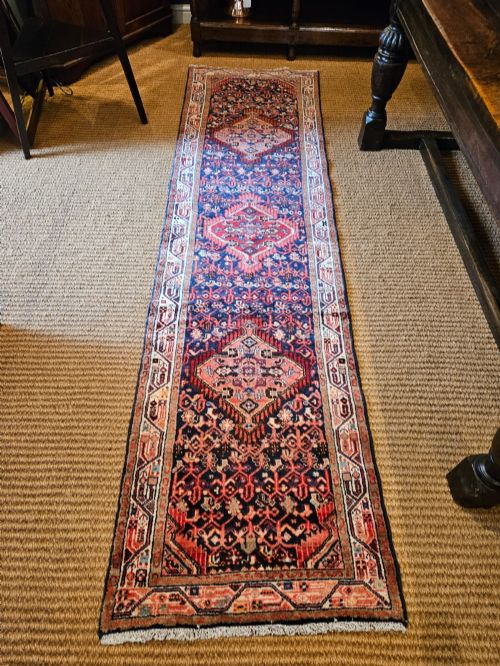
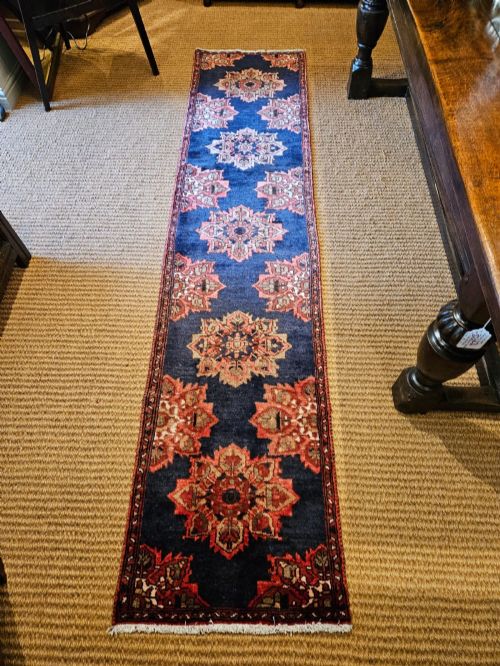
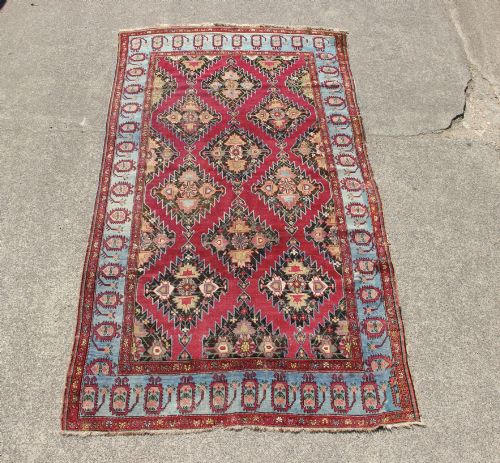
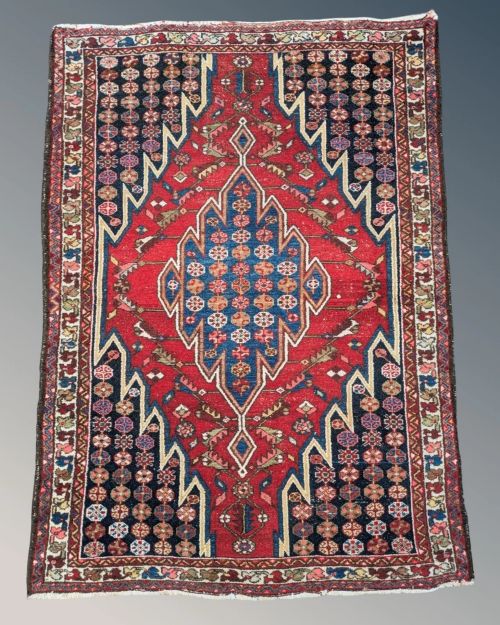
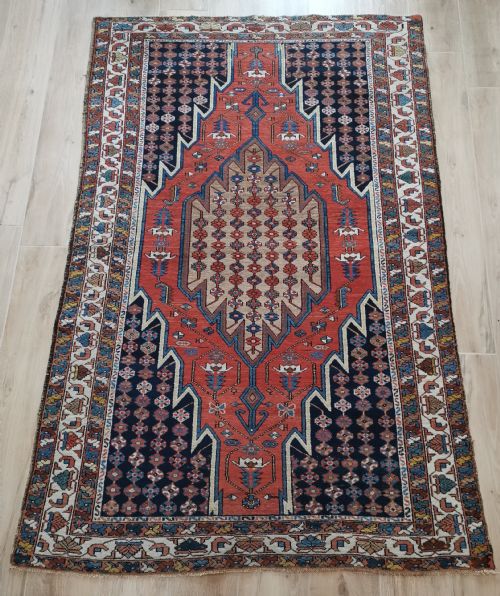

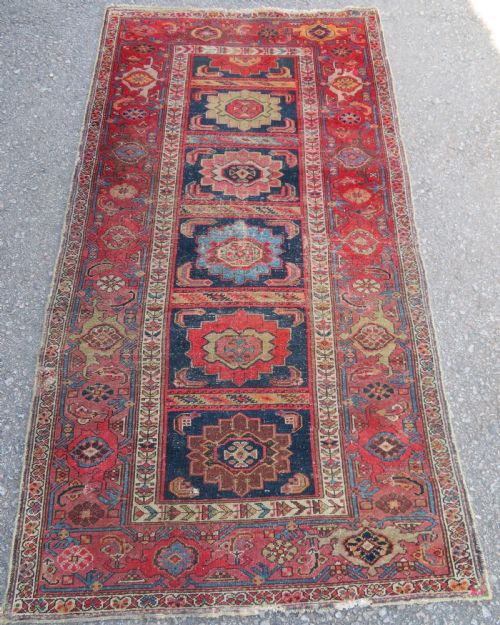
Geometric Medallion Carpet Runner
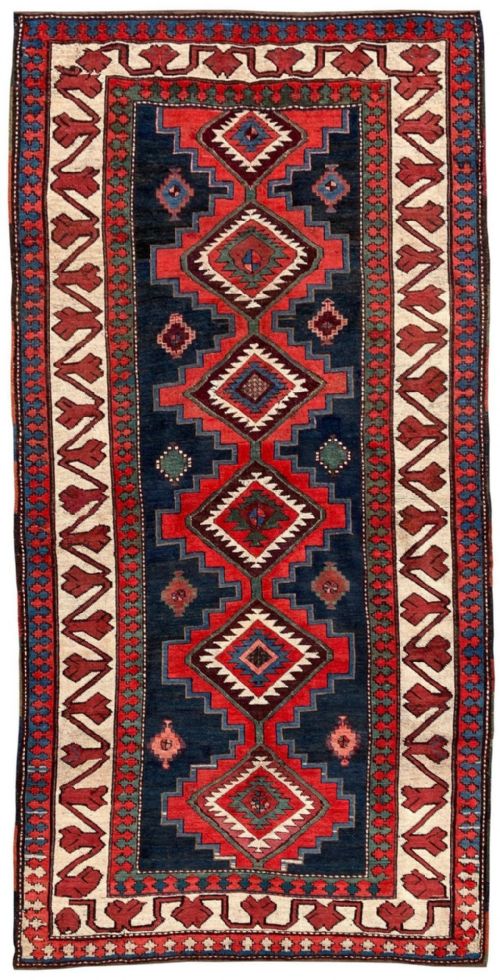
A geometric medallion carpet runner brings linear tribal warmth and striking central motifs directly to a hallway or narrow floor space.
Geometric Medallion Carpet Runner
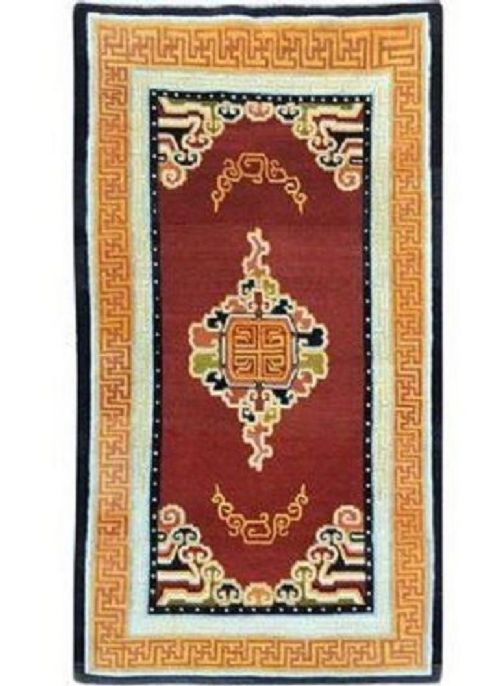
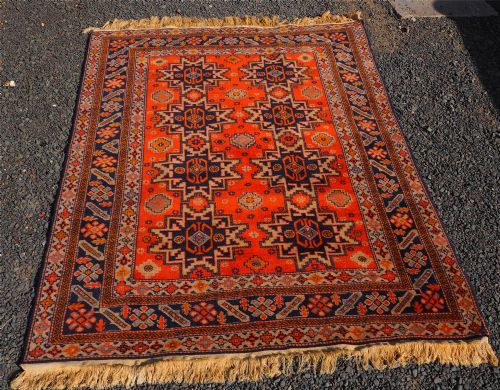
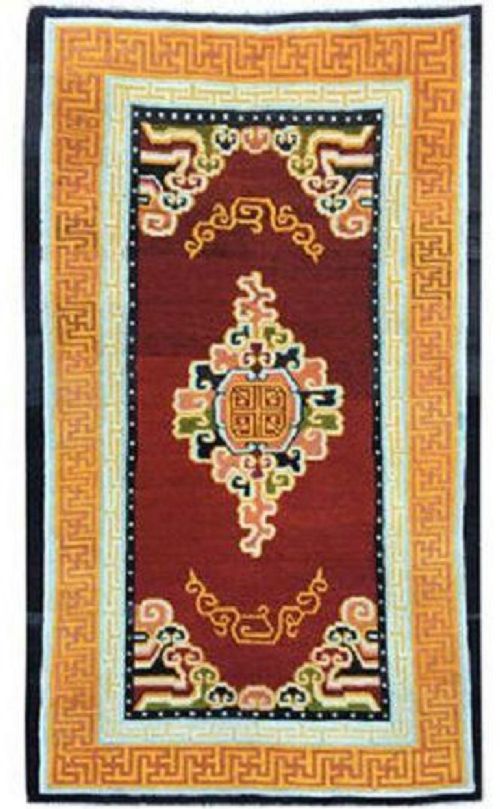
A geometric medallion carpet runner comprises elongated floor coverings originating from weaving traditions across the Caucasus, Anatolia and Persia. These pieces display repeating central motifs framed by detailed borders, designed specifically for corridors and narrow rooms.
The selections span from the late nineteenth century into the 1930s, encompassing tribal workshops and village productions. Buyers frequently encounter regional formats such as Kazak, Hamadan and Kurdish runners featuring traditional geometric layouts.
Makers utilised resilient formats suited to heavy foot traffic, resulting in narrow proportions that direct the eye along hallways. Each surviving textile reflects the specific weaving grammar of its district of origin.
Qualities that separate examples
Quality rests in the crispness of the geometric design and the complexity of the medallion drawing. Pieces executed with superior precision display clear, unblurred angles and well-balanced border proportions.
The depth and vibrancy of the wool dye create another key distinction across the range. Weavers who employed skilled natural dyeing methods achieved rich hues that mellow gracefully through age.
The available pieces originate from distinct traditions including Persian Tribal, Caucasian, Anatolian Tribal and traditional village workshops.
The Geometric Medallion Carpet Runner Glossary
- Medallion
- A central ornamental motif set within the field of the runner. It forms the primary focal point of the geometric design.
- Warp
- The vertical threads stretched tightly on the loom before knotting begins. These form the underlying skeleton of the textile.
- Weft
- The horizontal threads passed alternately through the warp threads to secure the rows of knots. This locks the pile in place.
- Pile
- The vertical tufts of wool that form the soft upper surface of the rug. It absorbs wear and displays the woven pattern.
- Tribal
- A descriptive term for rugs woven by nomadic or village groups working from traditional family patterns. These pieces avoid urban workshop standardisation.
Geometric Medallion Carpet Runner: Frequently Asked Questions
How do I clean a wool runner?
Regular gentle vacuuming without a beater bar removes surface dust and grit from the wool pile. Professional specialist cleaning remains necessary for deeper maintenance to protect the natural fibres.
Avoid harsh chemical detergents or excessive water immersion, which can damage hand-spun wool and traditional dyes. Prompt blotting of spills preserves the structural integrity of the cotton foundation.
Where should I place a runner?
These narrow formats suit hallways, corridors and landings where traditional floorboards require warmth and acoustic softening. Their elongated proportions also function effectively in narrow kitchens or beside beds.
Placing a suitable underlay beneath the textile prevents slipping and reduces friction against the floorboards. This protects the cotton foundation from premature wear in high-traffic areas.
How do I date an antique runner?
Dating relies on assessing the wool quality, dye palette and structural wear visible across the pile and foundation. Traditional regional motifs and specific knotting techniques also indicate the historical period of production.
Many pieces from the nineteenth century and early twentieth century display characteristic hand-spun wool irregularities. Comparing structural traits with documented regional examples confirms the approximate era.
What is a tribal rug design?
Tribal designs feature geometric motifs, stylized animals and symbolic amulets passed down through generations of village weavers. These patterns reflect the cultural heritage of specific regional groups rather than commercial workshop templates.
Runners from traditions such as the Kazak or Kurdish districts showcase these bold, angular layouts. The spontaneous arrangement of motifs often reveals the weaver's individual creative choices.