





Geometric Inlaid Pedestal Table
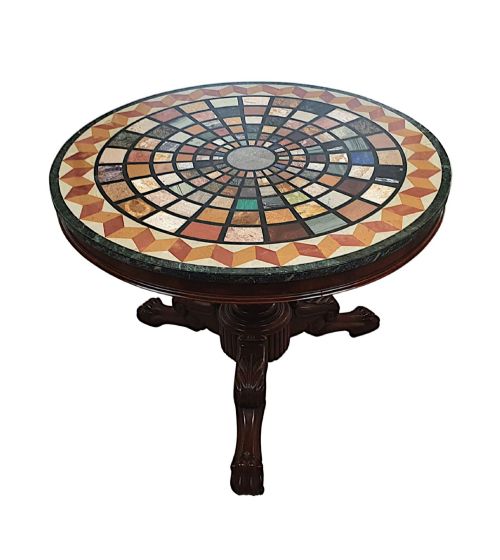
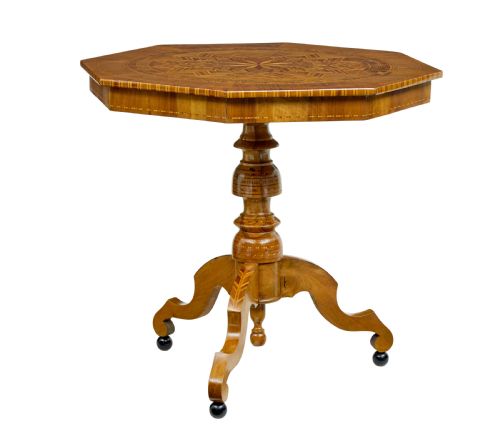
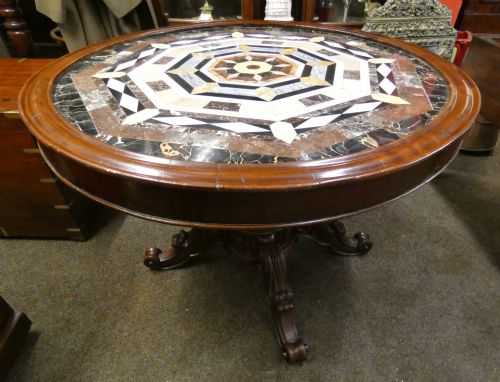
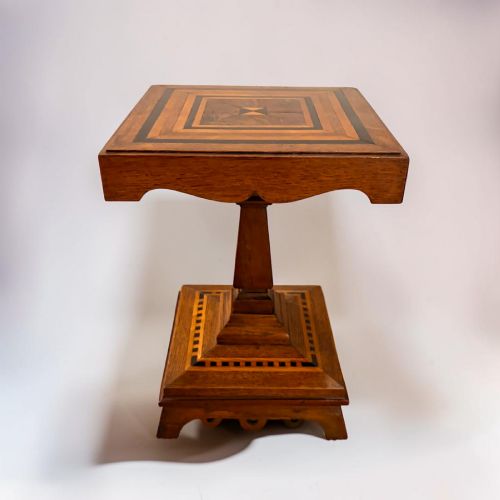
These geometric inlaid pedestal table pieces bring together intricate wood and stone work on a single central support, offering both surface utility and visual richness.
Geometric Inlaid Pedestal Table
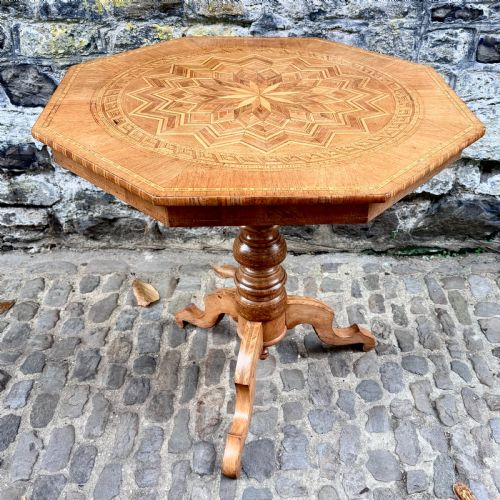
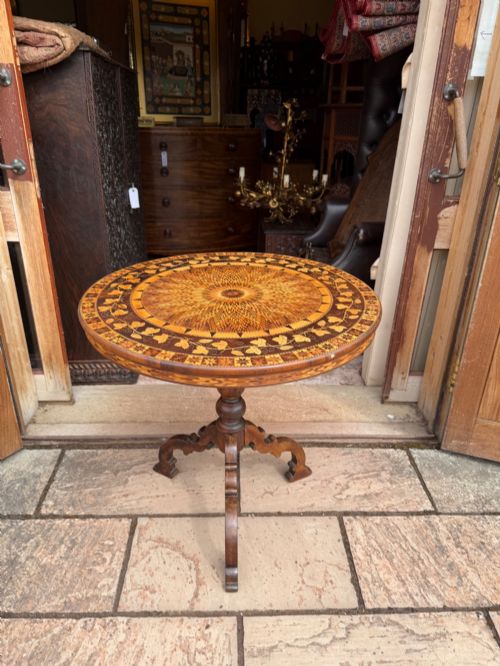
A geometric inlaid pedestal table combines a central column support with a patterned tabletop, appearing most frequently in nineteenth-century Sorrento and Italianate designs. These pieces function primarily as occasional, side, or centre tables within a room.
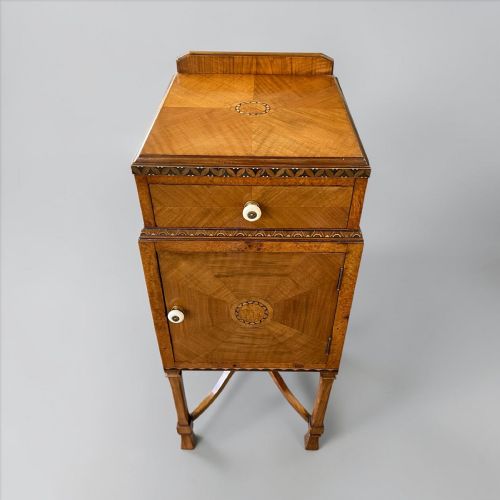
The selection ranges from Victorian walnut examples to Arts and Crafts and Art Deco interpretations, alongside specimen wood pieces from Jamaica and New Zealand. Buyers encounter circular occasional tables, bedside tables, and tripod formats sharing this distinctive central pedestal construction.
How they were made
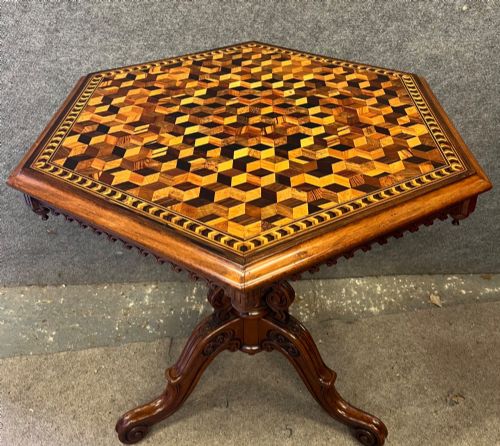
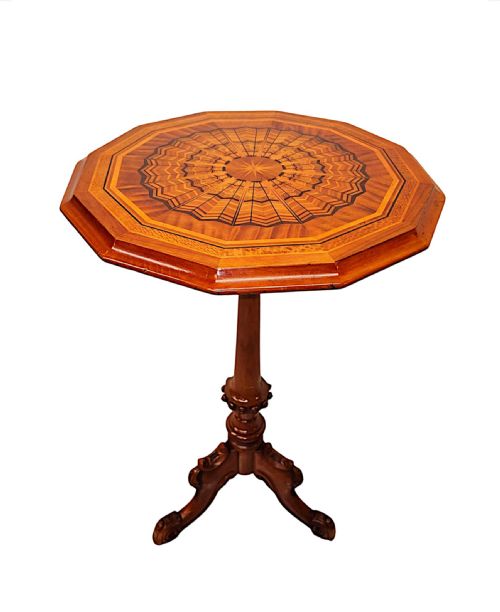
Craftsmen utilised timbers such as walnut, mahogany, satinwood, olive wood, fruitwood, and oak as the foundational structures for these tables. Tops often feature meticulous marquetry and parquetry patterns arranged in geometric motifs.
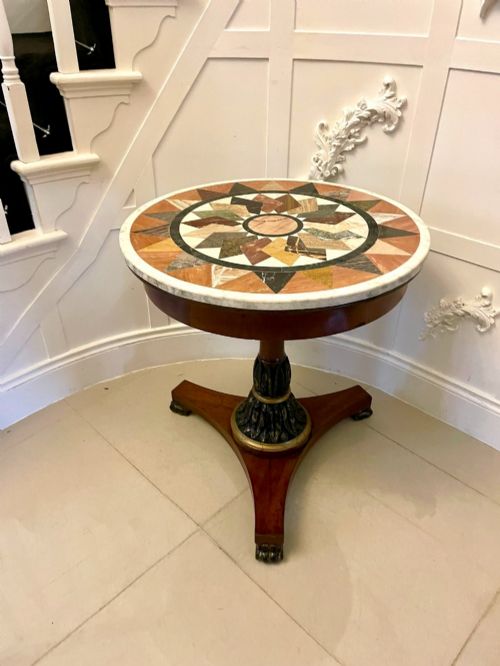
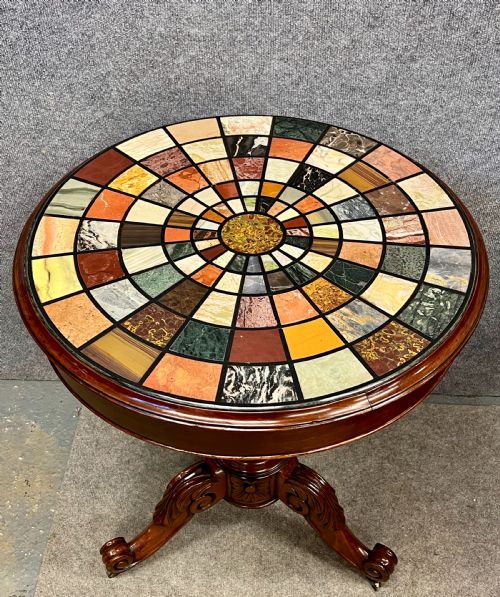
Certain examples incorporate pietra dura and specimen marble tops set upon wooden bases, showcasing skilled stone-cutting and inlay techniques alongside traditional cabinetmaking.
Geometric Inlaid Pedestal Table Retail Price Guide 2026
Typical asking prices for geometric inlaid pedestal table among the pieces listed under this phrase on Sellingantiques today, from the lower quarter to the upper quarter. They describe what is for sale here now, not the wider market.
Some nineteenth-century makers crossed oceans, sending New Zealand and Jamaican specimen woods back to Europe for intricate tabletop geometry.
What varies in quality
The standard of a geometric inlaid pedestal table depends heavily on the precision of the surface pattern and the choice of timbers or marbles. Finer execution shows tight joints in the mosaic work and careful selection of figured woods like satinwood and walnut.
The stability and turning of the central pedestal column, along with the joinery of the tripod or base support, dictate the structural integrity and overall refinement of the piece.
Ralph Turnbull·Gillows
The Geometric Inlaid Pedestal Table Glossary
- Pedestal table
- A table supported by a single central pillar or column rather than four corner legs. This form allows for easier seating placement around the perimeter.
- Sorrento ware
- Woodwork decorated with intricate micro-mosaic inlay, originating from the Italian town of Sorrento. Craftsmen utilise various coloured woods to create geometric and pictorial designs.
- Marquetry
- Decorative veneer applied to a furniture structure in patterns and pictures. Artisans cut pieces of wood, shell, or ivory to fit together precisely.
- Specimen wood
- Timber selected for its distinct grain, colour, or exotic origin rather than utility. Tables utilise multiple varieties to create contrasting geometric borders.
- Pietra dura
- An artistic technique using cut and fitted polished coloured stones to create images. Tabletops employing this method display flowers, geometric patterns, or landscapes.
Geometric Inlaid Pedestal Table: Frequently Asked Questions
What is a geometric inlaid pedestal table?
It is a small table featuring a central column support and a patterned top created through wood or stone inlay.
These pieces serve as occasional, side, or centre tables in domestic interiors.
How do I date a pedestal table?
Dating relies on identifying stylistic markers, timber types, and construction methods associated with periods such as Regency, Victorian, or Art Deco.
Evidence from nineteenth-century Sorrento and Arts and Crafts examples helps pinpoint the era of production.
Where were Sorrento tables made?
These tables originate from Sorrento in Italy, where local workshops specialised in intricate wood inlay and micro-mosaic techniques.
Master craftsmen exported these distinctive pieces across Europe during the nineteenth century.
How do I care for inlaid wood?
Inlaid surfaces require protection from direct sunlight, excessive heat, and moisture to preserve the delicate veneers and adhesives.
Regular gentle dusting maintains the finish without risking the fine geometric patterns.